REVIEW · JAPANESE CASTLE TOURS
Kyoto: Imperial Palace & Nijo Castle Guided Walking Tour
Kyoto’s political story becomes much clearer when you visit Nijo Castle and the Imperial Palace together. One was tied to the shoguns, the military rulers of Japan, while the other was home to the emperor. In three hours, you see both sides of that old power structure with a local guide to connect the dots.
I like the small groups of no more than nine and the choice of start times. Guides such as Raphael, Jasmine, Vincent, Taku, and Kosuke have been praised for clear explanations, good pacing, and answers that reach beyond the buildings into Japanese culture. The main drawback is that the Imperial Palace grounds are more impressive than its indoor access, and the whole outing involves a fair amount of walking.
Key points to know before booking
- Two major Kyoto sites in one morning or afternoon: The route links Nijo Castle with the Kyoto Imperial Palace, finishing near Imadegawa Station.
- A useful contrast in power: Nijo Castle introduces the shogun’s world, while the Imperial Palace presents the emperor’s former residence.
- Ninomaru Palace is the main castle interior: The visit includes the Ninomaru-goten Palace and Painting Gallery, plus its garden.
- Small groups help with questions: The maximum group size is nine, so it is easier to hear the guide and ask about details.
- Entry fees are included: Your $49 covers the guide, walking tour, and Nijo Castle admission.
- Prepare for sun and steady walking: Comfortable shoes, water, a hat in hot weather, and modest clothing for the palace grounds are sensible choices.
Why this pairing works so well in Kyoto
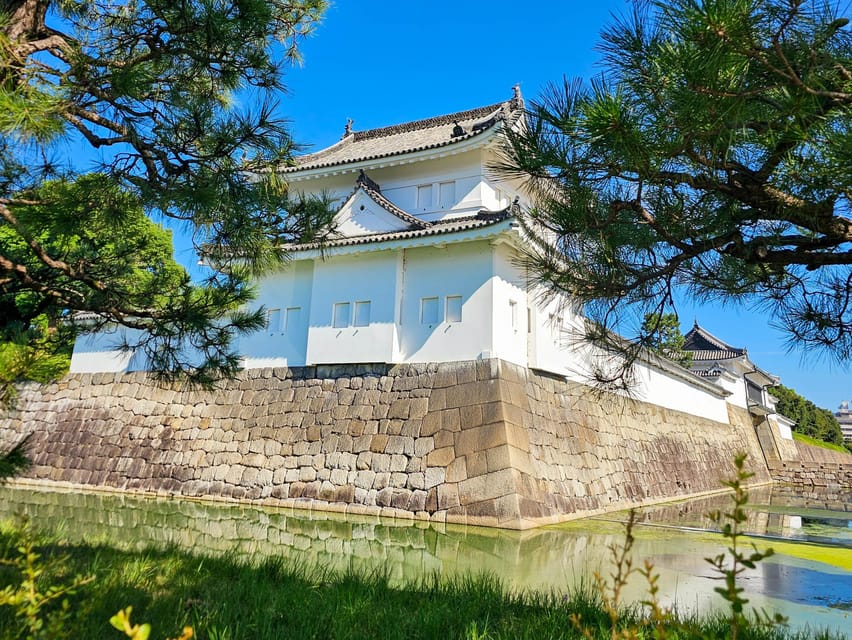
Kyoto can feel like a collection of beautiful sites without an obvious storyline. This tour gives you one. Nijo Castle and the Imperial Palace are not just two historic compounds placed on the same map. They represent different centers of authority in Japan.
At Nijo Castle, you are looking at the residence of the Tokugawa shogun when he visited Kyoto. The shogun held military power, while the emperor represented the older imperial institution. At the Imperial Palace, you see the setting connected to the emperor and the court.
That contrast is the heart of the outing. A good guide can point out how architecture, gardens, ceremony, and room design reflected status. Several guides, including Jasmine, Raphael, Vincent, and Alex, have been praised for explaining symbols, political background, and everyday culture in a way that made the sites easier to understand.
Without help, you can still enjoy the roofs, gates, gardens, and painted rooms. With a guide, you have a better chance of noticing why a building is arranged as it is and what the spaces were meant to communicate.
More Guided Castle Tours in Japan
- Kyoto: Nijo-jo Castle and Ninomaru Palace Guided Tour
★ 4.7 · 1,020 reviews - Kyoto: Nijo Castle, Kiyomizu & Fushimi Inari Guided Tour
★ 4.7 · 700 reviews - Osaka Castle Guided Tour
★ 4.7 · 249 reviews
Starting at Nijo Castle near Exit 1
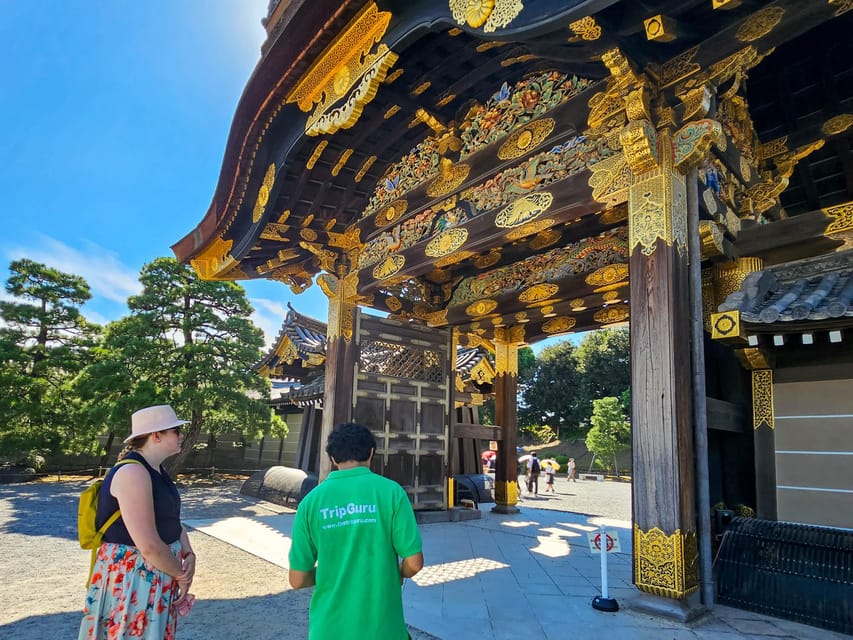
The meeting point is outside Exit 1 at Nijojo-mae Station. Your guide will wear a TripGuru shirt or hold a TripGuru sign. Arrive at least 10 minutes early, since the guide waits only a maximum of 10 minutes before moving on.
This is a good start point for a short Kyoto tour. Nijo Castle is easy to identify, and beginning here puts the more enclosed part of the visit first. You will want to have your camera ready, but listen closely too. The value of the castle visit comes from small details that are easy to pass without explanation.
The tour does not include hotel pickup. You need to make your own way to the station, and morning traffic can take longer than navigation apps suggest. Give yourself extra time if you are crossing Kyoto by bus or taxi.
Nijo Castle and the world of the shogun
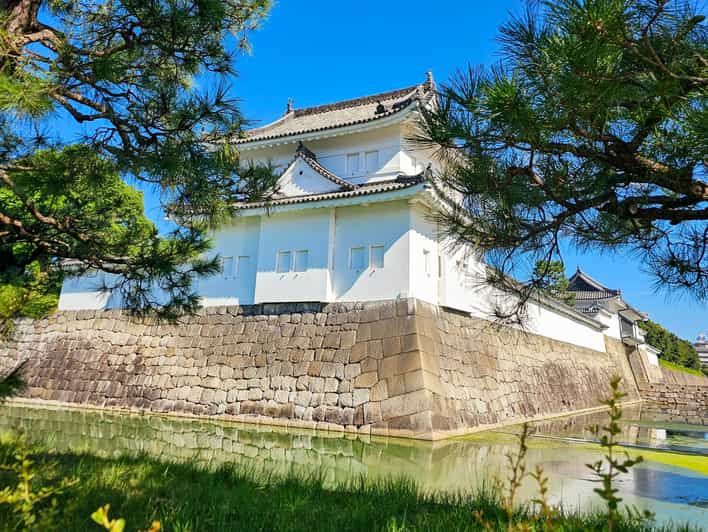
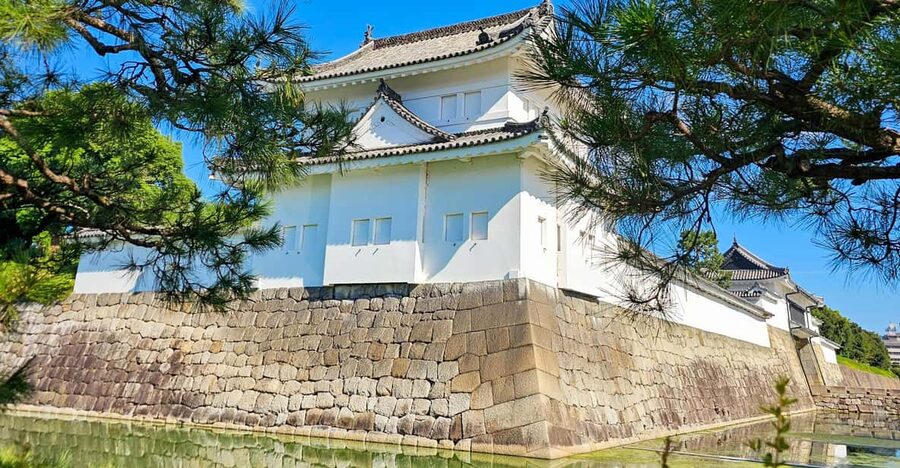
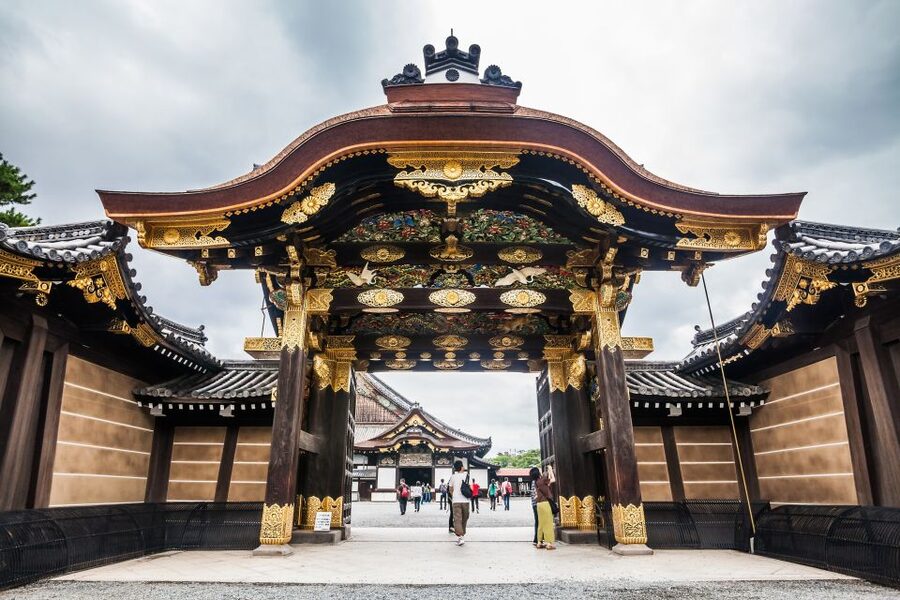
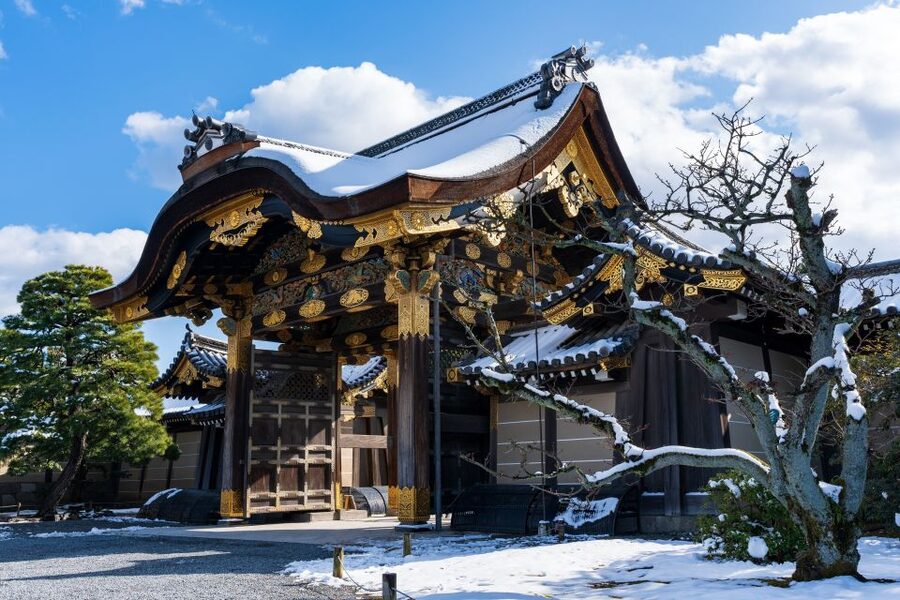
The first stop lasts about an hour. You will visit Nijo Castle, including Ninomaru-goten Palace and its Painting Gallery, as well as the Ninomaru Garden.
The castle is especially useful for showing how military power presented itself in a refined setting. The architecture is formal and carefully arranged, but it is not simply a fortress experience. The interiors, gardens, and ceremonial rooms reveal a side of the shogun’s life that goes beyond battles and politics.
The Ninomaru Palace is the main focus of this tour. Note that the guide brings you to the Ninomaru-goten Palace and Garden, not every part of the castle complex. That makes the visit more focused, but anyone hoping for a full exploration of every building should adjust expectations.
The Painting Gallery adds another layer to the visit. The rooms and artwork help explain how decoration was used to create an impression of rank and control. A guide can give you context for what you are seeing instead of leaving you to admire the paintings as attractive backdrops.
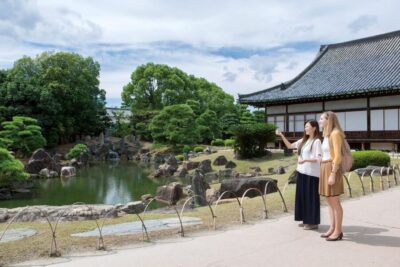
The garden provides a change of pace after the palace rooms. You can look at the arrangement of stones, plants, water, and paths while the guide explains how the setting fit the larger design. The exact emphasis may depend on your guide, but past tours have included discussion of symbols, architecture, and cultural meaning.
The best guides keep this section moving without rushing. Vincent has been praised for managing time while shifting between political history and cultural details. Jasmine has been noted for speaking clearly and checking that the whole group could hear. Those are practical strengths in a place where a crowded room or outdoor noise can make long explanations hard to follow.
The walk to Kyoto Imperial Palace
After Nijo Castle, the tour continues on foot toward the Kyoto Imperial Palace. The itinerary allows about one hour at the palace, with the overall activity lasting three hours. The original description also refers to seeing both major sites in roughly two hours, but the stated tour duration is three hours. Plan your schedule around the full three-hour booking.
This transfer is part of the experience, not just dead time. It connects two major sites and gives the guide a chance to explain the shift from shogun authority to imperial tradition. Still, you should expect steady walking between the attractions and across broad palace grounds.
This is not the best choice if you want a seated tour or have difficulty walking. The activity is specifically marked as unsuitable for people with mobility impairments, heart problems, respiratory issues, or pregnancy. Wear comfortable shoes, and carry water, especially in summer.
More Palace Tours in Japan
- Imperial Palace East Garden and Edo Castle Walking Tour in Tokyo
★ 5.0 · 510 reviews - Kyoto: Nijo Castle and Kyoto Imperial Palace Guided Tour
★ 4.6 · 98 reviews - Tokyo: Edo Castle Ruins & Imperial Palace East Garden Tour
★ 4.4 · 13 reviews - Tokyo: Edo Castle and Imperial Palace Guided Walking Tour
★ 5.0 · 6 reviews
Kyoto Imperial Palace and the emperor’s former home
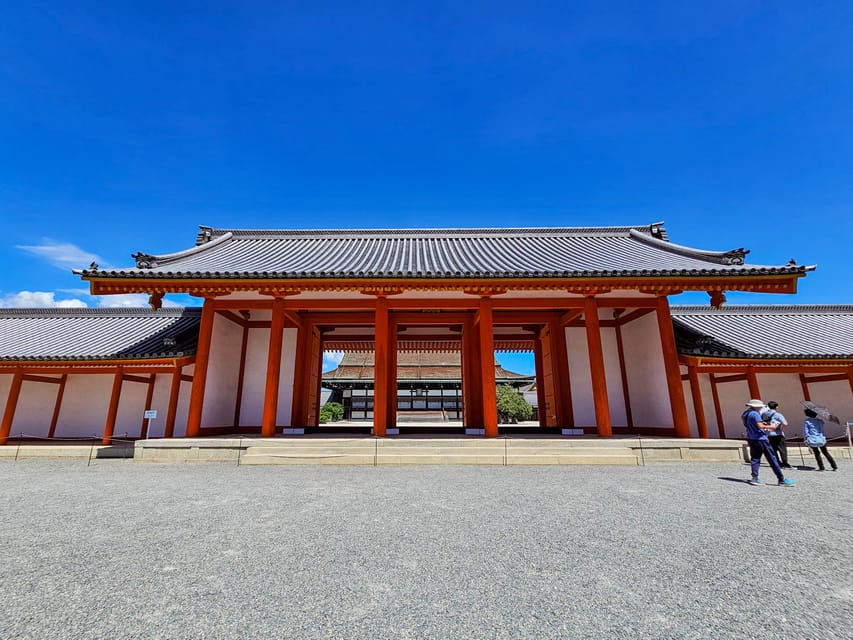
The Imperial Palace visit lasts about an hour. Here, the emphasis is on the former residence of Japan’s imperial family, the court, and the role Kyoto played as the imperial capital for more than a thousand years.
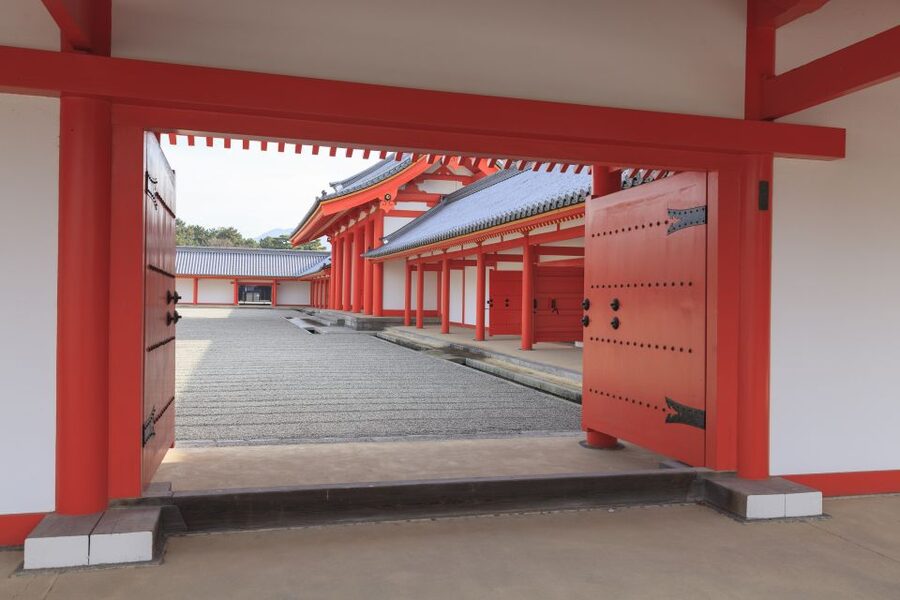
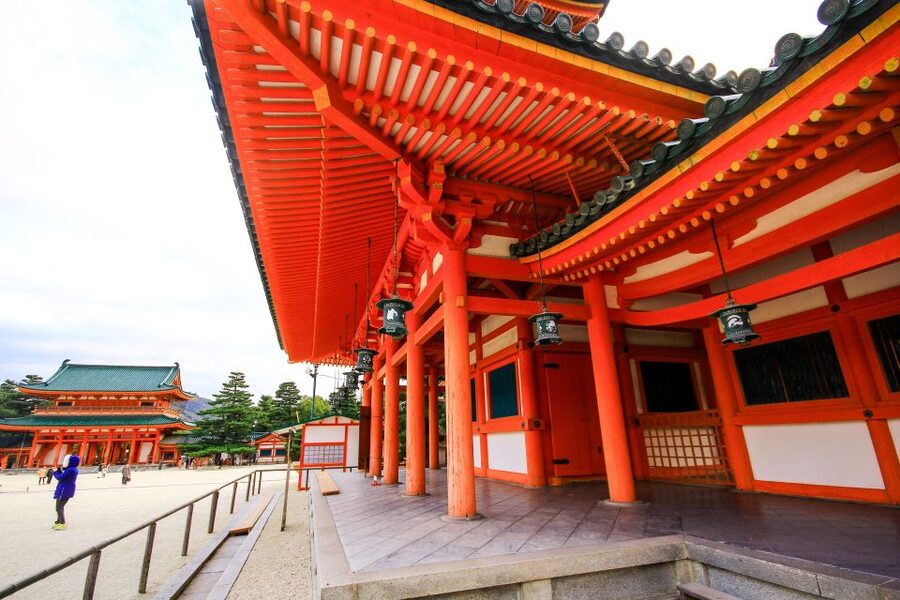
The grounds give you a strong sense of scale and ceremony. You will have time to look at the buildings, gardens, and open spaces while the guide explains what made the palace important. The setting is calmer and more spacious than Nijo Castle, so the two stops feel different rather than repetitive.
One point deserves a clear warning: access inside the palace is limited. You should not book this tour expecting a full indoor palace visit. The Imperial Palace is best understood through its grounds, exterior architecture, and the guide’s explanation of how the imperial household used the site.
That limitation will matter more to some people than others. If you mainly want grand buildings and a better grasp of Kyoto’s political past, the visit should satisfy you. If you care most about entering historic interiors, Nijo Castle will probably be the stronger half of the tour.
The contrast between the two sites is also what makes the palace worthwhile. Nijo Castle can feel more intimate because of its rooms and interior decoration. The Imperial Palace presents authority through distance, order, and formal space. Guides have used this comparison to explain the difference between the shogun and emperor, a theme several people found especially helpful.
What the guides add to the experience
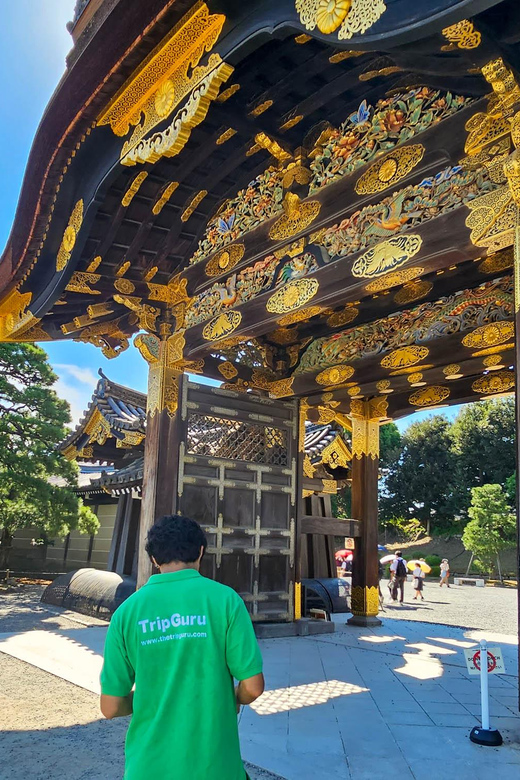
The quality of this tour depends heavily on the guide. The strongest feedback centers on clear storytelling, patience, language skills, and the ability to answer questions.
Raphael Matsui has been praised for explaining Japanese history and culture in detail while remaining friendly and easy to talk with. Jasmine has been described as expressive, clear, and good at explaining symbols and background. Vincent has received praise for historical accuracy, cultural references, and careful time management.
Taku has been praised for patience and consideration, while Kosuke has offered personal recommendations for other things to see and eat in Kyoto. Alex has been appreciated for connecting the historic sites with present-day Japanese culture. Those details matter because a tour can become dry if it only lists dates and names.
You may also get a guide who adapts to the group. One tour was described as feeling almost private because only three people attended, although the official format allows up to nine. The group size is not guaranteed to be small in every case, but the nine-person limit is still much more manageable than a large coach tour.
The language options are English, French, and Spanish. The supplied information does not promise a particular guide, so you should choose the language and start time that suit you rather than book around a named person.
Is $49 a fair price?
At $49 per person, this is a reasonable price if you want both admission and interpretation in a compact package. Your booking includes the English, French, or Spanish-speaking guide, walking tour, and Nijo Castle entry, including Ninomaru-goten Palace and the Painting Gallery.
The value is not only in getting through the entrance gates. The biggest benefit is the explanation. Nijo Castle and the Imperial Palace are places where a self-guided visit can leave you admiring the scenery without understanding the political and cultural choices behind it.
The price also buys convenience. You can choose among several start times, and same-day reservations are welcomed when availability allows. That makes it useful for a short Kyoto visit or a day when you have a few open hours between other plans.
There are limits. Meals, drinks, personal expenses, and hotel transportation are not included. You also need to reach the starting point yourself and make your own plans after the tour ends at Imadegawa Station.
For a private guide, the price would be especially low, but this is a small-group tour rather than a guaranteed private experience. The nine-person maximum offers a useful middle ground: more personal than a large group, but less costly than booking a guide just for your party.
How to prepare for the walking route
Dress for the weather and for respectful access to the palace grounds. Shorts or tank tops may be considered too casual or revealing, so modest clothing is the safer choice.
In hot months, bring water and a hat. A June tour was described as very hot, and the open palace grounds can make sun exposure more noticeable. Comfortable shoes are essential because the tour includes both large historic sites and the walk between them.
Bring a camera, but also keep some cash with you for personal expenses. Food and drinks are not included. The tour description also lists cash among the recommended items, though it does not specify a particular extra charge.
Arrive early at Nijojo-mae Station. Kyoto’s traffic can be slow, especially in the morning, and map apps may underestimate the journey. Missing the group could mean missing the castle visit, since the guide will not wait beyond the stated 10-minute window.
Cancellation is flexible up to 24 hours before the tour for a full refund, and you can reserve now and pay later. Those terms are useful if your Kyoto schedule is still shifting, but they do not remove the need to arrive on time once you book.
Who should book this Kyoto tour
I would choose this tour if you have limited time and want historical context without spending a full day on organized sightseeing. It is also a good fit if you are visiting Kyoto for the first time and want a clear introduction to the city’s imperial and military past.
It suits people who enjoy asking questions. Guides have handled questions about history, religion, architecture, modern culture, food, and local recommendations. If you prefer to wander at your own pace with no set schedule, you may find the three-hour structure restrictive.
Families and older participants should think about the walking demands before booking. The route covers broad grounds and requires time on your feet. The activity is not suitable for pregnant people or those with mobility, heart, or respiratory concerns.
You should also choose it with realistic expectations about the Imperial Palace. You will see its grounds and architecture, but you should not expect an extensive indoor tour. If Nijo Castle interiors are your priority, the first hour may be the highlight. If you want to understand Kyoto’s imperial role, the palace adds essential context.
Should you book it?
Book it if you want two major Kyoto landmarks explained as one connected story. The small group limit, included Nijo Castle entry, flexible start times, and strong record of clear, friendly guiding make the $49 price sensible for a short visit.
Skip it if you dislike walking, need hotel pickup, or want deep access to Imperial Palace interiors. For everyone else, this is a practical way to see the shogun’s castle and the emperor’s former home in a single outing, with enough time for questions and photographs without turning the day into a marathon.
FAQ
How long does the Kyoto Imperial Palace and Nijo Castle tour last?
The stated duration is three hours. The planned visits allow about one hour at Nijo Castle and one hour at Kyoto Imperial Palace, with time for walking between the sites.
Where does the tour begin?
The meeting point is outside Exit 1 at Nijojo-mae Station, next to Nijo Castle. The guide will wear a TripGuru shirt or hold a TripGuru sign.
Where does the tour finish?
The tour finishes at Imadegawa Station.
What languages are available?
The live tour guide may lead the experience in English, French, or Spanish.
What is included in the $49 price?
The price includes the walking tour, the guide, and entrance fees for Nijo Castle, including Ninomaru-goten Palace and the Painting Gallery.
Does the tour include hotel pickup?
No. You need to travel to Nijojo-mae Station on your own, and hotel drop-off is not included.
Can I book the tour on the same day?
Same-day reservations are welcomed when spaces are available. Several start times are offered, so check availability for the date you want.
What should I wear and bring?
Wear comfortable shoes and modest clothing suitable for the palace grounds. Bring a camera, cash, and water, especially in hot weather. A hat can also help in the open areas.
Is the tour suitable for people with mobility or health concerns?
The activity is not suitable for pregnant women or people with mobility impairments, heart problems, or respiratory issues. It involves walking through both sites and between them.
More Walking Tours in Japan
- Tokyo Castle & Imperial PalaceーShogun Walking Tour
★ 4.7 · 1,068 reviews - Ultimate Osaka Walking Tour: Castle, Dotonbori & Hidden Gems
★ 5.0 · 862 reviews - Tokyo Castle & Imperial PalaceーShogun Walking Tour
★ 5.0 · 724 reviews - Osaka: Castle History Walking Tour / Castle Tower Admission
★ 4.9 · 230 reviews
More Japanese Castle Tours in Japan
- Osaka Castle: Museum and Tower Entry Ticket
★ 4.5 · 2,380 reviews - Osaka Castle Walking Tour and Castle Tower Admission
★ 5.0 · 561 reviews - From Osaka: Himeji Castle, Arima Onsen & Mt. Rokko Day Tour
★ 4.6 · 339 reviews - 5-Hour Osaka Bike Tour to the Neighborhood of Osaka Castle
★ 5.0 · 319 reviews
Just added around Japan
- Tokyo: Edo Castle and Imperial Palace Guided Walking Tour★ 5.0 · 6 reviews
- (Ticket Included) Explore Osaka Castle & Museum of History★ 4.8 · 21 reviews
- Peace Memorial Park, Hiroshima Castle, & Garden Private Tour★ 4.8 · 7 reviews
- Osaka: Osaka Castle Guided Tour with Local Guide★ 4.7 · 78 reviews
- Osaka: Osaka Castle – Tsuruhashi – Tennoji (Spanish Guide)★ 4.7 · 10 reviews
- Osaka: Early Morning Osaka Castle Guided Tour, Avoid Crowds★ 4.9 · 12 reviews
- Osaka: Explore Every Bit of Osaka Castle in 3 Hours★ 5.0 · 5 reviews
- Osaka: Osaka Castle 3 hours Historical Walking Tour★ 4.6 · 14 reviews
Japanese Castle Tours, compared.
Kyoto: Nijo-jo Castle and Ninomaru Palace Guided Tour
Read our review →
Kyoto: Nijo Castle, Kiyomizu & Fushimi Inari Guided Tour
Read our review →
Osaka Castle Walking Tour and Castle Tower Admission
Read our review →
From Osaka: Himeji Castle, Arima Onsen & Mt. Rokko Day Tour
Read our review →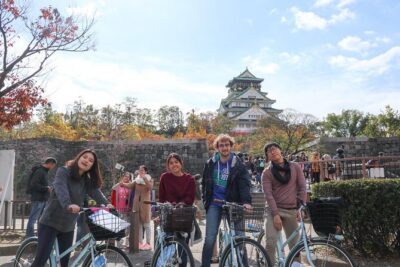
5-Hour Osaka Bike Tour to the Neighborhood of Osaka Castle
Read our review →