
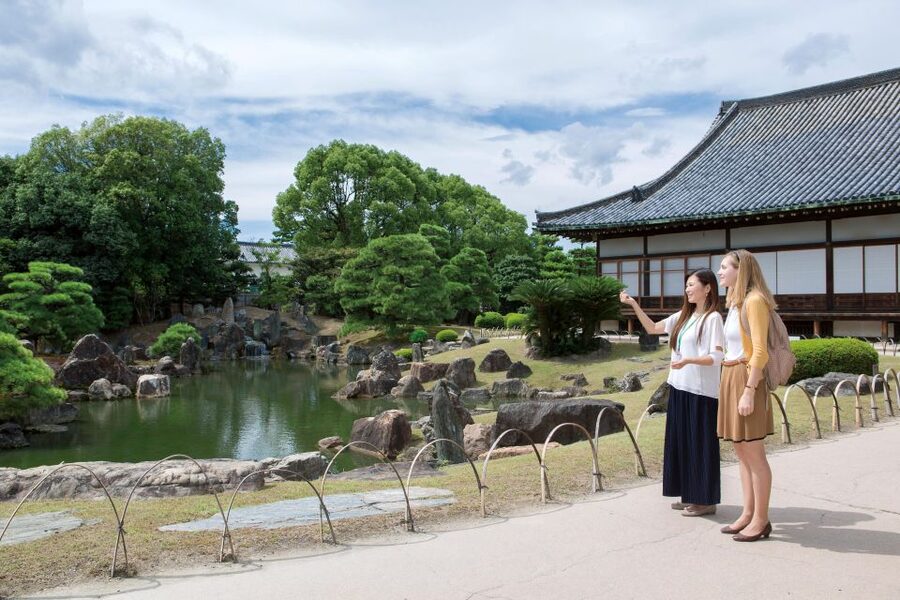
REVIEW · JAPANESE CASTLE TOURS
Kyoto: Nijo-jo Castle and Ninomaru Palace Guided Tour
Nijo Castle is not just a pretty old building. It was the Kyoto power base of Tokugawa Ieyasu, and its palace rooms still show how a shogun received guests, handled politics, and managed daily life. I like the way this tour explains the meaning behind the paintings and room layouts, rather than leaving you to admire the decoration without context. I also like the access to parts of the palace normally closed to general visitors.
The one catch is that the $16 tour price does not include castle admission, which must be paid separately in cash. You also need to arrive early at the East Main Gate, because late arrivals cannot join once the one-hour tour has begun. In hot weather, remember that the palace has no air-conditioning, and photography and drinks are not allowed inside.
Key points at a glance
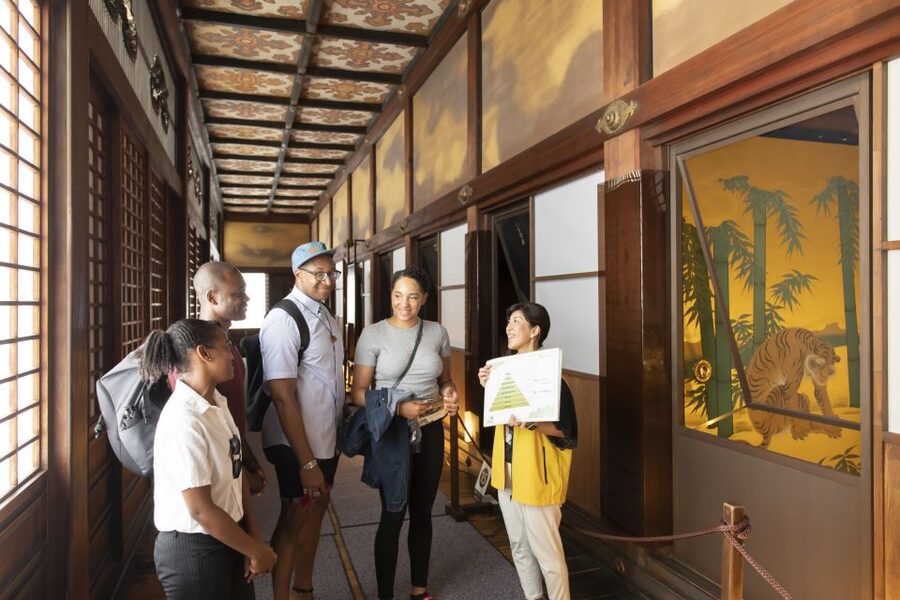
- See Ninomaru Palace with context: Learn what each room was used for and how the shogun’s political world worked.
- Enter normally restricted areas: The guided visit includes access to sections other visitors may not see.
- Hear the meaning behind the art: Guides point out dragons, tigers, murals, and symbols that are easy to miss.
- Meet at the correct entrance: Enter through the East Main Gate and report to the reception area beside the General Reception desk.
- Plan for extra admission cost: The $16 guide fee does not cover castle admission, paid in cash on site.
- Bring water for the grounds: You cannot take water into the palace, and summer temperatures can make the visit tiring.
Why Nijo Castle is worth your time
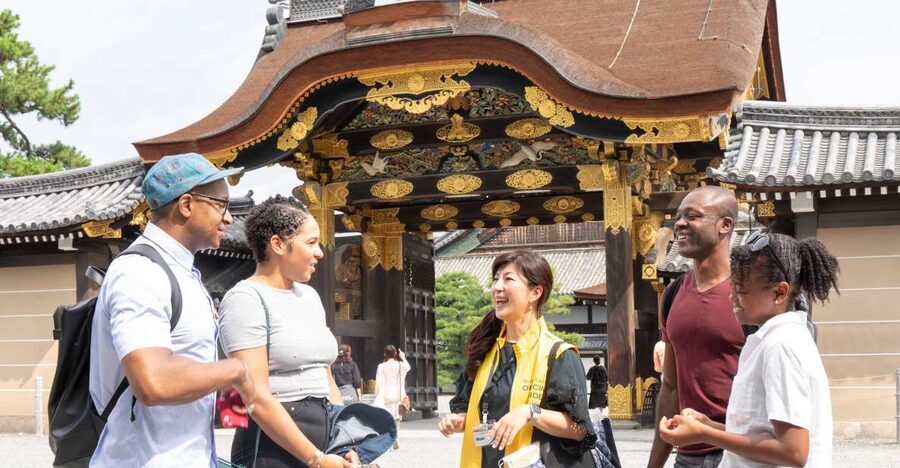
Nijo Castle was built in 1603 as Tokugawa Ieyasu’s Kyoto residence. Ieyasu was the first shogun of the Edo Period, the long era when the Tokugawa family controlled Japan. This was not simply a defensive fortress. It was also a political stage, a residence, and a place where the shogun could meet important officials and demonstrate authority.
That distinction matters when you visit. The castle’s grandest features are not thick stone walls or towering battlements. They are the careful arrangement of gates, gardens, painted rooms, and formal spaces. The architecture told people where they stood in relation to power.
After the Tokugawa Shogunate ended in 1867, the site became an imperial palace. It was later given to Kyoto City and opened as a historic site. Nijo Castle was named a UNESCO World Heritage site in 1994, and its surviving buildings offer one of Japan’s clearest looks at feudal-era court life.
You can walk through the grounds alone, but the symbolism is easy to miss. A guide can explain why certain paintings appear in particular rooms, how the palace was arranged for rank and ceremony, and what daily life looked like for the shogun and his staff. That is the main reason I would choose the guided option.
More Guided Castle Tours in Japan
- Kyoto: Nijo Castle, Kiyomizu & Fushimi Inari Guided Tour
★ 4.7 · 700 reviews - Kyoto: Imperial Palace & Nijo Castle Guided Walking Tour
★ 4.7 · 453 reviews - Osaka Castle Guided Tour
★ 4.7 · 249 reviews
Starting at the East Main Gate
The meeting point is inside Nijo Castle, not outside the entrance. Enter through the East Main Gate, then go to the reception area beside the General Reception desk, on the left after entering. Notify the staff that you have arrived.
This is one of those small Kyoto logistics points that can save you stress. Leave enough time to reach the gate, pay the separate admission fee, enter the grounds, and find the reception desk. The tour begins at its scheduled time, and you cannot join after it has started.
The tour is conducted only in English. Guides such as Ai, Miki, Kaoru, Ayu, Don, and Kiku have led visits praised for clear explanations, strong storytelling, and an easy pace. The exact guide is not guaranteed, but the repeated strength of the English commentary is a real part of the experience.
Each paid adult can bring one child aged 0 to 12 free of charge. The child must stay with an adult. Only paid participants receive earphones, so you need to buy an adult ticket for a child who needs an earphone. A second child must have an adult ticket.
From Higashi Ote-mon to Karamon Gate
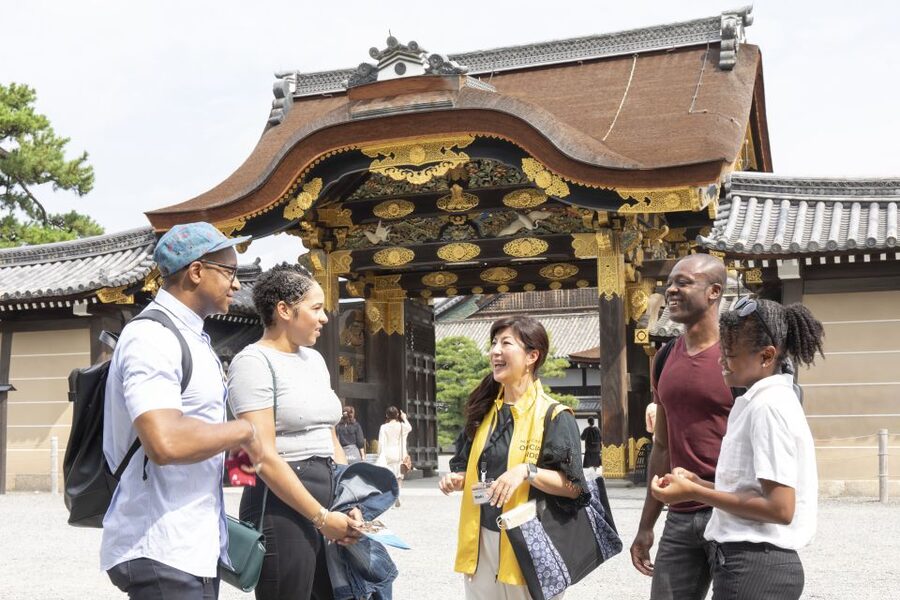
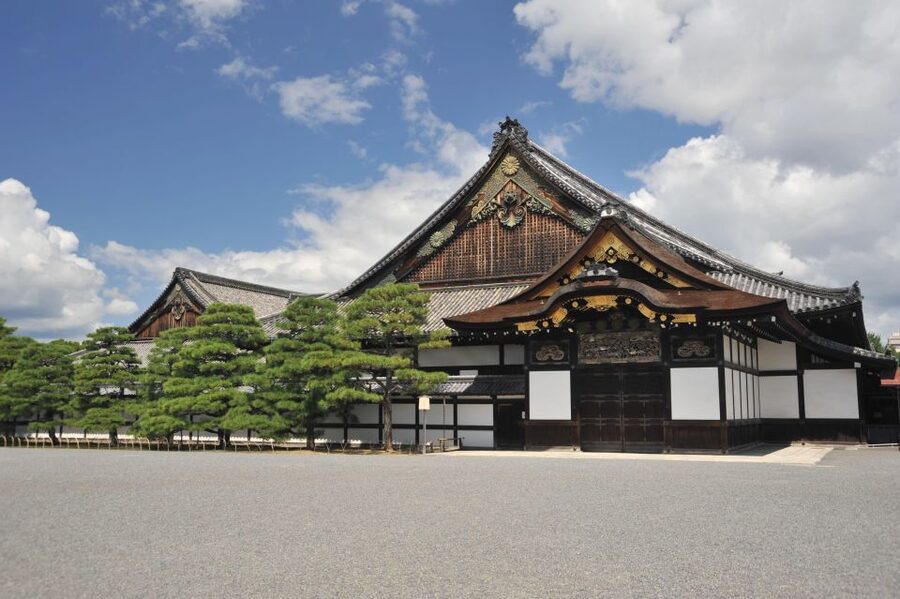
The tour includes the Higashi Ote-mon Gate, the castle’s East Main Gate, before moving toward the ornate Karamon Gate. Karamon is the ceremonial entrance to the Ninomaru section, and its decoration gives you an early hint of what lies ahead.
This is a useful place for the guide to explain the difference between military strength and political display. The gate’s elaborate carving and formal design were meant to impress. You are not simply walking through an entrance. You are approaching the shogun’s official residence and workplace.
Look closely at the decorative details. Guides have pointed out animal figures, including dragons and tigers, and connected the imagery to Japanese stories and later popular culture. Some details may even remind you of modern characters and designs, though the value is in seeing how old symbols still shape what people recognize today.
The route is outdoors at this point, so weather matters. The tour operates in light rain, but Kyoto’s summer heat can be hard on you, especially when the group pauses to listen. Bring a cold drink for the grounds, but do not expect to carry it into the palace.
Ninomaru Palace, the main event
Ninomaru Palace is the heart of the tour. It served as the shogun’s residence and office when he visited Kyoto, and the building remains remarkably intact. You remove your shoes before entering and follow the prescribed route through the palace rooms.
The floors are famous for their nightingale effect. As you walk, the boards make a soft chirping sound. The design helped alert guards to movement inside the palace. This is one of the details that gains meaning when you hear it explained in place, rather than reading a short label and moving on.
Inside, the guide identifies the purpose of individual rooms and explains how people used the palace. You may learn where the shogun received visitors, how rank affected seating and movement, and how official meetings differed from private life. The rooms are not empty shells. Their arrangement shows a strict social order.
The painted panels and murals deserve close attention. You might see imposing animals, plants, and scenes chosen to suit the status or purpose of a room. A guide can point out why certain images were appropriate for formal reception spaces and why others belonged in areas connected with the shogun’s private quarters.
Photography is not allowed inside Ninomaru Palace. That can feel limiting if you are used to recording every room, but it also encourages you to look carefully. Since you cannot rely on your phone later, pay attention to the guide’s explanation and to the design of the rooms themselves.
There is also no air-conditioning inside. In August, the palace can feel very warm, especially during a heat wave. Wear light clothing, drink water before entering, and take advantage of the pace rather than treating the hour as a race.
More Palace Tours in Japan
- Imperial Palace East Garden and Edo Castle Walking Tour in Tokyo
★ 5.0 · 510 reviews - Kyoto: Nijo Castle and Kyoto Imperial Palace Guided Tour
★ 4.6 · 98 reviews - Tokyo: Edo Castle Ruins & Imperial Palace East Garden Tour
★ 4.4 · 13 reviews - Tokyo: Edo Castle and Imperial Palace Guided Walking Tour
★ 5.0 · 6 reviews
The restricted areas add real value
The special access is more than a marketing detail. The tour includes areas that are normally unavailable to the general public, including sections connected with the shogun’s private quarters. The exact route can vary, but the added access gives you something beyond the standard walk through the palace.
This is one of the strongest reasons to book a guide instead of simply buying admission. You get both interpretation and a chance to see more of the complex. The restricted spaces help make the visit feel less like a quick pass through a famous building and more like a closer look at how the residence functioned.
Do keep expectations sensible. This is still a one-hour tour, not an all-day private examination of every room. The guide has to keep the group together and follow the castle’s rules. Still, the combination of access and explanation gives the tour a clear advantage over wandering without help.
Ninomaru Garden and the grounds
The route includes Ninomaru Garden, where the mood changes from formal interiors to an arranged outdoor setting. The gardens encircle the castle’s main areas and connect the palace to the larger site.
The guide may use the garden walk to explain how the castle’s different sections fit together. Nijo Castle is divided into the Honmaru, or main circle of defense, the Ninomaru, or secondary circle of defense, and the gardens around them. Even if you do not study Japanese castle design, this layout helps you understand what you are seeing.
The tour does not end your visit to the grounds. After the guided hour, you can continue exploring on your own, taking more time in the gardens and other areas included with your admission. This is a smart arrangement. The guide gives you the historical framework, then you can slow down for photographs and quiet walks outside.
The grounds can involve a fair amount of walking, and summer sun can be intense. Comfortable shoes are sensible. If the weather is damp, take care on wet surfaces and allow a little more time between the entrance, meeting point, and tour route.
What the guide adds to the visit
The strongest part of this experience is the quality of the live explanation. A well-prepared guide can turn a room full of paintings into a readable political document.
Ai has been praised for explaining the palace in detail while keeping the atmosphere friendly. Miki is known for energetic explanations and for answering questions clearly, even in very hot weather. Kaoru has been described as expressive, funny, and good at explaining samurai customs and the period’s political structure. Don has focused on making the history both educational and enjoyable.
You may also hear about court intrigue, power struggles, dinner preparation, poisoning risks, fire hazards, and the way artwork communicated status. These details make the site feel practical and human. They show that the palace was not only a ceremonial setting. It was a workplace where food, security, etiquette, and appearances all mattered.
The guides also help with the physical experience. In crowded sections, a good guide keeps the group together and makes sure people can hear. If you are visiting alone, the guide can take a photograph for you, though you should follow all rules about where photography is permitted.
Is $16 a good value?
At $16 per person, the guiding fee is reasonable for a focused one-hour visit, especially because it includes access to areas normally closed to the public. The value is strongest if you care about architecture, Japanese political history, samurai culture, or the meaning of traditional art.
The separate admission cost changes the calculation. Admission is not included and must be paid in cash at the site. One recent price cited for admission was 1,300 yen, but entrance fees can change, so check the current amount when booking or before you go.
The tour is less useful if you prefer to move at your own speed, take photographs indoors, or spend the full visit in silence. The palace has strict rules, and the guided hour follows a set route. For most first-time visitors, though, the added explanation and special access justify the extra cost.
Who should book this tour?
I would recommend it to first-time visitors who want a clear introduction to Nijo Castle without spending hours studying signs. It is also a good fit if you have seen Japanese castles elsewhere and want to understand how this one functioned as a political residence.
Families can use the free child allowance, but younger children may find the palace rules and one-hour commentary demanding. Older children interested in samurai, shoguns, art, or palace life should get more from it.
This tour also suits solo visitors and couples who want help noticing details. It is especially useful if you do not know much about the Tokugawa period. The guide supplies the background you need without requiring you to arrive with a history lesson already in your head.
You may want to skip it if your priority is indoor photography, air-conditioned comfort, or an entirely flexible schedule. The palace can be hot, drinks are not allowed inside, and late arrival means missing the tour.
Practical details before you go
Book with the English language requirement in mind. This is not a multilingual tour, and the commentary is delivered only in English.
Arrive well before the start time. Enter through the East Main Gate, pay the separate admission fee in cash, find the reception area beside the General Reception desk, and report your presence. Do not wait outside the castle expecting the guide to collect you there.
Check the calendar carefully. Ninomaru Palace is closed on December 26 through January 3, and on Tuesdays in July, August, December, and January. The tour cannot operate when the palace is closed.
Cancellation is flexible: you can cancel up to 24 hours in advance for a full refund. Starting times vary, so check availability for the date you want.
Should you book it?
Yes, if you want Nijo Castle to make sense rather than simply look beautiful. The one-hour format is short enough to fit into a busy Kyoto day, while the guide’s explanations reveal the political meaning of the gates, rooms, paintings, and gardens.
The strongest case is the combination of English commentary and restricted access. Pay the extra admission fee, arrive early, carry water for the outdoor portions, and expect a warm, photography-free palace interior. If those conditions work for you, this is a practical way to get much more from one of Kyoto’s most important historic sites.
FAQ
Is admission to Nijo Castle included in the $16 tour price?
No. Castle admission is separate and must be paid in cash on site.
How long does the guided tour last?
The guided tour lasts 60 minutes.
What language is the tour conducted in?
The tour is conducted only in English.
Where is the meeting point?
Enter through the East Main Gate and go to the reception area beside the General Reception desk, on the left after entering. The booking confirmation provides the meeting details.
What parts of Nijo Castle are included?
The route includes Higashi Ote-mon Gate, Karamon Gate, Ninomaru Palace, and Ninomaru Garden.
Does the tour include access to restricted areas?
Yes. The experience includes access to parts of the castle that are normally unavailable to the public, including areas connected with the shogun’s private quarters.
Can children join for free?
Each paid participant can bring one child aged 0 to 12 free of charge. The child must be accompanied by an adult. Additional children need adult tickets, and earphones are provided only to paid participants.
Can I cancel for a refund?
Yes. You can cancel up to 24 hours in advance for a full refund.
More Japanese Castle Tours in Japan
- Osaka Castle: Museum and Tower Entry Ticket
★ 4.5 · 2,380 reviews - Osaka Castle Walking Tour and Castle Tower Admission
★ 5.0 · 561 reviews - From Osaka: Himeji Castle, Arima Onsen & Mt. Rokko Day Tour
★ 4.6 · 339 reviews - 5-Hour Osaka Bike Tour to the Neighborhood of Osaka Castle
★ 5.0 · 319 reviews
Just added around Japan
- Tokyo: Edo Castle and Imperial Palace Guided Walking Tour★ 5.0 · 6 reviews
- (Ticket Included) Explore Osaka Castle & Museum of History★ 4.8 · 21 reviews
- Peace Memorial Park, Hiroshima Castle, & Garden Private Tour★ 4.8 · 7 reviews
- Osaka: Osaka Castle Guided Tour with Local Guide★ 4.7 · 78 reviews
- Osaka: Osaka Castle – Tsuruhashi – Tennoji (Spanish Guide)★ 4.7 · 10 reviews
- Osaka: Early Morning Osaka Castle Guided Tour, Avoid Crowds★ 4.9 · 12 reviews
- Osaka: Explore Every Bit of Osaka Castle in 3 Hours★ 5.0 · 5 reviews
- Osaka: Osaka Castle 3 hours Historical Walking Tour★ 4.6 · 14 reviews
Japanese Castle Tours, compared.
Kyoto: Nijo Castle, Kiyomizu & Fushimi Inari Guided Tour
Read our review →
Osaka Castle Walking Tour and Castle Tower Admission
Read our review →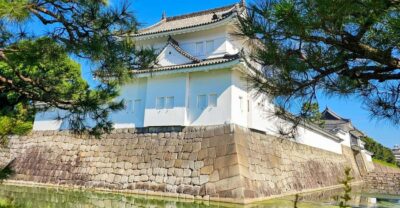
Kyoto: Imperial Palace & Nijo Castle Guided Walking Tour
Read our review →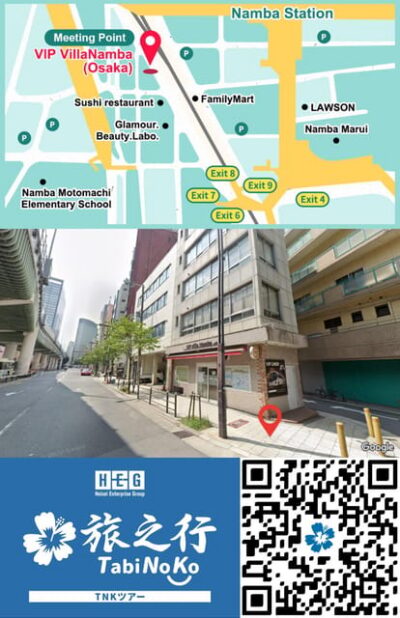
From Osaka: Himeji Castle, Arima Onsen & Mt. Rokko Day Tour
Read our review →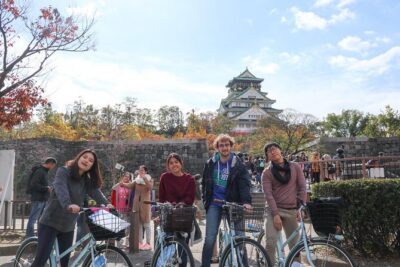
5-Hour Osaka Bike Tour to the Neighborhood of Osaka Castle
Read our review →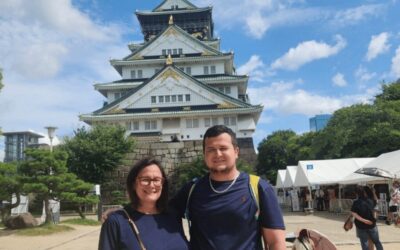
Best of Himeji Castle: 3hr Tour with Licensed Guide
Read our review →Browse the lists this tour appears in