

REVIEW · JAPANESE CASTLE TOURS
Matsumoto Castle Tour & Samurai Experience
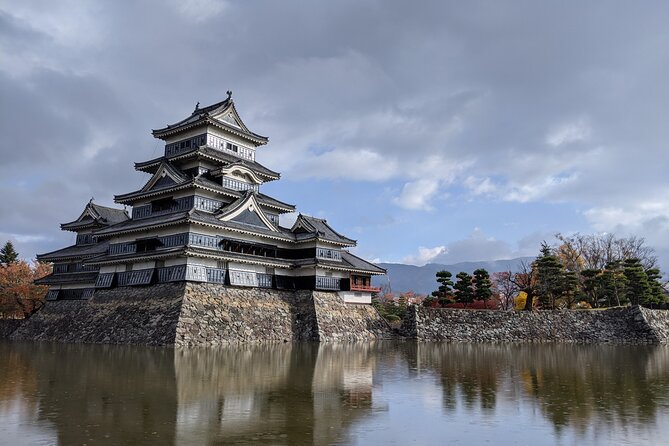
Matsumoto Castle is the star here: a 400-year-old National Treasure with an original five-tiered, six-story tower. You learn how its samurai lords lived, how the city was arranged, and how the castle was defended before trying basic katana stances in costume. The castle feels genuine, not like a modern reconstruction.
I like the useful pairing of serious history and hands-on fun, plus the guides who adjust well to their groups. Shin, Matt, Tim, Naomi, and others have been praised for clear explanations and good photos. The main drawback is physical: the tower stairs are steep and narrow, and you walk barefoot inside, which can be uncomfortable on cold days.
Key points
- Original 1593 to 1594 castle: Explore one of Japan’s oldest surviving castle towers and one of only five castles designated a National Treasure.
- Two-hour castle visit: Learn about Matsumoto’s lords, city planning, social classes, homes, and defensive design.
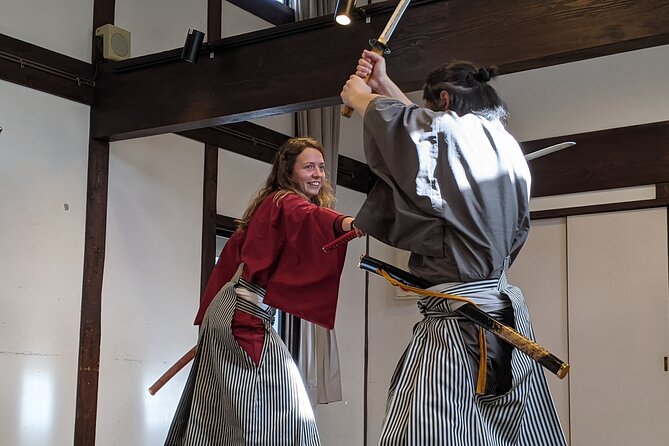
- One-hour katana lesson: Dress in samurai clothing, choose a sword, and practice basic attacking and defensive positions.
- English-speaking guidance: Guides such as Shin, Matt, Tim, Naomi, and Colin explain both the castle and wider Japanese culture.
- Small-group feel: Some departures have been very small, giving you plenty of time for questions and photographs.
- Physical demands: Narrow, steep stairs and barefoot walking make this unsuitable for wheelchair users or people with mobility impairments.
Why Matsumoto Castle Makes This More Than a Costume Activity
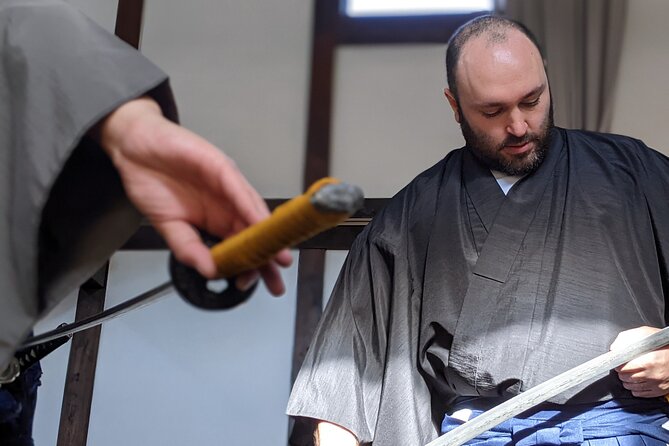
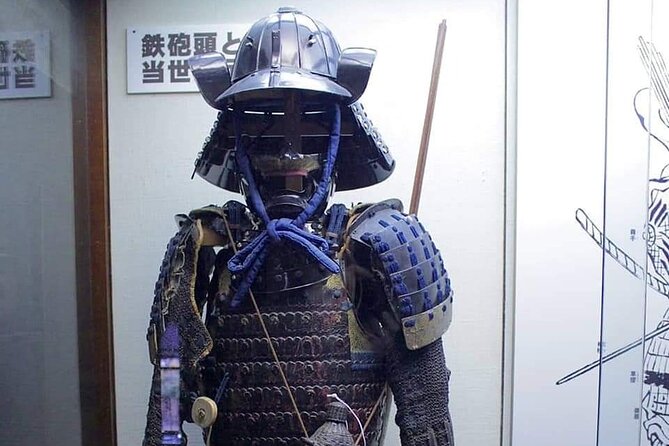
Many samurai-themed activities could take place anywhere. This one begins at a real feudal castle, which gives the sword lesson a useful setting. You first see where military families lived and defended themselves, then handle a sword while the castle’s history is still fresh in your mind.
Matsumoto Castle was originally built in 1593 and 1594. Its black-and-white exterior is striking, but the greater appeal is inside. The tower retains its original structure, including five tiers and six floors. It is one of only five Japanese castles designated a National Treasure.
That matters because you are not simply touring a polished modern museum. The building has an old, practical feel. Its rooms and passages help you picture the castle as a working stronghold rather than a decorative landmark.
Your guide adds the context that signs alone cannot provide. You learn about Matsumoto’s samurai lords, the growth of the city, the different social classes, and where people lived. The defensive features also make more sense when someone explains why the castle was built in such a careful and difficult-to-attack form.
Guides have included Shin, Matt, Tim, Naomi, Sayuko, Colin, and others. The strongest pattern is their ability to answer questions beyond the castle itself, including Japanese customs and feudal society. If you enjoy asking how a place worked, not just when it was built, the guided portion earns its keep.
More Japanese Castle Tours in Japan:
- Osaka Castle: Museum and Tower Entry Ticket
★ 4.5 · 2,380 reviews - Kyoto: Nijo-jo Castle and Ninomaru Palace Guided Tour
★ 4.7 · 1,020 reviews - Kyoto: Nijo Castle, Kiyomizu & Fushimi Inari Guided Tour
★ 4.7 · 700 reviews
Meeting at Matsumoto Station and Walking Into the Old City
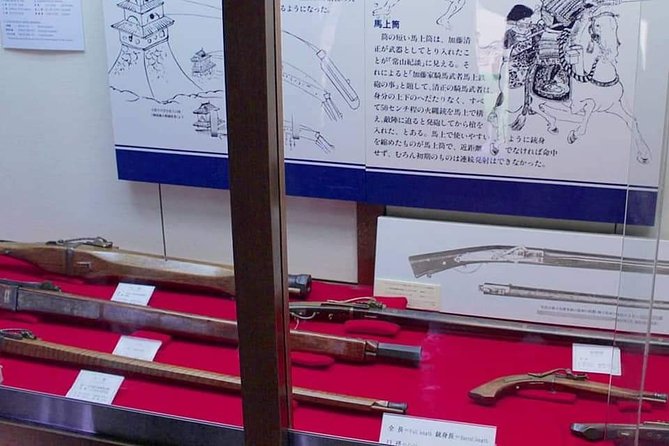
You meet at Matsumoto Station on the second floor, at the front of the JR Line ticket office, near the Starbucks inside the station. This is a clear meeting point, but take a moment to confirm you are on the correct floor and at the JR side of the station.
From there, you walk toward the castle with your guide. The route includes local landmarks and gives you a quick sense of Matsumoto before you enter the main attraction. The city is not enormous, and that is part of the appeal. You can cover the central sights without spending the morning in buses or taxis.
This walking section is also where a good guide starts to connect the modern city with its feudal past. Matt, for example, has been praised for explaining how Matsumoto developed while answering questions about Japan more broadly. Kai, a Matsumoto native, has also been singled out for sharing local information.
There is no sightseeing transport included, so wear comfortable shoes for the walk. The tour is compact, with a total duration of about three hours, but the castle can become crowded on weekends and holidays. The schedule may shift if the queue inside grows.
Inside the National Treasure Castle
Plan on roughly two hours at Matsumoto Castle, though this is an estimate rather than a guaranteed timetable. The pace needs to allow for crowds, narrow passages, and the steep climb to the upper levels.
The tower stairs are the biggest practical issue. They are steep, narrow, and more demanding than the stairs in a modern building. You should use the handrails, move patiently, and expect the climb to take effort. This is not a good choice if you have a mobility impairment, and it is not suitable for wheelchair users.
You also remove your shoes inside the castle. That is normal for an old Japanese building, but the wooden floors can feel very cold in winter. If you visit during a chilly month, bring an extra pair of socks, particularly if children are with you.
The tradeoff is that you get a more direct sense of the original structure. You are not moving through a fully modernized interior with broad stairways and extensive displays. The castle itself, its beams, floors, openings, and defensive layout do much of the teaching.
Your guide explains how the castle was used and what its features meant. You may hear about the different residential areas, the status of various groups, and the tactics that helped defend the tower. The value here is interpretation. Without it, you could walk through the rooms, admire the views, and miss why the design matters.
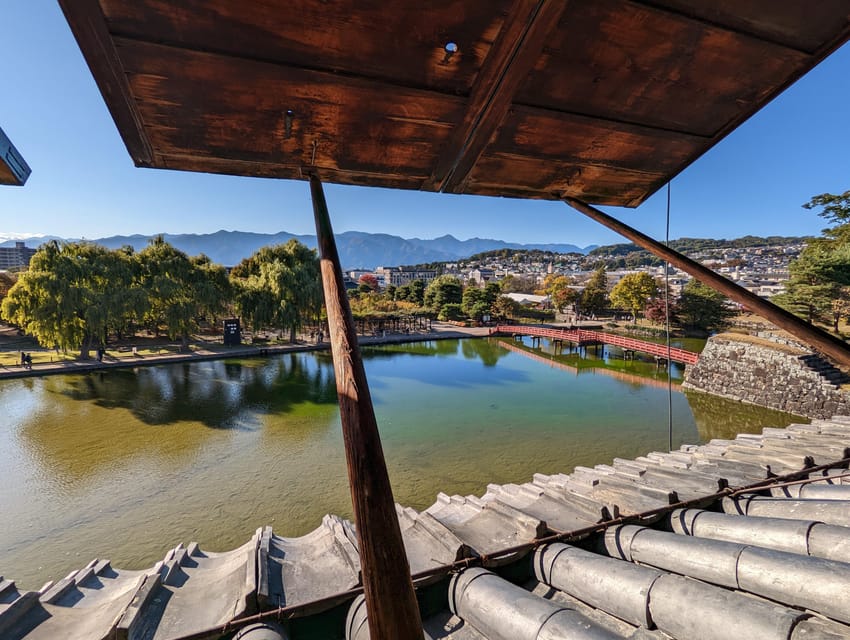
The upper levels reward the climb with views over Matsumoto and the surrounding area. The visit also leaves time for photographs and some souvenir shopping, although the amount of free time can depend on the crowd and the guide’s need to keep the next activity on schedule.
From Castle History to Samurai Practice
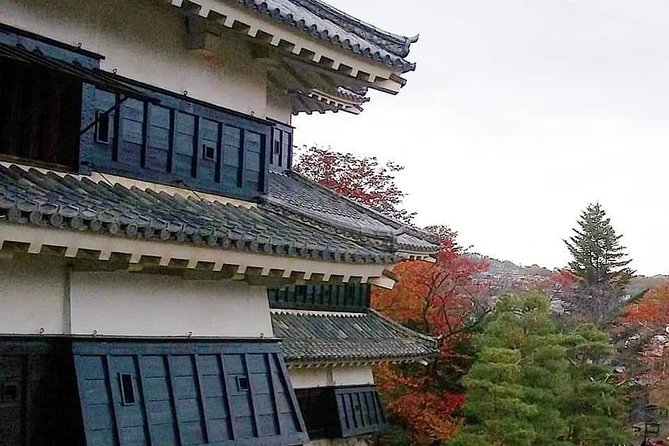
The second part lasts about one hour and takes place at a separate venue near the castle. One visitor remembered it as an old brewing house, which gives the activity a setting with more character than a generic studio.
You begin by putting on a samurai outfit. You then select a sword before the instructor introduces basic attacking and defensive positions. The lesson is not a full course in historical combat. It is a structured introduction designed to give you a feel for posture, movement, and the discipline required to handle a katana correctly.
The instructors are a major part of the experience. Kae, Kei, Kai, and other sword teachers have been praised for their patience, energy, and ability to make the class approachable. Some instructors speak limited English, but the English-speaking guide can translate and demonstrate the instructions clearly.
That language support is useful because sword movements depend on small details. The angle of your body, the position of your hands, and the timing of each motion all matter. The class gives you a modest appreciation for how difficult polished sword work can be.
The tone is playful, but the activity is not presented as a toy fight. You learn basic stances and techniques while the instructor explains the samurai connection to the weapon. You also get photographs and videos in many cases, with guides often helping to record the session.
Families can enjoy this section, and it has been a particular hit with children. Teenagers and adults also get something from it, especially if you are interested in martial arts, Japanese history, or unusual cultural activities. Just remember that the experience is beginner level. You are sampling the art, not becoming a samurai in an hour.
A few more castle tours around Japan worth a look
- Tokyo Castle & Imperial PalaceーShogun Walking Tour
★ 4.7 · 1,068 reviews - Ultimate Osaka Walking Tour: Castle, Dotonbori & Hidden Gems
★ 5.0 · 862 reviews - Tokyo Castle & Imperial PalaceーShogun Walking Tour
★ 5.0 · 724 reviews - Osaka Castle Walking Tour and Castle Tower Admission
★ 5.0 · 561 reviews
The Guides Make a Noticeable Difference
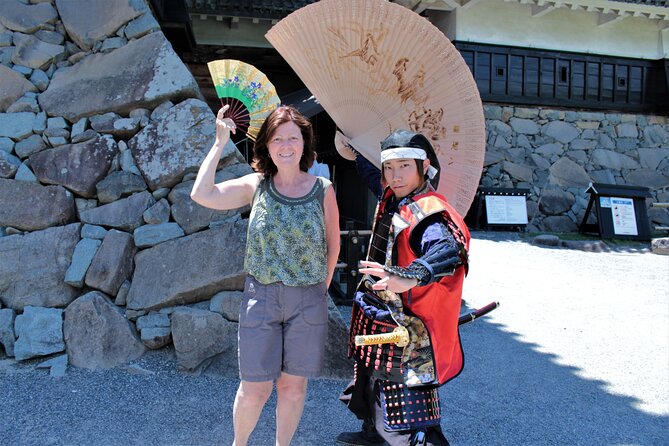
The castle is impressive on its own, but the guide can determine whether the visit feels like a walk through an old building or a lesson in how Matsumoto once worked.
Shin has been praised for leading very small groups and giving detailed explanations of both the castle and the city. Tim has received strong marks for organization, humor, and for adjusting his approach to the interests and energy of the group. Matt is a good fit for visitors who want fine historical detail and plenty of time for questions.
Naomi and Noemi have been noted for patience and clear explanations. One guide took extra care to provide seats and check on a pregnant participant. That does not remove the physical challenge of the castle, but it shows the personal attention that can be possible on a small departure.
English ability may vary slightly among the sword instructors, so the guide’s translation matters. This has generally worked well, with the guide bridging the language gap while the instructor demonstrates the movements.
Photography is another small benefit. Several guides have taken photos during the castle and sword portions, which means you can keep your hands free at times rather than trying to manage a phone throughout the activity.
Is $88 a Fair Price?
At $88 per person, this is not the cheapest way to see Matsumoto Castle. You are paying for more than admission, though. The price includes an English-speaking guide, castle entry, the samurai activity, and rental of the outfit and sword.
The value depends on how much explanation you want. If you are happy reading signs and exploring the castle alone, you can spend less by visiting independently. But a self-guided visit will not include the organized sword lesson, an instructor, or help connecting the castle’s design with samurai life.
I think the combination makes the price reasonable for a first visit to Matsumoto. The castle section gives you historical context, and the activity gives you something active to do afterward. It also saves you from trying to locate and arrange a samurai lesson separately.
The three-hour length is another strength. You get a substantial castle visit without giving up an entire day. If you are fitting Matsumoto between time in Nagano and other destinations, this is a manageable half-day plan.
The main limitation is that the itinerary is fairly fixed. If you want a slow, independent castle visit with lots of time for every room, the guide needs to keep the group moving. Crowds can also make the castle portion longer or alter the timing of the sword session.
Who Will Enjoy This Matsumoto Experience Most?
I would choose this for first-time visitors who want history explained in plain English and an activity that feels connected to the place. It suits couples, families with older children, and adults who like Japanese culture but do not want a lecture-only tour.
It is especially useful if you know little about feudal Japan. The guide explains enough about lords, classes, residences, and defenses to make the castle understandable, then the katana lesson gives you a physical sense of samurai training.
Families should think about the stairs and the cold floors before booking. Children may love the costume and sword practice, but the climb inside the castle can be tiring and the narrow steps can cause delays.
Martial arts fans may enjoy the instruction, though you should keep your expectations realistic. This is a short introductory activity with basic positions and movements, not a detailed study of kenjutsu.
I would not recommend it for anyone who cannot manage steep stairs or prolonged standing. The provider specifically lists the experience as unsuitable for people with mobility impairments and wheelchair users.
Practical Details Before You Book
Allow more than the stated three hours if you have a train to catch immediately afterward. The castle timing can change during busy weekends and holiday periods, so leave a buffer.
Wear easy-to-remove shoes and bring warm socks in colder months. You will walk from the station and go barefoot inside the castle, so comfort matters in two different ways.
The experience runs in English, with departure times available according to the date you select. The group size can be small, but you should not assume every departure will feel private.
You can cancel up to 24 hours before the activity for a full refund, and reserve now while paying later. Meals, snacks, souvenirs, and insurance are not included.
The meeting point is inside Matsumoto Station, not at the castle gates. That distinction matters if you arrive independently or come from Nagano, since Matsumoto is a separate city and station from Nagano.
Should You Book the Castle and Samurai Combination?
I would book it if you want Matsumoto Castle explained properly and like the idea of finishing with a hands-on cultural activity. The original tower, clear historical storytelling, and patient sword instructors make a stronger package than either a basic castle visit or a costume photo session alone.
Choose another plan if you need step-free access, dislike removing your shoes, or prefer to explore at your own pace. For everyone else, $88 buys a well-balanced morning: two hours of one of Japan’s most important surviving castles followed by an hour of beginner katana practice.
The best reason to choose this experience is the connection between the two halves. You first see the world the samurai built, then try a small part of the discipline that helped define it.
FAQ
How long does the Matsumoto Castle and Samurai Experience last?
The stated duration is three hours, with about two hours at Matsumoto Castle and one hour for the samurai activity.
Where is the meeting point?
Meet at Matsumoto Station on the second floor, at the front of the JR Line ticket office, near the Starbucks inside the station.
Is the tour conducted in English?
Yes. The experience includes an English-speaking live guide.
Is admission to Matsumoto Castle included?
Yes. Castle entry is included in the price.
Are the samurai outfit and sword included?
Yes. Samurai outfits and swords are provided for use during the activity.
How steep are the castle stairs?
The stairs to the top of Matsumoto Castle’s tower are steep and narrow.
Is the experience suitable for wheelchair users?
No. The activity is listed as unsuitable for wheelchair users and people with mobility impairments.
Do I need to remove my shoes inside the castle?
Yes. You walk without shoes inside the castle, so warm or extra socks can be useful during cold weather.
Can the tour take longer than three hours?
Yes. The two time estimates can change depending on how busy Matsumoto Castle is, especially on weekends and holidays.
What does the $88 price include?
The price includes the English-speaking guide, Matsumoto Castle admission, samurai activity admission, and rental of the samurai outfit and sword. Meals, snacks, souvenirs, and insurance are not included.
Just added around Japan
- Tokyo: Edo Castle and Imperial Palace Guided Walking Tour★ 5.0 · 6 reviews
- (Ticket Included) Explore Osaka Castle & Museum of History★ 4.8 · 21 reviews
- Peace Memorial Park, Hiroshima Castle, & Garden Private Tour★ 4.8 · 7 reviews
- Osaka: Osaka Castle Guided Tour with Local Guide★ 4.7 · 78 reviews
- Osaka: Osaka Castle – Tsuruhashi – Tennoji (Spanish Guide)★ 4.7 · 10 reviews
- Osaka: Early Morning Osaka Castle Guided Tour, Avoid Crowds★ 4.9 · 12 reviews
- Osaka: Explore Every Bit of Osaka Castle in 3 Hours★ 5.0 · 5 reviews
- Osaka: Osaka Castle 3 hours Historical Walking Tour★ 4.6 · 14 reviews
Japanese Castle Tours, compared.
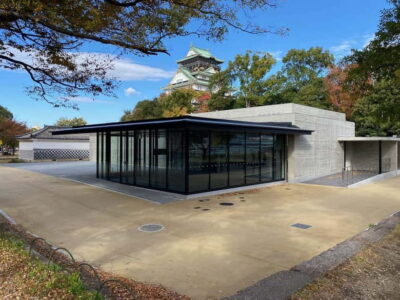
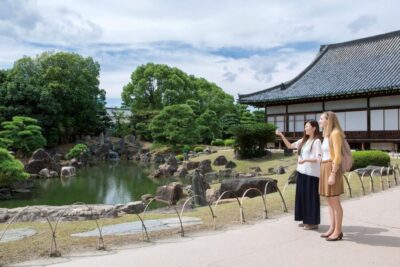
Kyoto: Nijo-jo Castle and Ninomaru Palace Guided Tour
Read our review →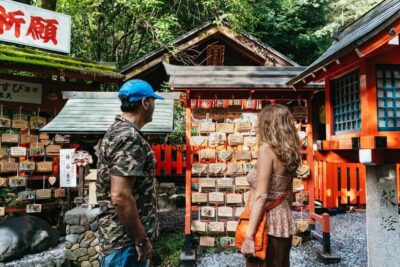
Kyoto: Nijo Castle, Kiyomizu & Fushimi Inari Guided Tour
Read our review →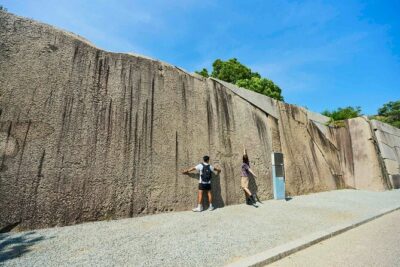
Osaka Castle Walking Tour and Castle Tower Admission
Read our review →
Kyoto: Imperial Palace & Nijo Castle Guided Walking Tour
Read our review →
From Osaka: Himeji Castle, Arima Onsen & Mt. Rokko Day Tour
Read our review →
5-Hour Osaka Bike Tour to the Neighborhood of Osaka Castle
Read our review →
Browse the lists this tour appears in