
REVIEW · JAPAN CASTLE TOURS
From Kanazawa: Eiheiji Buddhist Temple & Fukui Castle Town
Fukui is the real surprise here. The day moves from castle walls and dinosaur statues to a quiet temple where a monk can explain how two rooms from Fukui Castle ended up in Zuigenji. It finishes at Eiheiji, one of Japan’s leading Zen temples, where cedar trees, wooden halls, and working monks create a powerful sense of place.
I like the mix of major sights and small discoveries. The meeting with a practicing monk gives the morning a human touch, while the train and bus connections take the stress out of reaching Eiheiji. Guides such as Garrett and Mike are praised for making the day friendly, relaxed, and easy to follow.
The main drawback is the pace. You cover a lot in one day, and roughly 110 minutes at Eiheiji may leave you wishing for more time. You will also need to pay for lunch and be ready for walking, stairs, and a long day away from Kanazawa.
Key points to know before booking
- Fukui Castle’s surviving walls are still in active city use, with the prefectural office and police headquarters inside the old grounds.
- Zuigenji contains two rooms moved from Fukui Castle, including a preserved private room used by the daimyo.
- A conversation with a Zen monk can make the small temple visit far more personal than a standard photo stop.
- Atagozaka gives one of the best views over Fukui, but reaching it means climbing a series of staircases.
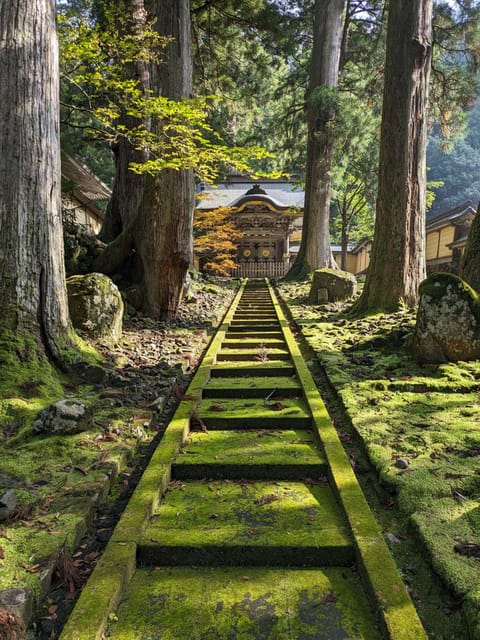
- Eiheiji combines grand wooden buildings with ancient cedar trees, and you may see novice monks carrying out their daily duties.
- The $143 price covers transport, guiding, and both temple entry fees, but lunch is on your own.
Why this day trip works from Kanazawa
Kanazawa has enough museums, gardens, and old districts to fill several days. Still, this excursion gives you something different: a look at Fukui, a prefecture often skipped by visitors, followed by a major Buddhist temple in the mountains.
The trip begins at Kanazawa Station at 8:30 a.m. Your guide meets you near the Information Center by the Shinkansen ticket gates. That is a sensible meeting point, but give yourself enough time to find it, especially if you are arriving from a hotel or connecting from another train.
The ride to Fukui takes about 30 to 40 minutes. It is not just dead travel time. The train gives you views toward the mountains west of the city, and your guide can set up the story of Fukui before you arrive.
This is a full day, not a relaxed afternoon outing. You return to Kanazawa around 6 p.m., assuming the connections run as planned. I would book it when you want a strong regional day trip and are happy to trade a little free time for organized transport and explanation.
A few more castle tours around Japan worth a look
- Osaka Castle: Museum and Tower Entry Ticket
★ 4.5 · 2,380 reviews - Tokyo Castle & Imperial PalaceーShogun Walking Tour
★ 4.7 · 1,068 reviews - Kyoto: Nijo-jo Castle and Ninomaru Palace Guided Tour
★ 4.7 · 1,020 reviews
Dinosaur Square gives Fukui an unexpected welcome
Fukui Station greets you with dinosaurs. The prefecture is home to Japan’s largest archaeological dig, and several dinosaur species have been named after the area. Around Dinosaur Square, you will find a collection of statues that range from impressive to deliberately funny.
The stop lasts only about 10 minutes, so think of it as an introduction rather than a museum visit. You have enough time to walk around the station area, take photos, and get a feel for Fukui’s unusual local pride.
I like this opening because it breaks the usual temple-and-castle rhythm. It also gives the city some personality before the historical walking begins. If dinosaurs are not your thing, the stop is brief enough not to drag.
Fukui Castle shows how a city reuses its past
From the station, the walk continues to Fukui Castle ruins. The original stone walls and moat remain, and a bridge has been rebuilt to match its Edo-period appearance.
The castle has an unusual defensive story. For many years, it had no keep. Instead, the gates around the grounds were strengthened to serve as the final defensive line. That makes the site different from the standard Japanese castle visit, where the central tower usually dominates the view.
The strangest detail is also one of the most useful for understanding modern Japan. The prefectural office and police headquarters sit inside the former castle area. You are looking at old walls beside working government buildings, not a sealed-off historical reconstruction.
That mix makes the stop more interesting than a simple ruin. You can see how Fukui has kept part of its past in daily civic life. At the same time, people hoping for a fully restored castle should adjust expectations. This is a castle site with walls, moat, bridge, and urban offices, not a complete reconstructed fortress.
The guide’s explanation matters here. Without context, you might walk around, admire the stonework, and move on. With the military details and local history, the site becomes easier to read.
The rainbow shrine adds a hopeful pause
A short walk from the castle is a shrine known for origami cranes hanging at the entrance. Their rainbow of colors creates one of the most memorable visual moments of the morning.
The cranes are linked with hope for a better future. That gives the stop a different mood from the castle ruins. Instead of focusing on power and defense, you are looking at a place shaped by wishes, faith, and collective effort.
The tour description does not name the shrine, so your guide will be the best source for its exact background on the day. Still, the stop is clearly designed to show another side of Fukui. It is small, visual, and easy to appreciate even if you are not deeply familiar with Japanese religious customs.
Same region, a different set of walls:
- Ultimate Osaka Walking Tour: Castle, Dotonbori & Hidden Gems
★ 5.0 · 862 reviews - Tokyo Castle & Imperial PalaceーShogun Walking Tour
★ 5.0 · 724 reviews - Kyoto: Nijo Castle, Kiyomizu & Fushimi Inari Guided Tour
★ 4.7 · 700 reviews - Osaka Castle Walking Tour and Castle Tower Admission
★ 5.0 · 561 reviews
Zuigenji lets you step inside the daimyo’s private world
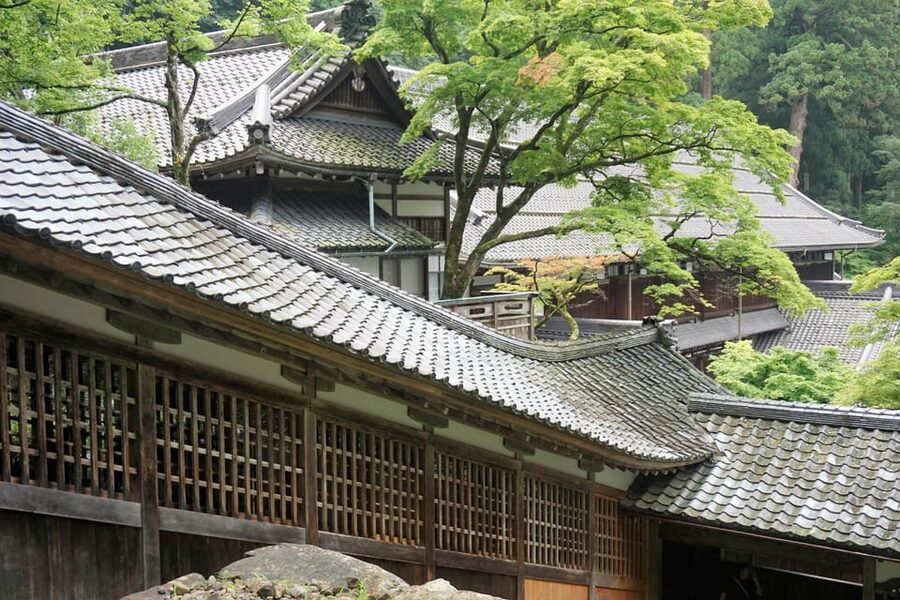
Zuigenji is the morning’s most personal stop. The temple contains two rooms moved from the former Fukui Castle. These were not grand public halls. They were rooms where the daimyo handled private business and sometimes slept.
One room has been preserved as it was, with the colors and fine details associated with the upper class of the period. This is where a guide can help you notice what you might otherwise miss: the decoration, the purpose of the room, and the difference between ceremonial and private space.
The visit lasts about 30 minutes, but it can make a strong impression. You are not only seeing an old object behind glass. You are entering rooms that were physically relocated so they could survive after the castle changed or disappeared.
The best part may be the chance to speak with a practicing Zen monk. Several visitors especially valued hearing directly from the monk about the temple, Fukui Castle, and the way the rooms came to be there. That conversation is not something I would assume is guaranteed every day, so treat it as a special possibility rather than a fixed performance.
Zuigenji also gives the tour a useful human scale. Eiheiji is vast and famous. Zuigenji is smaller, quieter, and more intimate. Seeing both temples in one day helps you understand how Japanese Buddhist sites can serve very different roles.
Atagozaka trades comfort for the best city view
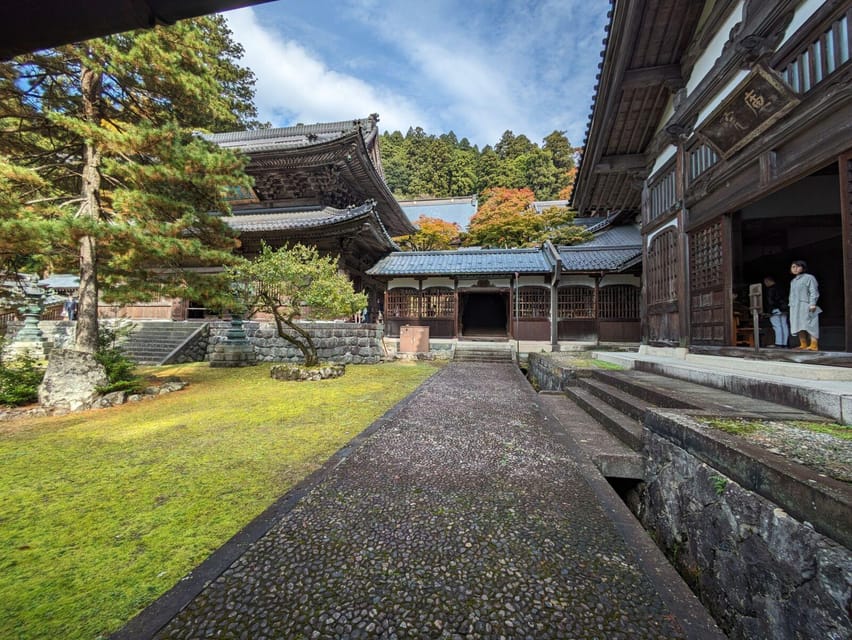
Atagozaka is a series of staircases leading up a large group of hills. It is also home to one of the prefecture’s oldest shrines and offers what is likely the clearest view of Fukui’s modern skyline.
This is a short section, around 30 minutes, but the stairs make it more demanding than the timing suggests. Wear shoes with a good grip and keep some water handy. The climb is not described as a major hike, yet it is still a poor match for anyone who wants a completely flat morning.
I like the stop because it gives you perspective. After walking among castle walls and old temple rooms, you look back over the present-day city. The view helps connect the historic sites with the Fukui you see from the train and streets.
The climb may feel less worthwhile in poor weather or limited visibility. On a clear day, though, it is one of the tour’s best photo opportunities and a good reason not to judge Fukui only from ground level.
Lunch is your own chance to choose
After the morning’s sightseeing, you get about an hour for lunch and free time in Fukui. Lunch is not included, which keeps the price from rising further and lets you choose what suits you.
The tradeoff is that the tour does not remove every decision from your day. You need to buy your own meal and keep an eye on the schedule before the bus to Eiheiji. Ask your guide for suggestions, especially if you have dietary needs or want to try a local specialty.
I see this as a useful break. The morning includes several guided stops and walking sections, so an hour to sit down and eat prevents the whole day from becoming a continuous march. Just do not turn lunch into a long, leisurely restaurant meal. The afternoon connection matters.
Eiheiji brings the day to its spiritual center
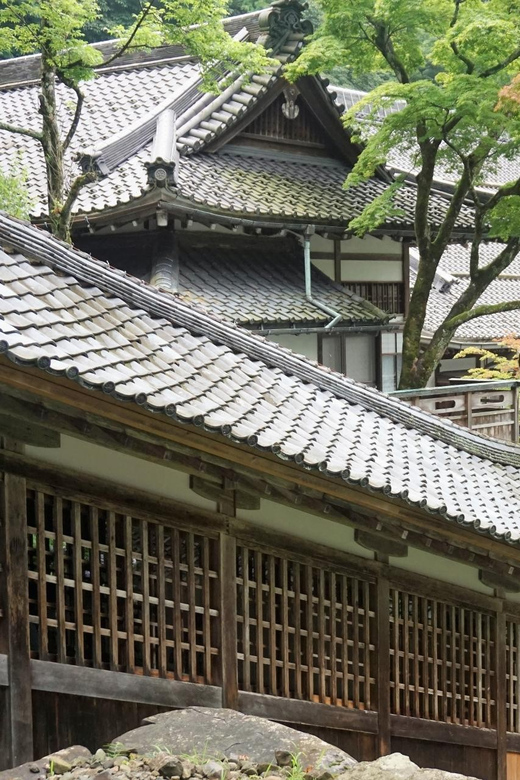
After lunch, a direct bus takes you to Eiheiji in about 30 minutes. This is the part most people will be waiting for, and it earns the attention.
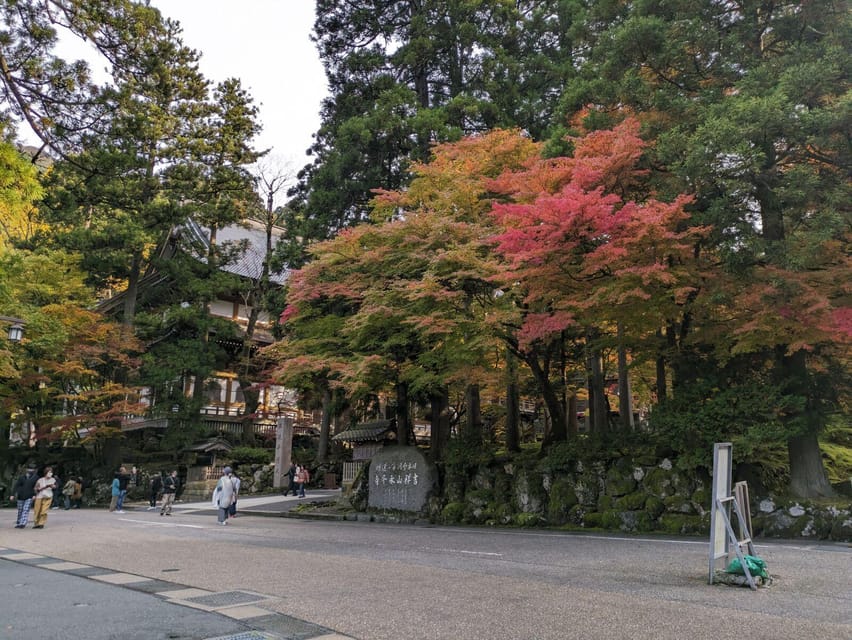
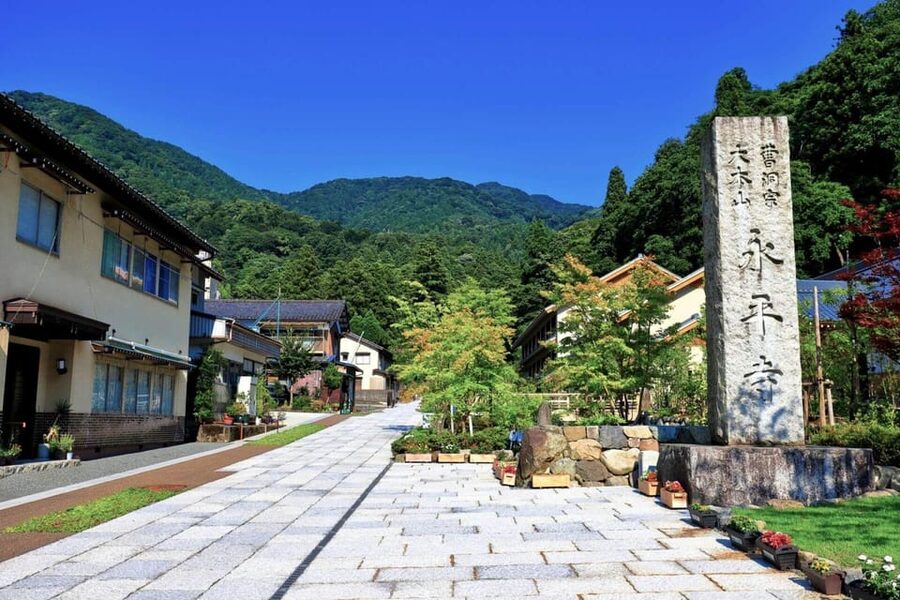
Eiheiji has been one of the head temples of Zen Buddhism since the 1200s. Its buildings and surrounding cedar trees create a setting that feels removed from city life, even though the visit fits into a day trip from Kanazawa.
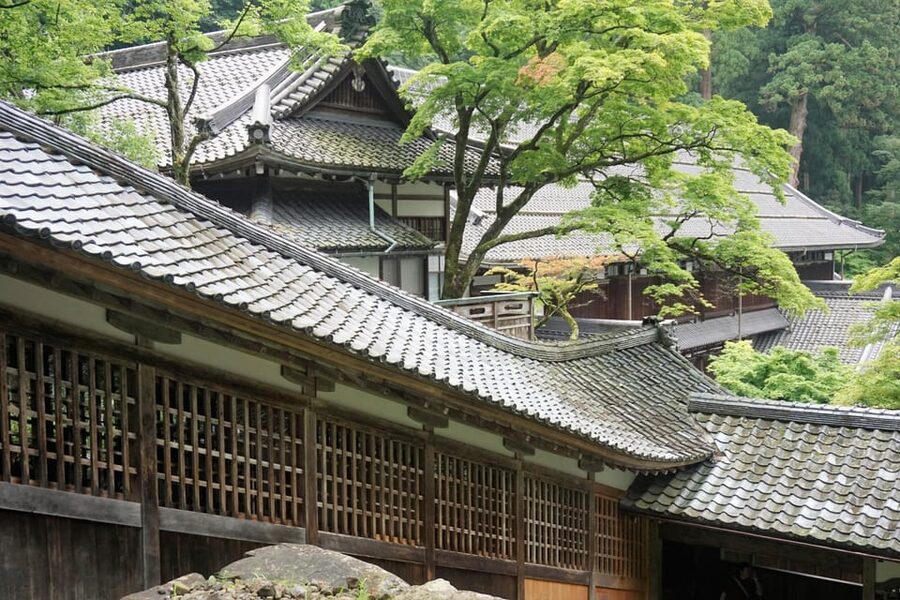
The temple complex is large. You will move through wooden halls, corridors, courtyards, and stairways while your guide explains the temple’s role in Zen Buddhism and Japanese history. The appeal is not one single monument. It is the way architecture and old trees work together from many angles.
You may also see novice monks carrying out daily duties or praying. That matters because Eiheiji is not simply a preserved attraction. It remains a working religious center. You should behave quietly, follow photography instructions, and remember that religious practice is taking place around you.
The included entry fee is useful here. Eiheiji is the major paid temple visit on the route, and having admission handled means less time spent sorting out the practical details.
The scheduled visit lasts about 110 minutes, including guided time and free time. That is enough for a meaningful first look, but not enough to explore every corner at a slow pace. The temple is large, and there are many details in the buildings, rooflines, painted panels, and mountain setting.
One practical warning is important: the bus schedule can make the afternoon feel compressed. You may wish you had another hour, especially if you want to pause quietly rather than follow the group from one point to the next. The advantage is that the direct buses make the visit possible without arranging your own route.
What the guides add to the day
The guide is central to the value of this experience. You are not only being transported from one place to another. You are getting the connections between Fukui Castle, Zuigenji, Zen practice, and Eiheiji.
Garrett has been praised for being warm, easy to talk with, and full of useful information about Fukui, religion, and the region. Mike is also described as friendly, passionate, and attentive, including to older people who needed a steadier pace. Guide assignments can change, so you should not assume one particular person will lead your date, but the supplied guide information names both Garrett and Mike.
The best moments come when the guide slows down to explain something that is easy to overlook. The castle’s lack of a keep, the relocated daimyo rooms, and the role of the monk at Zuigenji all reward explanation.
This is a good tour for you if you prefer conversation and context over a quick checklist of photo stops. It may feel less ideal if you want to set your own pace at every location.
Is $143 a fair price?
At $143 per person, the price is reasonable for a long, transport-heavy day. It includes the train and local transport from Kanazawa for the Kanazawa-start option, the buses to and from Eiheiji, the local Fukui bus, an English-speaking guide, and entry to both Zuigenji and Eiheiji.
You still pay for lunch, and you do not receive accommodation. Those exclusions are standard for a day trip, but they matter when working out your total budget.
The strongest value comes from the connections. Reaching Fukui is straightforward, but combining Fukui Castle, Zuigenji, Atagozaka, and Eiheiji on your own would require careful timing between walking, train, and bus segments. The tour also gives you access to explanations and a possible meeting with a monk, which public transport alone cannot provide.
If you are comfortable planning transport and want to stay longer at Eiheiji, independent travel might offer more freedom. If you want the day to run smoothly and value local interpretation, the price is easier to justify.
Who should book this Fukui day trip?
I would choose this tour if you:
- Have a full day available from Kanazawa
- Want to see a less familiar Japanese city
- Enjoy castles, Buddhist temples, and local history
- Appreciate an English-speaking guide
- Are willing to walk, climb stairs, and keep to a schedule
- Want to see Eiheiji without arranging the bus connections yourself
I would hesitate if you want a slow day with long meals and extended time at one temple. Eiheiji deserves more than 110 minutes, and the route includes several separate stops before you reach it.
The tour also suits visitors who want a balanced day. You get playful dinosaur statues, civic history, a shrine full of paper cranes, private castle rooms, a hilltop view, and a major Zen temple. That range keeps the day from feeling repetitive.
Should you book it?
Book this tour if you want a well-organized introduction to Fukui and Eiheiji, especially if you value the stories behind the sights. The conversation with a monk at Zuigenji, the unusual castle ruins, and the working religious life at Eiheiji give the day more substance than a simple sightseeing loop.
Skip it if your top priority is maximum time at Eiheiji or complete control over your schedule. For most people spending several days in Kanazawa, though, this is a worthwhile regional outing. It reaches places that are awkward to combine independently and gives you enough local context to understand what you are seeing.
Free cancellation up to 24 hours before departure and reserve-now, pay-later booking make it easier to fit into a changing Japan itinerary. Check the exact starting option carefully, since the meeting point can vary if you choose to begin in Fukui rather than Kanazawa.
FAQ
Where does the tour begin?
The Kanazawa option begins at Kanazawa Station at 8:30 a.m. The guide meets you in front of the Information Center near the Shinkansen ticket gates. A Fukui Station starting option is also available, and the meeting point may vary by booking choice.
How long does the tour last?
It is a one-day experience. The Kanazawa schedule begins at 8:30 a.m. and should return you to Kanazawa around 6 p.m. The listed route includes train and bus travel, several guided stops, lunch time, and about 110 minutes at Eiheiji.
Is lunch included?
No. Lunch is not included, but the schedule provides about one hour for lunch and free time in Fukui.
What transportation is included?
The Kanazawa-start option includes transportation to and from Fukui Station, the local Fukui bus, and buses between Fukui and Eiheiji. Train transportation between Kanazawa and Fukui is also included for that option.
Are temple admission fees included?
Yes. Entry to Eiheiji Temple and Zuigenji Temple is included, along with guided visits at both locations.
Is the tour conducted in English?
Yes. The tour includes a live English-speaking guide. Availability of a particular named guide, such as Garrett or Mike, is not guaranteed.
Just added around Japan
- Tokyo: Edo Castle and Imperial Palace Guided Walking Tour★ 5.0 · 6 reviews
- (Ticket Included) Explore Osaka Castle & Museum of History★ 4.8 · 21 reviews
- Peace Memorial Park, Hiroshima Castle, & Garden Private Tour★ 4.8 · 7 reviews
- Osaka: Osaka Castle Guided Tour with Local Guide★ 4.7 · 78 reviews
- Osaka: Osaka Castle – Tsuruhashi – Tennoji (Spanish Guide)★ 4.7 · 10 reviews
- Osaka: Early Morning Osaka Castle Guided Tour, Avoid Crowds★ 4.9 · 12 reviews
- Osaka: Explore Every Bit of Osaka Castle in 3 Hours★ 5.0 · 5 reviews
- Osaka: Osaka Castle 3 hours Historical Walking Tour★ 4.6 · 14 reviews
Japan Castle Tours, compared.
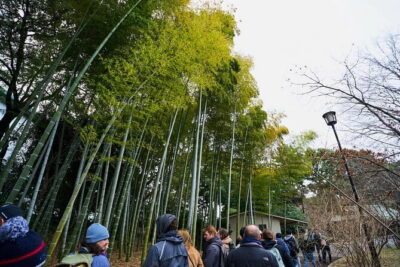
Tokyo Castle & Imperial PalaceーShogun Walking Tour
Read our review →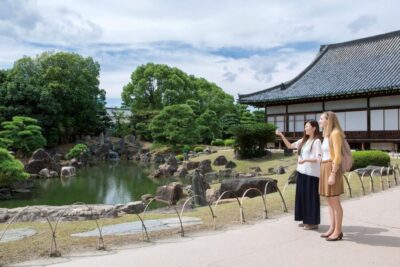
Kyoto: Nijo-jo Castle and Ninomaru Palace Guided Tour
Read our review →
Ultimate Osaka Walking Tour: Castle, Dotonbori & Hidden Gems
Read our review →Tokyo Castle & Imperial PalaceーShogun Walking Tour
Read our review →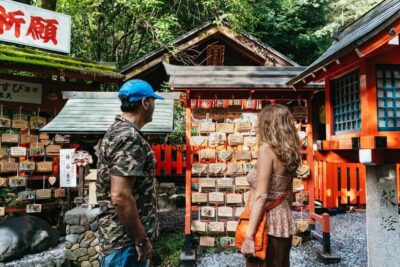
Kyoto: Nijo Castle, Kiyomizu & Fushimi Inari Guided Tour
Read our review →
Osaka Castle Walking Tour and Castle Tower Admission
Read our review →
Imperial Palace East Garden and Edo Castle Walking Tour in Tokyo
Read our review →Browse the lists this tour appears in