
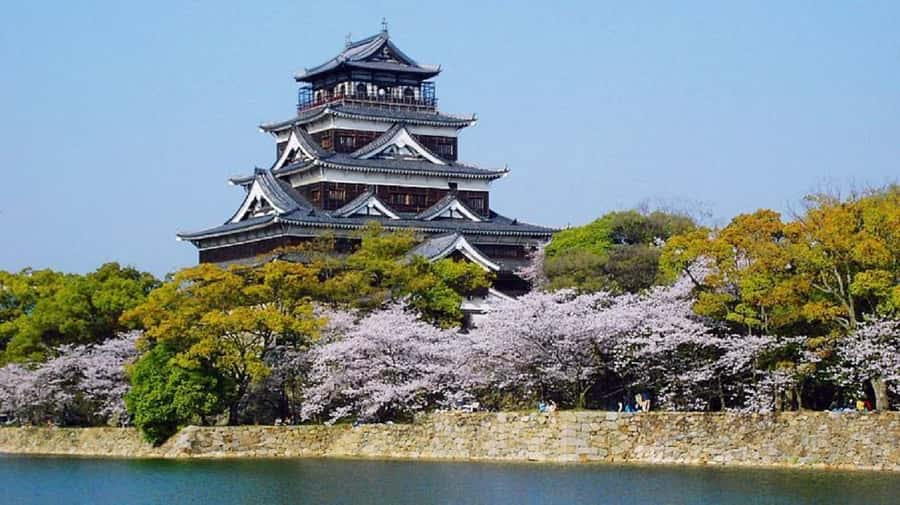
REVIEW · CASTLE GARDENS & GROUNDS
Peace Memorial Park, Hiroshima Castle, & Garden Private Tour
Hiroshima is a city where a peaceful garden, a samurai castle, and the remains of an atomic bomb can all fall within one compact visit. This private tour gives you that sharp contrast in 150 minutes, with an English-speaking guide leading the way from Shukkeien Garden to Hiroshima Castle and the Peace Memorial Park.
I like two things right away: the entry fees are included, and the private format lets the guide adjust the pace for your group. Guides such as Preety and Zunera have been praised for clear explanations, kind help, and useful advice about places such as Miyajima Island. The main drawback is time. You cover several major sites quickly, and the Peace Memorial Museum deserves quiet attention rather than a rushed glance.
Key points at a glance
- Three very different sides of Hiroshima: A traditional garden, a reconstructed feudal castle, and the city’s central memorial sites all fit into one outing.
- Private English-speaking guide: You have room to ask questions and request help with the pace, including family-friendly adjustments.
- Peace Memorial Museum entry included: You avoid buying a separate ticket and can focus on the exhibits.
- A serious final stop: Speaking is prohibited inside the museum, so plan to read the English displays in silence and allow the subject matter to sink in.
- Walking-based sightseeing: Wear comfortable shoes and prepare for summer heat, winter cold, or rain.
- Useful for first-time visitors: The guide can help you connect the memorial sites and offer suggestions for food, sightseeing, and Miyajima.
A fast but meaningful introduction to Hiroshima
This tour works best as a compact orientation to central Hiroshima. You are not simply checking off three attractions. You move from Japanese garden design, to the power of the samurai-era castle, to the painful modern history represented by the Peace Memorial Park.
That change in mood is the heart of the experience. Shukkeien offers ponds, bridges, carefully placed plants, and small scenic viewpoints. Hiroshima Castle then gives you a look at the city’s feudal past. The Peace Park shifts the focus entirely, asking you to think about the atomic bombing of August 1945 and the human cost that followed.
At $82 per person, the price is reasonable if your group values a private guide and wants the admission costs handled in advance. You receive entry to Shukkeien Garden, Hiroshima Castle, and the Peace Memorial Museum, plus a walking tour and tour photos. For a solo visitor, the price may feel high compared with visiting independently. For a family or small group, the private format gives it better value, especially when you want explanations rather than just directions.
The walking pace matters. The advertised duration is 150 minutes, while the individual stops include several short explanations around the Peace Park. You should expect an efficient visit, not a leisurely afternoon at each attraction. Comfortable shoes, water, a hat, and an umbrella are sensible choices.
More Castle Gardens and Grounds in Japan
- Imperial Palace East Garden and Edo Castle Walking Tour in Tokyo
★ 5.0 · 510 reviews - Himeji: Himeji Castle & Kokoen Garden 3.5-Hour Guided Tour
★ 4.9 · 30 reviews - Tokyo: Edo Castle Ruins & Imperial Palace East Garden Tour
★ 4.4 · 13 reviews
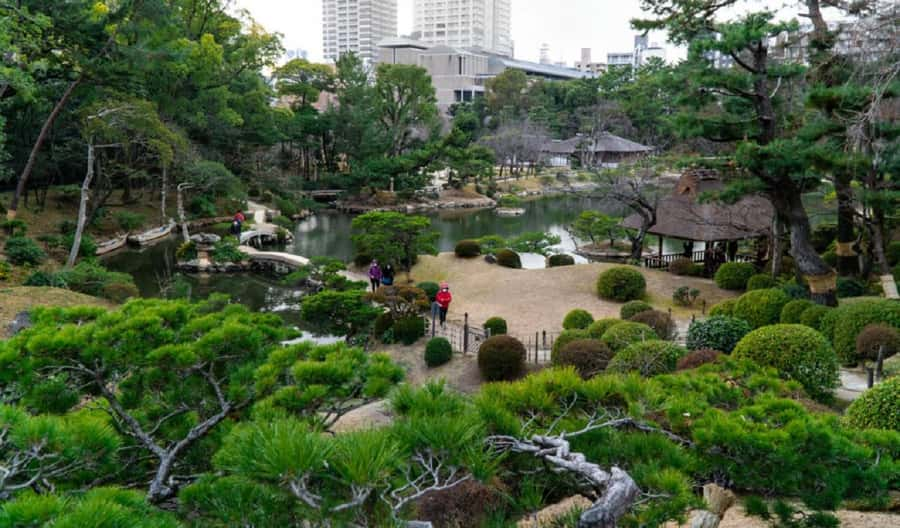
Shukkeien Garden begins the quieter side of the tour
Shukkeien Garden is scheduled for about 25 minutes. That is enough for a guided introduction and a short walk, but not enough for a slow, unhurried exploration of every corner.
The garden is known for its carefully arranged ponds, bridges, paths, and small scenic compositions. It gives you a useful introduction to Japanese garden design, where the view changes as you walk rather than presenting one grand scene from a single entrance.
I like starting here because the garden gives you space to settle into Hiroshima before the tour turns toward heavier subjects. The water and bridges create a calm opening, and the guide can point out details you might pass without noticing on your own.
The limitation is simple: 25 minutes passes quickly. If gardens are your main interest, you may want to return later with extra time. One positive comment about the experience singled out the gardens as spectacular, and that makes sense. Shukkeien may be brief on this tour, but it is an attractive first taste of the city’s older traditions.
The garden is also a good place to take the first tour photos. Bring comfortable clothing and shoes, since the visit is conducted on foot.
Hiroshima Castle brings the samurai era into view
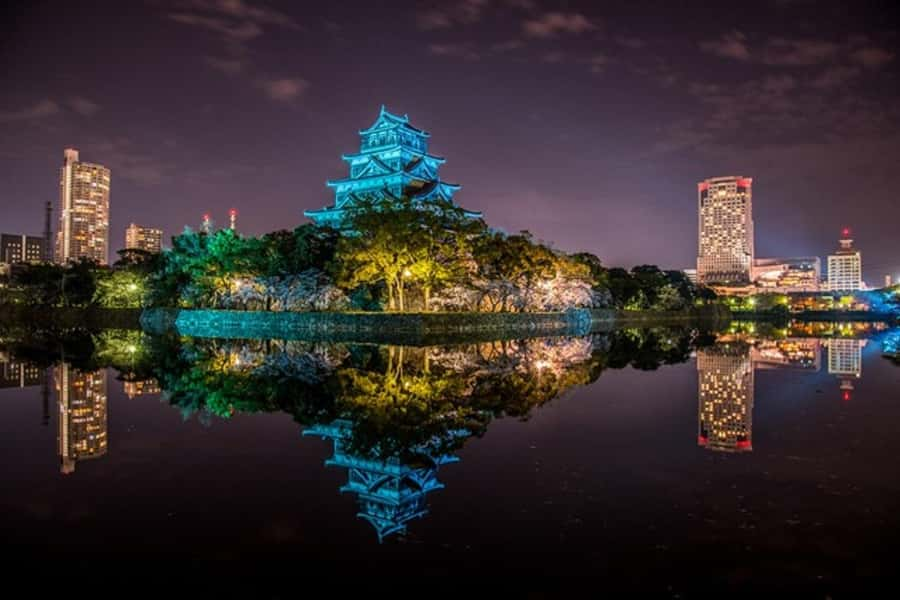
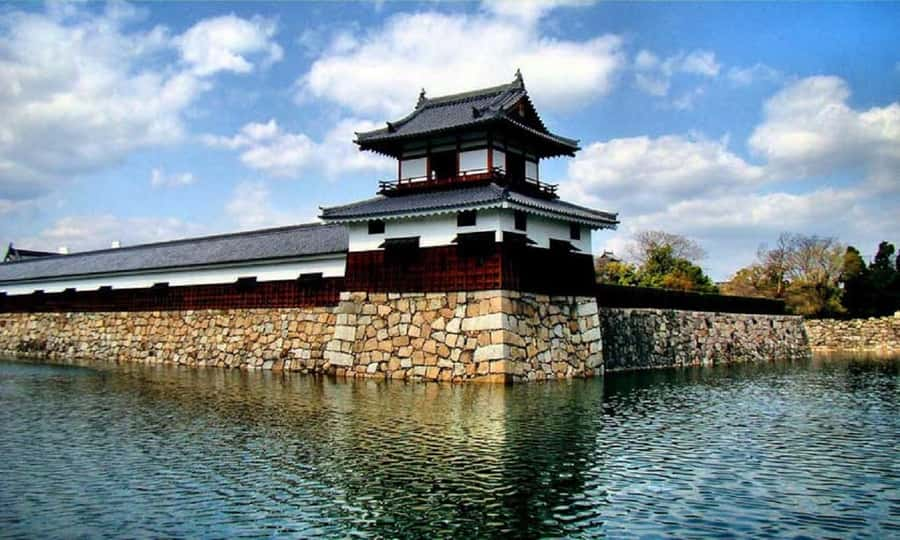
From Shukkeien, the tour continues to Hiroshima Castle for around 30 minutes. The castle gives the experience a very different tone. Instead of reflecting on modern war, you are looking at Japan’s feudal past and the world of regional lords, samurai, and fortified compounds.
You can explore the castle rooms and ascend its tower. The height gives you a broader look across central Hiroshima, although this is still a short stop rather than a full museum visit. The castle was destroyed in the atomic bombing and later reconstructed, so its presence also connects the older city with Hiroshima’s modern story.
That connection is worth keeping in mind. Hiroshima Castle is not only a pretty building added to a sightseeing route. Its reconstruction reflects the city’s effort to preserve and restore parts of its earlier identity after enormous destruction.
Gokoku Shrine is located within the castle grounds and forms part of this stop. It adds a religious and ceremonial element to the visit. Your guide can help explain how the shrine and castle grounds fit together, which is useful if you are unfamiliar with the layout.
Half an hour is enough to get a clear sense of the site, but not enough for a detailed study of every room or display. If castles are high on your list, you may want to return independently. For a first visit, the stop works well because it gives you historical variety without taking over the whole tour.
The Peace Memorial Park changes the mood
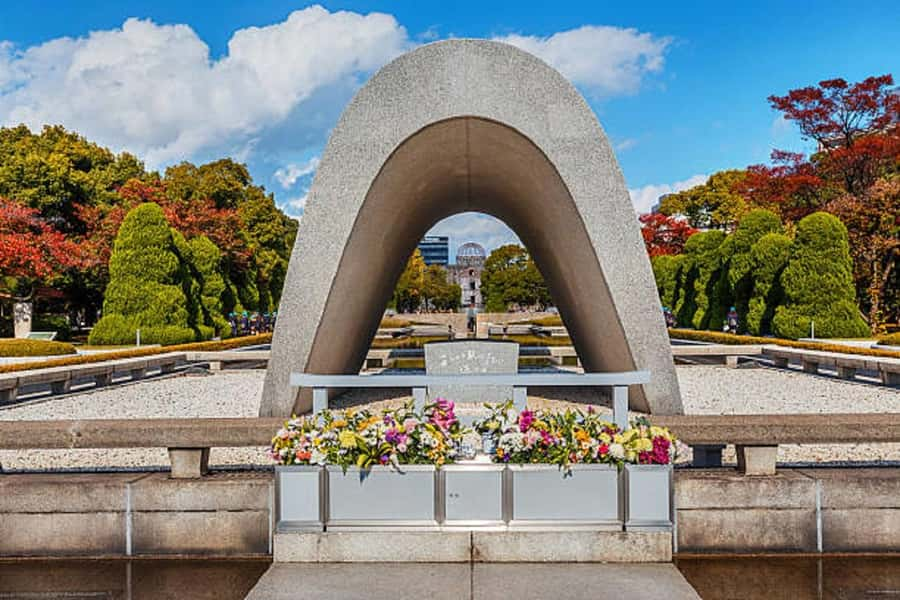
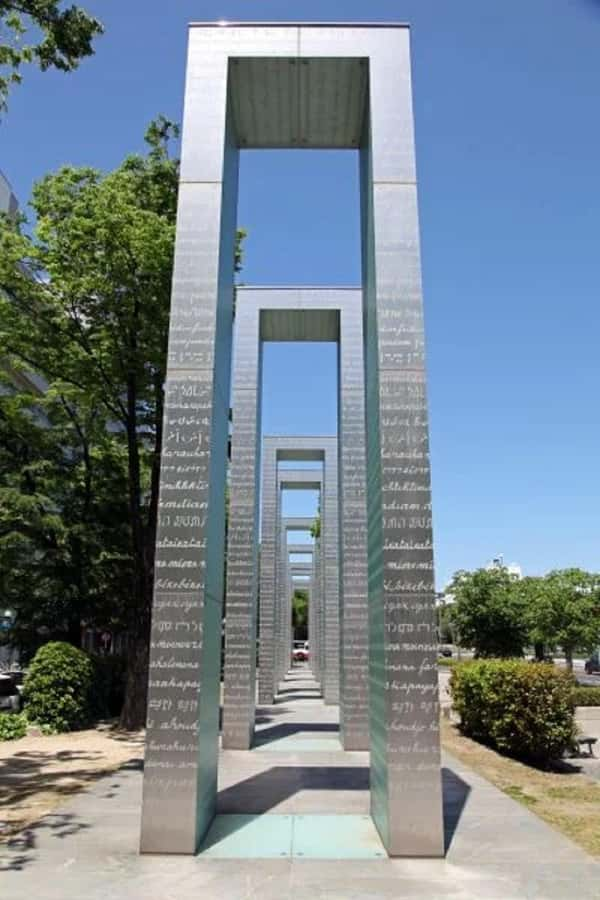
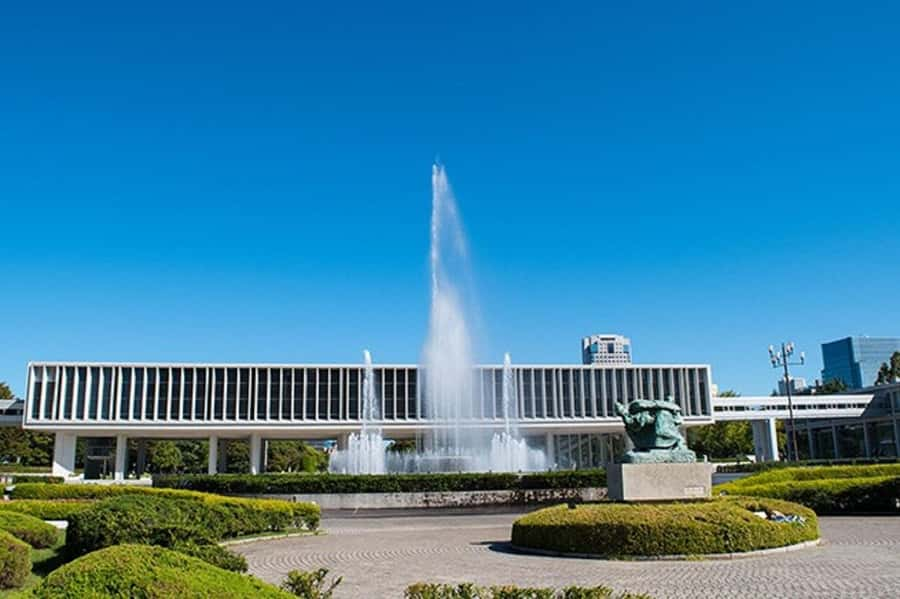
The Peace Memorial Park is the emotional center of the experience. Here, the guide takes you through a group of sites that are best understood together rather than as separate photo stops.
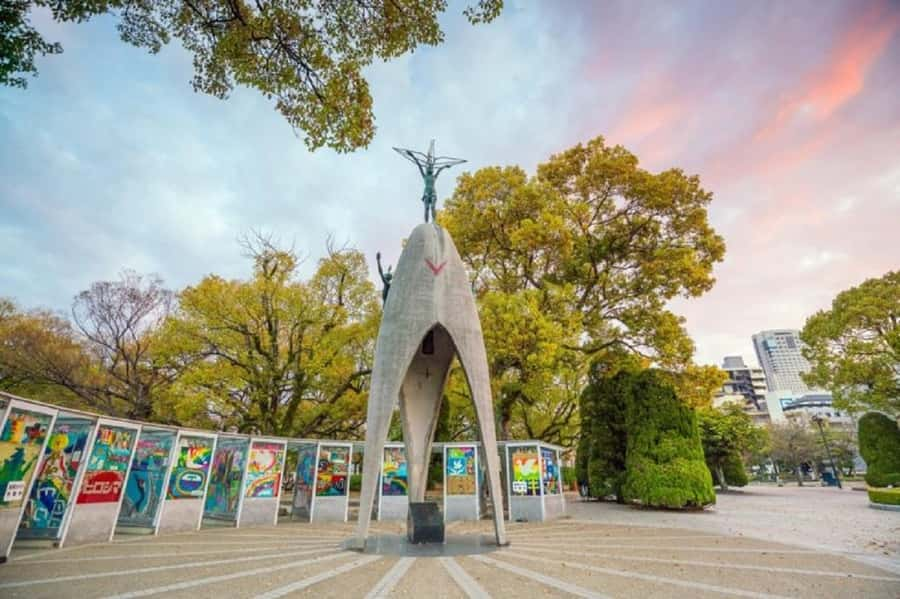
The Victims Memorial Cenotaph honors those who died in the atomic bombing. The Flame of Peace carries its own symbolic weight, while the Children’s Peace Monument connects the tragedy to the lives of young people affected by the bombing and its aftermath.
The Atomic Bomb Dome is the most immediately recognizable structure in the park. Its damaged frame remains as a stark reminder of the blast and the destruction around it. You do not need a long explanation to understand why the building has such force, but a guide can give you the setting and historical context that make the sight more than a striking photograph.
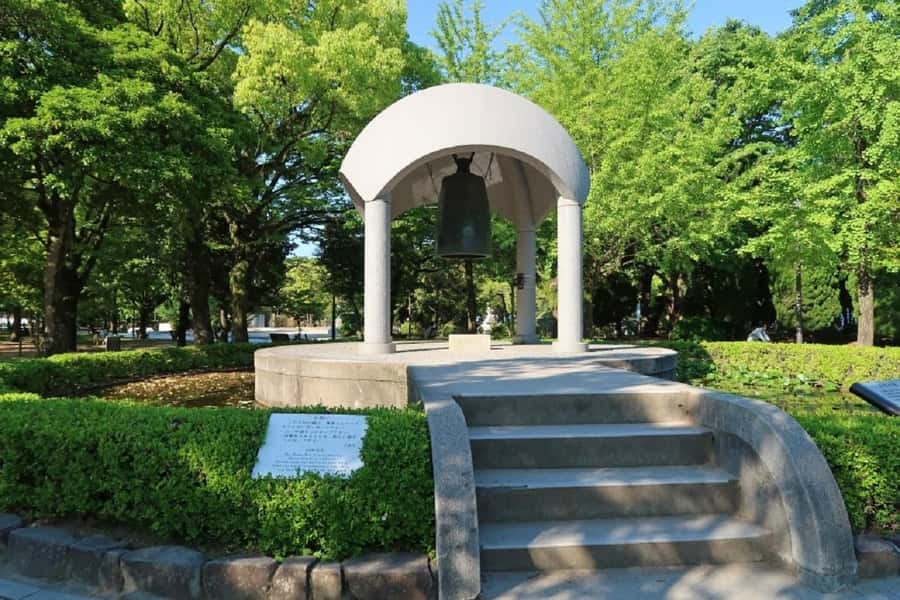
The Bell of Peace adds another quiet point of reflection. The route through these memorials is not designed for entertainment. It asks you to slow down, listen, and consider the meaning behind each place.
I appreciate having a guide here because the park contains several monuments, and it can be difficult to understand their connections from signs alone. At the same time, you should not expect constant conversation. The subject is serious, and the tone needs to remain respectful.
Same region, a different set of walls:
- Osaka Castle: Museum and Tower Entry Ticket
★ 4.5 · 2,380 reviews - Tokyo Castle & Imperial PalaceーShogun Walking Tour
★ 4.7 · 1,068 reviews - Kyoto: Nijo-jo Castle and Ninomaru Palace Guided Tour
★ 4.7 · 1,020 reviews - Ultimate Osaka Walking Tour: Castle, Dotonbori & Hidden Gems
★ 5.0 · 862 reviews
The Peace Memorial Museum requires your full attention
The Peace Memorial Museum is the most demanding stop. Its exhibits explain the events leading up to the bombing, the destruction caused on August 6, 1945, and the suffering that followed.
English information is available inside, so you can read the displays directly. Speaking is prohibited in the museum to preserve a quiet setting for reflection. That rule is important to understand before you arrive. You will not have a running conversation with your guide in the galleries, and the museum is treated as a silent final part of the tour.
The museum can be deeply upsetting. One visitor described the experience as very emotional, and you should plan for that possibility. The displays are not a light historical overview. They focus on real lives, physical suffering, loss, and the long effects of the bombing.
Because of the subject, I would avoid scheduling this tour when you are exhausted or rushing to catch a train immediately afterward. Even though the full experience lasts only 150 minutes, the museum may leave you needing a quiet break afterward.
The museum is listed as the final stop, which makes practical sense. You finish with the most intense material rather than having to shift back into sightseeing mode afterward. The surrounding Peace Park sites prepare you for the museum, while the silent exhibits give the tour its final weight.
Why a private guide can be useful here
The private format is the strongest reason to choose this experience instead of walking the sites alone. You can ask about details that catch your attention, and the guide can keep children involved or adjust the explanations for different ages.
A family from Australia found the tour engaging for children, with the guide adapting the experience to suit them. That is important because the Peace Memorial Museum is difficult for younger visitors to process without some framing. A private guide can explain the history in a clear, age-appropriate way while still treating the subject seriously.
The guide can also help with practical matters. One guide, Preety, was praised for showing how to get to Miyajima Island after the tour. That does not mean Miyajima is part of this experience, so you should not expect a visit there. It does mean the guide may be able to offer useful follow-up advice for your Hiroshima plans.
Another guide, Zunera, was able to look after a group that arrived late because of heavy rain. That suggests some flexibility, but you should still contact the provider if weather or delays affect your start time. The tour is tightly timed, so a late arrival can reduce time at one or more stops.
Walking, weather, and meeting points
The tour is primarily a walking experience. You can meet at Hiroshima Station or near Shukkeien Garden, depending on the option you select. Pickup on foot from your accommodation may be available when you are staying within a reasonable distance, but hotel pickup and drop-off are not generally included.
At the end, drop-off options include Hiroshima Station, the Peace Memorial Park area, and the taxi stand at Peace Memorial Park. Those choices are useful if you want to continue sightseeing, catch transport, or find lunch nearby.
Hiroshima can be hot in summer, so bring a water bottle. Sunglasses, a hat, and an umbrella are also listed as useful items. Winter can be chilly, and rain can affect a walking tour, so dress for the forecast rather than relying on indoor time.
Wheelchair access is available, but the experience still involves movement between several sites. If you use a wheelchair or have mobility concerns, confirm the exact route and meeting point before booking. A private group makes it easier to discuss your needs in advance.
What the $82 price really buys you
The cost includes the guide, walking tour, entry to all three paid attractions, photos, and optional nearby pickup when available. Those inclusions simplify the day. You do not need to stop at each ticket counter or work out how to connect the garden, castle, and Peace Park by yourself.
The main value is the guide’s interpretation. Hiroshima’s memorial sites are easy to visit but harder to understand in a connected way. A guide can explain why the monuments are placed where they are, set the castle in its older context, and help you move between very different parts of the city.
The price is less attractive if you mainly want to wander at your own pace. Shukkeien and Hiroshima Castle both reward extra time, and the museum requires patience. Independent visitors can spend longer at a favorite site, while this tour gives you a clear but brisk overview.
For families, first-time visitors, and anyone with limited time in Hiroshima, I think the price is fair. For repeat visitors or people who prefer self-guided museum visits, booking separately may make more sense.
Who should book this experience
I would choose this tour if you want a private introduction to Hiroshima and prefer human explanation at important sites. It is especially suitable for families, couples, and small groups who want a guide focused only on them.
It also works well if you have one short window in the city. The route covers the key memorial sites, the castle, and one of Hiroshima’s finest traditional gardens without requiring you to plan the connections yourself.
I would be cautious about booking it if you want long visits at each attraction, dislike walking, or need a relaxed schedule. The Peace Memorial Museum can also be emotionally heavy, so it deserves more than a casual stop on a packed day.
The tour has a rating of 4.8 from seven published ratings, with praise focused on friendly guidance, clear explanations, family support, and help during bad weather. That pattern fits the experience well: its strength is not a single spectacular attraction, but the way a personal guide connects several important places in a short time.
Should you book the Hiroshima private tour?
Book it if you want a well-organized first look at Hiroshima and value a private English-speaking guide. The included tickets, walking route, photos, and flexible group format make $82 per person a fair deal for a small group.
Before booking, make sure you are comfortable with the brisk pace and the emotional weight of the museum. Wear good shoes, carry water, and leave room afterward to process what you have seen. If your priority is a slow garden visit or a long museum study, visit those places separately. If your goal is to understand Hiroshima’s main sights in one focused outing, this tour is a sensible choice.
FAQ
How long does the tour last?
The stated duration is 150 minutes, or two and a half hours.
What places are included?
The tour includes Shukkeien Garden, Hiroshima Castle, and Hiroshima Peace Memorial Park, including the Peace Memorial Museum, Victims Memorial Cenotaph, Flame of Peace, Children’s Peace Monument, Atomic Bomb Dome, Bell of Peace, and Hypocenter.
Is the tour private?
Yes. It is offered as a private group experience.
Is the guide available in English?
Yes. The tour includes a live English-speaking guide.
Are admission tickets included?
Yes. Entry to the Peace Memorial Museum, Hiroshima Castle, and Shukkeien Garden is included.
Where can I meet the guide?
Meeting options include Hiroshima Station and Shukkeien Garden near the station. The exact starting point depends on the option selected.
Is hotel pickup included?
Pickup on foot may be available if your accommodation is within a reasonable distance. Hotel pickup and drop-off are not generally included.
Is the Peace Memorial Museum a quiet visit?
Yes. Speaking is prohibited inside the museum so visitors can reflect quietly. English information is available to read inside, and the museum is planned as the final stop.
What should I bring?
Wear comfortable shoes and clothes, and consider bringing a water bottle, sunglasses, a hat, an umbrella, and any personal medication. Dress warmly in winter and prepare for hot weather in summer.
Just added around Japan
- Tokyo: Edo Castle and Imperial Palace Guided Walking Tour★ 5.0 · 6 reviews
- (Ticket Included) Explore Osaka Castle & Museum of History★ 4.8 · 21 reviews
- Osaka: Osaka Castle Guided Tour with Local Guide★ 4.7 · 78 reviews
- Osaka: Osaka Castle – Tsuruhashi – Tennoji (Spanish Guide)★ 4.7 · 10 reviews
- Osaka: Early Morning Osaka Castle Guided Tour, Avoid Crowds★ 4.9 · 12 reviews
- Osaka: Explore Every Bit of Osaka Castle in 3 Hours★ 5.0 · 5 reviews
- Osaka: Osaka Castle 3 hours Historical Walking Tour★ 4.6 · 14 reviews
- Osaka Castle Guided Tour★ 4.7 · 249 reviews
Castle Gardens & Grounds, compared.
Granada: Alhambra & Gardens Tour w/Nasrid Palaces Option
Read our review →
Granada: Alhambra Gardens and Generalife Ticket
Read our review →
Granada: Alhambra Guided Tour with Nasrid Palaces & Gardens
Read our review →
Granada: Alhambra and Generalife Garden Ticket & Guided Tour
Read our review →
Granada: 3-Hour Alhambra and Generalife Gardens Guided Tour
Read our review →
Granada Alhambra and Generalife Gardens Experience Tour
Read our review →Browse the lists this tour appears in