
REVIEW · JAPAN CASTLE TOURS
Odawara: Guided Ninja & Samurai Tour of Odawara Castle
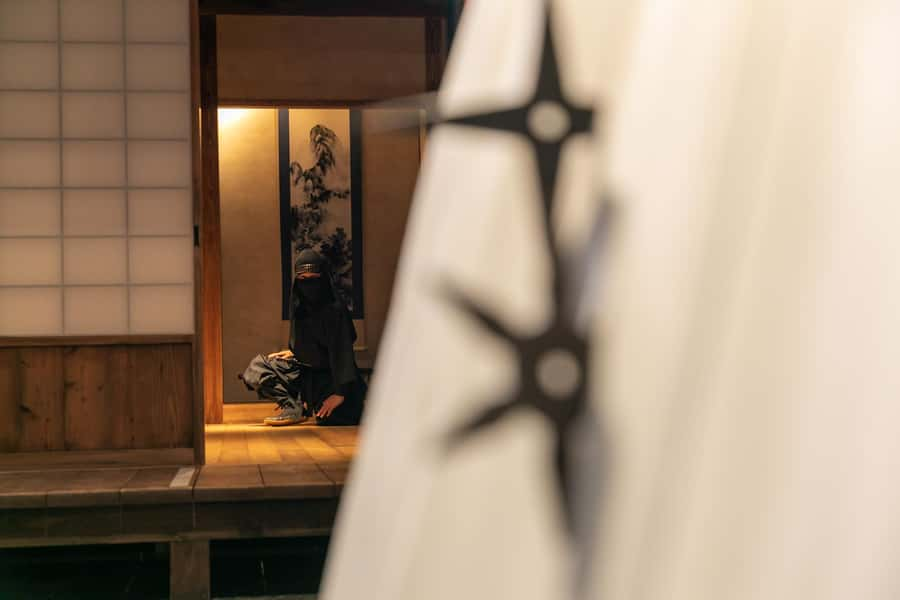
Odawara’s best surprise is not the castle view. It is what happens afterward, when you put on ninja clothing and train with an expert inside the Ninja Museum. The 150-minute tour blends samurai artifacts and Hojo clan history with a playful but structured class in movement, breathing, shuriken throwing, blow darts, and sword technique.
I like the clear mix of looking and doing. You see authentic armor, helmets, and swords before testing ninja tools yourself, so the training has some historical grounding. I also like the guides’ personal touch. Jeff and Naoya are singled out for friendly, easygoing explanations, while instructor Shidou brings patience and energy to the class.
The main drawback is the price, $116 per person, which is a serious spend for two and a half hours. The value improves if you want an English tour, museum entry, and a memorable family activity in one package, but a visitor focused only on castle architecture may find it costly.
Key points to know before booking
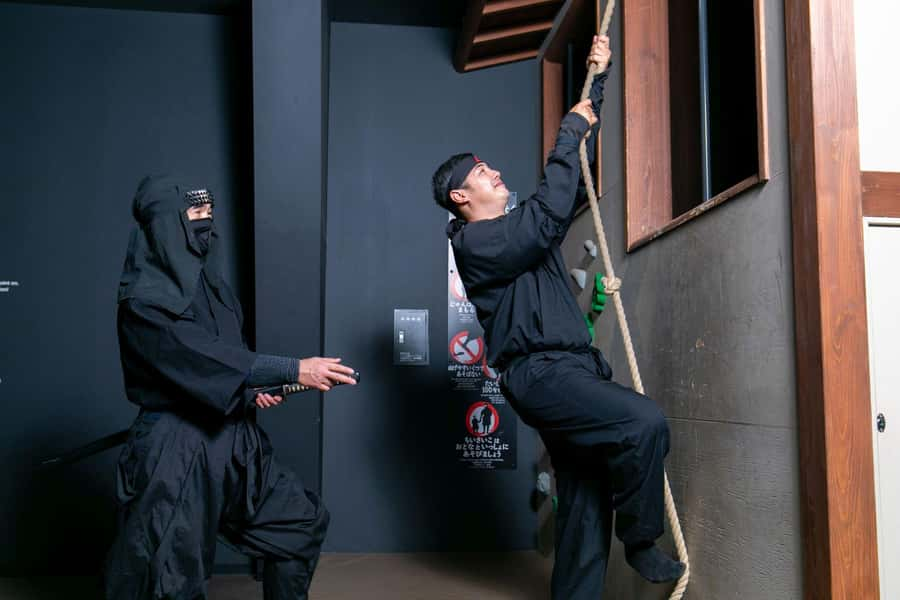
- Ninja training is the centerpiece: The final 90-minute class includes ninja clothing, meditation, movement, shuriken, blow darts, sword practice, and hand gestures.
- You get both samurai and ninja history: The tour visits the Samurai Museum and explains the Hojo clan’s role in Odawara.
- English guidance is provided: Guides such as Jeff and Naoya lead the walking portion and answer questions.
- It works well for families: The activities can suit younger children as well as adults, with patient instruction and different tasks.
- The setting changes with the seasons: Odawara Castle Park can be especially attractive during blossom season.
- It fits a Tokyo day trip: Odawara lies south of Tokyo, between the Pacific coast and the Hakone mountains.
Why the ninja class makes this Odawara tour different
Many castle visits ask you to look at old walls, read exhibit panels, and move on. This one gives you a role to play. After learning about samurai culture and the castle’s past, you enter the Ninja Museum for a private-style workshop after regular hours.
That change in pace matters. You first get context, then you use your body. The class covers breathing, meditation, focus, movement, warrior etiquette, and basic ninja techniques. You are not simply handed a souvenir star and told to throw it. The session presents the tools as part of a wider set of skills.
You can expect to practice with shuriken and blow darts, along with sword movements and ninja hand gestures. The activities are presented as an experience for beginners, not as advanced martial arts training. Past participants have described the instructor as patient and encouraging, which is useful if you have never tried anything like this.
The workshop also has a sense of theater. You wear ninja attire, follow the instructor’s demonstrations, and finish with the familiar hand signs associated with ninja imagery. It has an anime-like charm without losing the historical thread that begins earlier in the tour.
For children, this is likely the part they will remember. A six-year-old can find the class magical, while adults still get enough history and technique to make the experience worthwhile. If you want a quiet museum visit, this may feel too active. If you want your family to do something together, it is a strong choice.
More Guided Tours in Japan:
- Kyoto: Nijo-jo Castle and Ninomaru Palace Guided Tour
★ 4.7 · 1,020 reviews - Kyoto: Nijo Castle, Kiyomizu & Fushimi Inari Guided Tour
★ 4.7 · 700 reviews - Kyoto: Imperial Palace & Nijo Castle Guided Walking Tour
★ 4.7 · 453 reviews
Starting at the Ninja Museum entrance
Meet your guide at the entrance of the Odawara Castle Ninja Centre, also called the Ninja Museum. This is both the meeting point and the place where the tour ends, so you return to familiar ground after the walking loop and class.
The meeting point is practical, but pay attention to the exact name when arranging your visit. The tour begins at the Ninja Museum entrance, not at a hotel or a Tokyo station. Since the experience takes place in and around Odawara Castle Park, you should allow enough time to reach the park before the stated starting time.
The English-speaking guide leads the group through the park and museums. Jeff has been praised for a casual style that still gives plenty of information. Naoya has also guided visitors through the castle area and helped capture photographs during the experience. Their role is more than simply pointing out buildings. They explain the town, the castle, samurai culture, and the ninja tradition in a way that leaves room for questions.
The tour includes skip-the-line access, which helps keep the 150-minute schedule moving. Food and drinks are not included, so plan to eat before or after the activity rather than expecting a refreshment stop during the tour.
Walking through Odawara Castle Park for 40 minutes

The first walking section takes about 40 minutes around Odawara Castle Park. This gives you time to see the castle setting before entering the museums and to hear how Odawara fitted into feudal Japan.
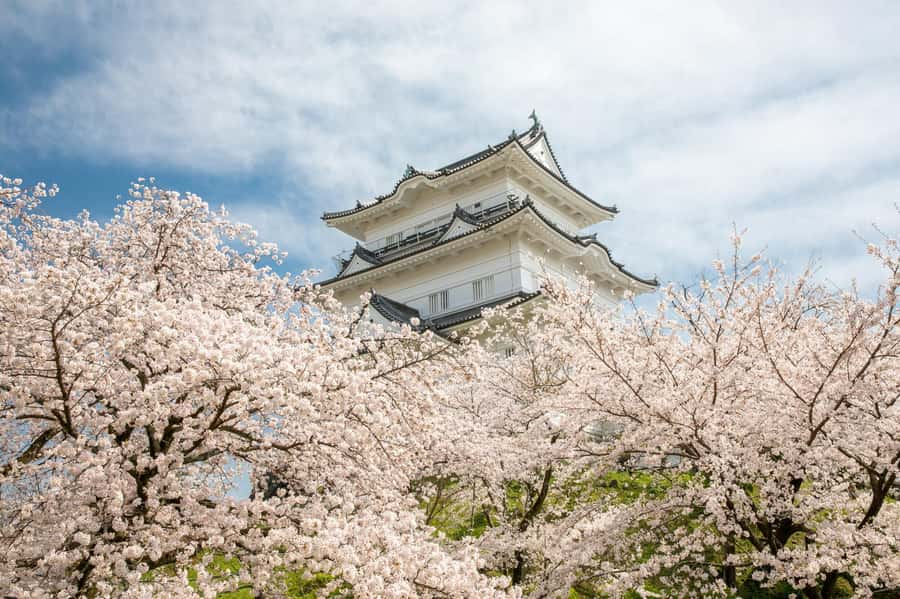
The park is especially appealing during seasonal blossom, when the castle grounds take on a softer, more scenic feel. The exact appearance depends on the time of year, but the setting gives the tour more than an indoor museum atmosphere. You are walking through a historic site with the Pacific coast and Hakone mountains nearby.
The guide explains stories connected with the Hojo clan, which ruled the area for five generations during the Sengoku period. You also hear about the castle’s military importance and the famous siege in which it held out for three months. These details make the stone walls and castle structures easier to read. You are not just looking at an attractive Japanese castle. You are hearing why this place mattered.
The castle grounds are also where the tour can be adjusted to your interests. If you want more samurai background, ask. If ninja history is your main reason for booking, the guide can steer the conversation in that direction. English guidance is included, and questions are welcome.
One practical point: this is a walking tour, followed by a hands-on class. Comfortable footwear makes sense. The supplied information does not specify the amount of stairs or the physical requirements, so anyone with mobility concerns should ask the operator before booking.
Authentic armor and swords at the Samurai Museum
The visit to the Tokiwa Kimon Samurai Center lasts about 20 minutes. It is a short stop, but it adds a useful layer to the experience because you see real samurai objects before moving on to ninja training.
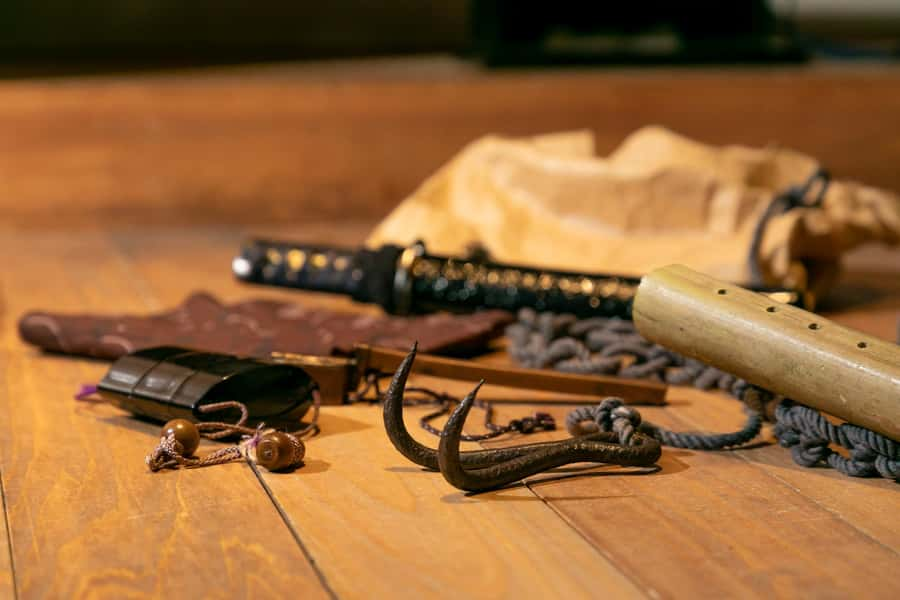
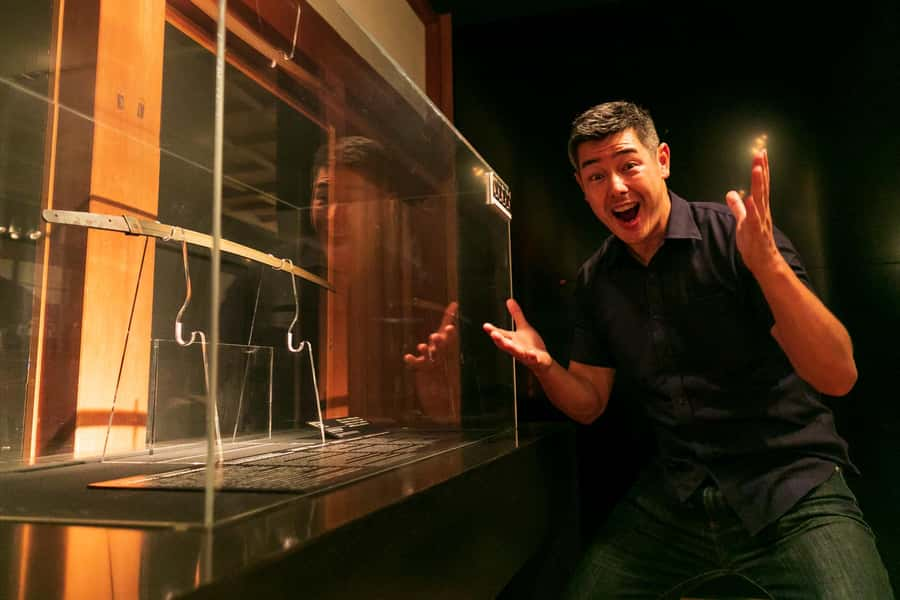
Displays include authentic armor, helmets, and swords. These items help show the practical side of samurai life. Armor was not just decoration, helmets signaled identity and status, and swords carry both military and cultural meaning. Your guide explains the role these objects played in the period rather than leaving you with a room full of unfamiliar names.
Twenty minutes is enough for an introduction, not a full museum study. If you want to read every label or examine each piece at length, the pace may feel brisk. The tradeoff is that the tour gives equal weight to the castle walk and the ninja workshop. The museum stop works best as a focused orientation.
I like this sequence. Seeing samurai equipment first gives the later ninja class a useful contrast. Samurai warfare is represented through formal armor and weapons, while ninja traditions are introduced through concealment, discipline, movement, and tools suited to stealth. The tour does not treat the two as identical parts of a cartoon version of Japan.
A few more castle tours around Japan worth a look
- Osaka Castle: Museum and Tower Entry Ticket
★ 4.5 · 2,380 reviews - Tokyo Castle & Imperial PalaceーShogun Walking Tour
★ 4.7 · 1,068 reviews - Ultimate Osaka Walking Tour: Castle, Dotonbori & Hidden Gems
★ 5.0 · 862 reviews - Tokyo Castle & Imperial PalaceーShogun Walking Tour
★ 5.0 · 724 reviews
The Hojo story inside the castle grounds
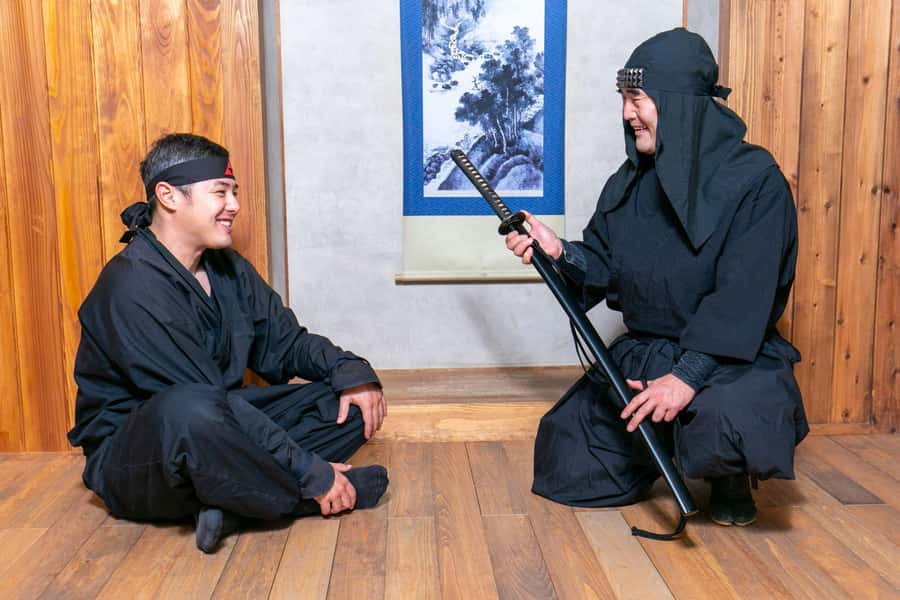
Odawara Castle is closely tied to the Hojo clan, which controlled the region across five generations during the Sengoku period. Your guide uses the castle and its surrounding grounds to explain the political and military world of the era.
The story of the castle holding out for three months gives the site a strong sense of drama. You hear how castles functioned as defensive centers and why Odawara mattered. The focus is not only on battles. It is also on the people, power structures, and customs connected with the samurai class.
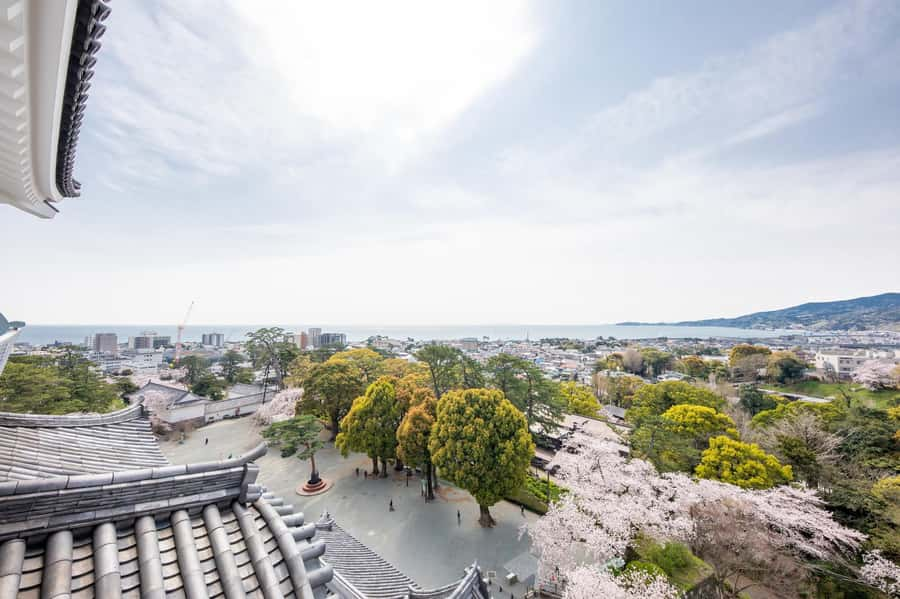
The main keep offers views over the surrounding area, including the broad setting between the Pacific and Hakone. The tour information and direct experience descriptions indicate that the group may go up the castle tower, although the schedule centers on the park and castle grounds. Your guide can point out what you are seeing and connect the view to Odawara’s position.
This portion may be the most valuable for adults who want more than a themed activity. The ninja class is fun, but the castle walk gives you a reason to visit Odawara in the first place. You gain enough context to understand the town as a strategic place rather than simply a convenient stop on the way to Hakone.
Ninjas, shinobi, and the move from history to practice
The tour presents the ninja as a real historical figure rather than only a black-clad fictional hero. You learn about the life and times of a shinobi from a specialist in ninja history, with stories linked to feudal Japan and the Hojo clan.
That distinction is important. Popular culture often turns ninja skills into magic. This experience focuses instead on breathing, concentration, movement, tools, and discipline. The hand gestures and weapons still have a theatrical appeal, but they come after an explanation of the world in which these figures operated.
You should expect a lively class rather than a lecture. The instructor demonstrates techniques, then gives you time to try them. Shuriken throwing and blow darts provide the most obvious fun, while meditation and breathing exercises offer a quieter contrast. Sword practice adds another recognizable ninja skill, and the class ends with iconic hand gestures.
The instructor named in the supplied information is Shidou, also spelled Shudo in one account. He is described as energetic, humorous, kind, and patient. That combination matters because first attempts at throwing or aiming can be awkward. The class is built for participation, not perfection.
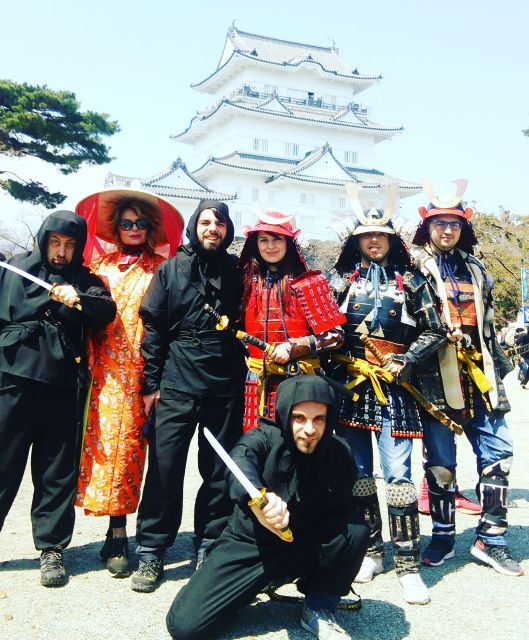
The inclusion of ninja attire helps set the mood and makes photographs more memorable. A guide such as Naoya may also help take pictures during the activity. Photography is not listed as a formal inclusion, so treat it as a helpful possibility rather than a guaranteed service.
What the 90-minute Ninja Museum workshop feels like
The final workshop takes about an hour and a half, making it the longest part of the tour. That is a good sign for anyone booking mainly for the hands-on element. You have time to learn several techniques rather than rushing through one quick demonstration.
The session begins with fundamentals. Breathing and meditation may sound less exciting than throwing stars, but they explain the concentration expected in ninja training. Movement exercises and focus work give the class structure before the weapons appear.
You then practice tools such as shuriken and blow darts. Sword work is also included. The goal is not to send you home as a trained martial artist. The value lies in trying the skills under supervision and understanding how much control and focus they require.
Different activities are available for younger children, according to the experience details. That makes this a better family option than a class designed only for adults. Still, children should be able to follow instructions and take part in a structured activity. The information provided does not specify an age minimum, so check before booking if your child is very young.
The class finishes with ninja hand gestures and a sense of completing a challenge. That ending gives the experience a clear shape. You start as a castle visitor and finish having learned a set of techniques, worn ninja clothing, and taken part in a shared group activity.
Is $116 a fair price?
At $116 per person, this is not a cheap castle ticket. You are paying for a guided English walking tour, entry to the Samurai Museum, entry to the Ninja Museum, ninja attire, and a 90-minute workshop, along with the guide’s interpretation of Odawara’s history.
The value depends on how you would otherwise spend your time. If you plan to visit only the castle grounds and take a few photographs, you can likely find a less expensive way to see Odawara. If you want a guided historical visit plus a substantial activity, the price is easier to justify.
Families may find the cost worthwhile because everyone can take part instead of one person waiting while the children look at exhibits. Couples and adults should ask themselves how much they value the class. The training is the part that turns this from a standard castle tour into a special booking.
The tour also saves you from arranging separate museum visits and finding an instructor on your own. You receive a planned sequence, English explanations, and a class that follows the castle visit. That convenience is part of the price.
Cancellation is flexible up to 24 hours before the activity for a full refund, and you can reserve now and pay later. Starting times vary, so check availability before building the rest of your day around it.
Who should book this experience
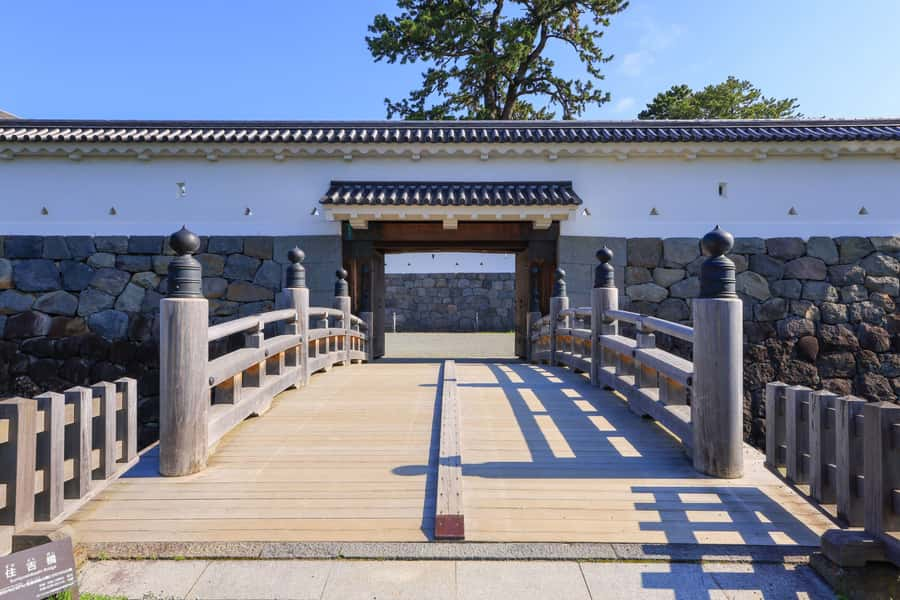
I would recommend it most strongly to families, first-time visitors to Odawara, and anyone who wants an active cultural experience. Children who are fascinated by ninjas will have a clear highlight, while adults get the castle, samurai objects, and historical background.
It also suits couples and friends who want a shared activity rather than a quiet museum visit. The guides are described as friendly and willing to answer questions, and the atmosphere appears relaxed rather than formal.
You may want to skip it if your priority is a long, detailed examination of Odawara Castle architecture. The walking tour and Samurai Museum stop are focused parts of a larger experience, not a full-day history seminar. You should also think twice if $116 feels high for a 150-minute activity, even with museum admissions and the workshop included.
For a day trip from Tokyo, it makes more sense. Odawara is close enough to combine with wider visits in the area, and the tour gives you a strong reason to stop rather than simply pass through on the way to Hakone.
Should you book the Odawara Ninja and Samurai Tour?
Book it if you want to learn by doing. The best part is the progression from castle and samurai history to a supervised ninja class with clothing, tools, movement, and ritual.
I would not choose it only for the castle itself. Choose it because you want the complete mix: Hojo stories, authentic armor, seasonal park scenery, English guidance, and a memorable workshop led by an energetic ninja instructor.
The $116 price is easier to defend for families and visitors making Odawara a proper day trip. For a quick stop or a solo budget visit, it may be more than you need. For everyone else, especially children and curious adults, this is a lively way to connect with Japan’s past without leaving history behind in a glass case.
FAQ
How long does the Odawara Ninja and Samurai Tour last?
The experience lasts 150 minutes, or two and a half hours. The schedule includes about 40 minutes in Odawara Castle Park, 20 minutes at the Samurai Center, and 90 minutes in the Ninja Museum workshop.
What is included in the tour price?
The price includes the guide, entry to the Samurai Museum, entry to the Ninja Museum, and ninja attire for the training workshop.
Is the tour offered in English?
Yes. The tour includes a live English-speaking guide.
Where do I meet the guide?
Meet at the entrance of the Odawara Castle Ninja Centre, also called the Ninja Museum. The activity finishes back at the same location.
What activities are included in the ninja class?
The workshop covers breathing, meditation, movement, ninja tools and weapons such as shuriken and blow darts, sword practice, and traditional ninja hand gestures.
Is the tour suitable for children?
The experience information says there are activities for younger children, and the class is described as suitable for all ages. The tour does not provide a specific minimum age, so check with the operator if needed.
Are food and drinks included?
No. Food and drinks are not included in the tour price.
Can I cancel the booking?
You can cancel up to 24 hours in advance for a full refund. Reserve now and pay later is also available.
Just added around Japan
- Tokyo: Edo Castle and Imperial Palace Guided Walking Tour★ 5.0 · 6 reviews
- (Ticket Included) Explore Osaka Castle & Museum of History★ 4.8 · 21 reviews
- Peace Memorial Park, Hiroshima Castle, & Garden Private Tour★ 4.8 · 7 reviews
- Osaka: Osaka Castle – Tsuruhashi – Tennoji (Spanish Guide)★ 4.7 · 10 reviews
- Osaka: Osaka Castle Guided Tour with Local Guide★ 4.7 · 78 reviews
- Osaka: Early Morning Osaka Castle Guided Tour, Avoid Crowds★ 4.9 · 12 reviews
- Osaka: Explore Every Bit of Osaka Castle in 3 Hours★ 5.0 · 5 reviews
- Osaka: Osaka Castle 3 hours Historical Walking Tour★ 4.6 · 14 reviews
Japan Castle Tours, compared.
Tokyo Castle & Imperial PalaceーShogun Walking Tour
Read our review →
Kyoto: Nijo-jo Castle and Ninomaru Palace Guided Tour
Read our review →
Ultimate Osaka Walking Tour: Castle, Dotonbori & Hidden Gems
Read our review →Tokyo Castle & Imperial PalaceーShogun Walking Tour
Read our review →
Kyoto: Nijo Castle, Kiyomizu & Fushimi Inari Guided Tour
Read our review →
Osaka Castle Walking Tour and Castle Tower Admission
Read our review →
Imperial Palace East Garden and Edo Castle Walking Tour in Tokyo
Read our review →Browse the lists this tour appears in