
REVIEW · HISTORICAL TOURS
2.5-Hour Nagoya Tour: Castle History, Local Food & City View
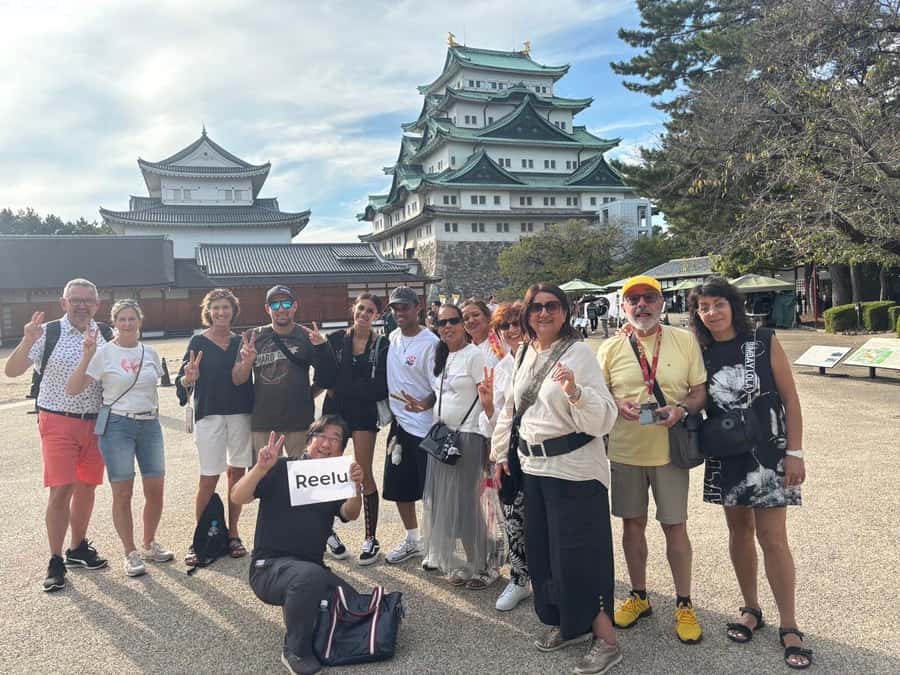
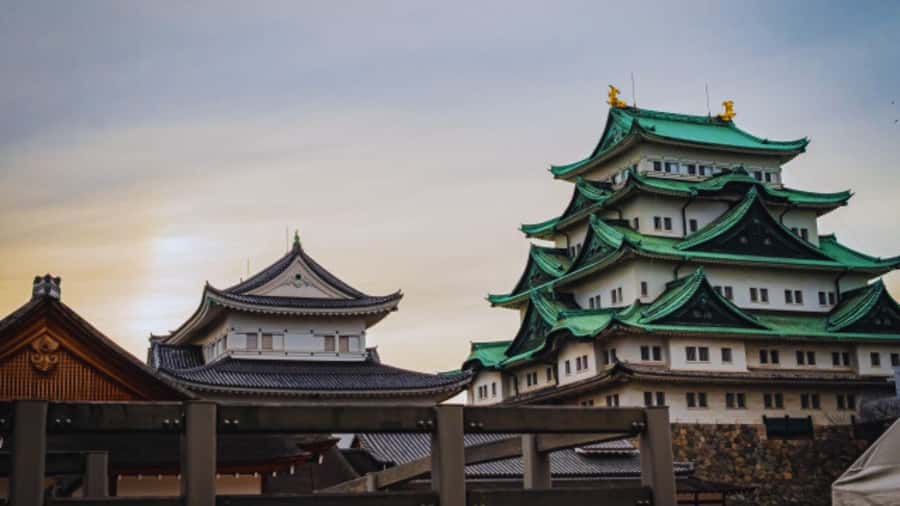
Nagoya Castle gives this short tour its real punch. In about 2.5 hours, you move from samurai-era stone walls and painted screens to Kinshachi Yokocho, where your guide explains the city’s famously distinct food culture. It is a smart way to get a first taste of Nagoya without giving up half a day.
I like two things here. First, the castle admission is included, so the $41 price covers both entry and an English-speaking guide. Second, the route joins major sights with practical local context. Guides such as Toshi, Mariko, Kanna, Risa, Ray, and Shu have been praised for clear explanations, patience, organization, and useful recommendations.
The main compromise is time. Ninety minutes at Nagoya Castle is enough for the key areas, but not for a slow, museum-style visit. You also pay for your own food and drinks, and transportation to the meeting point is not included.
Key points to know before booking
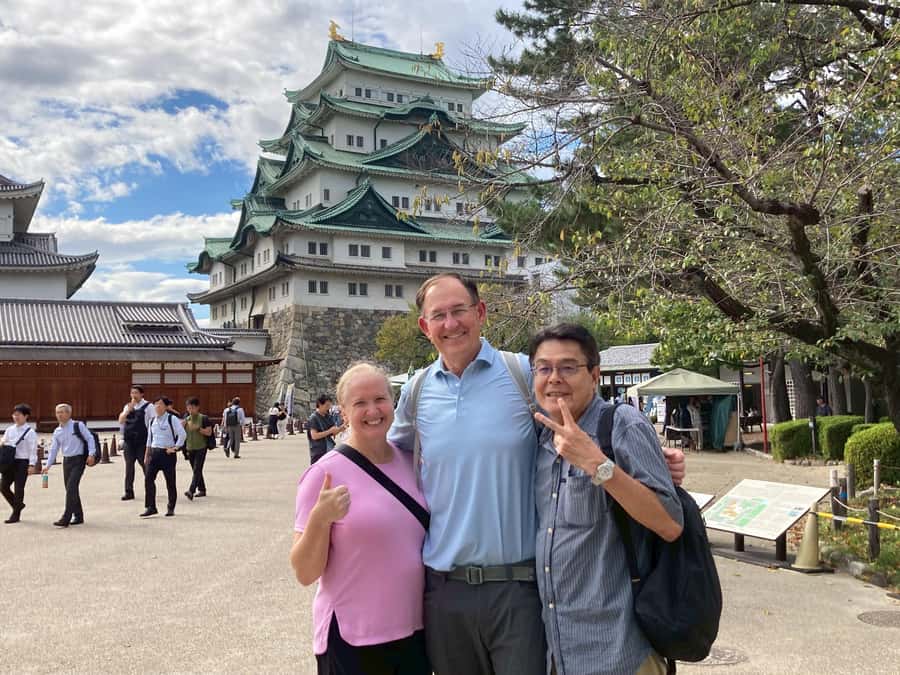
- Nagoya Castle takes about 90 minutes: Expect the East Gate, Ninomaru Garden, stone walls, Honmaru Palace, and stories about samurai culture.
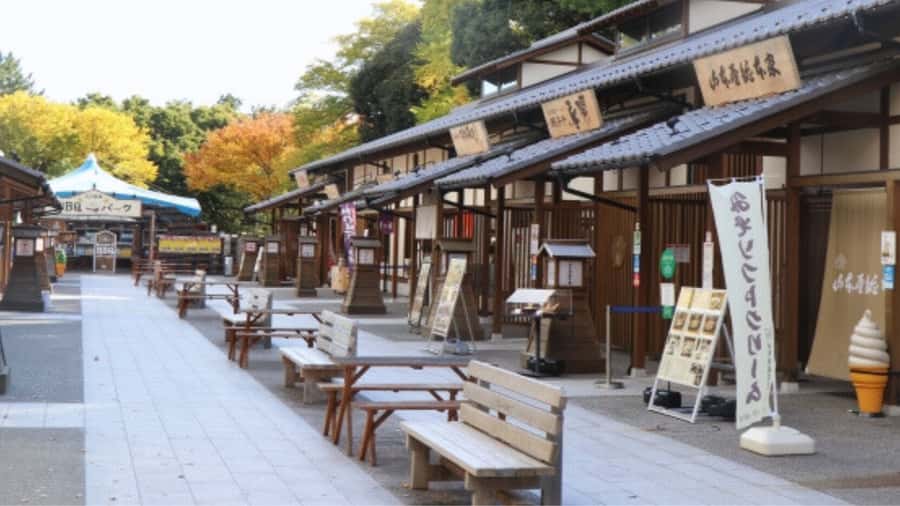
- Kinshachi Yokocho adds local flavor: You get 30 minutes to browse food stalls, traditional-style buildings, and souvenir shops.
- The guide makes the castle easier to understand: Historical context and architectural details are central to the experience.
- It suits short visits: Cruise passengers and first-time visitors can cover two major parts of Nagoya in one compact outing.
- The price includes castle admission: At $41 per person, the tour can be good value if you want guidance rather than simply entering on your own.
- Wear practical shoes: The route involves walking, outdoor areas, and time in the castle grounds. Sunscreen is sensible on bright days.
Why Nagoya Castle is the right starting point
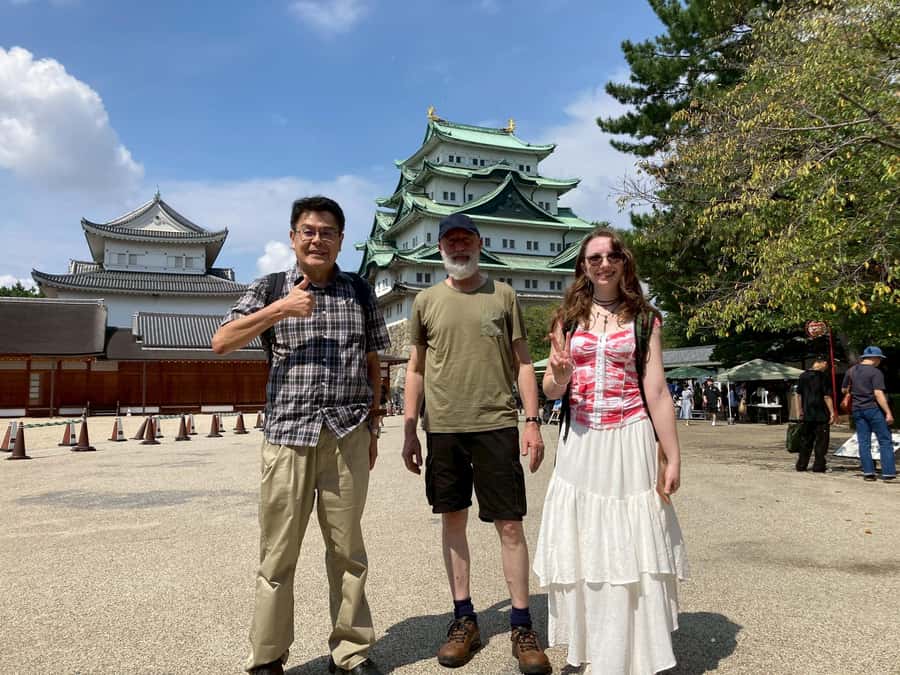
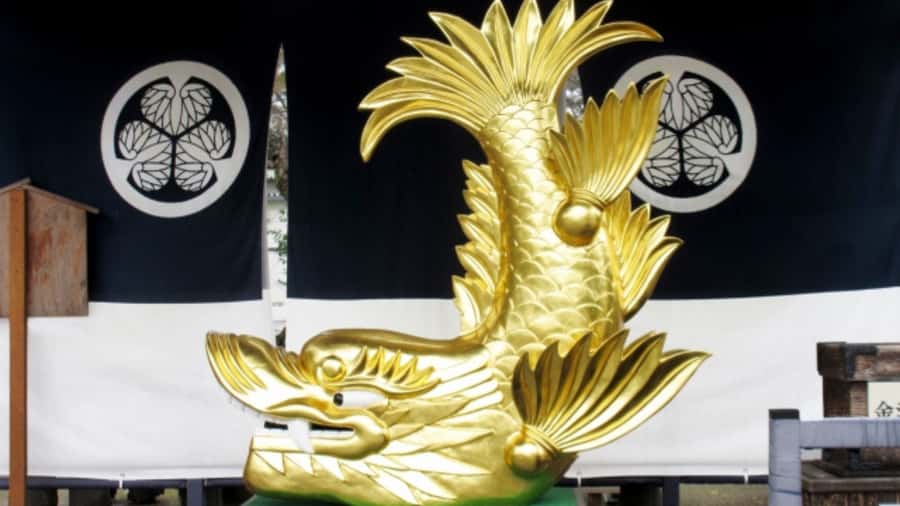
Nagoya Castle is not simply a stop for photographs. It gives you a quick way to understand the city’s place in Japan’s samurai story, and a local guide can connect the buildings, gardens, walls, and decorative details to that larger setting.
You enter through the East Gate, then follow the guide through the castle grounds. This matters because a first visit can otherwise become a parade of impressive objects with little explanation. The tour is designed to give those objects a story.
The castle visit lasts about 1.5 hours, making it the clear center of the experience. You should expect a fairly active walking pace, especially if the group needs to finish at Kinshachi Yokocho on schedule. That pace is helpful for a short stop in Nagoya, but it leaves less room for lingering over every garden view or display.
The guide’s role is especially useful if you are new to Japanese history. The people who have led this experience, including Toshi, Mariko, Kanna, Risa, Ray, and Shu, have been praised for making complicated historical and cultural details easy to follow. Toshi, in particular, has been noted for answering small questions patiently and adding local suggestions beyond the main route.
A few more castle tours around Japan worth a look
- Explore Matsumoto: Castle, Sake & Taste of Local Life
★ 4.8 · 6 reviews - From Paris: Loire Valley Castles Day Trip With Wine Tasting
★ 4.6 · 1,727 reviews - Medoc or Saint Emilion Wine Tasting and Chateau from Bordeaux
★ 5.0 · 1,415 reviews
The East Gate sets the tone
The East Gate is the starting point for the castle portion. From here, your guide begins explaining what you are seeing and places the architecture within the age of samurai rule.
That opening is valuable because it keeps the visit from becoming a simple walk around a reconstructed landmark. You are not just looking at a gate or wall. You are learning why such features mattered, how the castle functioned, and how the site relates to Nagoya’s past.
I would pay attention to the guide’s commentary rather than rushing ahead for photographs. The physical remains and restored sections are easier to appreciate when you know what details to look for. The tour is also a good fit if you have visited other Japanese castles and want help comparing what you see here with the broader castle tradition.
The starting arrangements require a little care. Two possible starting locations are given, including Nagoya Monument and 名古屋港ポートビル. The meeting point depends on the option you book, so check your selected departure carefully instead of assuming every departure begins at the same place. Transportation to that point is your responsibility.
Ninomaru Garden offers a quieter pause
After the gate, the route includes Ninomaru Garden. This is one of the most welcome parts of the visit because it slows the pace and gives you a break from walls, buildings, and historical explanation.
A garden visit also shows a different side of castle life. Nagoya Castle was not only a defensive site. Its grounds included carefully planned spaces where design, movement, and atmosphere mattered. Your guide can help you notice that contrast.
You will want comfortable shoes here. The tour information specifically recommends them, and that advice is practical rather than decorative. Even a short castle tour involves walking between areas, standing while listening, and moving through outdoor spaces. If the day is sunny, sunscreen is also worth packing.
The garden is not presented as a separate long visit. It forms part of the castle route, so you should not expect a leisurely garden tour with extended time for quiet contemplation. Think of it as an important change of pace within a tightly planned castle visit.
Honmaru Palace rewards a slower look

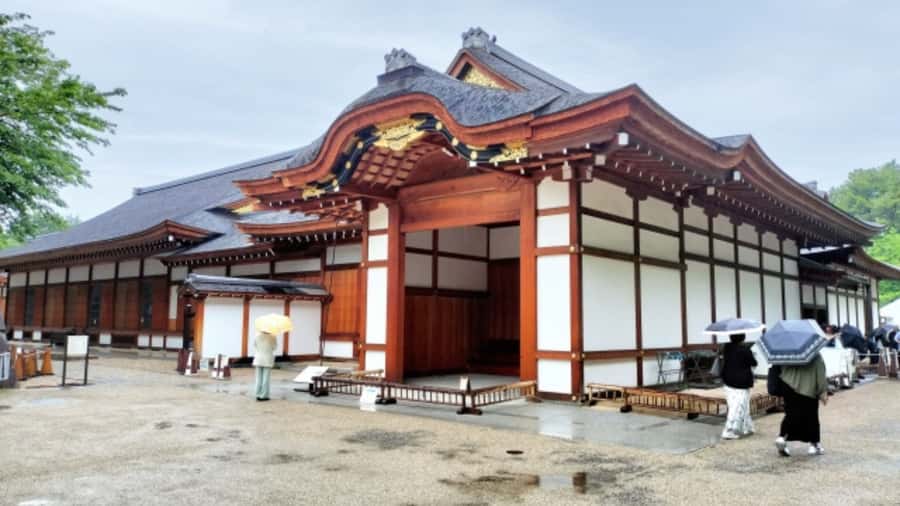
Honmaru Palace is the visual high point of the castle portion. The route includes its traditional stone walls and striking sliding screen paintings, details that give the visit much more character than a general outdoor walk.
The screen paintings are especially useful for understanding how decoration shaped important interiors. Your guide can explain the cultural meaning and setting of what you are seeing, rather than leaving you to admire the surfaces without context.
This is where the guide’s historical background becomes most useful. Several guides, including Mariko and Kanna, have been praised for keeping the group oriented and answering questions throughout the visit. That kind of organization matters inside a major site, where it is easy to lose track of the route or miss a detail while taking photographs.
Bring your camera, but do not let it take over. The paintings and architectural features are the reason to visit, and a short tour goes quickly. You will get more from the palace if you listen first, then take photographs when the guide gives you a natural pause.
One practical point is worth keeping in mind: the tour provides admission to Nagoya Castle, but personal expenses are separate. Food, drinks, souvenirs, and anything else you buy during the outing are not included.
Same region, a different set of walls:
- Osaka Castle: Museum and Tower Entry Ticket
★ 4.5 · 2,380 reviews - Tokyo Castle & Imperial PalaceーShogun Walking Tour
★ 4.7 · 1,068 reviews - Kyoto: Nijo-jo Castle and Ninomaru Palace Guided Tour
★ 4.7 · 1,020 reviews - Ultimate Osaka Walking Tour: Castle, Dotonbori & Hidden Gems
★ 5.0 · 862 reviews
Kinshachi Yokocho turns history into lunch talk
After the castle, the route moves to Kinshachi Yokocho for about 30 minutes. This area near Nagoya Castle is lined with traditional-style buildings, food options, and souvenir shops. It is not merely a snack stop. The guide uses it to introduce Nagoya’s local dishes and the food customs that make the city different from other Japanese destinations.
That shift from architecture to food is one of the tour’s best choices. You have just spent time learning about Nagoya’s past, and now you see how the city presents its identity through what it cooks and sells.
The guide will explain a variety of local dishes while you browse. This is useful if you are unfamiliar with Nagoya food and want to choose with some understanding rather than pointing at the first appealing item. You can ask questions, look through the shops, and decide whether you want to spend your own money on a snack or souvenir.
The 30-minute stop is both a strength and a limitation. It gives you enough time to get an introduction and make a quick purchase, but not enough for an unhurried meal or extensive shopping. Since food and drinks are not included, budget separately if you want to try something.
I would treat Kinshachi Yokocho as a sampler, not the final word on Nagoya’s dining scene. The guide may offer useful recommendations, and one guide, Toshi, has been praised for sharing a less tourist-focused place for sake tasting. Still, the main purpose here is to understand the local food culture and see the area, not to conduct a full food tour.
What the guide adds to a short visit
A castle can be visited independently, so the obvious question is why pay for a guide. The answer is efficiency and interpretation.
A guide keeps the route moving and helps you focus on the parts that matter most. You get the East Gate, Ninomaru Garden, Honmaru Palace, and the key architectural and historical points without spending your limited time working out what you are looking at.
The human element also seems important here. Guides have included Kanna, Risa, Mariko, Ray, Toshi, and Shu. Their strengths, as reflected in the available feedback, include friendly conversation, clear English, patience, local recommendations, and good time management. Mariko has been noted for keeping the group organized and on time. Ray has been appreciated for accommodating questions and offering local suggestions. Shu has been described as educational and easy to spend time with.
You cannot select a particular guide based on the information provided, so book this for the format and subject rather than for a guaranteed individual. The English language service is the constant. The exact personality and depth of discussion may vary with the guide assigned.
The tour also appears suitable for questions. That is useful in a place where visitors often want to ask about architecture, samurai culture, food, or the meaning of a particular feature. You should feel comfortable raising questions, while remembering that the schedule is fixed.
Is $41 a fair price?
At $41 per person, this is not the cheapest way to see Nagoya Castle. You can often explore major sites independently for less than the cost of a guided experience. The value depends on what you want from the visit.
The price includes Nagoya Castle admission and a live English-speaking guide. That makes the comparison fairer than looking only at the entrance fee. You are paying for someone to explain the site, set a route, answer questions, and connect the castle with local food culture.
For a first-time visitor, the cost is easier to justify. You get a structured introduction to two central Nagoya experiences in roughly 2.5 hours. For a cruise passenger or anyone with a tight schedule, that efficiency may matter more than saving a little money.
Independent visitors may prefer to spend several hours at the castle, return to favorite rooms, or eat without watching the clock. In that case, the guided format could feel restrictive. The tour is best value when your priority is orientation and context, not maximum freedom.
There is also a useful booking cushion: you can reserve and pay later, and cancellation is free up to 24 hours in advance for a full refund. Those terms help if your Nagoya plans may change, though you still need to check the exact departure option and meeting location before booking.
Who should book this Nagoya tour?
I would recommend it to first-time visitors who want a clear introduction without building the day around complicated planning. It is also well suited to cruise passengers, especially those who need a timed activity and want to see more than one part of the city.
History fans will appreciate the attention to samurai culture, castle architecture, Honmaru Palace, and the garden. Food-curious visitors will like the move to Kinshachi Yokocho, even though the food itself is not included.
It can work for solo visitors, couples, and small groups who prefer conversation and questions over a self-guided audio tour. The English service makes it accessible to people who want detailed explanations in a familiar language.
I would hesitate if you dislike guided pacing or want a long, relaxed meal. The schedule is compact, and the 30-minute food stop is designed for an introduction rather than a full dining experience. You should also reconsider if your meeting point is difficult to reach, since transportation is not included and the starting location can vary.
Practical advice for getting the most from it
Wear shoes you can walk and stand in comfortably. The castle grounds, garden, palace areas, and route to the food district make practical footwear more useful than stylish footwear.
Bring a camera and sunscreen. The tour includes outdoor areas, and bright weather can make the castle grounds feel more exposed. A small bottle of water may also be sensible, although drinks are not provided by the tour.
Arrive with a few questions in mind. Ask about the castle’s architecture, samurai culture, the meaning of the palace paintings, or the local dishes at Kinshachi Yokocho. A guide such as Toshi or Mariko may add more value when you engage rather than simply follow.
Do not plan a tight connection immediately after the advertised finish. The tour lasts approximately 2.5 hours, but the listed duration can range from 150 minutes to 3 hours depending on the selected option and schedule. If you are returning to a ship or catching transport, allow a reasonable cushion.
Finally, check the departure details at booking. The meeting point may be Nagoya Monument or 名古屋港ポートビル, and the route information lists the port building as a finish for one arrangement. The coordinates supplied for the meeting point are 35.18241330124308, 136.90480732801836, but the option you select should be your final reference.
Should you book it?
Book this tour if you want a guided first look at Nagoya and have limited time. The combination of castle history, Ninomaru Garden, Honmaru Palace, and local food makes the short schedule feel purposeful. The English-speaking guides add real value, particularly if you want explanations rather than a simple walk around the grounds.
Skip it if you prefer to explore independently, spend hours inside the castle, or plan your own food itinerary. At $41, the tour earns its price through admission, structure, and interpretation, not through included meals. For a cruise stop or first day in Nagoya, I think that trade is sensible.
FAQ
How long does the Nagoya tour last?
The tour lasts approximately 2.5 hours, or 150 minutes. The listed duration can range from 150 minutes to 3 hours depending on the starting option and schedule.
What language is the tour offered in?
The live guided tour is offered in English.
What does the tour include?
The tour includes a guided visit to Nagoya Castle, admission to the castle, Ninomaru Garden, and Honmaru Palace.
Is food included in the price?
No. Food and drinks at Kinshachi Yokocho are not included. You pay for any food, drinks, or souvenirs you choose to buy.
How much time is spent at Nagoya Castle?
The castle portion takes about 1.5 hours and includes sightseeing at the East Gate, Ninomaru Garden, Honmaru Palace, and other castle areas.
How long is the Kinshachi Yokocho stop?
You have about 30 minutes at Kinshachi Yokocho for a break, local food browsing, sightseeing, and shopping.
Where does the tour start?
There are two possible starting location options: Nagoya Monument and 名古屋港ポートビル. The meeting point depends on the option you book.
Is transportation to the meeting point included?
No. Transportation to and from the meeting point is not included.
What should I bring?
Bring comfortable shoes and a camera. Sunscreen is recommended on sunny days.
Can I cancel the booking?
You can cancel up to 24 hours in advance for a full refund. You can also reserve now and pay later, which keeps your plans flexible.
More History Tours in Japan
- Osaka: Castle History Walking Tour / Castle Tower Admission
★ 4.9 · 230 reviews - Kyoto: Nijo Castle World Heritage Guided Tour with Admission
★ 5.0 · 128 reviews - Himeji: Himeji Castle Guided Tour – UNESCO Heritage
★ 4.7 · 115 reviews - Kyoto: Nijo Castle World Heritage Guided Tour with Admission
★ 4.9 · 37 reviews
Just added around Japan
- Tokyo: Edo Castle and Imperial Palace Guided Walking Tour★ 5.0 · 6 reviews
- (Ticket Included) Explore Osaka Castle & Museum of History★ 4.8 · 21 reviews
- Peace Memorial Park, Hiroshima Castle, & Garden Private Tour★ 4.8 · 7 reviews
- Osaka: Osaka Castle Guided Tour with Local Guide★ 4.7 · 78 reviews
- Osaka: Osaka Castle – Tsuruhashi – Tennoji (Spanish Guide)★ 4.7 · 10 reviews
- Osaka: Early Morning Osaka Castle Guided Tour, Avoid Crowds★ 4.9 · 12 reviews
- Osaka: Explore Every Bit of Osaka Castle in 3 Hours★ 5.0 · 5 reviews
- Osaka: Osaka Castle 3 hours Historical Walking Tour★ 4.6 · 14 reviews
Historical Tours, compared.

Edinburgh: Edinburgh Castle Guided History Tour with Tickets
Read our review →
Charleston historical walking tour with a Professor of History at The Citadel
Read our review →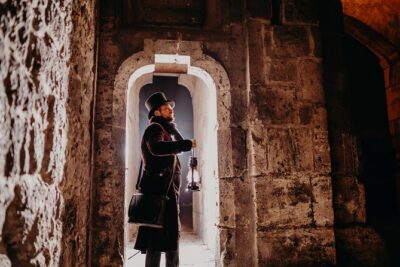
Buda Castle District Dark History, Legends and Vampire Night Tour
Read our review →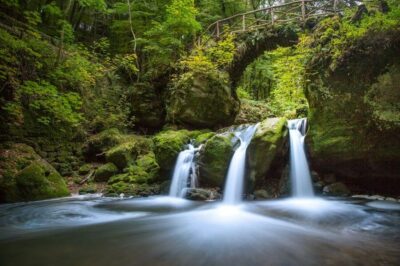
Luxembourg: Nature, History and Castles Full-Day Tour
Read our review →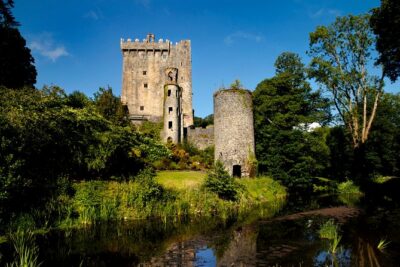
Dublin to Cork, Blarney Castle & Cóbh Heritage Centre by train
Read our review →
Historic Krakow : Old Town & Wawel Castle Walking tour
Read our review →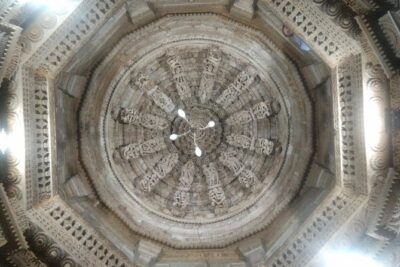
Private Heritage Walking Tour in Jaisalmer Fort and Old Bazaar
Read our review →
Lake Garda: Historic Castle Cruise with Wine Tasting
Read our review →Browse the lists this tour appears in