
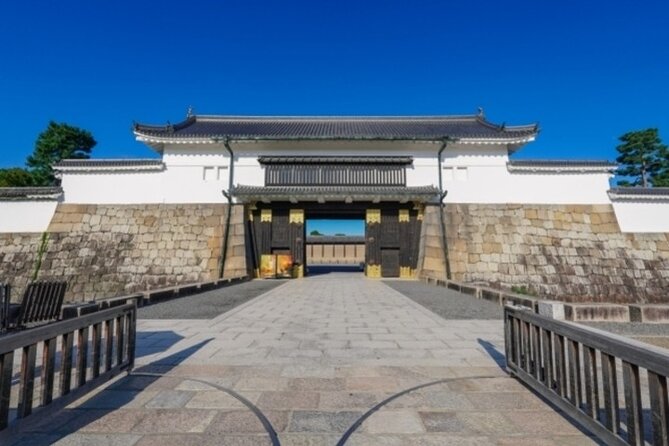
REVIEW · JAPANESE CASTLE TOURS
Kyoto: Nijo Castle World Heritage Guided Tour with Admission
Nijo Castle was built to make a political point. The Tokugawa shoguns ruled from Edo, now Tokyo, yet placed this lavish palace right beside the Emperor’s residence in Kyoto. The message was clear: the shogun held the real power. This tour brings that rivalry to life, then takes you to the room where shogun rule ended in 1867.
I like the small groups of no more than 10, since you can ask questions without shouting across a crowd. I also like the mix of palace interiors and photogenic gardens with koi swimming through the moats. The main consideration is time: 90 minutes gives you a focused introduction, not a slow, thorough visit to every corner of the grounds.
Key points to know
- The nightingale floors are the star detail: They chirp underfoot, once helping expose anyone moving through the palace.
- The palace was built for power, not battle: Room size, floor height, gates, and decoration all reinforced social rank.
- The final shogun’s surrender happened here: You’ll learn about Tokugawa Yoshinobu returning authority to the Emperor in 1867.
- A small English-speaking group keeps things personal: The tour is limited to 10 people, and some departures may feel almost private.
- Guides add cultural context: Nao, Naoya, Uta, and Benjamin are named in the feedback, with praise for clear explanations and friendly storytelling.
- You must remove your shoes: The palace visit is mostly flat, but this practical detail matters for comfort and mobility.
Why Nijo Castle tells Kyoto’s political story so well
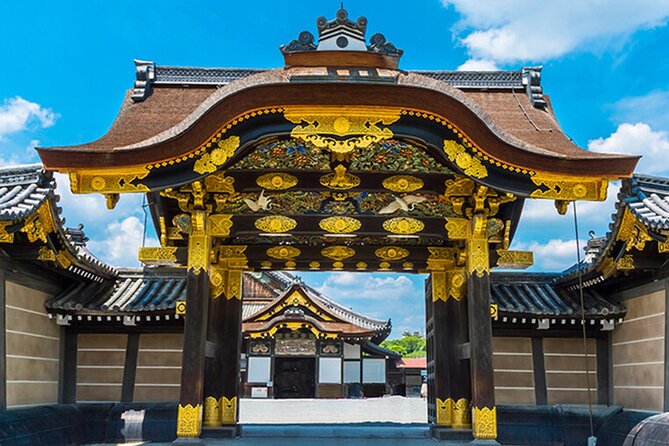
Many Japanese castles focus on warfare, stone walls, and defensive towers. Nijo Castle has those elements, but its most interesting work was psychological. It was designed to impress, control movement, and remind every visitor where power sat.
The Tokugawa family built the castle in Kyoto even though its government operated from Edo. The Emperor lived in Kyoto, so this palace put the shogun’s authority directly beside the imperial court. You are not simply looking at an old residence. You are walking through a carefully staged political statement.
That context makes the tour more useful than a quick visit on your own. The rooms and gates can look beautiful without explanation, but the guide shows how the building itself communicated rank. A larger room, a slightly raised floor, or a more elaborate decoration was not just an artistic choice. It told you who mattered.
I especially like this approach for anyone who knows little about the shogunate. You do not need a long background in Japanese history to follow the story. The guide connects the building to the rivalry between the Emperor and the shogun, then shows how that rivalry ended.
More Guided Castle Tours in Japan
- Kyoto: Nijo-jo Castle and Ninomaru Palace Guided Tour
★ 4.7 · 1,020 reviews - Kyoto: Nijo Castle, Kiyomizu & Fushimi Inari Guided Tour
★ 4.7 · 700 reviews - Kyoto: Imperial Palace & Nijo Castle Guided Walking Tour
★ 4.7 · 453 reviews
Meeting outside Nijōjō-mae Station
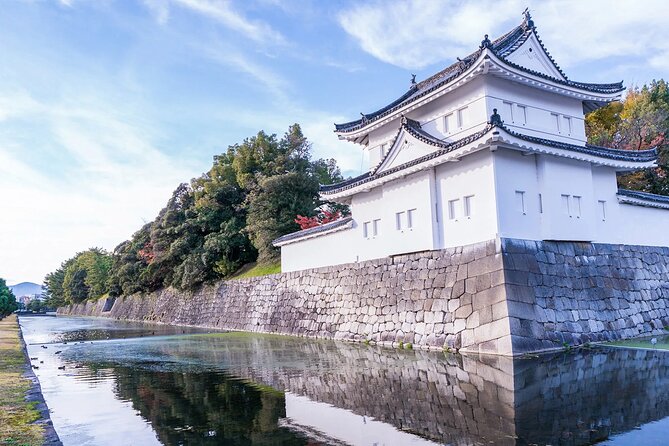
The meeting point is outside Exit 1 of Nijōjō-mae Station. Look for a guide holding a Local Guide Stars sign. This is a sensible starting point because you can go directly from the station to the castle entrance without spending time searching the surrounding streets.
The tour returns to the same station area after the castle visit. That makes the 90-minute plan easy to fit into a day of sightseeing. You can schedule it before another central Kyoto stop, or use it as a compact history lesson between meals and temple visits.
The activity is offered in English, and the group size is capped at 10. That limit matters here. Nijo Castle has many details that are easy to miss, from the changing height of the floors to the purpose of the layered corridors. In a large group, you might hear the main facts but lose the chance to ask about what catches your eye.
The guide names connected with this tour include Nao, Naoya, Uta, and Benjamin. The strongest pattern in the feedback is not one single script or performance, but the guides’ ability to explain clearly, answer questions, and adjust the pace. One person even received suggestions for other places to visit during the rest of the trip.
The palace begins with design, not defense
As you enter the castle grounds, pay attention to the way the route unfolds. The experience is not built around rushing to one famous object. The guide uses the gates, courtyards, corridors, and palace rooms to show how a visitor would have felt entering the shogun’s domain.
The route through Ninomaru Palace is the heart of the visit. This was a place for official meetings and formal appearances, so the rooms were arranged to reinforce hierarchy. Your position in the room mattered. The person with the highest rank received the most favorable placement, while others were kept at a lower level or farther from the center of authority.
The guide points out how floor height, room size, and decoration worked together. Those details can be easy to overlook if you are walking alone. With an explanation, they become part of a visual system. The palace was speaking through architecture.
I find this more memorable than a simple list of dates. You can see the power structure rather than only hear about it. The building did not need to threaten every visitor openly. Its arrangement made the rules plain.
Listening for the famous nightingale floors
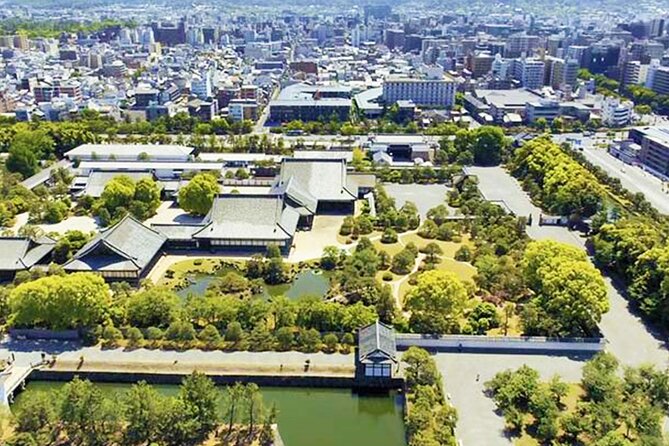
The nightingale floors are one of Nijo Castle’s best-known features, and the tour gives you a chance to experience them firsthand. The floorboards make a chirping sound as people walk across them. The effect is unusual, even after you know how it works.
These floors were designed to alert occupants to movement inside the palace. The sound made it harder for an intruder to move quietly through the building. It also added another layer of control to a palace already filled with gates, checkpoints, and carefully arranged spaces.
Do not expect a dramatic alarm. The charm is in the small detail: ordinary footsteps produce a soft, birdlike sound beneath you. This is one reason the guided visit works well for families and first-time visitors. It gives everyone something concrete to notice, instead of asking you to absorb a long explanation about politics.
The palace requires all visitors to remove their shoes. Wear socks you are comfortable walking in, especially if you dislike going barefoot in public places. The terrain is mostly flat, so the main mobility issue is the footwear rule rather than steep paths.
More Japanese Castle Tours in Japan:
- Osaka Castle: Museum and Tower Entry Ticket
★ 4.5 · 2,380 reviews - Osaka Castle Walking Tour and Castle Tower Admission
★ 5.0 · 561 reviews - From Osaka: Himeji Castle, Arima Onsen & Mt. Rokko Day Tour
★ 4.6 · 339 reviews - 5-Hour Osaka Bike Tour to the Neighborhood of Osaka Castle
★ 5.0 · 319 reviews
Corridors, gates, and the art of intimidation
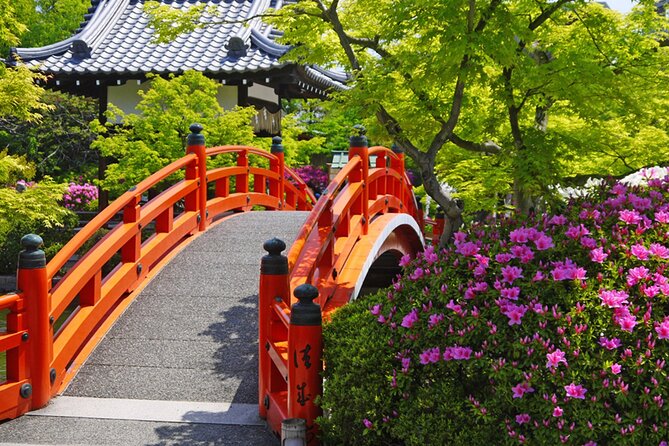
Nijo Castle’s corridors and gates were arranged to make movement feel controlled. The route did not simply lead from one room to another. It managed who could approach, how long they might wait, and how the shogun’s authority was presented.
The guide explains how the layered spaces could overwhelm visitors psychologically. You pass through one threshold, then another, with the palace revealing itself in stages. The design made the visitor aware of rank before any formal meeting began.
This is where the tour’s focus on shogun and Emperor rivalry becomes especially useful. The castle was built close to the Emperor’s residence, yet it felt like the seat of a competing power. The contrast is part of the point. Kyoto remained the imperial city, but the Tokugawa family wanted everyone to understand who governed Japan in practice.
You will also see lavish decoration inside the palace. The rich visual treatment was not just for comfort. It helped create an atmosphere of authority and reinforced the difference between the ruling family and those who came to pay their respects.
The room where shogun rule ended
The tour’s most important historical moment comes near the end of the political story. In 1867, Tokugawa Yoshinobu returned governing authority to the Emperor at Nijo Castle. This ended more than 260 years of Tokugawa shogunate rule and helped set Japan on the path to the Meiji Restoration.
The power of this stop comes from its setting. You are not only hearing that a government changed. You are standing in the room associated with that transfer of authority. The palace that once displayed shogun power became part of the story of its surrender.
This gives the visit a satisfying arc. The tour begins with the Tokugawa family asserting control beside the Emperor’s residence. It ends with that authority being handed back. The same building frames both the rise and the fall of the shogunate.
If you have read about the Tokugawa period or watched historical dramas, this part may carry extra weight. But the guide explains the basic sequence clearly enough for anyone. You do not need prior knowledge to understand why the moment mattered.
Gardens, moats, and a welcome change of pace
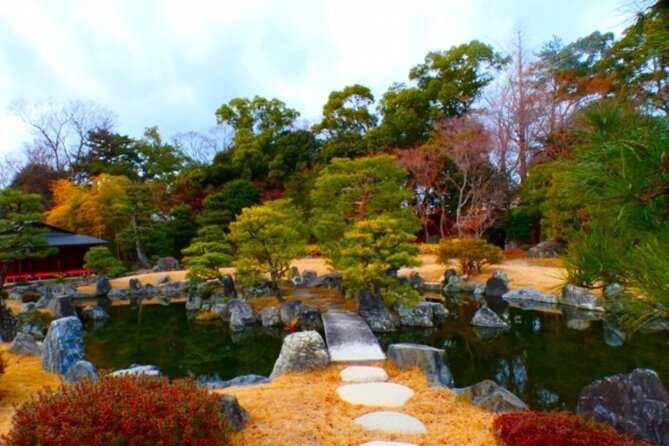
The palace interiors carry the political drama, while the gardens provide a calmer side of the visit. Nijo Castle has photogenic grounds and moats where colorful koi carp swim. These areas give you time to look around without the same pressure to follow architectural details.
The contrast is useful. Inside, you are watching for floor levels, room arrangements, and palace sounds. Outside, you can pause for the gardens and water. The koi add an easy visual highlight, especially if you are visiting with children or need a break from formal interiors.
The garden portion is not presented as a separate nature tour, so do not book this experience expecting a long garden walk. The focus remains the castle’s political and architectural story. Still, the outdoor spaces help keep the 90-minute route varied.
Bring your camera, but remember that the palace interiors may have restrictions on what you can photograph. The information provided does not specify every photography rule, so follow the instructions given on site.
How much the 40 dollar price is worth
At $40 per person, this is not the cheapest way to enter Nijo Castle. The value depends on how much explanation you want. Admission is included, and the price also covers the 90-minute English guided walk.
For a visitor who would otherwise enter, look at the rooms, admire the gardens, and leave without understanding the political design, the added cost is reasonable. The guide turns details into a connected story: the shogun’s authority, the Emperor’s position, the nightingale floors, the palace hierarchy, and the final transfer of power.
The small group also improves the value. A group of up to 10 gives you a better chance to ask about the features you care about. Several guide names receive praise for friendly explanations, humor, cultural context, and useful suggestions for the rest of a Kyoto trip.
The price is less compelling if you prefer to wander at your own speed or spend a long time taking photographs. The tour follows a set 90-minute structure, and the guide’s explanations naturally shape your pace. You may want extra time at the castle after the tour, but the information provided does not confirm whether an additional independent visit is permitted, so check the current arrangements when booking.
What the guides add to the experience
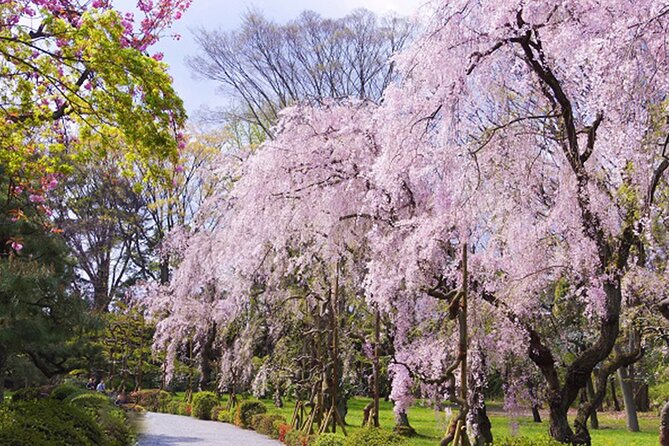
The human side of this tour is one of its strongest features. Nao is praised for detailed explanations and storytelling, while Naoya is described as clear, friendly, and helpful with local culture. Uta is noted for keeping the group interested from start to finish, and Benjamin for mixing facts with humor and answering questions.
The guide quality matters because Nijo Castle can be visually impressive but historically dense. A good explanation helps you notice why a room is arranged in a certain way, not just that it looks attractive.
The small group gives the guide room to adapt. A family with children, older relatives, or people with different levels of background knowledge can ask for clarification without slowing down a large crowd. One family with two children and several older adults found the pace and explanations suitable for everyone.
Do keep expectations practical. Guide assignments can change, so you should not book on the assumption that one named person will lead your specific departure. The names above show the range of guides associated with the experience, not a guaranteed schedule.
Who should book this castle tour?
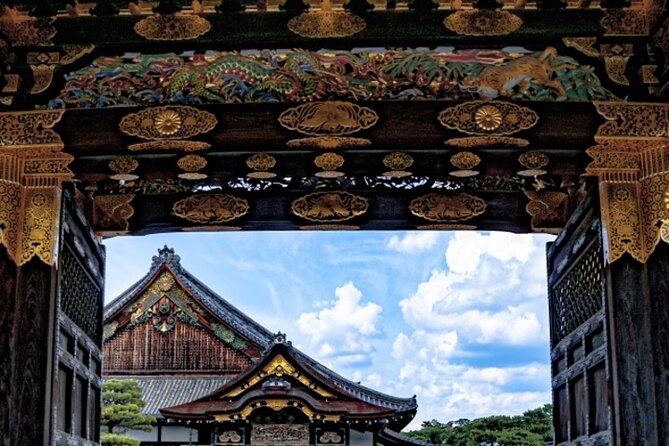
I would recommend this tour to first-time visitors to Nijo Castle, anyone interested in the Tokugawa period, and people who prefer a clear story over a self-guided walk. It also suits families and mixed-age groups because the nightingale floors, koi, and palace design give different age groups something to notice.
It is a good choice if you have only a short window in central Kyoto. The 90-minute length is long enough to cover the main palace and political story without taking over your entire day.
You may want to skip it if you dislike scheduled walks, want extensive free time for photography, or already know Nijo Castle’s history very well. Independent visitors can enjoy the setting, but this tour’s main benefit is interpretation.
The route is mostly flat and wheelchair accessible according to the activity details. The shoe removal inside the palace remains important, so anyone with footwear or balance concerns should plan accordingly.
Booking details worth knowing
You meet outside Exit 1 of Nijōjō-mae Station, where the guide carries a Local Guide Stars sign. The tour lasts 90 minutes, is conducted in English, and includes castle admission.
You can reserve without paying immediately, which helps if your Kyoto schedule is still shifting. Cancellation is free up to 24 hours before the activity for a full refund. Starting times vary, so check availability for your chosen date.
The overall rating is 4.9 from 37 reviews, with repeated praise for the guides’ clear English, historical detail, warmth, and ability to answer questions. The most useful takeaway is simple: the experience depends heavily on the guide, and the small format gives that guide room to make the castle feel personal.
Should you book it?
Book this tour if you want Nijo Castle to make sense, not just look beautiful. The nightingale floors and koi-filled gardens are enjoyable on their own, but the real payoff is understanding how the castle displayed shogun authority and later witnessed its end.
At $40, it offers good value for a focused English tour with admission included, especially if you have limited time or are visiting with family. Choose it with realistic expectations: this is a compact guided introduction, not an all-day examination of every garden and building.
FAQ
Where does the Nijo Castle tour meet?
Meet outside Exit 1 of Nijōjō-mae Station. The guide will be holding a sign that says Local Guide Stars.
How long does the tour last?
The guided experience lasts 90 minutes.
Is admission to Nijo Castle included?
Yes. Castle admission is included in the $40 per person price.
What language is the tour conducted in?
The tour is conducted in English with a live guide.
Is the tour suitable for wheelchair users?
The activity is listed as wheelchair accessible, and the route is mostly flat. You must remove your shoes when entering the palace.
How many people are in the group?
The tour is limited to 10 participants, although a departure may have fewer people and can sometimes feel almost private.
More History Tours in Japan
- Osaka: Castle History Walking Tour / Castle Tower Admission
★ 4.9 · 230 reviews - Kyoto: Nijo Castle World Heritage Guided Tour with Admission
★ 5.0 · 128 reviews - Himeji: Himeji Castle Guided Tour – UNESCO Heritage
★ 4.7 · 115 reviews - 2.5-Hour Nagoya Tour: Castle History, Local Food & City View
★ 4.5 · 36 reviews
Just added around Japan
- Tokyo: Edo Castle and Imperial Palace Guided Walking Tour★ 5.0 · 6 reviews
- (Ticket Included) Explore Osaka Castle & Museum of History★ 4.8 · 21 reviews
- Peace Memorial Park, Hiroshima Castle, & Garden Private Tour★ 4.8 · 7 reviews
- Osaka: Osaka Castle Guided Tour with Local Guide★ 4.7 · 78 reviews
- Osaka: Osaka Castle – Tsuruhashi – Tennoji (Spanish Guide)★ 4.7 · 10 reviews
- Osaka: Early Morning Osaka Castle Guided Tour, Avoid Crowds★ 4.9 · 12 reviews
- Osaka: Explore Every Bit of Osaka Castle in 3 Hours★ 5.0 · 5 reviews
- Osaka: Osaka Castle 3 hours Historical Walking Tour★ 4.6 · 14 reviews
Japanese Castle Tours, compared.
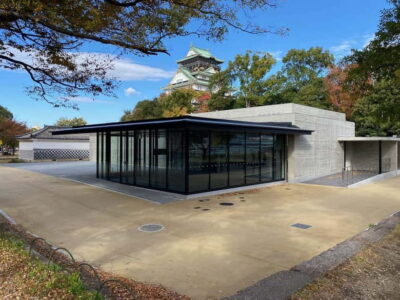
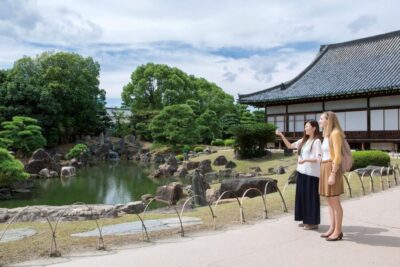
Kyoto: Nijo-jo Castle and Ninomaru Palace Guided Tour
Read our review →
Kyoto: Nijo Castle, Kiyomizu & Fushimi Inari Guided Tour
Read our review →
Osaka Castle Walking Tour and Castle Tower Admission
Read our review →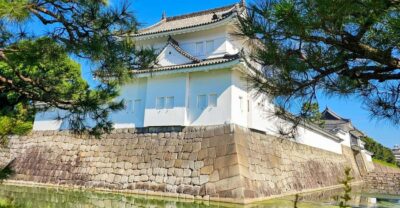
Kyoto: Imperial Palace & Nijo Castle Guided Walking Tour
Read our review →
From Osaka: Himeji Castle, Arima Onsen & Mt. Rokko Day Tour
Read our review →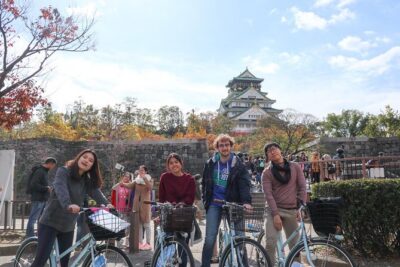
5-Hour Osaka Bike Tour to the Neighborhood of Osaka Castle
Read our review →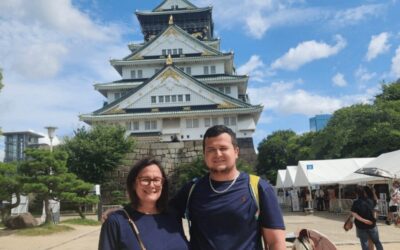
Browse the lists this tour appears in