
REVIEW · FORTRESS & CITADEL TOURS
San Leo: Fortress Entry Ticket and Cagliostro’s Prison
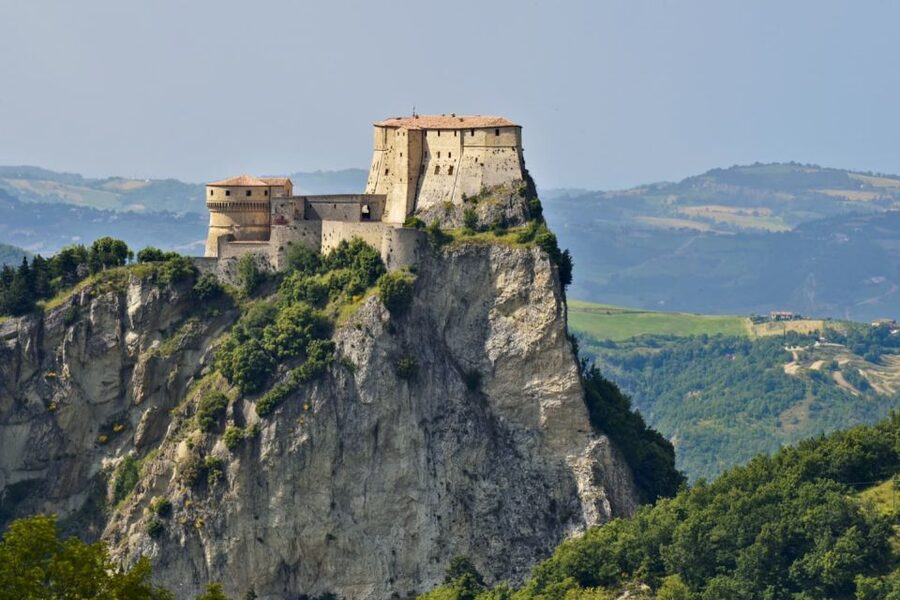
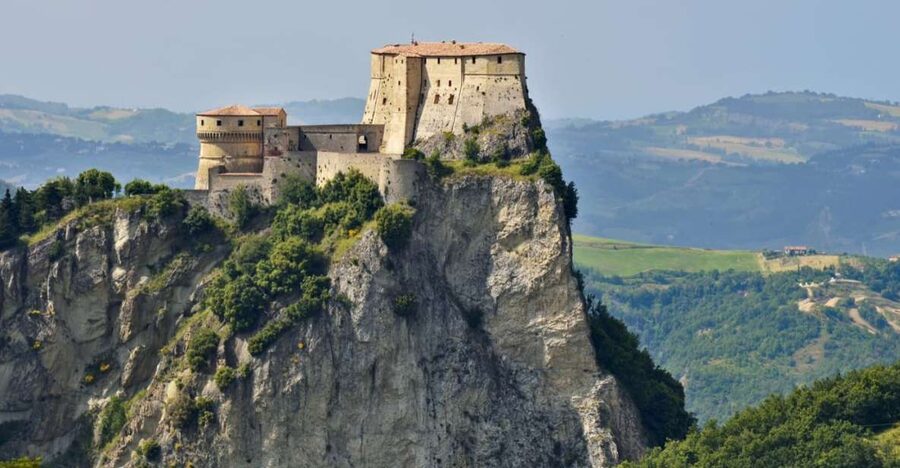
San Leo Fortress is the sort of place where the building itself tells the main story. Perched above the small village of San Leo, it began with Roman roots and later became one of Italy’s great military strongholds. Inside, you’ll find Cagliostro’s prison cell and rooms filled with weapons, wartime objects, torture instruments, and art.
I like the way the $11 ticket brings several different experiences together: the fortress architecture, the unusual Cagliostro story, and the Musleo virtual ecomuseum. I also like that the ticket is valid for one day, so you can take your time instead of racing through every room.
The main drawback is language. Some signs are only in Italian, so visitors who do not read Italian may need to rely on the objects, displays, and their own preparation to fill in the story.
Key points to know before you go
- Cagliostro’s cell: See the prison room associated with the famous alchemist and magician.
- Weapons from several periods: Displays range from 1500s arms to equipment connected with the First and Second World War.
- Fortress architecture: Walk through towers, rooms, and defensive works in one of Italy’s best-known military buildings.
- A small village setting: San Leo has fewer than 3,000 inhabitants, giving the visit a quiet, local feel.
- Musleo ecomuseum: Use the virtual museum to learn more about San Leo and its surroundings.
- Italian-only information: Check the displays carefully, but plan for limited English explanation.
San Leo Fortress, a stronghold above Romagna
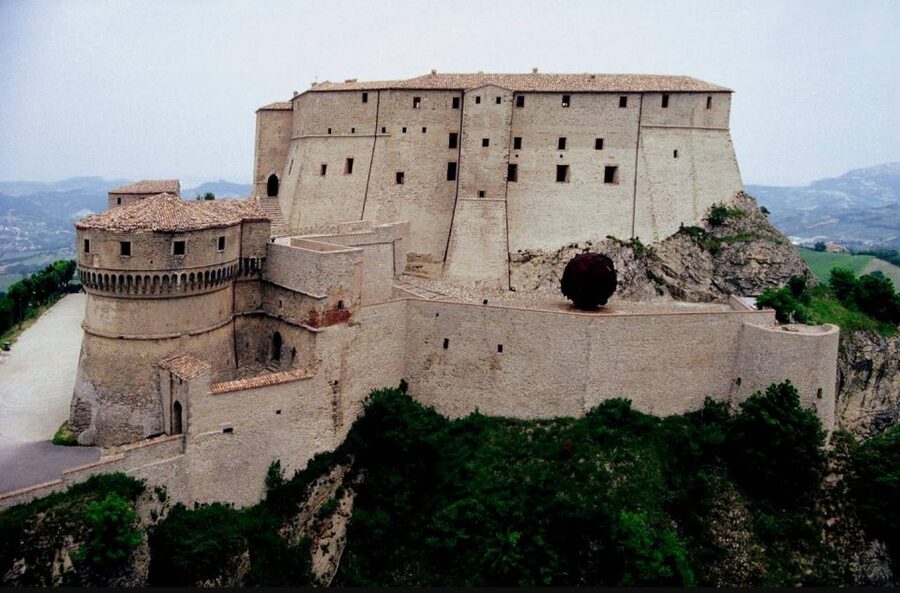
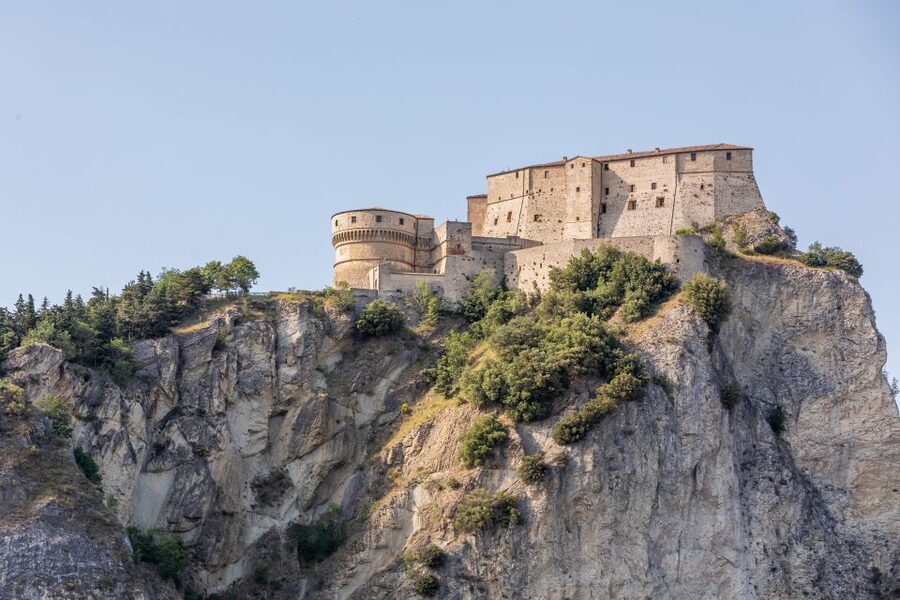
San Leo Fortress sits at the top of the village of San Leo in Emilia-Romagna, inland from Rimini. Its position is the first thing to understand. This was not built as a decorative palace. It was designed to control and defend a difficult hilltop site.
The fortress has Roman origins, and that old foundation gives the visit a useful sense of time. You are not looking at one tidy period of architecture. The site reflects centuries of military use, changing weapons, and changing ideas about defense.
I like places where the setting and the collection support each other, and San Leo does that well. The thick walls, towers, and fortified sections explain why the building mattered. The objects inside then show how warfare and imprisonment changed over time.
The village below has fewer than 3,000 inhabitants. That makes San Leo feel quite different from a large city monument. You are visiting a major historic site in a small community, not a crowded urban museum with rows of nearby attractions.
More Castle Entry Tickets in Italy
- Castel Sant’Angelo Entry Ticket & Audioguide
★ 4.4 · 5,472 reviews - Rome: Castel Sant’Angelo Entry Ticket & Digital Audioguide
★ 4.7 · 5,347 reviews - Rome: Castel Sant’Angelo Entry Ticket & Audio App
★ 4.3 · 4,952 reviews
What you see after entering
The ticket gives you access to the fortress rooms, towers, and fortifications. There is no separate charge listed for Cagliostro’s cell, the Musleo virtual ecomuseum, or the exhibitions, so you can treat these as parts of one visit.
Begin by getting your bearings inside the building. The fortress can be understood in three layers: the structure, the collections, and the people connected with the site. The structure is the stonework and defensive layout. The collections include weapons, torture instruments, wartime pieces, and art. The personal stories give the place its human edge.
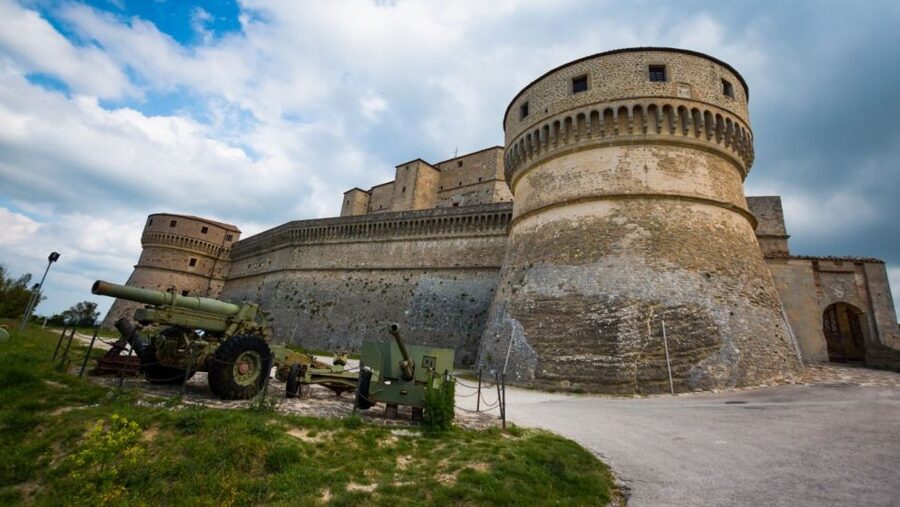
You will find a collection of weapons dating from the 1500s, followed by displays connected with the First and Second World War. That spread is useful because it lets you compare very different periods rather than seeing only one narrow slice of military history.
The modern military objects also prevent the fortress from feeling frozen in the Renaissance. A building that began with Roman roots continued to matter long after its earliest use. The exhibits help show that the fortress had a working life, not just a grand architectural one.
Cagliostro’s prison and the most memorable room
The most distinctive stop is the cell associated with Count Cagliostro, described here as an alchemist and magician. His imprisonment gives San Leo a story that is more personal and mysterious than the usual account of walls, cannons, and defensive towers.
You should set aside enough time to look closely at the cell rather than treating it as a quick photo stop. A prison room is a small space, but it changes how you read the entire fortress. The thick defenses no longer seem abstract. They become part of a system that could hold a real person for a long period.
The information provided does not give a detailed biography of Cagliostro or a full account of his imprisonment. Still, the cell is a clear reason to visit. It gives the tour a memorable focal point, especially if you enjoy stories involving controversial historical figures, secretive reputations, and old prisons.
I would not choose this ticket only for Cagliostro if you want a full guided explanation of his life. No guide or named historian is included in the information available. Instead, think of the cell as one strong part of a wider fortress visit.
Weapons, torture instruments, and wartime displays
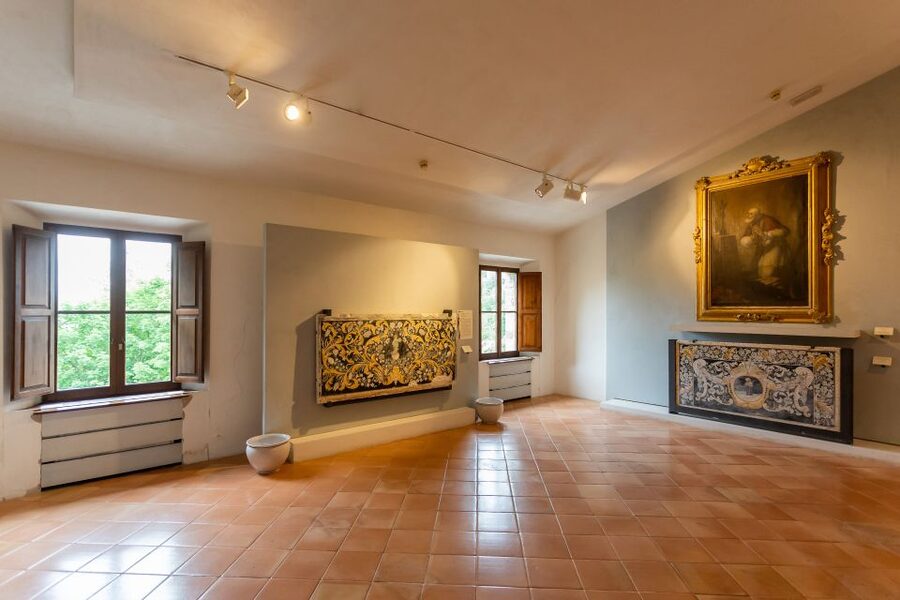
The weapons collection is one of the more useful parts of the experience because it covers both older and modern periods. The 1500s pieces connect with the fortress’s military identity, while the First and Second World War displays bring the story closer to the present.
The torture instruments create a darker section of the visit. These objects may interest you if you want to understand the harsher side of justice and imprisonment, but they are not light entertainment. Families should decide for themselves if this part suits younger children.
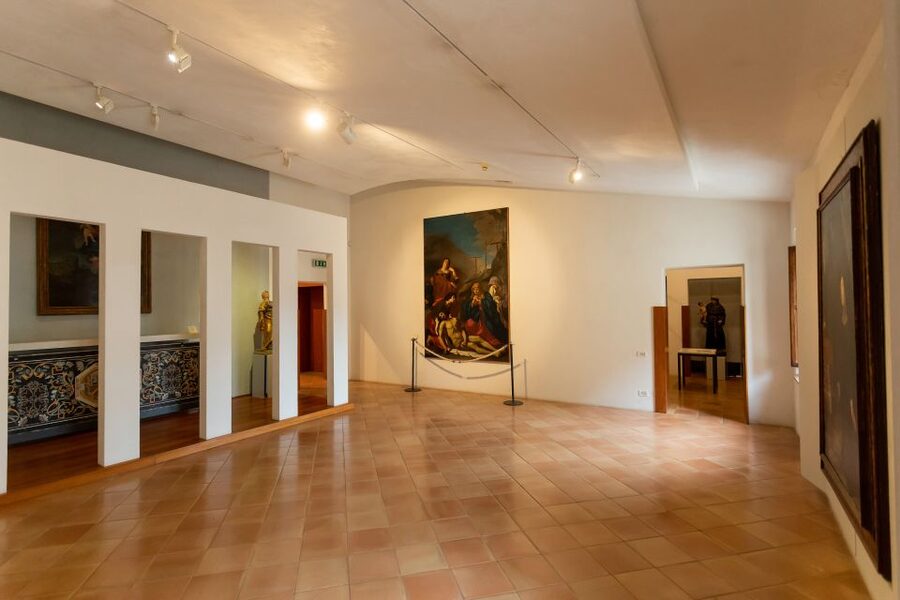
The exhibits are varied enough to keep the visit from becoming a simple walk through empty rooms. You can move from arms to prison history, from wartime objects to architectural details, and then to contemporary works. That variety is a good reason to spend more than a quick half hour inside.
A Vasari fresco replica showing the Medici family’s taking of San Leo adds an artistic and political layer. It connects the fortress to the struggles for control that shaped the region. The replica is not the original work, but it helps explain how the fortress became part of larger power contests.
The site also includes exhibitions of contemporary works. This may seem surprising in a medieval or Renaissance stronghold, but it gives the building a current purpose. You are not only looking backward. The rooms continue to serve as exhibition spaces.
More Fortress and Citadel Tours in Italy
- Fortress: Prisons, Museum of Fortifications and Alps Museum
★ 4.5 · 125 reviews - Lucca: Renaissance City Walls Walking Tour
★ 4.5 · 104 reviews - Pastrengo: Lake Garda Wine & Food Tasting in Historic Fort
★ 4.7 · 73 reviews - Bard: Fortress Exhibitions and Museums Entrance
★ 4.3 · 29 reviews
Musleo, the virtual ecomuseum
The Musleo virtual ecomuseum is included with admission. It offers another way to understand San Leo beyond the fortress walls.
The supplied information does not specify the exact format, languages, or devices used for Musleo. You should therefore think of it as an additional interpretation tool, not a guaranteed substitute for an English-language guide.
I like the idea of pairing a virtual museum with a historic fortress. Stone walls can tell you where you are, but a digital presentation may help connect the building with the wider area. If you are interested in how San Leo fits into the history and culture of the surrounding territory, allow time for this section.
Because the visit is valid for one day, you do not need to force every display into one rushed circuit. The ticket gives you room to spend longer with the museum or return to a room that caught your attention.
How long to allow and when to visit
The admission is valid for one day. The activity information does not give a fixed tour length or a required starting time, so your pace is up to you within the fortress’s opening hours.
Plan your visit around the closing time, not only the opening time. Several schedules specify a final entry 45 to 60 minutes before closing. Arriving near the end of the day could leave you with too little time for the rooms, cell, towers, fortifications, and museum.
The opening details supplied are seasonal:
- From March 31 to June 29, Monday to Friday hours are 10:30 a.m. to 6 p.m. On Saturdays, Sundays, and public holidays, hours are 10 a.m. to 7 p.m.
- In October, weekday hours are 10:30 a.m. to 5:45 p.m., with final entry at 5 p.m. Weekend and holiday hours are 10:30 a.m. to 6:45 p.m., with final entry at 6 p.m.
- In November, weekday hours are 10:30 a.m. to 5 p.m., with final entry at 4:15 p.m. Weekend and holiday hours are 10 a.m. to 5:45 p.m., with final entry at 5 p.m. Tuesdays are closed.
- In December, weekday hours are 10:30 a.m. to 5 p.m., with final entry at 4:15 p.m. Weekend and holiday hours are 10 a.m. to 5:45 p.m., with final entry at 5 p.m. Tuesdays on December 3, 10, and 17 are closed. On December 25, the fortress opens from 2 p.m. to 5 p.m.
- In January, weekday hours are 10:30 a.m. to 5 p.m., with final entry at 4:15 p.m. Weekend and holiday hours are 10 a.m. to 5:45 p.m., with final entry at 5 p.m.
The schedule provided does not list every month, so check the current availability before setting out. It also lists free-entry dates on November 3 and 4, December 1, and January 5. Confirm those dates and the opening times before relying on them.
The language issue and how to handle it
The biggest practical concern is the signage. Some information is in Italian only. That matters because a fortress collection is easier to appreciate when you understand who used the rooms, what the weapons did, and why Cagliostro was held there.
You can still see the architecture and objects without reading Italian, but the experience may feel less complete. If you want more context, prepare before arrival by reading about San Leo, the fortress, and Cagliostro.
Do not assume that every exhibit has an English translation. The available information confirms the Italian-only issue but does not identify an audio guide, printed English guide, or English-speaking staff member. Ask at the entrance if any language support is available on the day you visit.
This is a better choice for independent sightseeing than for anyone seeking a detailed, guided lecture. You control your pace, but you also need to supply some of the background yourself.
Is the $11 ticket good value?
At $11 per person, the ticket is reasonably priced for the range of material included. You are not paying only to enter a building. The admission covers the fortress rooms, defensive works, Cagliostro’s cell, the weapons displays, torture instruments, wartime exhibits, contemporary art, and the Musleo virtual ecomuseum.
Value depends on how you visit. If you rush through the fortress in 20 minutes, the price may feel less attractive. If you take time with the exhibits and architecture, the one-day validity makes the ticket more useful.
The price is also easy to justify for visitors already exploring San Leo. The fortress is the central historic attraction described here, and the ticket brings several connected displays into one visit. You do not need to choose between a prison room and a weapons collection.
Free cancellation up to 24 hours before the visit and the reserve-now, pay-later option make the booking flexible. These terms matter if your schedule around Rimini or the surrounding countryside may change.
Who will enjoy San Leo Fortress most?
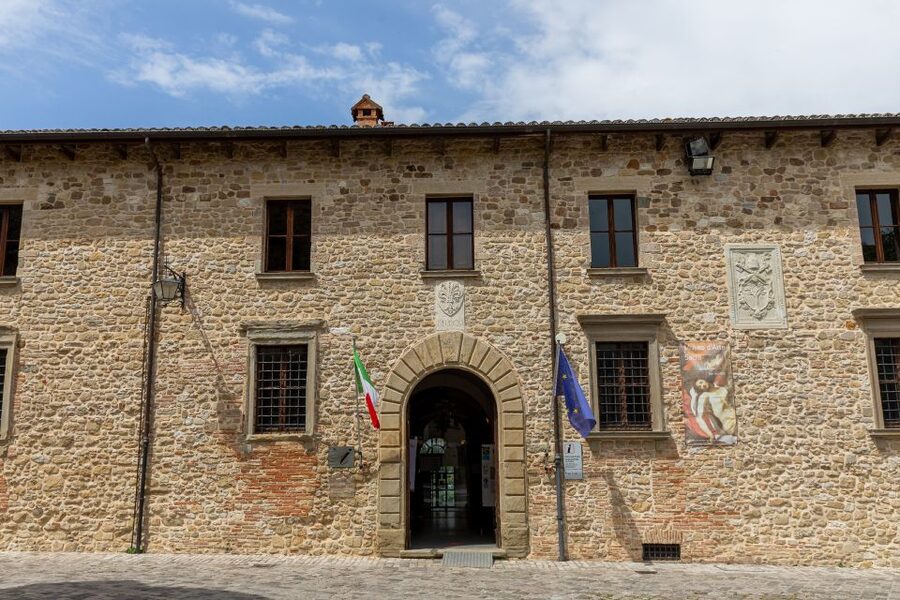
I would recommend this experience to you if you like old military buildings, prison history, weapons, or unusual historical characters. It also suits people who prefer a self-paced visit and do not need a guide moving the group from room to room.
It is a good choice for a day in Emilia-Romagna that includes a small hilltop village rather than only major cities. The fortress gives you a clear reason to visit San Leo, while the village setting keeps the outing focused and manageable.
Families should consider the torture collection and the amount of Italian-language signage. Adults and older children who enjoy history may find the variety engaging, but the darker exhibits will not suit everyone.
The activity is listed as not suitable for people over 95 years old. No other accessibility details are provided, so you should contact the operator before booking if stairs, uneven surfaces, or fortress access are concerns.
Should you book this fortress visit?
Book it if you want a strong historic site with several different subjects under one ticket. The best reasons are Cagliostro’s cell, the wide date range of the weapons displays, and the chance to explore a major fortress in a village of fewer than 3,000 people.
Skip it if you need a fully guided English-language experience or want every display clearly explained in English. The Italian-only signage can limit the historical detail you take away.
For most independent visitors already planning to see San Leo, $11 is a fair price. Give yourself enough time for the rooms, fortifications, Cagliostro’s prison, Musleo, and the bookshop. Check the seasonal hours before you go, especially in the shorter winter opening period.
FAQ
Where is San Leo Fortress?
San Leo Fortress is in San Leo, in the Emilia-Romagna region of Italy, in the hinterland of Rimini.
How much does admission cost?
The listed price is $11 per person.
How long is the ticket valid?
The ticket is valid for one day.
Is Cagliostro’s prison included?
Yes. Entry includes a visit to the cell associated with Count Cagliostro, described as an alchemist and magician.
What collections can I see inside?
You can see 1500s weapons, First and Second World War exhibits, torture instruments, historical objects, contemporary works, and a replica of a Vasari fresco.
Is the Musleo ecomuseum included?
Yes. The virtual Musleo ecomuseum is included with the fortress admission.
Are the signs available in English?
Some signs are in Italian only. The available information does not confirm that all displays have English translations.
Can I cancel my booking?
Yes. You can cancel up to 24 hours in advance for a full refund.
Can I reserve now and pay later?
Yes. The booking terms allow you to reserve your place and pay later.
Is the fortress open every day?
Opening days change by season. The supplied schedule says the fortress is closed on Tuesdays during parts of November and December, so check the current opening information before visiting.
Just added around Italy
- HIKING TOUR: VARENNA, Castle of VEZIO Villa MONASTERO, FIUMELATTE★ 5.0 · 48 reviews
- Walking tour Castel del Monte Unesco site★ 5.0 · 5 reviews
- Castel del Monte & Matera: Private Tour from Bari or Matera★ 5.0 · 5 reviews
- TRANI and Castel Del Monte UNESCO from your accomodation★ 4.5 · 19 reviews
- Castel del Monte: excursion in the Alta Murgia National Park★ 4.5 · 6 reviews
- Castles of Puglia Day Trip from Bari★ 4.5 · 7 reviews
- Tour of the fortifications of Bari: the defenses of the city and their history★ 5.0 · 15 reviews
- Bike Tour into the nature around Castel del Monte★ 5.0 · 7 reviews
Fortress & Citadel Tours, compared.

Full Day Taj Mahal, Agra Fort & Baby Taj Tour from Delhi by Car
Read our review →
Fort Sumter Admission and Self-Guided Tour with Roundtrip Ferry
Read our review →
Carcassonne: Castle and Ramparts Entry Ticket
Read our review →
Charleston: Fort Sumter Entry Ticket with Roundtrip Ferry
Read our review →
Same Day Taj Mahal, Fort & Baby Taj Tour from Delhi by Car
Read our review →
From Delhi: Taj Mahal and Agra Fort Private Sunrise Tour
Read our review →
Sunrise Taj Mahal, Agra Fort & Baby Taj Tour from Delhi by Car
Read our review →
Salzburg: Hohensalzburg Fortress Admission Ticket
Read our review →Browse the lists this tour appears in