
REVIEW · JAPANESE CASTLE TOURS
Nagano/Matsumoto: Matsumoto Castle and Narai-juku Day Trip
Matsumoto Castle and Narai-juku make an excellent pair: one shows Japan’s warrior past, the other reveals how ordinary people traveled and lived along the old Nakasendo road. You’ll climb through Matsumoto Castle, then wander timber-lined streets in the Kiso Valley.
I like the smart mix of guided history and free time. I also like that transportation, the castle ticket, and both walking tours are bundled together, which saves you from piecing together regional trains and buses. The main catch is the long day, with about 100 minutes to Matsumoto, an hour to Narai-juku, and more than two hours returning to Nagano.
Key points at a glance
- Climb Japan’s oldest surviving five-tiered, six-story castle tower: The stairs are narrow and very steep, but the woodwork, weapons, and city views reward the effort.
- Browse more than 50 shops on Frog Street: Nawate-dori mixes frog-themed souvenirs with rice crackers, taiyaki, candy, ice cream, cafés, and small restaurants.
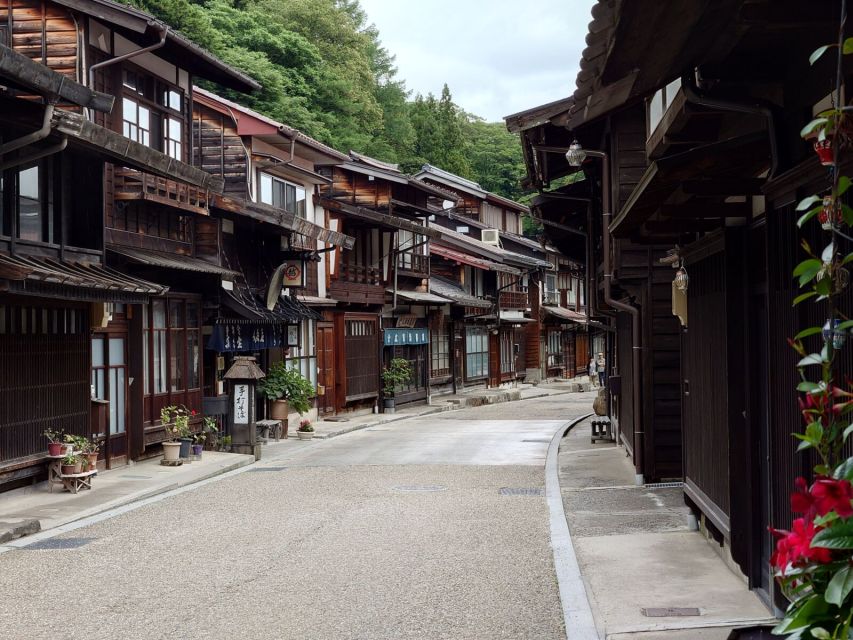
- Walk through an Edo-era post town: Narai-juku preserves the look and feel of an old stopping place on the Nakasendo route.
- Travel with an English-speaking guide: Guides including Shawn, Nadin, and Joyce have brought history, food advice, and cultural details to the day.
- Choose your start and finish point: You can join at Nagano Station, Matsumoto Station, or Kokusai 21, with the same three drop-off choices.
- Prepare for weather and walking: Snow, rain, steep stairs, and uneven streets are all possible, especially in winter.
Why these two towns work together
Matsumoto and Narai-juku tell different parts of the same regional story. Matsumoto grew around a castle and gives you a direct look at samurai power, defense, and status. Narai-juku served people moving between Tokyo and Kyoto on the Nakasendo, so its appeal is quieter and more domestic.
The contrast keeps the day from feeling repetitive. At Matsumoto, you study a major historic structure and climb inside it. At Narai-juku, you simply walk the old main street, look at wooden buildings, and imagine the steady flow of travelers who once stopped there for food and rest.
The price is $180 per person. That is not a bargain-priced bus outing, but it can be fair value if you are staying in Nagano and want both places in one day. Transport between the stops, the Matsumoto Castle admission, an English-speaking guide, and the guided walk in Narai-juku are included. You still pay for lunch and any extra travel costs, but you avoid arranging a complicated regional day by yourself.
More Castle Day Trips in Japan
- From Osaka: Himeji Castle, Arima Onsen & Mt. Rokko Day Tour
★ 4.6 · 339 reviews - 1-Day Tour from Nagano and Matsumoto Kamikochi & Matsumoto Castle
★ 5.0 · 105 reviews - Full-Day Tour: Matsumoto Castle & Kamikochi Alpine Valley
★ 4.8 · 78 reviews
Starting from Nagano, Matsumoto, or Kokusai 21
You have three possible pickup points: Nagano Station, Matsumoto Station, and Kokusai 21. The exact meeting point depends on the option you book, so check it carefully before setting out.
The day begins with a coach ride. From Nagano, the first trip to Matsumoto takes about 100 minutes. If you join at Matsumoto Station, you skip that first leg. Once everyone is aboard, the guide leads the group into central Matsumoto.
This setup is useful if your base is Nagano but you do not want to work out the connections yourself. It is also practical for people already staying in Matsumoto. The tradeoff is fixed timing. You do not have the freedom of a private car or an independently planned train trip, and the whole day runs on the group schedule.
The transport itself received a perfect score for comfort from all recorded ratings, but remember that this is still a full day on the road. Bring water, snacks if you like them, and something to occupy you during the longer rides.
Frog Street and Matsumoto’s castle-town character
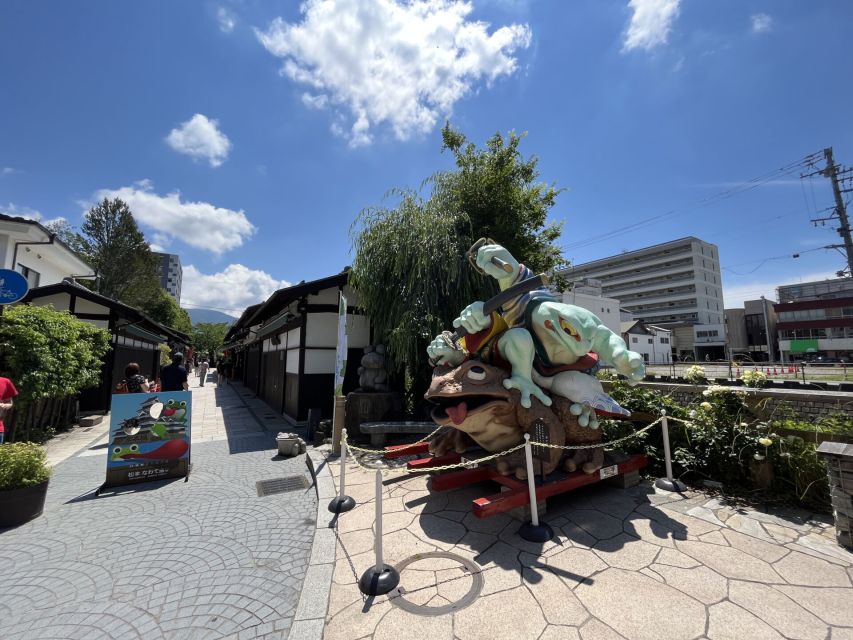
The first walk takes place on Nawate-dori, better known as Frog Street or Kaeru Michi. More than 50 shops, restaurants, and cafés line this lively stretch, with frog sculptures and frog-themed goods giving it an amusing local identity.
You can browse o-senbei rice crackers, taiyaki fish-shaped pastries, dagashi candy, ice cream, and other small treats. It is an easy place to pick up a snack before the castle visit, though lunch is not included in the tour.
This stop also helps you understand Matsumoto as a castle town rather than treating the castle as an isolated monument. You get a little time to look at daily life, regional food, and local shopping before moving into the more formal world of samurai architecture.
The frog theme is playful, but do not expect an entire afternoon of major sightseeing here. Nawate-dori is best treated as a short, characterful introduction to Matsumoto. Your free time around the castle gives you more room for shopping and wandering later.
Climbing Matsumoto Castle’s six stories
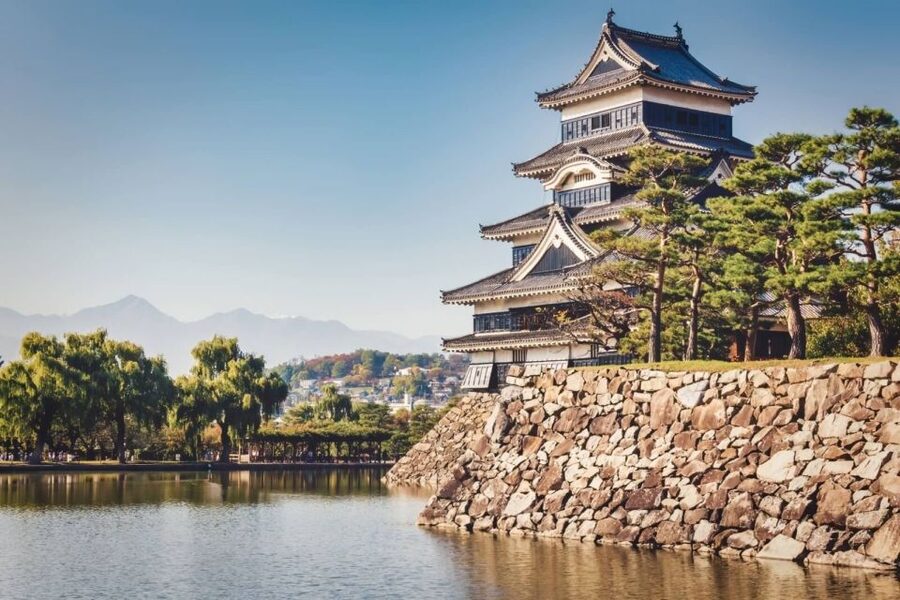
Matsumoto Castle is the day’s major sight. Much of its original structure remains, and the castle dates from the end of Japan’s Warring States Period. It is designated a National Treasure of Japan and is known as the oldest surviving five-tiered, six-story castle tower in the country.
Your guide begins in the castle grounds, explaining the structure and its place in Matsumoto’s past. Then you enter the tower and climb all six levels. The interior is not a polished modern museum. Its appeal comes from the old timber, defensive layout, tight passages, and preserved details.
The stairs are the serious part. They are narrow and very steep, so take your time and use the rails. This is not a good stop for anyone with mobility limitations, and wheelchair users cannot take part. Comfortable shoes matter, especially if you are also walking Narai-juku later.
At the top, you can look over Matsumoto City and the surrounding mountains. Weather affects the view, but the climb itself remains worthwhile because the tower lets you see how difficult movement inside a defensive castle could be. You are not merely looking at a façade from the outside.
Historical guns, artifacts, and other objects help connect the building to the warriors who used it. The guide’s explanations are important here. Without context, you might notice dark beams and steep stairs but miss why the castle was built this way or what its features meant.
The guided castle visit lasts about two and a half hours, including time around the grounds. That is generous enough for a proper visit, not just a quick photograph. You also get free time afterward to look around the grounds and visit nearby shops.
More Japanese Castle Tours in Japan:
- Osaka Castle: Museum and Tower Entry Ticket
★ 4.5 · 2,380 reviews - Kyoto: Nijo-jo Castle and Ninomaru Palace Guided Tour
★ 4.7 · 1,020 reviews - Kyoto: Nijo Castle, Kiyomizu & Fushimi Inari Guided Tour
★ 4.7 · 700 reviews - Osaka Castle Walking Tour and Castle Tower Admission
★ 5.0 · 561 reviews
The coach ride to the Kiso Valley
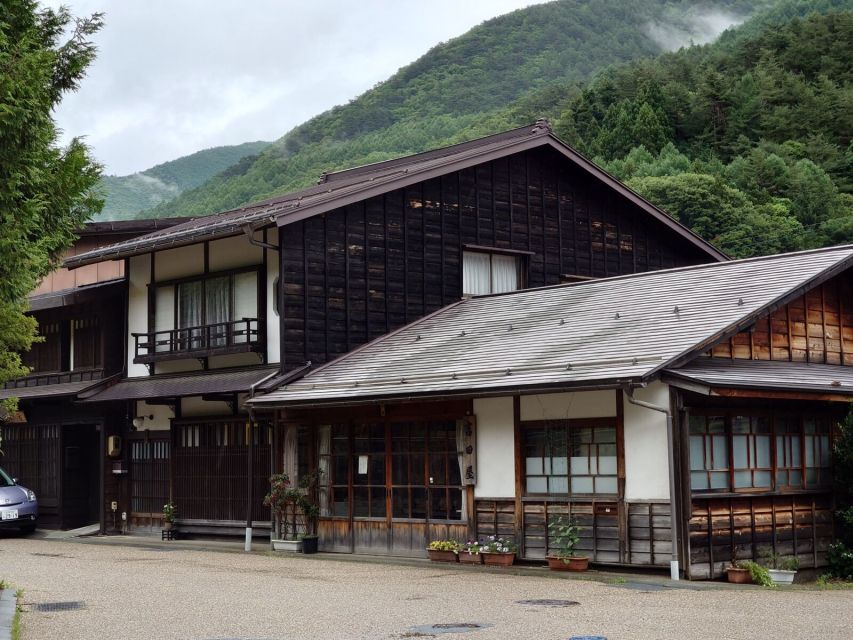
After Matsumoto, the coach continues for about an hour toward Narai-juku. The route brings fields and mountain views, sometimes with snow covering the higher ground.
This is one reason the day feels like more than two town visits. You move from a city-based castle setting into a mountain region shaped by the old road network. In winter, the scenery can be especially striking, but snow also makes footwear and clothing more important.
The coach keeps the group together and removes the need to change trains or find a local connection. Still, the road time adds up. If you prefer slow mornings, short transfers, or long meals, this schedule may feel demanding.
Narai-juku and the old Nakasendo road
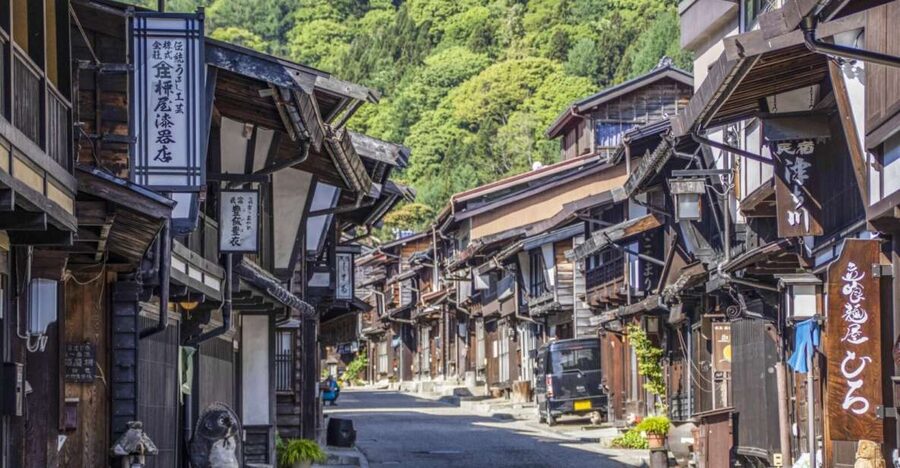
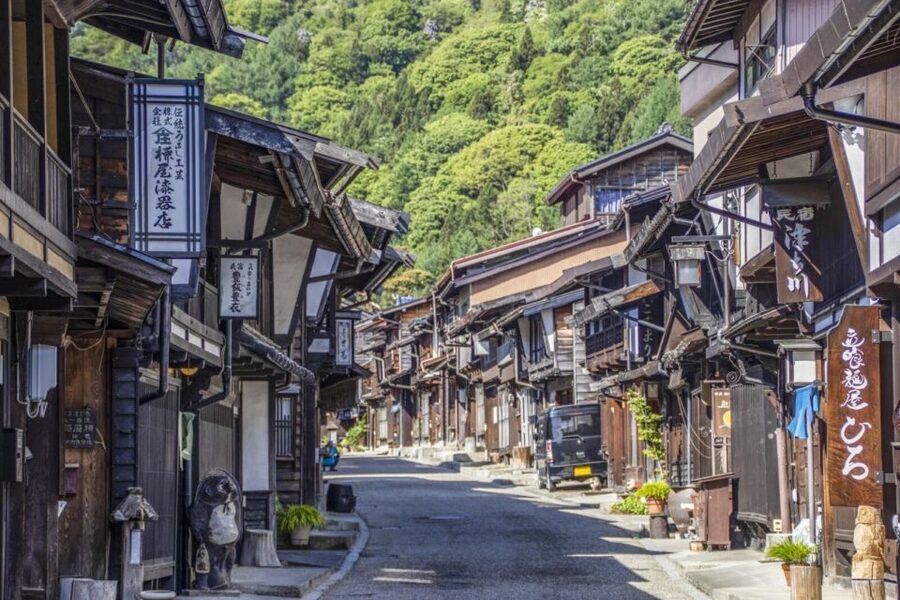
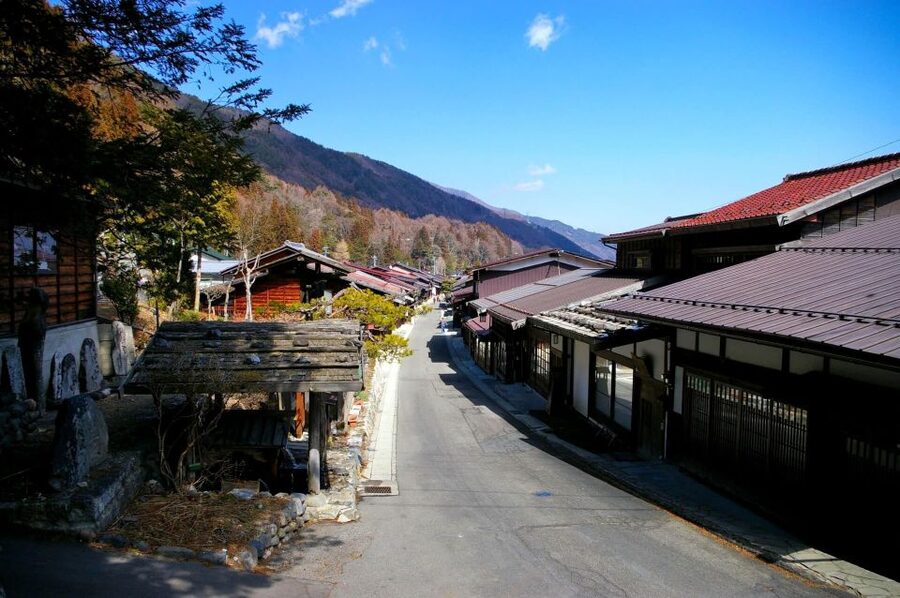
Narai-juku once served as a stopping place for people traveling between Tokyo and Kyoto on the Nakasendo. Today, its main street preserves the appearance of an Edo-era post town, with traditional wooden buildings and shops set against the mountains.
The guided walk begins near the train station at the entrance to town. As you move along the main street, the guide explains how Narai-juku was built and shares stories from its busiest period.
The experience is more about atmosphere and scale than major monuments. You will not spend the afternoon rushing from one famous building to the next. Instead, you walk a compact historic street and notice the practical details of a place designed to feed, shelter, and serve people on the road.
After the guided portion, you have about an hour of free time. This is when you can browse local wood and lacquered handicrafts, look into open shops, or stop at a café or restaurant. Do not assume every business will be open, particularly outside the busiest weekend periods. That quieter pace is part of the town’s appeal, but it can limit your shopping choices.
The food stop is flexible because lunch is not included. Guides can help with suggestions. Joyce, one guide associated with this experience, directed a small group to a local restaurant where they had soup with meat, fish, and udon for a modest price. Another meal option mentioned during the day was a regional fried chicken dish in Matsumoto. These details make the tour more useful than a simple drive-by visit, especially if you want to try local food without spending much.
The guides add context, not just directions
The English-speaking guide is central to the value of this trip. Guides including Shawn, Nadin, and Joyce have been praised for explaining Japanese history and culture in an engaging way, while also helping with practical details such as food choices.
Shawn has explained the background of Matsumoto Castle, the surrounding region, and Narai-juku in a way that connects the separate stops. Nadin has taken care with vegetarian needs. Joyce has been described as flexible and warm, even adding a short origami lesson during a small-group departure.
Guide quality can vary from one date to another, so you should not book expecting one particular person unless the booking specifically confirms it. Still, the format gives you something a self-guided day may not: an explanation of why these places matter, not just directions to them.
The tour has earned a five-star overall rating from 23 ratings, with strong praise for the historical explanations, organization, and friendly guidance. The practical takeaway is simple: this works best if you enjoy asking questions and listening during the walks. If you prefer to move entirely at your own pace, a self-guided visit may suit you better.
Timing, walking, and weather
The listed schedule includes about two and a half hours at Matsumoto Castle, two and a half hours at Narai-juku, and long coach transfers between the sites. You will spend much of the day outdoors, with walking on streets, castle grounds, and inside the tower.
Wear clothing suited to the forecast. Sunglasses, a sun hat, an umbrella, and rain gear are all sensible items to pack. In winter, snow is often on the ground, so waterproof winter shoes and warm clothing are not optional extras.
The castle stairs are the hardest physical section. Narai-juku is less demanding in that specific way, but the total walking time still adds up. This outing is not suitable for people with mobility impairments or wheelchair users.
Rain does not necessarily cancel the program. The route can still operate in wet conditions, but you should expect a less comfortable day and bring proper protection. The same goes for winter snow. The reward is beautiful mountain scenery, but you need to dress for it.
Who should book this day trip
I would recommend this tour to you if you are based in Nagano or Matsumoto, want to see two important regional sights, and prefer having transport and history handled in English.
It suits first-time visitors who want a clear introduction to samurai-era Japan without arranging several separate connections. It also suits anyone interested in traditional buildings, local food, preserved streets, and mountain towns.
Families with young children should think about the steep castle stairs and the long coach rides. People who dislike structured days may find the schedule too fixed. The same is true if you want a long, relaxed lunch or extensive shopping in Narai-juku.
Vegetarians can ask the guide for help with food choices. The guide team has shown care with dietary needs, but lunch remains your own expense and is not part of the package.
Cancellation is free up to 24 hours before departure, and you can reserve now and pay later. Exact start times and meeting arrangements depend on the selected option. Since activities remain subject to availability, check for any changes before the day begins.
Should you book it?
Book this tour if you want Matsumoto Castle and Narai-juku in one efficient day, value a live English-speaking guide, and do not mind a long return journey. The strongest reasons are the castle admission, the useful regional context, and the chance to see a preserved post town that can be awkward to reach on your own.
Skip it if you need wheelchair access, cannot manage steep stairs, or want an independent schedule. At $180, the cost is justified most easily when you would otherwise pay separately for transport, admission, and help navigating both places. Bring good shoes, accept the long day, and you get a well-rounded look at a less familiar corner of central Japan.
FAQ
Where does the tour start?
You can start at Nagano Station, Matsumoto Station, or Kokusai 21. The meeting point depends on the option booked.
Where does the tour finish?
Drop-off options are Matsumoto Station, Kokusai 21, and Nagano Station.
How long does the tour last?
It is a full-day experience. The exact starting time depends on availability and the option selected.
Is transportation included?
Yes. Transportation between the destinations from Nagano and Matsumoto is included.
Is Matsumoto Castle admission included?
Yes. The castle entry ticket and guided tour are included.
Is lunch included?
No. Lunch is not included, so you should budget separately for food and drinks.
Is the tour offered in English?
Yes. The tour includes a live English-speaking guide.
Is the tour suitable for wheelchair users?
No. The experience is not suitable for wheelchair users or people with mobility impairments because it includes substantial walking and very steep castle stairs.
More Day Trips in Japan
- 1 Day Tour From Nagano to Matsumoto Castle and Narai-Juku
★ 5.0 · 37 reviews - Osaka: 1-Day Guided Tour – Sky Bldg, Castle, Namba Shinsekai
★ 5.0 · 6 reviews - 1-Day walking tour in Osaka:Castle, temples and Ukiyoe
★ 5.0 · 4 reviews - From Munich: Neuschwanstein & Linderhof Castle Full-Day Trip
★ 4.6 · 14,646 reviews
Just added around Japan
- Tokyo: Edo Castle and Imperial Palace Guided Walking Tour★ 5.0 · 6 reviews
- (Ticket Included) Explore Osaka Castle & Museum of History★ 4.8 · 21 reviews
- Peace Memorial Park, Hiroshima Castle, & Garden Private Tour★ 4.8 · 7 reviews
- Osaka: Osaka Castle Guided Tour with Local Guide★ 4.7 · 78 reviews
- Osaka: Osaka Castle – Tsuruhashi – Tennoji (Spanish Guide)★ 4.7 · 10 reviews
- Osaka: Early Morning Osaka Castle Guided Tour, Avoid Crowds★ 4.9 · 12 reviews
- Osaka: Explore Every Bit of Osaka Castle in 3 Hours★ 5.0 · 5 reviews
- Osaka: Osaka Castle 3 hours Historical Walking Tour★ 4.6 · 14 reviews
Japanese Castle Tours, compared.
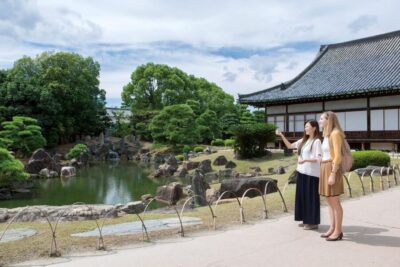
Kyoto: Nijo-jo Castle and Ninomaru Palace Guided Tour
Read our review →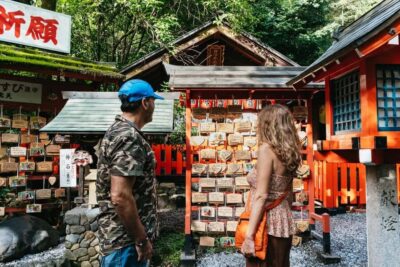
Kyoto: Nijo Castle, Kiyomizu & Fushimi Inari Guided Tour
Read our review →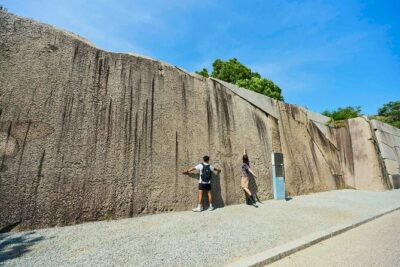
Osaka Castle Walking Tour and Castle Tower Admission
Read our review →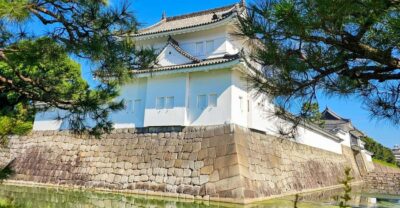
Kyoto: Imperial Palace & Nijo Castle Guided Walking Tour
Read our review →
From Osaka: Himeji Castle, Arima Onsen & Mt. Rokko Day Tour
Read our review →
5-Hour Osaka Bike Tour to the Neighborhood of Osaka Castle
Read our review →
Browse the lists this tour appears in