
REVIEW · ITALY CASTLE TOURS
Castel Gandolfo: Vatican Observatory experience
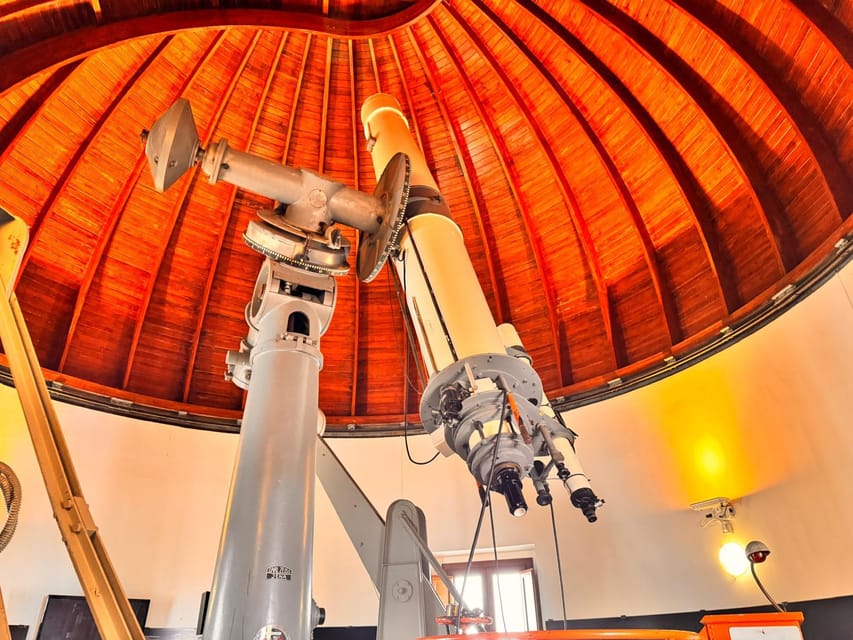
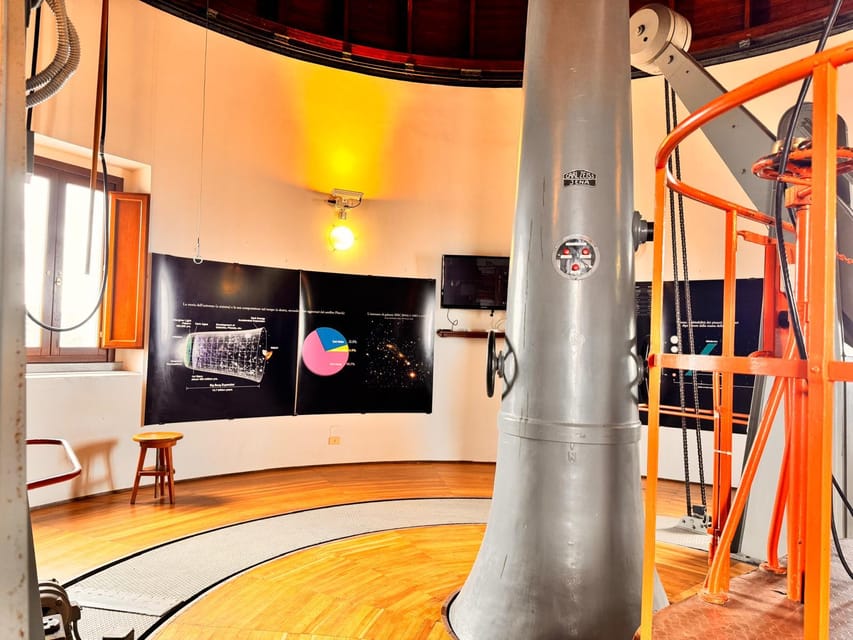
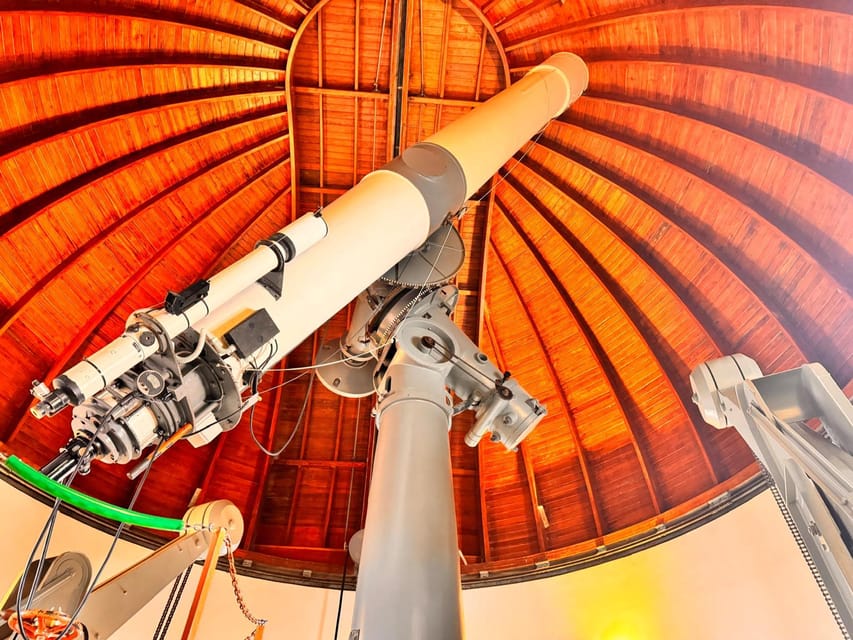
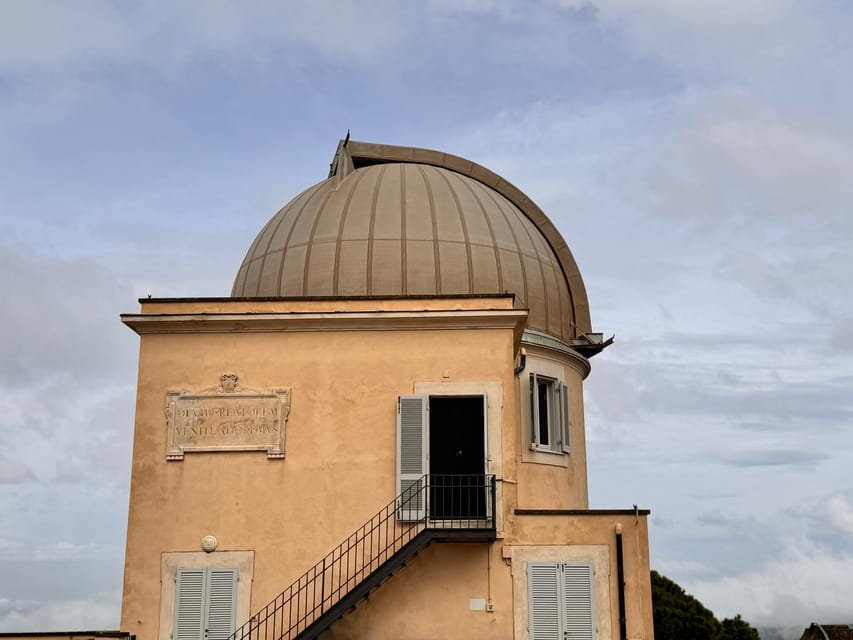
The unusual draw here is the chance to enter two working astronomical domes inside the Papal Palace of Castel Gandolfo. This is not only a palace visit or a lookout stop. You get a close look at the Vatican Observatory’s Visual Telescope and Double Astrograph, instruments tied to nearly a century of Jesuit-led research.
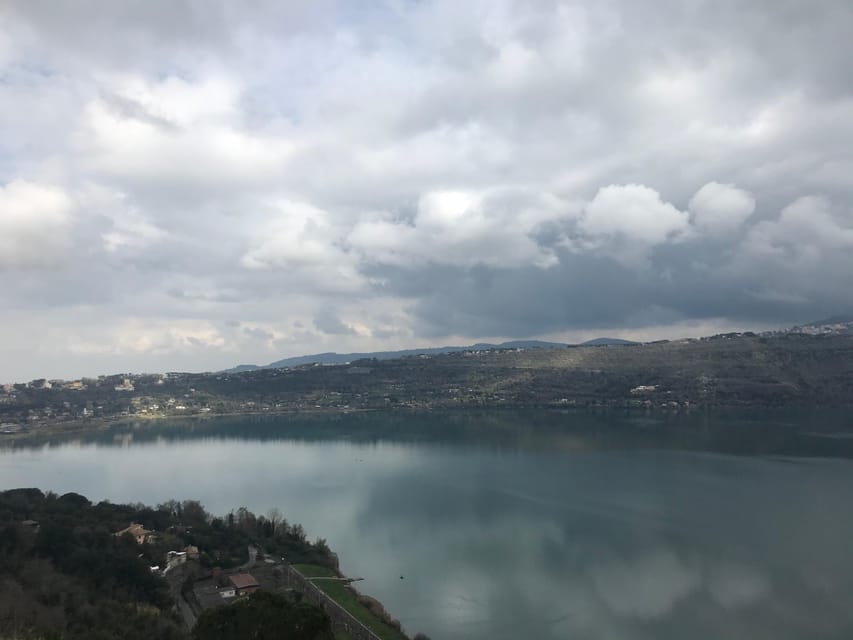
I like the Lake Albano panorama from the highest terrace, and I like the way the observatory connects papal history with practical astronomy. The one-hour visit is also short enough to fit into a day trip from Rome, though the $17 price can feel high if you want a full palace tour, gardens, or a guided history lesson.
Key points to know before you go
- Two astronomical domes: See the 8.5-meter major dome with its Visual Telescope and the 8-meter minor dome with the Double Astrograph.
- A high terrace view: Climb to the third floor of the Papal Palace for a broad view over Lake Albano.
- A Jesuit scientific tradition: Learn how the Vatican Observatory moved from Vatican City to Castel Gandolfo because city lights made astronomical work harder.
- A compact visit: The experience lasts about one hour, leaving time to add the gardens separately if they are open and available.
- A $17 decision: The price is fair for access to the domes and terrace, but less appealing if you expect transport, meals, an audioguide, or a longer tour.
- Not suitable for everyone: Children under seven, wheelchair users, and people with vertigo should choose another activity.
Why the Vatican Observatory is the real attraction
Castel Gandolfo is best known as the Pope’s summer residence, but the astronomical observatory gives this visit its special character. The domes sit high within the Papal Palace, and for many years they were not open for ordinary public access.
The observatory moved to Castel Gandolfo in 1935 during the papacy of Pius XI. The earlier facility had been built in the Vatican Gardens by Leo XIII, but the growing lights of Rome made serious observation more difficult. Castel Gandolfo offered a better setting for studying the night sky.
The site was then entrusted to the Jesuits and fitted with three new telescopes and an astrophysical laboratory for spectrochemical analysis. One important area of research involved variable stars, which change in brightness over time.
You do not need an astronomy background to appreciate the visit. The appeal is partly technical, but the setting makes the science easier to grasp. You are standing in a papal residence, looking at instruments built for studying stars, while the terrace below opens toward a volcanic lake.
That mix is what gives the hour its value. You are not simply looking at old machinery behind glass. The two domes are functioning astronomical observatories, and their original purpose remains clear.
A few more castle tours around Italy worth a look
- Castel Sant’Angelo Entry Ticket & Audioguide
★ 4.4 · 5,472 reviews - Rome: Castel Sant’Angelo Entry Ticket & Digital Audioguide
★ 4.7 · 5,347 reviews - Rome: Castel Sant’Angelo Entry Ticket & Audio App
★ 4.3 · 4,952 reviews
Entering the two observatory domes
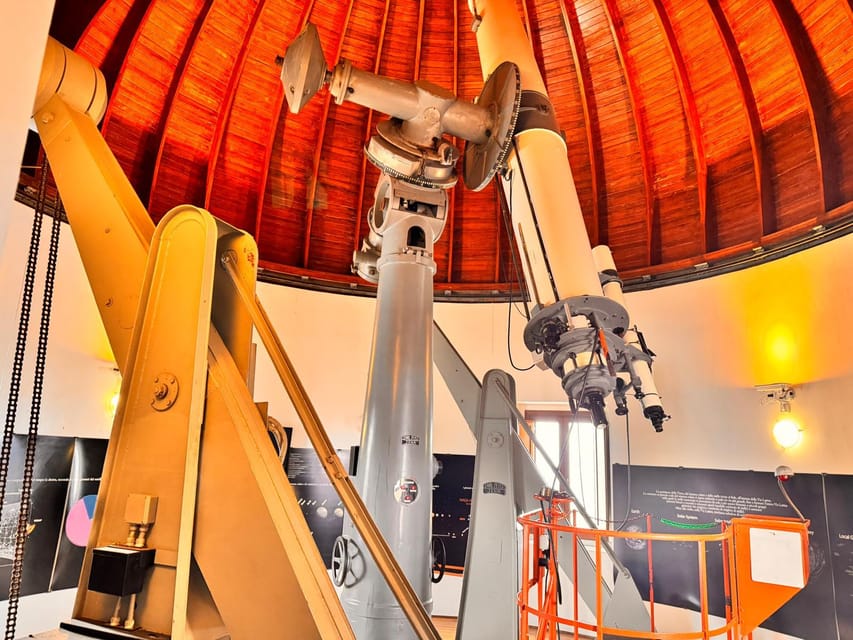
The major dome measures 8.5 meters across and contains a Visual Telescope. Its role is observing stars and planets directly. The equipment gives the visit a more concrete feel than a standard palace room filled with paintings and furniture.
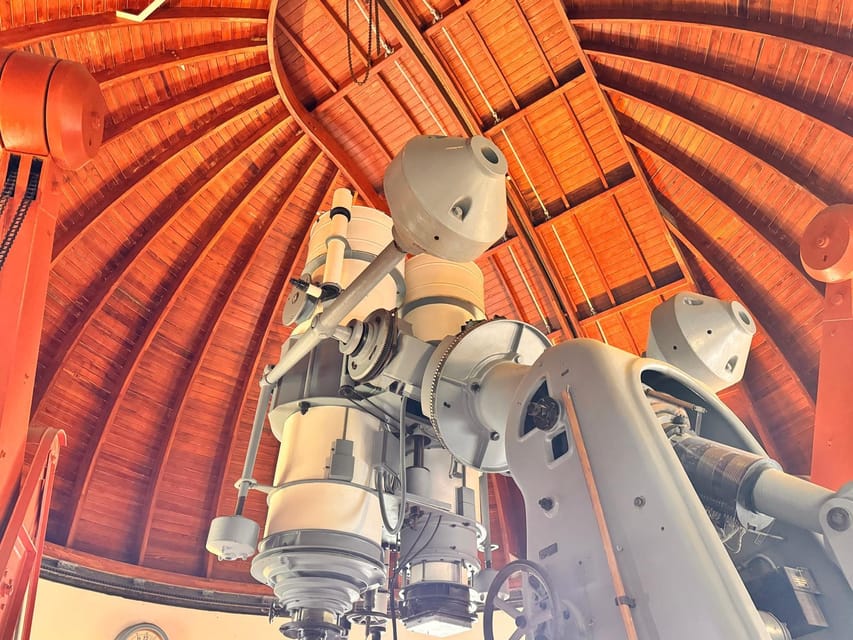
The minor dome measures 8 meters and houses the Double Astrograph. This instrument was used for photographic surveys of the sky and for recording the position of stars. It represents a different side of astronomy, one based on careful image-making and measurement rather than simply looking through a telescope.
You can expect explanations about how the observatory worked and why the instruments mattered. The available host languages are English, French, Spanish, Italian, and German. There is no audioguide included, and the activity is not described as a full guided tour, so you should keep your expectations in check.
The best approach is to treat this as a focused introduction. You will see the domes, learn the basic story of the observatory, and understand how astronomy formed part of the Vatican’s scientific work. You should not expect a long technical lecture or a full lesson in modern astrophysics.
The domes are also a good reason to bring a camera. Photography can help you remember the unusual shapes, large instruments, and views from the upper level. Bring warm clothing, too. The palace is indoors, but the upper terrace and dome areas may feel cooler than the streets below.
Climbing the spiral staircase to the terrace
Access to the observatory includes a spiral staircase leading to the third floor of the Papal Palace. This climb is part of the experience, not just a way to reach a viewpoint.
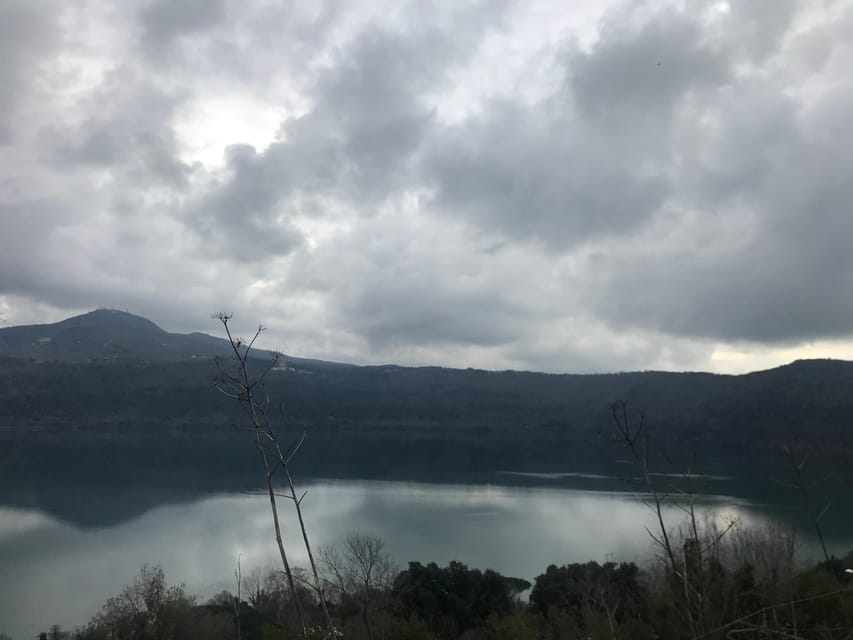
At the top, the panoramic terrace gives you a view of Lake Albano and the surrounding area. The lake is the visual highlight for many people, and it gives the short visit a strong finish. After the enclosed domes, the open terrace lets you pause, take photographs, and get a sense of the palace’s position above the water.
The staircase deserves practical attention. The activity is not suitable for wheelchair users or people with vertigo, and the route requires climbing. Comfortable shoes are sensible, especially if you are combining this visit with more walking around Castel Gandolfo.
The view is also why I would avoid rushing away immediately after seeing the telescopes. Allow yourself a few minutes on the terrace. The visit lasts one hour, but the experience is not only about collecting facts. The change from dark observatory domes to an open view over the lake is part of the rhythm.
What the one-hour schedule means
One hour is enough for a compact visit to the observatory and terrace. It is not enough for a slow palace tour, a long astronomy talk, and a relaxed exploration of the wider town.
That short duration is useful if you are building a larger day around Castel Gandolfo. You might visit the gardens separately, and one person who enjoyed the experience found that the one-hour format left time for this extra activity. The gardens cost extra, so include that in your planning.
The short format can also feel limiting. One Italian rating praised the view and the interest of the visit but felt the content did not fully match the price. That is a fair concern. At $17 per person, you are paying for access to a special area, not for a long, layered tour.
I would book this when you want one distinctive stop in Castel Gandolfo. I would be less keen if you expect the visit to fill half a day. The observatory works best as one part of a wider outing, not as your only reason to travel from Rome.
Same region, a different set of walls:
- Rome: Castel Sant’Angelo Entry Ticket with Audio guide
★ 4.4 · 3,646 reviews - Castel Sant’Angelo: Ticket with optional Vatican or Pantheon
★ 4.4 · 3,088 reviews - Milan: Sforza Castle Entry Ticket with Digital Audio Guide
★ 4.0 · 2,675 reviews - Rome: Castel Sant’Angelo Guided Tour
★ 4.7 · 1,779 reviews
The palace setting and the view over Lake Albano
The Papal Palace adds atmosphere even though this particular experience centers on the observatory. The building was the Pope’s summer residence, and the route takes you into an area that has served both religious and scientific purposes.
The terrace gives the palace a practical advantage over a standard indoor museum. You do not just move from room to room. You finish at a high point with a view across Lake Albano, and that visual reward helps balance the more specialized observatory content.
The setting was the most consistently praised part of the experience. The lake view and the atmosphere made the visit feel worthwhile, even for people who were not specialists in astronomy. That is important if you are booking for a mixed group. The person who loves telescopes will have the technical interest, while the rest of your party can enjoy the palace and scenery.
Still, do not confuse this with a full tour of every part of the Papal Palace. The included access specifically covers the major and minor domes, the third floor, and the terrace. Gardens, meals, drinks, and transport are not included.
Is $17 good value from Rome?
The listed price is $17 per person. For that amount, you receive access to both astronomical domes and the third-floor terrace, with a host or greeter available in five languages.
The value depends on what you want from Castel Gandolfo. If you are curious about astronomy, enjoy unusual historic buildings, or want a strong lake viewpoint, the price is reasonable. The working status of the domes makes this more than a simple photo stop.
If your main interest is the Pope’s summer residence, the observatory may feel too narrow. You are not paying for transport from Rome, and you must reach Castel Gandolfo on your own. Meals and drinks are also excluded. Once you add the cost and time of getting there, the total day becomes more expensive than the $17 admission suggests.
I see this as a good-value add-on for someone already visiting Castel Gandolfo. I would hesitate to make the trip solely for a one-hour appointment unless the observatory itself is high on your list.
The free cancellation option up to 24 hours before the visit helps if your schedule is uncertain. You can also reserve and pay later, which is useful when planning several Rome-area activities. These flexible terms do not change the basic value calculation, but they reduce the risk of committing too early.
Getting to Castel Gandolfo from Rome
Castel Gandolfo is 24 kilometers from Rome. Transportation is not included, so you need to plan the journey separately and arrive at the main entrance of the Papal Palace.
You should show your reservation voucher to the reception staff 20 minutes before the scheduled time. That early arrival matters because the activity is tied to a set starting time, and a short visit leaves little room for a late arrival.
There is no need to add complicated logistics to the observatory itself. The key point is simply to allow enough time to reach the town, locate the palace entrance, and check in before your slot.
I would avoid treating this as an impulse stop between other Rome sights. Castel Gandolfo is outside central Rome, and the transfer takes planning. The experience makes more sense as part of a half-day or full-day visit to the town and its surrounding sights.
Who will enjoy this experience most?
I would recommend the observatory to:
- People who enjoy science, telescopes, and historic instruments
- Anyone seeking a different side of the Vatican beyond churches and art
- Couples or adults who want a short, focused activity
- Families with children aged seven and older who can manage the stairs
- Photographers looking for a high view over Lake Albano
- Visitors already planning to spend time in Castel Gandolfo
You may want to skip it if you dislike stairs, feel uneasy on high terraces, or need wheelchair access. It is also not ideal if you expect a long guided tour or an audioguide.
The activity is permitted for children seven and older, but the observatory’s technical subject may appeal more to older children and adults. Since the visit is only one hour, younger children may find it brief but still manageable if they enjoy the view and the unusual domes.
Practical tips for a smoother visit
Arrive 20 minutes early at the main entrance of the Papal Palace. Have your reservation voucher ready for the reception staff rather than trying to sort everything out at the last minute.
Wear comfortable shoes for the spiral staircase and bring warm clothing for the upper levels and terrace. Pack a camera, but remember that the view is only one part of the visit. Pay attention to the two telescopes and how their purposes differ.
The major dome is associated with visual observation of stars and planets. The minor dome’s Double Astrograph was used for photographic sky surveys and recording star positions. Keeping that distinction in mind will make the explanations easier to follow.
If you want more time in Castel Gandolfo, consider pairing the observatory with the gardens. The gardens are not included, and access is an extra cost, but the one-hour observatory visit can leave room for another local activity.
Should you book the Vatican Observatory experience?
Book it if you want a rare look at working astronomical domes in a papal palace, value the Lake Albano view, and are already planning to visit Castel Gandolfo. The Jesuit connection, the 1935 move from the Vatican Gardens, and the two different telescopes give the hour real substance.
Skip it if you want a full palace tour, transport from Rome, or a long guided program. The $17 price is fair for the access provided, but the visit is short and the extra travel costs matter.
For the right audience, this is a memorable and unusual addition to Castel Gandolfo. The best reason to go is not simply the papal setting. It is the chance to see astronomy still linked to that setting, then climb above it for one of the area’s finest views.
FAQ
Where does the Vatican Observatory experience take place?
It takes place at the main entrance of the Papal Palace in Castel Gandolfo, in Lazio, Italy.
How far is Castel Gandolfo from Rome?
Castel Gandolfo is located 24 kilometers from Rome.
How long does the visit last?
The activity lasts one hour.
What does the $17 price include?
The price includes access to the major and minor astronomical domes and access to the third floor of the Papal Palace, including the panoramic lake view.
Is transportation from Rome included?
No. Transportation to Castel Gandolfo is not included.
Is a guided tour or audioguide included?
No. A guided tour and audioguide are not included. A host or greeter may assist in English, French, Spanish, Italian, or German.
What can I see in the major and minor domes?
The major dome contains an 8.5-meter Visual Telescope for observing stars and planets. The minor dome measures 8 meters and contains the Double Astrograph, used for photographic surveys of the sky and recording star positions.
Can children join the experience?
Children under seven are not permitted for safety reasons.
Is the visit suitable for wheelchair users or people with vertigo?
No. The experience is not suitable for wheelchair users or people with vertigo because access includes a spiral staircase leading to the third floor.
Just added around Italy
- HIKING TOUR: VARENNA, Castle of VEZIO Villa MONASTERO, FIUMELATTE★ 5.0 · 48 reviews
- Walking tour Castel del Monte Unesco site★ 5.0 · 5 reviews
- Castel del Monte & Matera: Private Tour from Bari or Matera★ 5.0 · 5 reviews
- TRANI and Castel Del Monte UNESCO from your accomodation★ 4.5 · 19 reviews
- Castel del Monte: excursion in the Alta Murgia National Park★ 4.5 · 6 reviews
- Castles of Puglia Day Trip from Bari★ 4.5 · 7 reviews
- Tour of the fortifications of Bari: the defenses of the city and their history★ 5.0 · 15 reviews
- Bike Tour into the nature around Castel del Monte★ 5.0 · 7 reviews
Italy Castle Tours, compared.
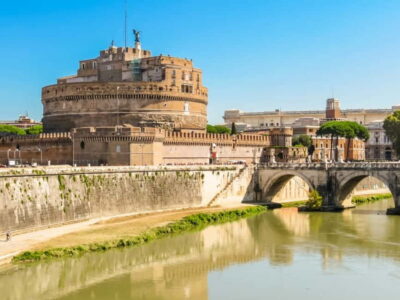
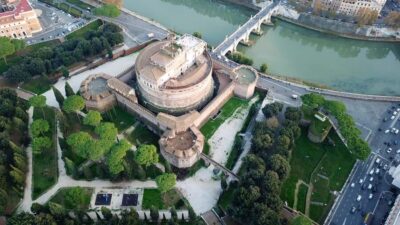
Rome: Castel Sant’Angelo Entry Ticket & Digital Audioguide
Read our review →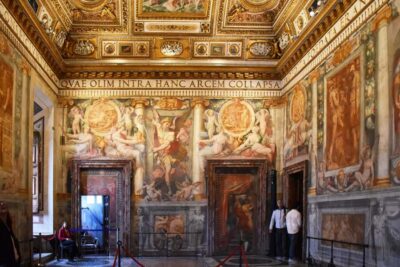
Rome: Castel Sant’Angelo Entry Ticket & Audio App
Read our review →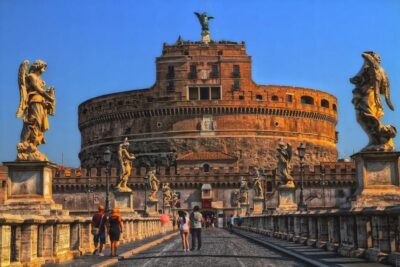
Rome: Castel Sant’Angelo Entry Ticket with Audio guide
Read our review →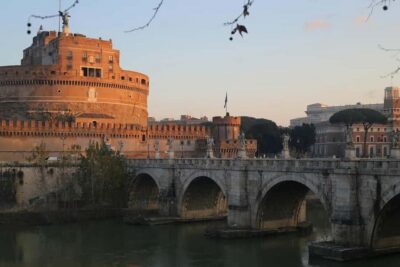
Castel Sant’Angelo: Ticket with optional Vatican or Pantheon
Read our review →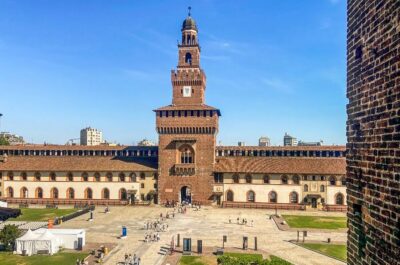
Milan: Sforza Castle Entry Ticket with Digital Audio Guide
Read our review →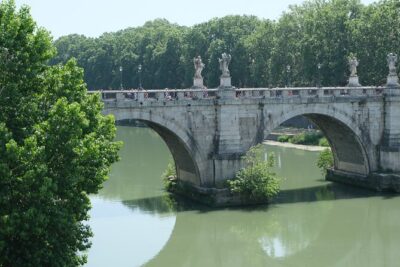
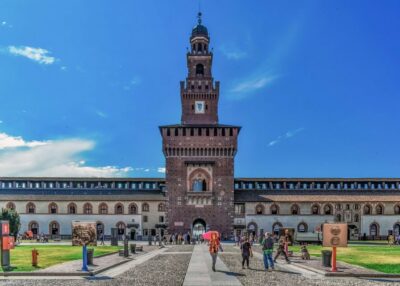
Milan: Sforza Castle and Michelangelo’s Pietà Rondanini Tour
Read our review →Browse the lists this tour appears in