
REVIEW · JAPANESE CASTLE TOURS
Kyoto: Nijo Castle and Kyoto Imperial Palace Guided Tour
Nijo Castle and Kyoto Imperial Palace tell two sides of old Kyoto. One reflects the force of the shoguns, with richly decorated rooms and the famous nightingale floors. The other presents the refined world of Japan’s emperors, framed by gardens designed for every season. The contrast gives this tour its real value.
I like the small group size, limited to nine, and the way strong guides such as Goku, Kayo, Nene, and Taku connect architecture with politics and daily life. I also like the practical help: guides have answered difficult questions, taken photos for solo visitors, and offered restaurant tips after the tour.
The main caution is the Imperial Palace visit. You may see impressive gates, grounds, and exterior views without entering every palace building, so this is not the best choice if you expect a full indoor palace tour. The route is also mostly outdoors, and shorts are not allowed.
Key points to know before booking
- Two very different seats of power: Compare Tokugawa shogun authority at Nijo Castle with imperial tradition at Kyoto Imperial Palace.
- Guides make the difference: Goku, Kayo, Nene, and Taku are especially praised for clear explanations, humor, patience, and local advice.
- A compact three-hour route: You cover both major sites plus a walk through Kyoto streets and a cherry blossom spot.
- Small group attention: With no more than nine participants, you can ask questions and request more history or more time for photos.
- Mostly an outdoor visit: Palace grounds and gardens are central, so prepare for walking and changing weather.
- Good value for context: At $63, admission and an English-speaking guide are included, which can make the price worthwhile for first-time visitors.
Why this pairing works so well in Kyoto
Kyoto can feel like a book with several chapters open at once. Buddhist temples, imperial customs, military rule, merchant homes, and modern city life all sit close together. This walk helps you arrange two important chapters in the right order.
Nijo Castle was built by Tokugawa Ieyasu, the founder of the Tokugawa shogunate. It was not simply a handsome residence. It was a political statement, designed to show the authority of the military government and its relationship with the imperial court.
Kyoto Imperial Palace presents a different kind of power. It was the home of Japan’s emperors and remains tied to court ceremony, refined design, and long-held traditions. Seeing the two sites together lets you compare military authority with imperial continuity rather than treating each landmark as an isolated photo stop.
I find that contrast more useful than visiting either place alone. At Nijo Castle, you look for messages of control and rank. At the palace, you pay closer attention to proportion, gardens, ceremony, and the quiet elegance of the setting.
More Guided Castle Tours in Japan
- Kyoto: Nijo-jo Castle and Ninomaru Palace Guided Tour
★ 4.7 · 1,020 reviews - Kyoto: Nijo Castle, Kiyomizu & Fushimi Inari Guided Tour
★ 4.7 · 700 reviews - Kyoto: Imperial Palace & Nijo Castle Guided Walking Tour
★ 4.7 · 453 reviews
Starting at Nakadachiuri Gate
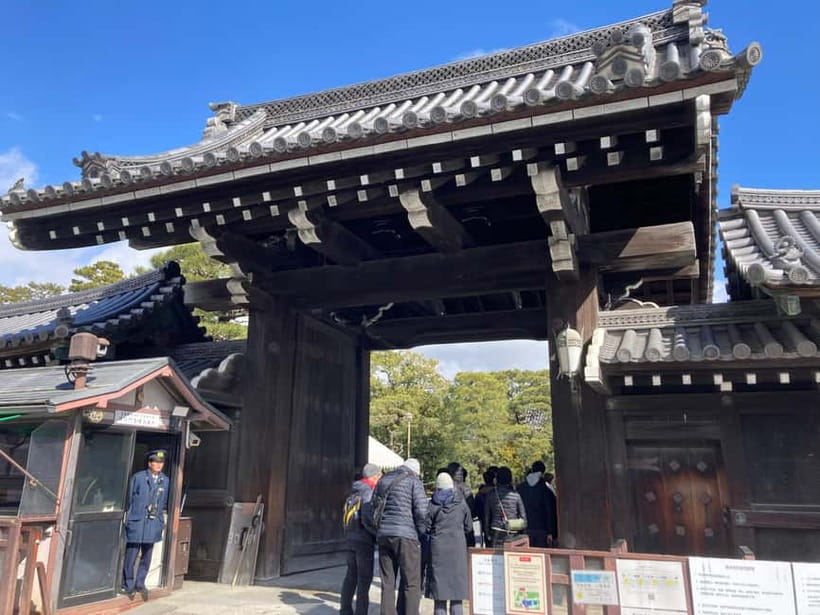
The meeting point is the Nakadachiuri Gate of Kyoto Imperial Palace. This is important to note because the tour begins at the palace, not at Nijo Castle, and you should allow enough time to reach the correct gate.
The operator contacts you in advance with a description of the guide’s appearance and clothing. That is a welcome detail in a large historic precinct, where finding one person among many visitors can otherwise take time.
The walk begins with the palace grounds and then continues toward Nijo Castle. One review described the roughly 20-minute walk between the sites as a useful part of the experience, with the guide continuing the conversation about Japanese and Western culture along the way.
That transfer is not dead time. It gives you a chance to ask questions and see a little of Kyoto between the formal landmarks. You may also pass traditional Kyoto townhouses and a location known for cherry blossoms, adding a more everyday view of the city.
Kyoto Imperial Palace: gardens before grand interiors
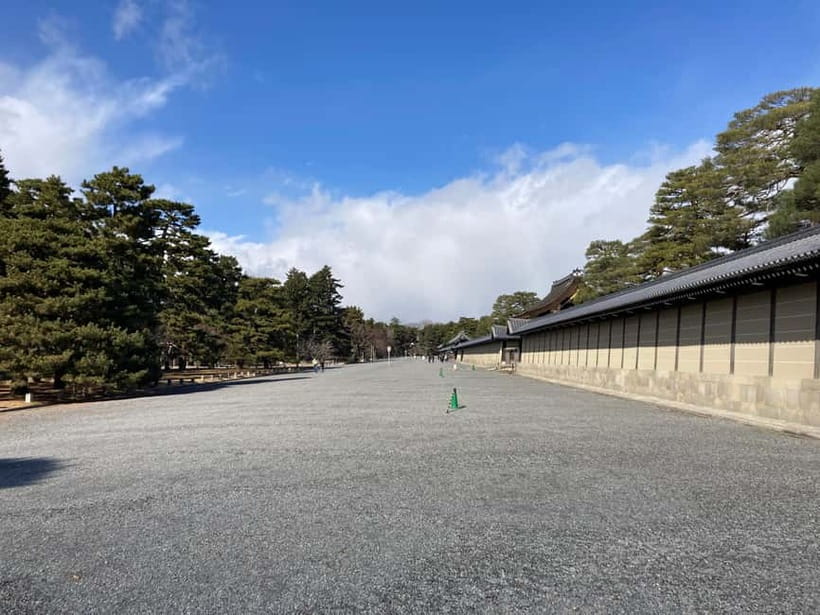
The Imperial Palace portion is strongest when you approach it as an outdoor cultural visit. Its broad grounds, gates, gardens, and carefully arranged views show how Japanese court design uses space, restraint, and seasonal change.
The gardens are meant to look different throughout the year. Spring brings blossoms, while other seasons change the color and mood of the grounds. The site is not built around one dramatic overlook. Its appeal comes from paths, plantings, ponds, architectural lines, and the way each view unfolds gradually.
Your guide can explain why the gardens were designed as they were and how they relate to imperial life. That context helps you notice details you might otherwise walk past, including the relationship between buildings and open space.
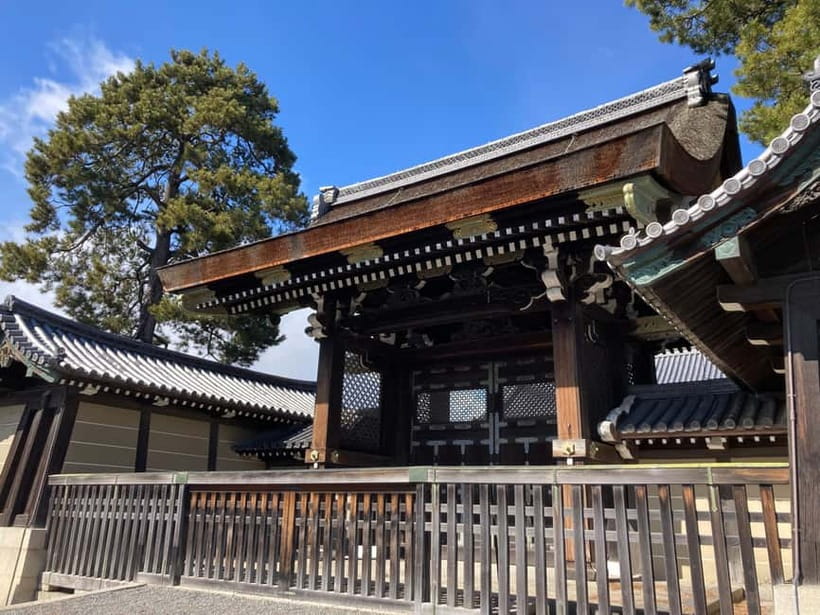
Set your expectations correctly. You may mainly see the exteriors of palace buildings rather than enter a series of richly furnished rooms. One four-star assessment specifically found the palace visit less satisfying because the interiors were not accessible. If indoor access is your main reason for booking, check the current conditions before you reserve.
Still, the palace grounds have a calm, formal character that balances the stronger political drama of Nijo Castle. I would especially value this part in spring, when the gardens can be at their most photogenic.
The walk through central Kyoto
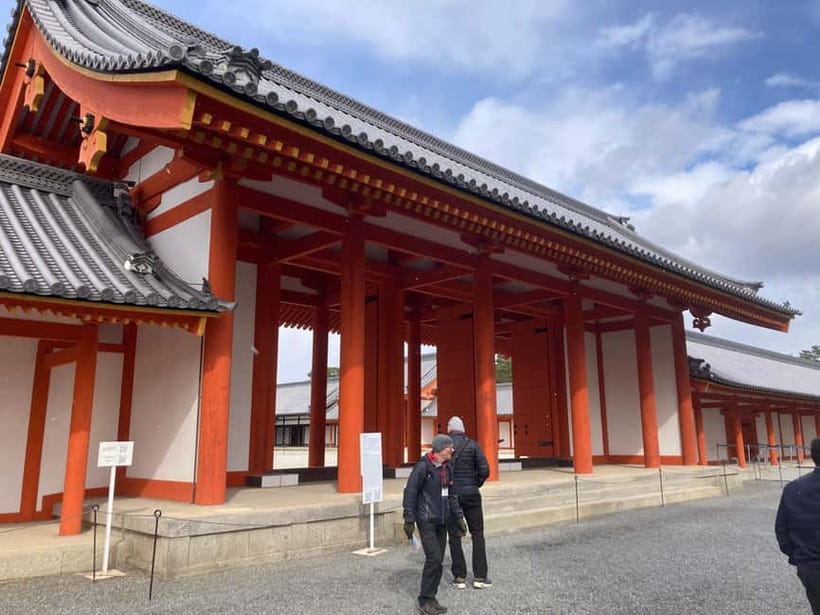
The route between the two landmarks adds a useful local layer. Kyoto’s major sights can make the city feel like a string of grand monuments, but the streets between them show a more human scale.
You may see traditional townhouses and a spot associated with cherry blossoms. These details are modest compared with the castle and palace, yet they help you understand how historic Kyoto fits into the present city.
The walk also gives the guide room to adjust the conversation. If you want political history, you can ask about shoguns, emperors, and the events surrounding their changing roles. If you are more interested in culture, architecture, or food, guides have shown a willingness to follow those questions.
The distance is manageable for most visitors who are comfortable walking for three hours, but it is still a walking tour. Wear sensible shoes and plan for outdoor conditions. The information provided specifically says the tour is not suitable for pregnant women, and shorts are not allowed.
More Palace Tours in Japan
- Imperial Palace East Garden and Edo Castle Walking Tour in Tokyo
★ 5.0 · 510 reviews - Tokyo: Edo Castle Ruins & Imperial Palace East Garden Tour
★ 4.4 · 13 reviews - Tokyo: Edo Castle and Imperial Palace Guided Walking Tour
★ 5.0 · 6 reviews
Nijo Castle and the theater of shogun power
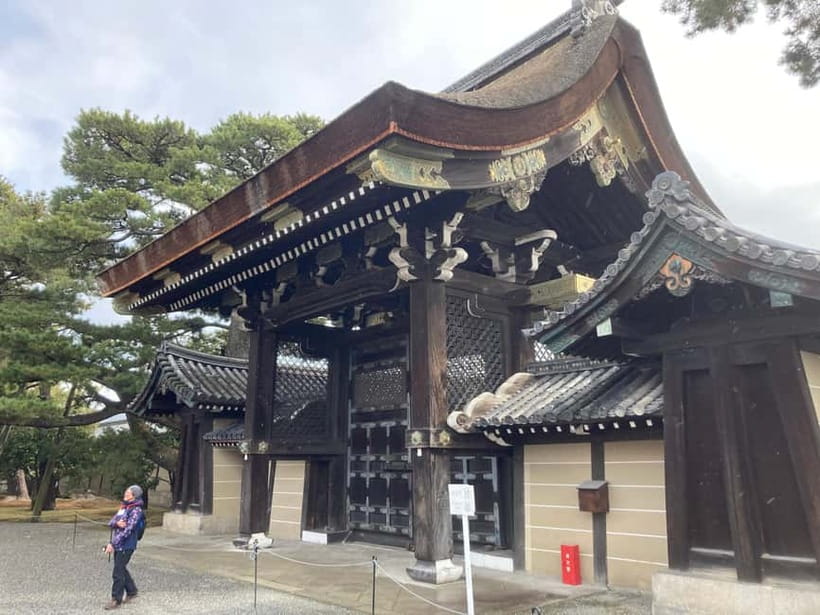
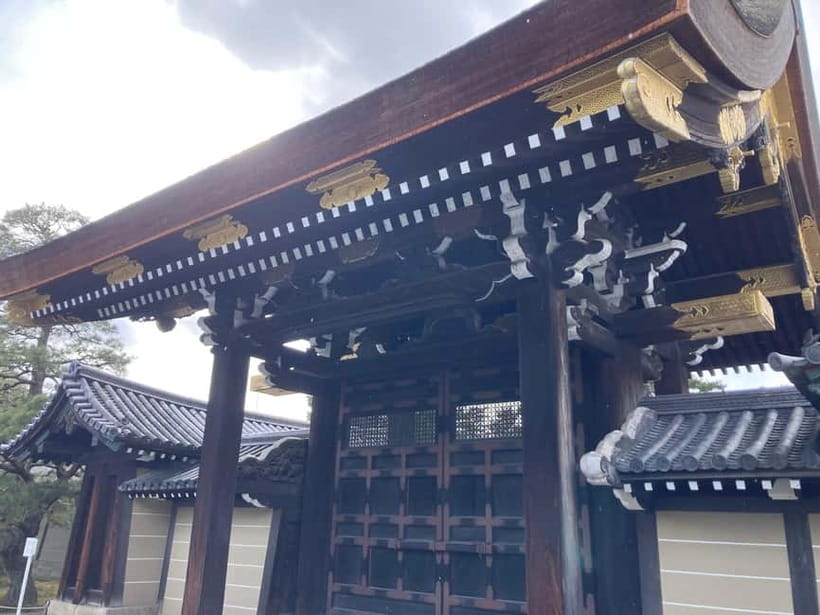
Nijo Castle is the tour’s most dramatic stop. Tokugawa Ieyasu built it as a sign of authority, and the design still communicates rank and control before you learn a single date.
Inside Ninomaru Palace, lavish decoration and intricate details reflect the power of the shogunate. Your guide can explain how rooms, decoration, and ceremony supported the political order. Rather than seeing the palace as a collection of beautiful screens and carvings, you begin to read it as a carefully arranged stage for authority.
The famous nightingale floors are another memorable feature. Their squeaks were designed to alert occupants to movement, giving the building a practical security function beneath its elegant surface. This mix of beauty and suspicion captures the mood of a military government better than a simple list of rulers ever could.
Admission includes Nijo Castle, Ninomaru Palace, and the Art Gallery. That matters because you are not paying separately at each included stop, and a guide can help tie the visual details together.
Nijo Castle can be busy, and a guide cannot remove the crowds. A small group does make the visit easier to manage, since you can hear the explanation and ask for clarification without being lost in a large tour party.
What the guides add to the visit
The strongest pattern in the feedback is the quality of the individual guides. Goku is repeatedly praised for detailed knowledge of Japanese history, cultural explanations, patience, and energy. Several visitors appreciated his ability to handle questions about shoguns, emperors, Japan after World War II, and everyday culture.
Kayo is described as informative, funny, and easy to spend three hours with. Her style appears particularly good for visitors who want history without a dry lecture. Nene is praised for clear explanations, kindness, and flexibility, including stepping in when another guide became ill.
Taku receives similar praise for local tips, architecture, politics, and his willingness to answer questions. One solo visitor also valued his help with photographs and restaurant suggestions near the hotel.
You cannot choose the guide with certainty from the information provided, but the range of strong names is encouraging. The key point is that this tour is guide-led in the best sense. The buildings are worth seeing alone, but the political background and architectural clues become much easier to understand with a good interpreter.
The small group limit of nine is also useful. You can ask a question without holding up a coachload of people, and the guide can adjust the pace for a mixed group. One family with teenagers appreciated a history-heavy approach, while another group valued a better balance between explanations and photo time.
How much value do you get for $63?
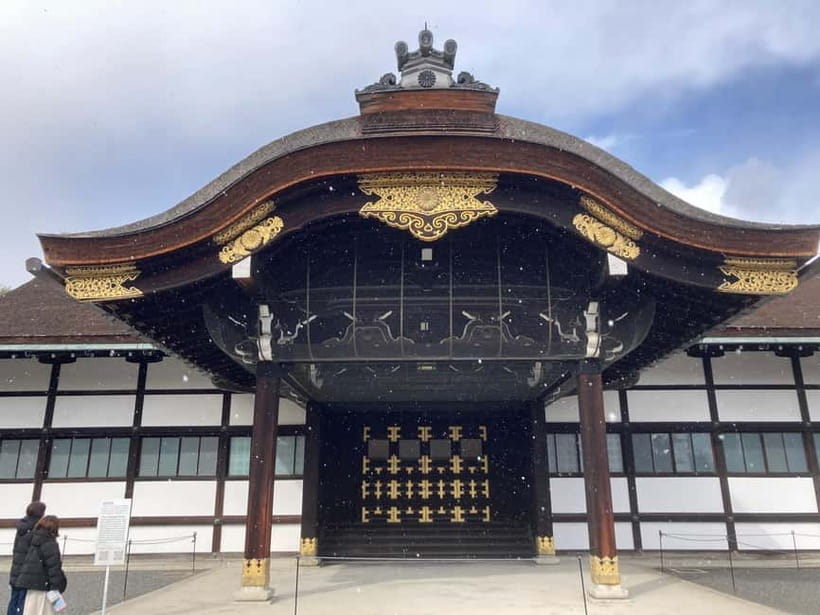
The price is $63 per person for three hours. Admission tickets to Nijo Castle, Ninomaru Palace, and the Art Gallery are included, along with a professional guide and the walking tour.
The value depends on what you want from Kyoto. If you are comfortable reading signs, researching the Tokugawa period, and exploring both sites alone, you can spend less by visiting independently. The tour earns its price through interpretation, not transportation or luxury.
I think the cost is reasonable for a first visit, especially if you want the political story explained clearly. You are paying to connect two major sites, understand the contrast between shogun and emperor, and ask questions in real time.
It is also a practical choice for solo visitors. You have a small group around you, someone can take a photo, and the guide may offer useful food or neighborhood suggestions afterward. The price is less compelling if you mainly want quiet gardens, unlimited photography time, or access to palace interiors.
Who will enjoy this tour most?
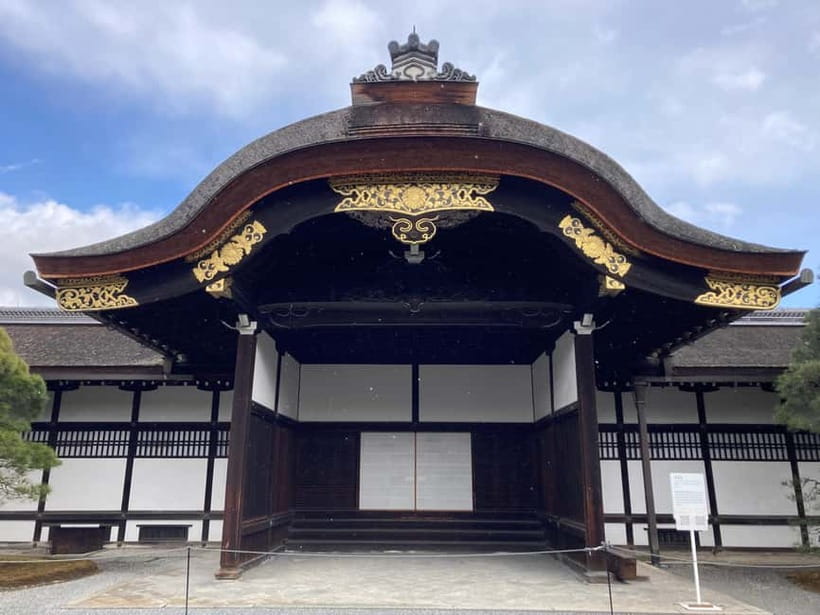
I would recommend it to first-time Kyoto visitors who want a firm historical foundation. It works particularly well if you are curious about how Japan’s political system changed and how architecture can express authority.
Families with older children and teenagers should find the format useful, especially if the guide adapts the explanations. History fans can request more detail, while visitors who care more about design and photographs can still enjoy the gardens and decorated palace interiors.
It is also a good fit for solo travelers who appreciate company without joining a large bus group. The group size leaves room for questions and personal attention.
You should think twice if you dislike outdoor walking, have difficulty standing or walking for three hours, or expect extensive indoor palace access. Pregnant women are specifically listed as unsuitable for this activity, and shorts are not permitted.
The tour is offered with live guides in English, French, Spanish, Japanese, Portuguese, and Russian. Confirm the language you need when booking, since the guide’s ability to explain subtle political and cultural points is central to the experience.
Practical details that affect your day
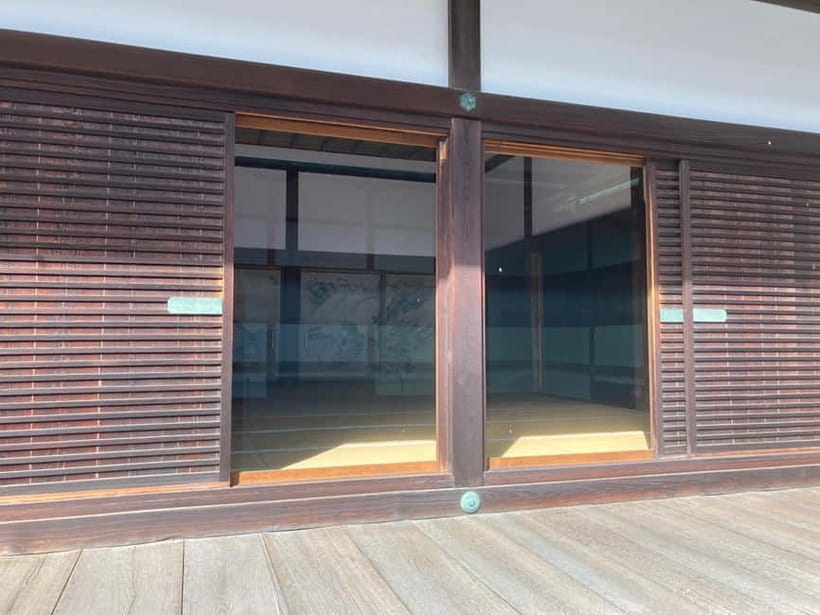
Bring a camera and some cash. The camera is obvious, since both castle details and palace gardens offer plenty to photograph, while cash is useful for small purchases or personal needs during the outing.
Cancellation is free up to 24 hours before the tour for a full refund. You can also reserve now and pay later, which helps if you are still arranging a Kyoto itinerary.
Starting times vary, so check availability before booking. The activity lasts three hours, and the route begins at the Imperial Palace meeting point before continuing through Kyoto toward Nijo Castle.
Dress for a formal historic site and outdoor walking. Since shorts are not allowed and much of the visit takes place outside, modest, comfortable clothing is the sensible choice.
Should you book it?
Book this tour if you want Kyoto’s political story explained while you walk through two major landmarks. The pairing is smart, the three-hour length fits neatly into a busy day, and the small group format gives the guide room to answer questions.
I would book it especially for a first Kyoto visit, a family with older children, or a solo traveler who wants history plus practical local advice. Goku, Kayo, Nene, and Taku have each received strong praise for clear explanations, warmth, flexibility, and useful suggestions.
Skip it if your priority is entering every Imperial Palace building or wandering quietly at your own pace. For most visitors, though, $63 is fair value for the admissions, small group, and historical context that turns two beautiful sites into a connected story.
FAQ
How long does the tour last?
The tour lasts three hours.
How much does the tour cost?
The price is $63 per person.
Where does the tour meet?
The meeting point is the Nakadachiuri Gate of Kyoto Imperial Palace.
Which sites are included?
The tour visits Kyoto Imperial Palace and Nijo Castle. Admission includes Nijo Castle, Ninomaru Palace, and the Art Gallery.
Is a guide included?
Yes. A professional live guide is included.
What languages are available?
Guides are available in English, French, Spanish, Japanese, Portuguese, and Russian.
How large is the group?
The tour is limited to nine participants.
Can I cancel for a refund?
Yes. You can cancel up to 24 hours in advance for a full refund. You can also reserve now and pay later.
More Japanese Castle Tours in Japan
- Osaka Castle: Museum and Tower Entry Ticket
★ 4.5 · 2,380 reviews - Osaka Castle Walking Tour and Castle Tower Admission
★ 5.0 · 561 reviews - From Osaka: Himeji Castle, Arima Onsen & Mt. Rokko Day Tour
★ 4.6 · 339 reviews - 5-Hour Osaka Bike Tour to the Neighborhood of Osaka Castle
★ 5.0 · 319 reviews
Just added around Japan
- Tokyo: Edo Castle and Imperial Palace Guided Walking Tour★ 5.0 · 6 reviews
- (Ticket Included) Explore Osaka Castle & Museum of History★ 4.8 · 21 reviews
- Peace Memorial Park, Hiroshima Castle, & Garden Private Tour★ 4.8 · 7 reviews
- Osaka: Osaka Castle Guided Tour with Local Guide★ 4.7 · 78 reviews
- Osaka: Osaka Castle – Tsuruhashi – Tennoji (Spanish Guide)★ 4.7 · 10 reviews
- Osaka: Early Morning Osaka Castle Guided Tour, Avoid Crowds★ 4.9 · 12 reviews
- Osaka: Explore Every Bit of Osaka Castle in 3 Hours★ 5.0 · 5 reviews
- Osaka: Osaka Castle 3 hours Historical Walking Tour★ 4.6 · 14 reviews
Japanese Castle Tours, compared.
Kyoto: Nijo-jo Castle and Ninomaru Palace Guided Tour
Read our review →
Kyoto: Nijo Castle, Kiyomizu & Fushimi Inari Guided Tour
Read our review →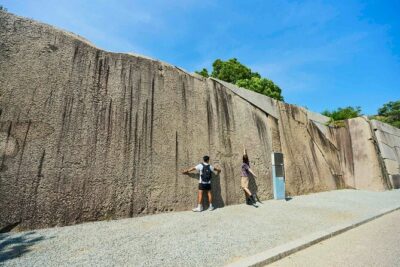
Osaka Castle Walking Tour and Castle Tower Admission
Read our review →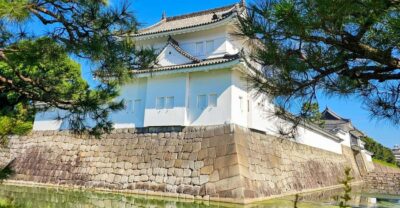
Kyoto: Imperial Palace & Nijo Castle Guided Walking Tour
Read our review →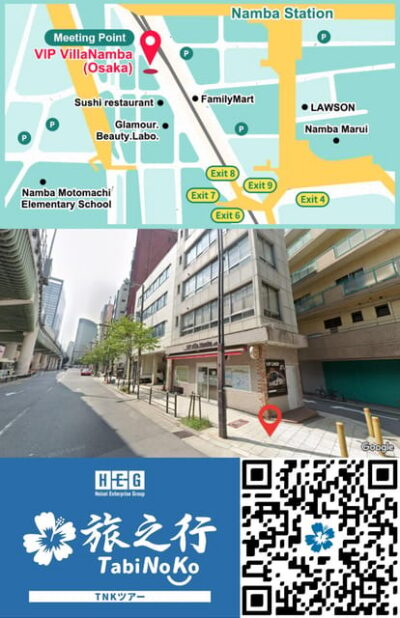
From Osaka: Himeji Castle, Arima Onsen & Mt. Rokko Day Tour
Read our review →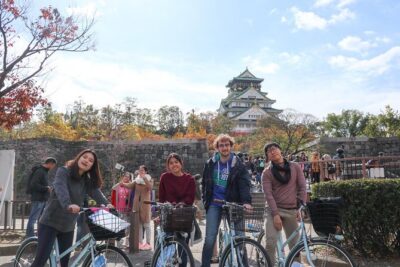
5-Hour Osaka Bike Tour to the Neighborhood of Osaka Castle
Read our review →
Browse the lists this tour appears in