
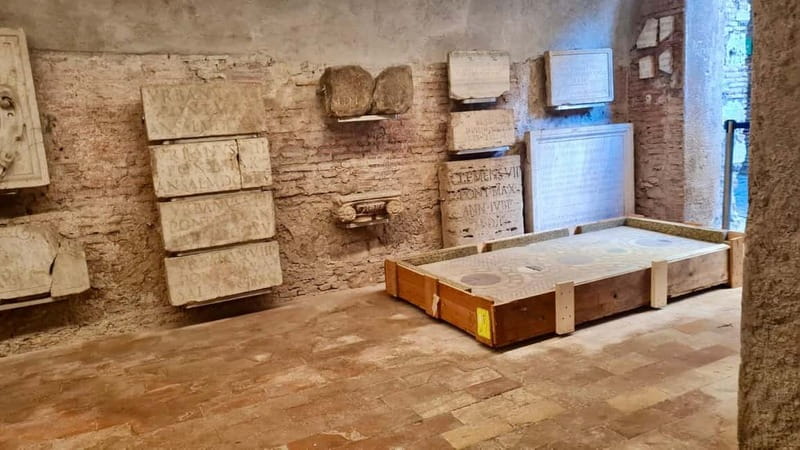
REVIEW · ROME CASTLE TOURS
Rome: Castle Sant’Angelo Ticket w/ audioguide option
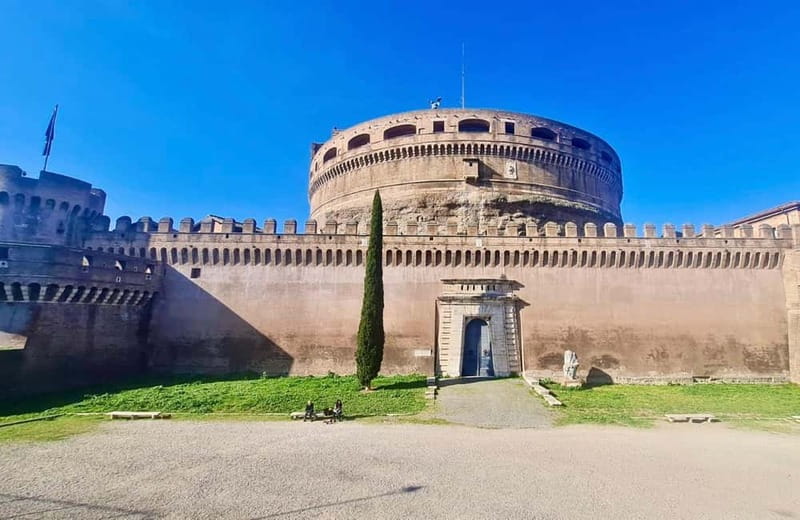
Castel Sant’Angelo is one of Rome’s most useful history lessons because its walls have served as an emperor’s tomb, a papal fortress, a prison, and an execution site. You’ll explore the building at your own pace, then climb to the rooftop terrace for views across the Tiber toward St. Peter’s Dome.
I like the freedom to stop whenever you want, especially if you are traveling with older family members or simply need a slower morning. I also like the separate entrance and the optional audio guide. The main drawback is that the ticket does not include a live guide, and the castle is not suitable for wheelchair users or people with mobility impairments.
Key points to know before you book
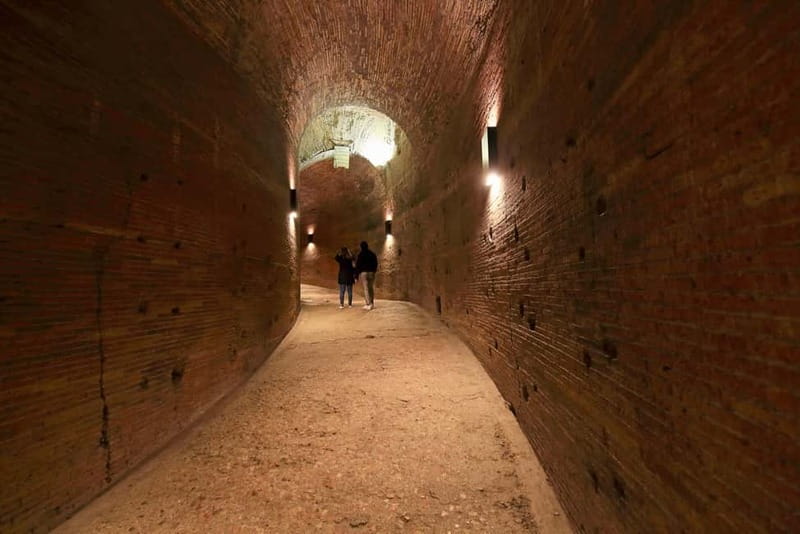
- A tomb turned fortress: The building began as the mausoleum of Emperor Hadrian in the second century AD.
- A dramatic papal escape route: A secret passage links the castle with the Vatican Palace and helped popes reach safety.
- A rooftop payoff: The upper terrace gives you views of Rome, the Tiber, and St. Peter’s Dome.
- A self-guided visit: You set the pace through the papal rooms, spiral staircase, prison areas, and tomb chamber.
- Optional audio support: Audio guides are available in English, French, Italian, and Spanish.
- Simple but important restrictions: Bring a passport or ID card, and leave large bags, luggage, strollers, weapons, pets, alcohol, and drugs behind.
Why Castel Sant’Angelo feels different from other Rome monuments
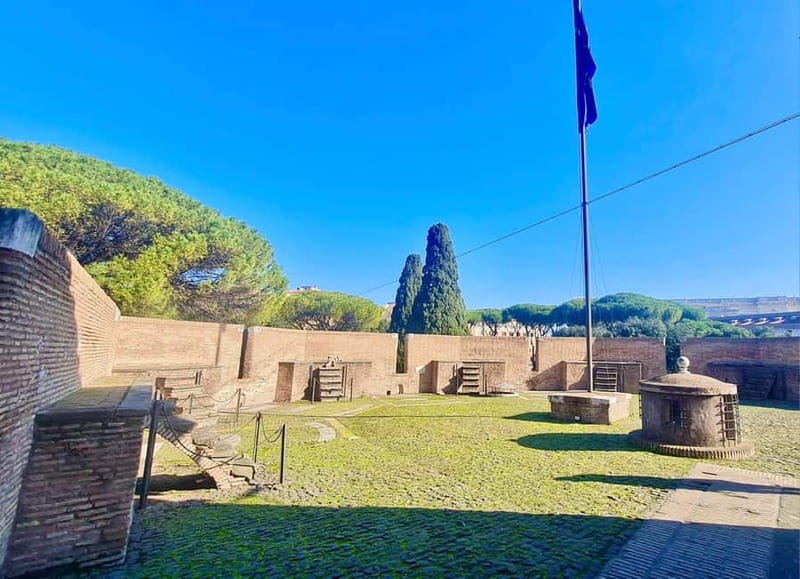
Many Roman monuments show you one main chapter of the city’s past. Castel Sant’Angelo keeps adding chapters as you climb.
It began as the mausoleum of Emperor Hadrian, with the emperor’s ashes kept inside from the second century AD. In the early Renaissance, the structure became a papal fortress. Later, it served as a prison and an execution site. The thick round walls make sense once you realize this was never designed as a palace alone. It was built to protect power, bodies, and treasure.
That changing purpose gives you a more physical sense of Rome’s history. You are not just looking at carved marble from a distance. You move through defensive spaces, papal rooms, prison areas, and the chamber connected with Hadrian’s remains.
I find the castle especially interesting because it sits between ancient Rome and the Vatican. Its position helps explain why popes valued it so much. In a dangerous moment, the castle offered a fortified refuge close to the Vatican Palace.
More Entry Tickets in Rome:
- Rome: Castel Sant’Angelo Entry Ticket & Digital Audioguide
★ 4.7 · 5,347 reviews - Rome: Castel Sant’Angelo Entry Ticket & Audio App
★ 4.3 · 4,952 reviews - Rome: Castel Sant’Angelo Entry Ticket with Audio guide
★ 4.4 · 3,646 reviews
Meeting the host near the Angel statue
The meeting point is directly in front of the entrance, near the Angel Statue. Look for the host wearing a light blue jacket or T-shirt.
This is worth treating as part of your planning, not as a minor detail. Castel Sant’Angelo is a large, prominent building, but the entrance area can still be confusing if you arrive in a hurry. Give yourself enough time to find the statue and the light blue clothing before your scheduled entry.
The host or greeter may assist in English, French, Italian, Spanish, Portuguese, Norwegian, Thai, German, Polish, or Russian. No guide name is provided, and this is not a live guided tour. The host helps with entry, then you explore independently.
A useful practical tip is to include your country code and phone number when booking. The provider may need to contact you about the ticket or entry time. If your plans shift, contact the provider about changing the time on the same day. A same-day change is not automatic, so do not simply arrive whenever you like.
What the skip-the-line entry really gives you
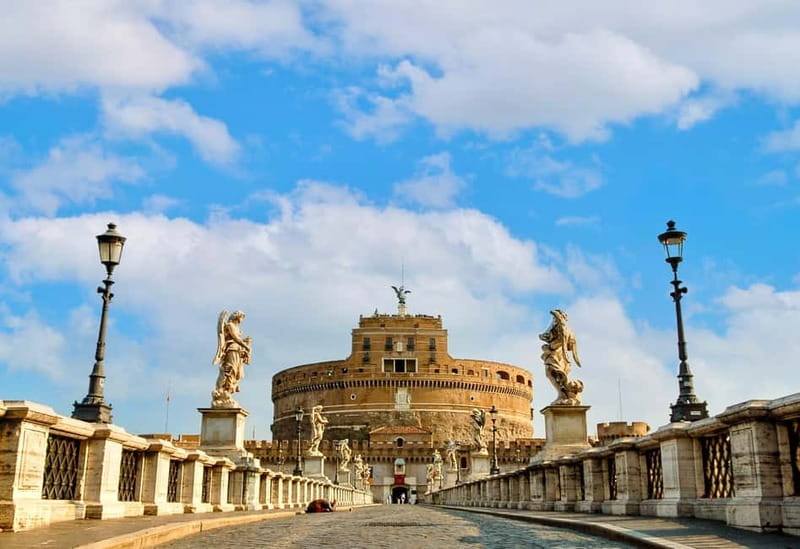
The main benefit is access through a separate entrance, rather than waiting in the standard ticket line. That can save valuable time in Rome, especially when your day includes the Vatican, the Pantheon, or other fixed appointments.
The ticket costs about $30 per person. That is not a bargain basement price for a monument you explore without a live guide, so the value depends on how much you care about saving time and moving independently.
I would consider it a fair choice if your Rome schedule is tight, if you dislike waiting, or if you want to pause often. The self-guided format can be helpful for families and older visitors. One person who booked ahead was contacted about 30 minutes before the scheduled time to confirm receipt of the tickets, and the flexible pace made it easier for elderly parents to take breaks.
If you have plenty of time and do not mind a possible wait, buying a basic ticket may offer better value. This option is mainly paying for convenience, a reserved entry process, and the choice to add an audio guide.
The ticket is described as valid for one hour, with starting times available according to the booking calendar. Treat the chosen time seriously. The information also says to contact the provider if you need to reschedule the entry time, and same-day changes depend on availability.
Inside the former tomb of Emperor Hadrian
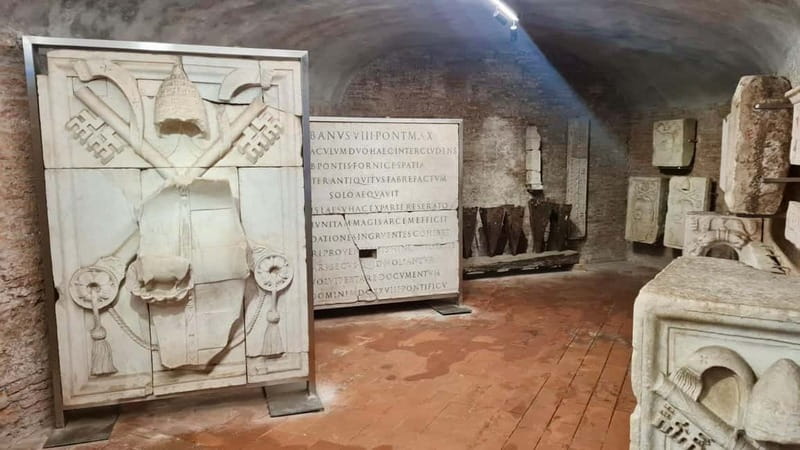
Your visit takes you into a building that began as a Roman emperor’s tomb. The chamber connected with Hadrian’s ashes is one of the most important stops because it anchors the castle in its earliest period.
Hadrian ruled during the second century AD and is associated with some of the best-known building projects of the Roman world. Here, the story is less about a free-standing ancient ruin and more about how later generations built around, over, and through an earlier monument.
The room may not provide the same open, airy impact as a grand Roman forum. Its value comes from the sense of age and reuse. The castle has not been preserved as a single frozen moment. It has been altered to meet military, religious, and political needs.
As you explore, pay attention to the contrast between the original funerary purpose and the later defensive role. That contrast is the key to understanding Castel Sant’Angelo.
A few more castle tours around Rome worth a look
- Castel Sant’Angelo: Ticket with optional Vatican or Pantheon
★ 4.4 · 3,088 reviews - Rome: Castel Sant’Angelo Guided Tour
★ 4.7 · 1,779 reviews - Castel Sant’Angelo Tour with Panoramic Views
★ 4.5 · 1,103 reviews - Castel Gandolfo Lake Kayak and Swim Tour
★ 5.0 · 661 reviews
Papal rooms, fortifications, and the route to safety
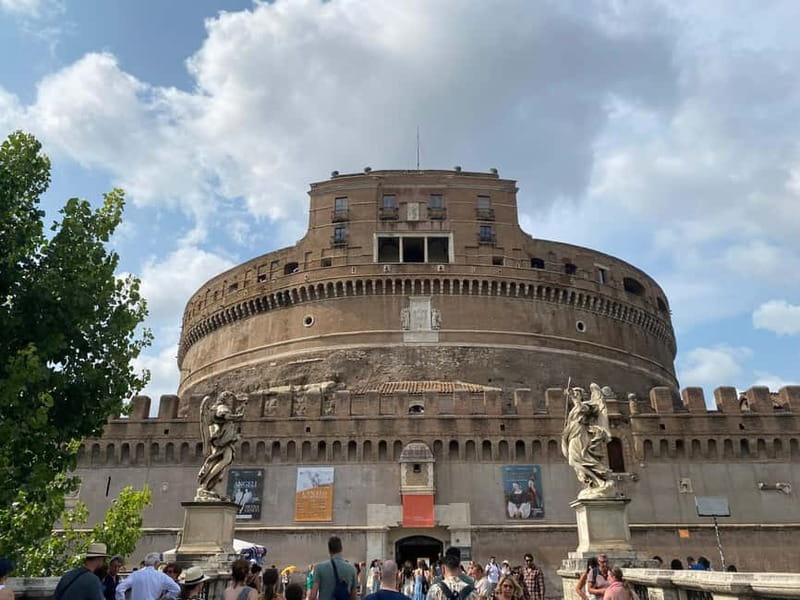
The papal rooms show the castle’s later role as a fortified papal residence. The building was not only a place to hide. It also gave the papacy a protected base near the Vatican.
A secret walkway connects Castel Sant’Angelo with the Vatican Palace. The passage helped popes flee to the fortress when danger threatened. This connection gained wider attention through Angels and Demons, but the real story is already dramatic without the film reference.
The passage is one of the most memorable facts about the castle, even if your standard ticket does not mean you will walk its entire length. It explains why this monument mattered so much during periods of political unrest.
The papal rooms also add a change of mood. After the heavy defensive spaces and ancient tomb, you encounter rooms tied to ceremony and papal authority. The building can feel like several monuments joined together, and that is exactly what makes the visit worthwhile.
The prison cells and the people held inside
The castle’s prison areas bring a darker edge to the visit. This was not only a safe refuge for popes. It also held prisoners, including the goldsmith Benvenuto Cellini and the charlatan Cagliostro.
Benvenuto Cellini was a famous Renaissance goldsmith and sculptor. His presence in the castle connects the prison story with the artistic world of Renaissance Italy. Cagliostro, known here as a charlatan, adds another character to the castle’s long list of controversial prisoners.
These names help you picture the building as a working prison rather than a decorative historic site. The rooms were connected with confinement, interrogation, and punishment. You should expect the prison sections to feel more stark than the papal rooms.
This part of the visit is especially useful if you want more than a pretty view. It shows how political power operated inside the castle. The same thick walls that protected popes also controlled prisoners.
The spiral staircase and the changing pace of the visit
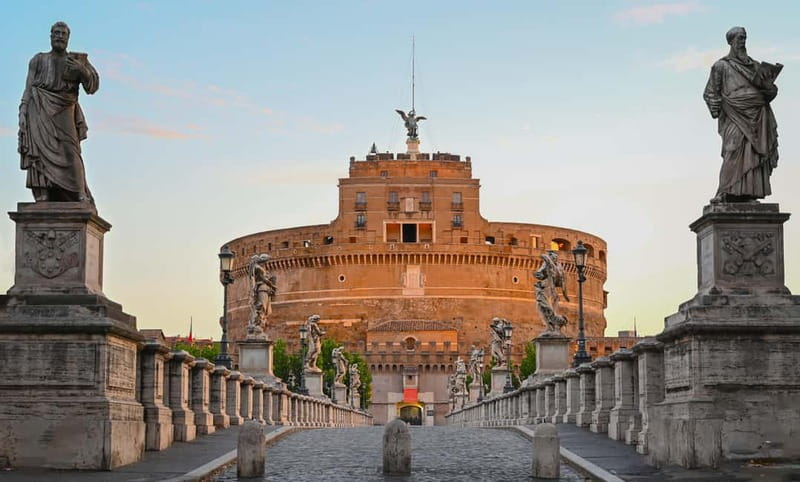
The spiral staircase is one of the castle’s defining interior features. It links the different levels and makes you feel the building’s vertical design.
The climb changes the rhythm of the visit. You move from room to room, then through a more physical passage as you work upward. This is one reason the experience is not suitable for wheelchair users or people with mobility impairments.
If you have knee, balance, or walking concerns, think carefully before booking. The ticket information also says the castle is not suitable for people with mobility impairments. Baby strollers are not allowed, so families with very young children need another plan for carrying equipment and managing the visit.
For anyone comfortable with stairs, the climb is part of the point. Castel Sant’Angelo makes more sense when you move through its layers instead of viewing it only from outside.
The rooftop terrace and the view across Rome
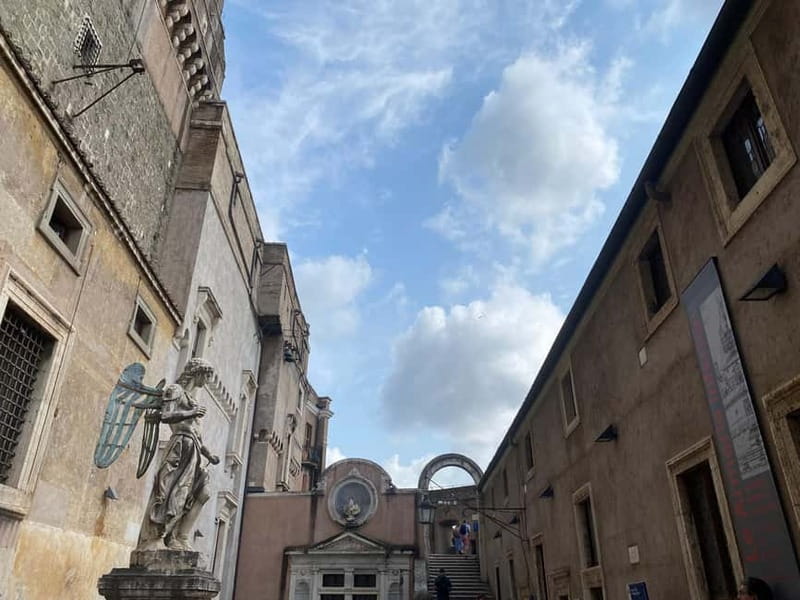
The rooftop is the natural finish. From above, you can look over Rome, the Tiber, and toward St. Peter’s Dome.
The view gives you a clearer sense of the castle’s location than any map. You can see why this site mattered to the papacy and why the river was so important to the city. The terrace also gives you a strong visual link between Castel Sant’Angelo and the Vatican.
I would save a few quiet minutes here rather than rushing straight back to the exit. The earlier rooms tell you what the castle was used for. The terrace shows you why its location was so valuable.
The rooftop is also the strongest reason to bring a camera. The city panorama is the visual reward after the darker prison spaces and the climb through the interior. Views depend on weather and visibility, of course, but the terrace is a central part of the visit.
Audio guide or independent exploration?
The audio guide is optional and available in English, French, Italian, and Spanish. It is not included automatically, so check the booking choice carefully before you pay.
I would add it if you want background while moving through the rooms but do not need the interaction of a live guide. It can help connect Hadrian’s tomb, the papal fortress, the prison, and the Vatican passage into one story.
You may prefer to explore without it if you already know Roman history or want to keep the visit quiet and flexible. Since you can move at your own pace, you do not need to keep up with a group or wait while a guide finishes a speech.
There is no live guide included. The multilingual host or greeter handles the meeting and entry process, while the monument itself is yours to explore.
What to bring and what to leave behind
Bring a passport or ID card. This is listed as required, so do not assume another form of identification will be accepted.
Large bags and luggage are not allowed. Baby strollers are also prohibited. Weapons and sharp objects are forbidden, as are alcohol and drugs. Pets cannot enter, although assistance dogs are allowed.
Transportation is not included. You need to make your own way to Castel Sant’Angelo and return from the meeting point after the visit. The activity ends back at the meeting point, so it does not provide a transfer to the Vatican, a hotel, or another Roman sight.
These rules make the experience easiest when you visit with a small day bag and no bulky equipment. Avoid booking it as a stop immediately after collecting large luggage.
Who will get the most from this ticket?
This works best for you if you want to:
- Save time with a separate entrance
- Visit without being tied to a live guide
- Take breaks and set your own pace
- See a monument that combines ancient, papal, military, and prison history
- Finish with a broad view of Rome and St. Peter’s Dome
- Add an audio guide in one of four available languages
I think it is a particularly sensible choice for families with older relatives. The ability to stop and rest matters here, and the self-guided format removes pressure to keep moving with a group.
It is less suitable if you need step-free access, want a fully guided historical explanation, or plan to bring a stroller or large bag. You should also question the value if you are happy to wait in a regular line and prefer to spend less.
Should you book Castel Sant’Angelo with this ticket?
Book it if Castel Sant’Angelo is high on your Rome list and you value time, flexible pacing, and a rooftop view. The monument offers more than a quick photo stop: you get Hadrian’s tomb, papal rooms, prison history, the spiral staircase, and a clear connection to the Vatican.
At around $30 per person, the ticket makes the most sense when the separate entrance and optional audio guide fit your plans. I would choose it for a busy Rome itinerary or for a group that needs freedom to stop often.
Skip it if you require wheelchair access, want transportation included, or expect a live guide to lead you through every room. For everyone else, it is a solid way to see one of Rome’s most unusual buildings without rushing through its many layers.
FAQ
Where do I meet the host?
Meet the host directly in front of Castel Sant’Angelo’s entrance, near the Angel Statue. The team wears a light blue jacket or T-shirt.
Is a live guide included?
No. The ticket includes skip-the-line entry only. A multilingual host or greeter helps with the meeting and entrance process, but you explore the castle on your own.
Is an audio guide available?
Yes. An optional audio guide is available in English, French, Italian, and Spanish. It is not included automatically in the basic entry ticket.
How long is the ticket valid?
The activity is listed as valid for one hour. Check the available starting times when booking and contact the provider if you need to request a same-day change.
What identification should I bring?
Bring a passport or ID card.
Can I bring luggage or a stroller?
No. Luggage, large bags, and baby strollers are not allowed inside. Weapons, sharp objects, alcohol, drugs, and pets are also prohibited. Assistance dogs are allowed.
Is the castle accessible to wheelchair users?
No. The activity is not suitable for wheelchair users or people with mobility impairments.
Just added around Rome
- St. Peter’s Basilica & Castel Sant’Angelo Entry★ 4.1 · 8 reviews
- St. Angel’s Castle: 2-Hour Private Tour★ 5.0 · 9 reviews
- Rome: Skip-the-Line Castel Sant’Angelo Tickets & Audio Guide★ 4.9 · 16 reviews
- Rome: Vatican, St Peter’s Sq & Castel Sant’Angelo PhotoShoot★ 5.0 · 14 reviews
- Rome: Passetto di Borgo Tour & Castel Sant’Angelo Ticket★ 4.4 · 86 reviews
- Rome Pre-Reserved Shared or Private Tour Castel Sant’Angelo★ 4.6 · 68 reviews
- Rome: Vatican and Castel Sant’Angelo Private Photoshoot★ 5.0 · 13 reviews
- Rome: Passetto & Castel Sant’Angelo Entry and Audioguide★ 3.6 · 43 reviews
Rome Castle Tours, compared.
Rome: Castel Sant’Angelo Entry Ticket & Digital Audioguide
Read our review →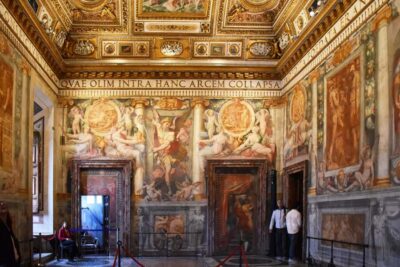
Rome: Castel Sant’Angelo Entry Ticket & Audio App
Read our review →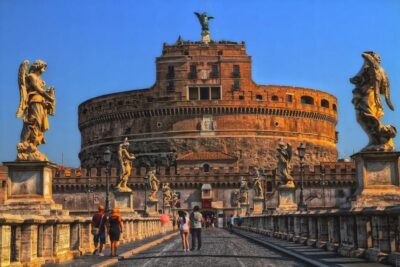
Rome: Castel Sant’Angelo Entry Ticket with Audio guide
Read our review →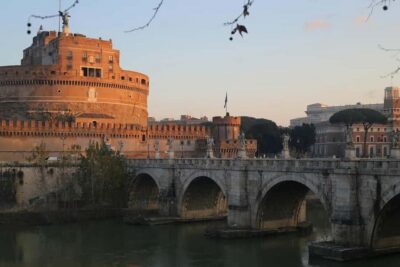
Castel Sant’Angelo: Ticket with optional Vatican or Pantheon
Read our review →


Rome: Castel Sant’ Angelo Ticket and Audio Guide
Read our review →Browse the lists this tour appears in