
REVIEW · CASTLE ENTRY TICKETS
Dover Castle Admission Ticket
Dover Castle’s best surprise is underground. Beneath the famous fortress, tunnels tell stories of medieval sieges, Napoleon’s army, the Second World War, and the 1940 Dunkirk evacuation. Above ground, you can climb Henry II’s Great Tower, walk through a recreated royal palace, and look across the Channel from one of England’s great defensive sites.
I especially like the mix of medieval spectacle and wartime reality. The lifelike figures and furnished chambers make the 12th-century court easier to picture, while the hospital and wartime tunnels feel far more personal than a standard museum display. The main drawback is the amount of walking, with steep paths, uneven ground, and stairs. You need at least three to four hours, and a full day is better if you want the major tours.
Key points to know before you go
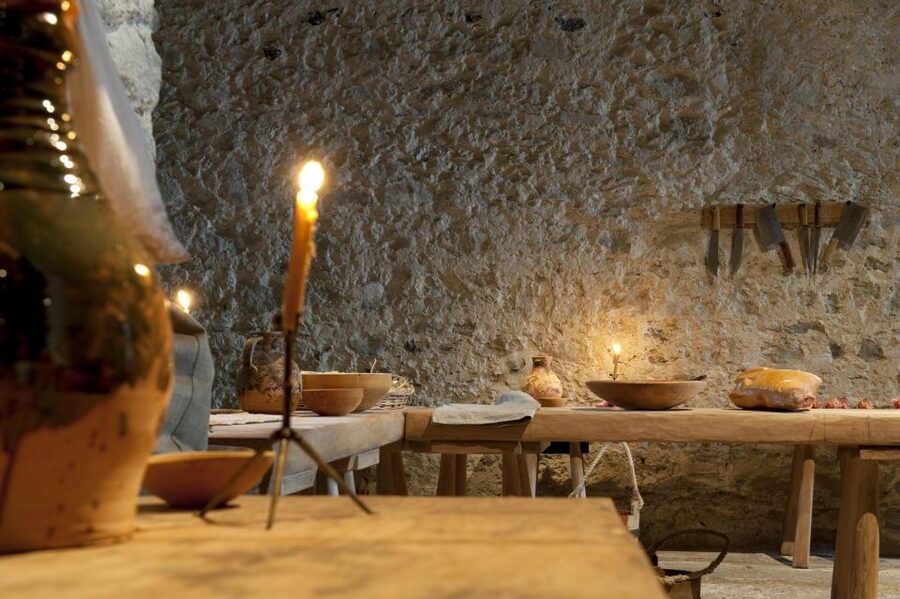
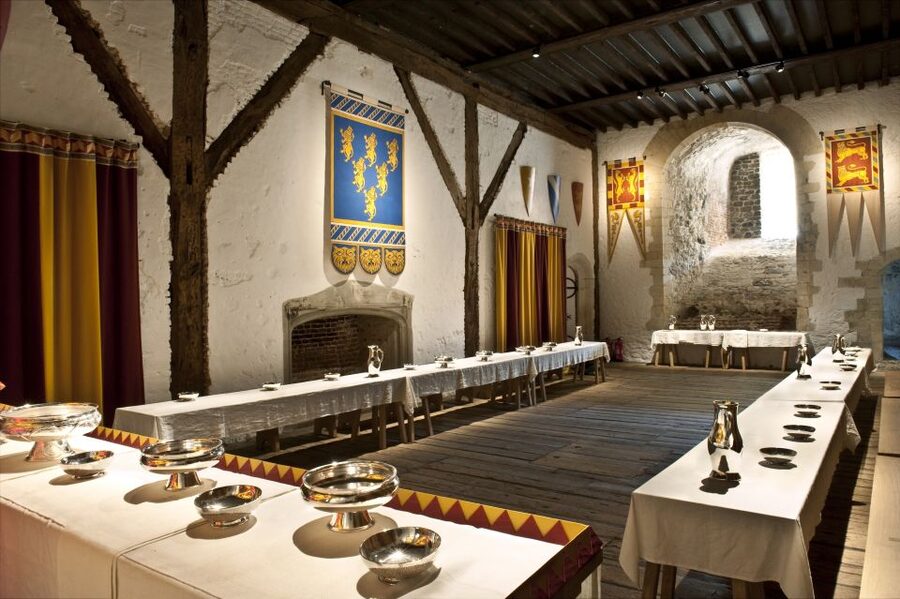
- Henry II’s royal rooms: Follow lifelike figures through the great hall, private chambers, guest rooms, kitchen, and armories.
- The Great Tower roof: Climb high above the castle for broad views over Dover, the white cliffs, and the Channel.
- Wartime tunnels: See the underground hospital and the command tunnels linked to the Dunkirk evacuation.
- Dover Castle Under Siege: Explore interactive displays and reopened medieval tunnels focused on the fortress’s hardest tests.
- A physically active visit: Expect hills, rough surfaces, stairs, and long walks between attractions.
- Allow four hours or more: Late arrival can mean missing guided tours, and the final entry time is two hours before closing.
Why Dover Castle is more than a medieval fortress

Dover Castle is easy to recognize from photographs: a huge stone stronghold above the white cliffs, guarding the narrow sea crossing to France. What makes a visit worthwhile is the sheer range of stories packed into one site. You move from Roman-era traces and medieval kings to Napoleonic defenses, the Second World War, and Cold War-era military work.
That long timeline gives the castle unusual weight. You are not simply looking at old walls. You are walking through a place that kept changing because the threat across the water kept changing.
The admission ticket costs about $33 per person. That is not a small fee, but the ticket covers a full day and a large number of separate areas. If you use the guided tunnel tours, see the Great Tower, explore the grounds, and take your time in the palace rooms, the price is easier to justify than it would be for a short castle visit.
I would not treat this as a quick stop between other sights. Some people see most of the site in two hours, but that means making choices. Four hours gives you room for the principal tours, while a full day lets you move at a calmer pace and wait for popular underground attractions.
More Castle Entry Tickets in the UK
- Edinburgh Castle: Guided Walking Tour with Entry Ticket
★ 4.7 · 11,699 reviews - Windsor Castle Admission Ticket
★ 4.7 · 7,032 reviews - Edinburgh Castle: Guided Walking Tour with Entry Ticket
★ 5.0 · 5,540 reviews
Entering the castle and getting your bearings
The meeting point is Castle Hill, Dover, Kent, CT16 1HU. You exchange the booking voucher for an admission ticket at the ticket office. If you arrive with a mobile voucher, keep it ready before you reach the entrance. One visitor found the app easy to use and went straight into the castle without waiting, while another used an online same-day booking to avoid a long entrance line.
The important timing rule is simple: final entry is two hours before closing. You must reach the ticket office in time to exchange your voucher, not merely arrive at the hill before closing. Check the current opening information before setting out, since some dates listed as closed may still have limited operation through English Heritage.
Once inside, take a few minutes to study the site map and opening times for tours. The castle spreads across a large hilltop area, and the underground attractions do not all sit beside the entrance. If you head straight to the first queue without checking the layout, you may lose time or miss a tour later in the day.
The grounds are part of the experience. You get broad views from the defensive walls, but moving around requires effort. Expect slopes, rough surfaces, and plenty of stair climbing. The site is wheelchair accessible, though the physical character of a medieval fortress means that some parts may be more difficult than others.
Henry II’s Great Tower and royal palace
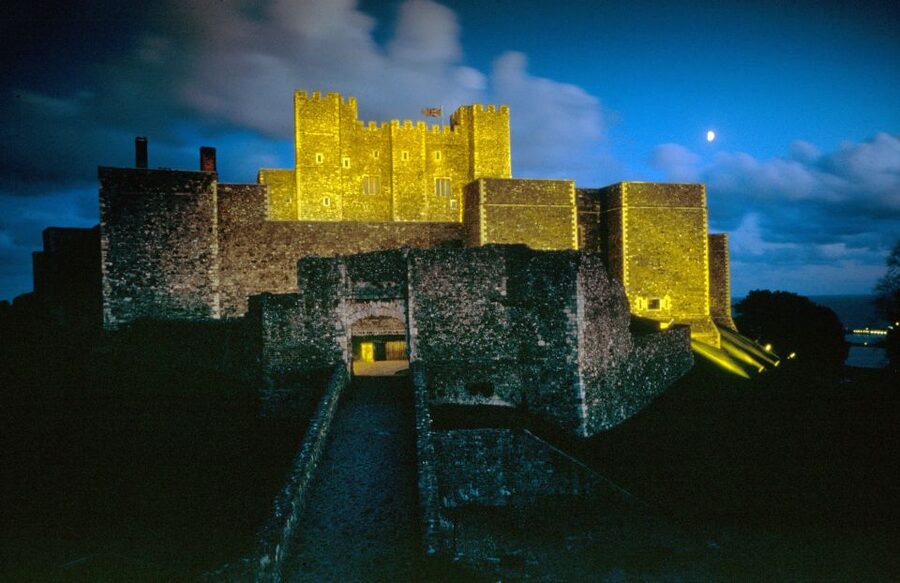
The Great Tower is the heart of the medieval visit. Henry II built it as a powerful royal residence as well as a defensive stronghold, and its height still gives it authority over the surrounding castle.
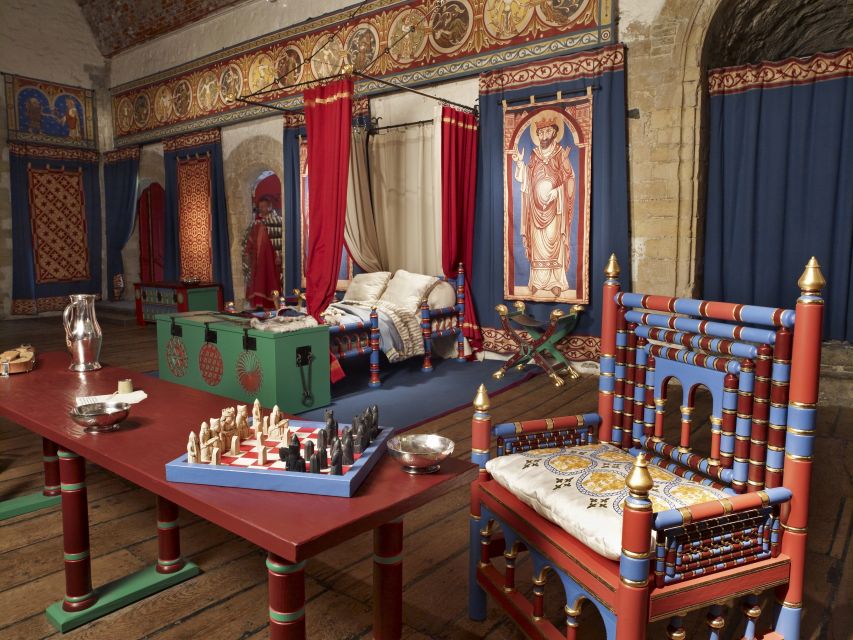
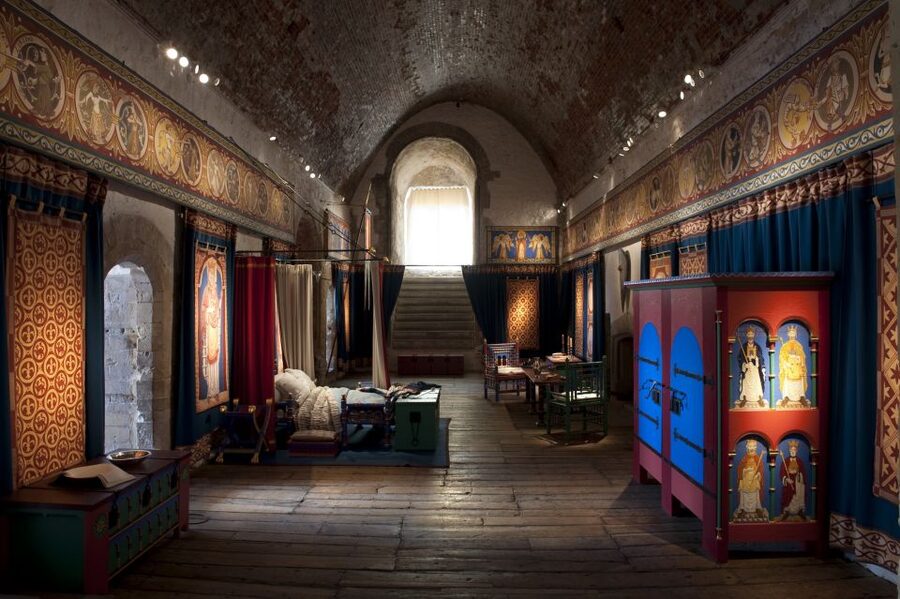
Inside, the rooms are presented as a working 12th-century court. Lifelike figures and carefully arranged furnishings help you understand how the great hall, guest rooms, private chambers, kitchen, and armories functioned. This is more useful than an empty stone shell because the scale of medieval life becomes easier to grasp. You can see how many rooms were needed for a royal household, its servants, food stores, and military equipment.
The presentation has a touch of theatre, but it works best when you let it explain the building rather than expecting a quiet museum. Families usually get more from these rooms than from bare walls and printed panels. Children can follow the figures from room to room, while adults can focus on the court politics, household organization, and defensive purpose.
The climb to the roof is the reward. From above, you can look across the extensive castle grounds and toward the coast. On a clear day, the view helps explain Dover’s military importance better than any paragraph could. The fortress controlled a key point on the English coast, and the height of the tower made observation and defense practical.
The climb also deserves a warning. Stairs and narrow passages can be tiring, and one visitor pointed out that a step near a roof viewpoint was not easy to notice. Watch your footing, especially when you are concentrating on the view or moving through busy areas.
Medieval defenses and Dover Castle Under Siege
The castle’s walls and earthworks show how defense changed over time. You can walk through different parts of the fortress and see how a stronghold needed both height and depth: towers and walls above ground, tunnels and protected routes below.
Dover Castle Under Siege adds a newer layer to the visit. Interactive displays and reopened medieval tunnels focus on the castle during its most difficult periods. This helps connect the physical fortifications with the pressure of an actual siege. You are not just seeing thick walls. You are learning why food, water, access routes, and command positions mattered.
The attraction is particularly useful if you have already seen the Great Tower and want to understand the castle as a military machine. The royal rooms show power and ceremony. The siege displays show the less comfortable side of that power, where survival depended on supplies, engineering, and endurance.
Allow time for this section rather than treating it as a quick walk-through. It is one of the places where the castle’s many centuries begin to make sense as one continuous story.
Same region, a different set of walls:
- Stonehenge, Windsor Castle, and Bath from London
★ 4.5 · 18,662 reviews - Edinburgh: Edinburgh Castle Guided History Tour with Tickets
★ 4.8 · 9,933 reviews - Stonehenge, Windsor Castle and Bath with Pub Lunch in Lacock
★ 4.5 · 7,402 reviews - Stonehenge, Windsor Castle and Bath Full Day Guided Tour
★ 4.5 · 5,346 reviews
The underground hospital and wartime command tunnels
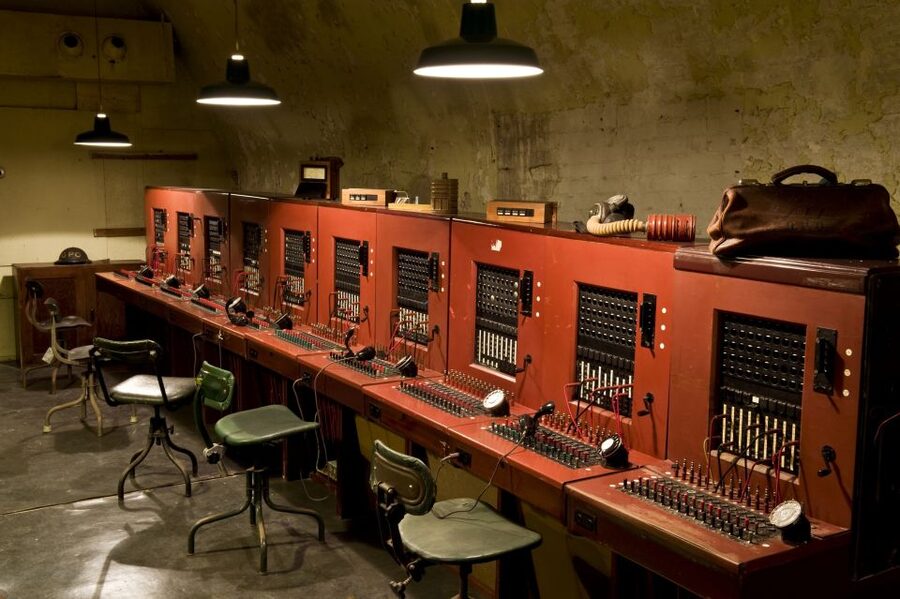
The wartime areas are among the most affecting parts of the visit. The tunnels were used for military work during the Second World War, and the underground hospital shows how the castle operated as more than a monument during crisis.
The hospital tour is guided, so you hear the story while moving through the actual passageways. Guides explain how the space functioned and help you follow the layout. The setting does much of the work: low tunnels, limited space, and the sense of a working underground operation give the presentation a seriousness that a standard gallery might lack.
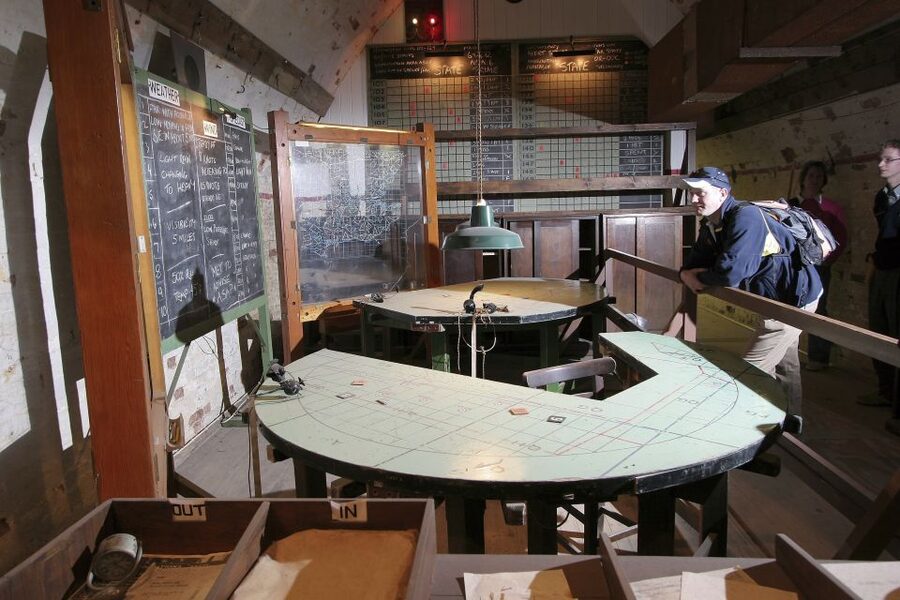
The secret wartime tunnels also tell the story of the 1940 Dunkirk evacuation. Film, audio, and archive photographs recreate the operation that brought more than 300,000 British and allied troops home. The presentation does not treat Dunkirk as a distant headline. It places you close to the command decisions and urgent communications that shaped the rescue.
The tunnel tours can develop queues, especially on busy days. One practical mistake is to follow signs toward the tunnels without realizing how long the wait may be. Check the tour schedule first and plan around it. If the main wartime tunnel line is long, the hospital tour may still be a good use of your time, but you should not assume you can fit every attraction into a late afternoon visit.
The underground sections are not ideal for anyone uncomfortable with enclosed spaces, though the ticket information confirms the site is wheelchair accessible. If you have limited mobility, ask staff about the easiest route and which areas are most practical for you before committing to a long walk.
The Dunkirk presentation and military displays
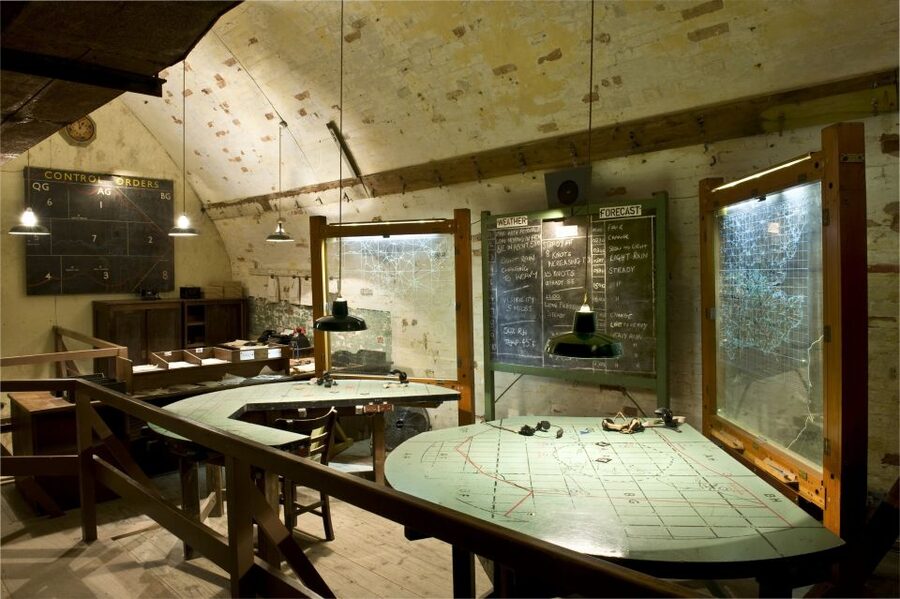
The Dunkirk presentation is one of the clearest reasons to visit Dover Castle if your interest is modern history. The castle was not frozen in medieval time. Its position made it important during the Second World War, when the coast again became a frontline of observation, planning, and defense.
Archive photographs, sound, and projected scenes create a sense of a command center under pressure. The presentation is not simply a display of objects. It shows how information moved and how a rescue operation unfolded under extreme conditions.
You may also see a rare anti-aircraft gun in action. That practical demonstration gives a direct sense of how the site responded to aerial threats. It is a short feature, but it helps bridge the gap between reading about wartime defense and seeing the machinery operate.
The modern military material is also valuable for families. A child who is less interested in medieval rooms may connect with the vehicles, emergency equipment, or defensive displays. One young visitor especially enjoyed seeing emergency service vehicles up close, which shows how the site can work for different interests within one family.
The views, grounds, and physical demands
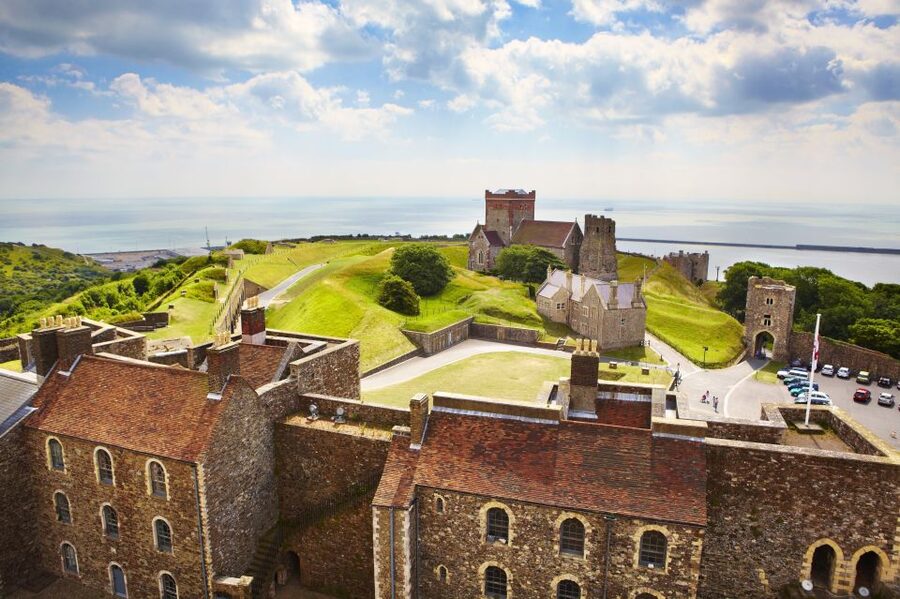
The castle’s position above Dover is one of its greatest assets. From the Great Tower and other high points, you can look across the castle, down toward the town, and out toward the Channel and white cliffs. The view changes the way you understand the fortress. This was not an isolated noble residence. It was a lookout and shield on a busy sea route.
The grounds are also a good place to slow down after the tunnel tours. You can move between buildings, take photographs, and pause to absorb the scale of the site. On a clear day, the views can be spectacular. On a wet or cloudy day, the experience becomes more demanding because the paths and exposed sections are less comfortable.
Wear shoes suited to uneven surfaces. You will walk uphill and downhill, and there are many stairs. Several hours on site can leave you tired, especially if you try to see every tour and building. The castle is a poor match for anyone hoping for a flat, short visit, but it is a strong choice if you enjoy active sightseeing.
Plan a food and rest break rather than pushing through. There is a cafe opposite the tower, and one particularly enthusiastic visitor praised the staff and tea there. Small comforts matter on a site where your legs do much of the work.
How long should you spend at Dover Castle?
Two hours is enough to see the main castle and some of the displays if you arrive with a clear plan. It is not enough for a relaxed visit to every major section.
I would allow three to four hours for the Great Tower, grounds, and at least two guided tunnel experiences. Several people found that four hours passed quickly, especially when waiting for underground tours. A full day is best if Dover Castle is your main destination.
Arriving early has two advantages. You have more time before queues build, and you reduce the risk of missing a scheduled tour. Arriving late can mean choosing between the medieval tunnels, wartime tunnels, hospital, and newer siege displays.
If you are combining the castle with the white cliffs or Canterbury, be careful with your schedule. A day trip that includes Dover Castle, the cliffs, and Canterbury can be enjoyable, but the castle alone deserves several hours. One visitor wished for more time in Canterbury, while another found that limited time meant missing several castle areas. Decide in advance which experience matters most.
Who will enjoy this ticket most?
This ticket suits you if you want one admission to cover a wide historical range. Families get theatrical medieval rooms, interactive material, and military displays. History enthusiasts get the Great Tower, hospital, wartime command tunnels, and Dunkirk presentation.
It is also a good choice for anyone who likes places that show several eras in one setting. The castle does not force you to choose between medieval and modern history. You can study royal life in one hour and wartime logistics the next.
I would be more cautious if you have difficulty walking, dislike stairs, or want a short, effortless sightseeing stop. The wheelchair-accessible status is useful, but the terrain remains demanding in places. Ask staff for practical route advice when you arrive.
The ticket also works well for repeat visitors. There is enough material beyond the main tower to make another visit worthwhile, particularly if your first visit was rushed or a tunnel was closed for renovation.
Is the $33 admission good value?
At about $33 per person, this is a moderately expensive attraction. The value depends on how much of the site you use.
If you arrive late, skip the guided tours, and spend only an hour or two inside, the cost may feel high. If you spend four hours or more exploring the royal rooms, Great Tower, grounds, siege displays, hospital, and wartime tunnels, the ticket becomes much better value.
The attraction also offers free cancellation up to 24 hours before the visit and a reserve now, pay later option. Those terms are useful if your Dover plans depend on weather or a changing day-trip schedule. The ticket is valid for one day, not a short timed entry.
For families, check the admission rules carefully. A family ticket allows two adults and up to three children aged 5 to 17. That can change the calculation considerably compared with buying five individual tickets.
Should you book Dover Castle?
Book it if you want a substantial historical visit with strong medieval displays, moving wartime presentations, and excellent coastal views. Make it your main Dover activity, arrive early, and protect at least three to four hours for the site.
I would especially recommend it to families, military-history fans, and anyone who enjoys exploring rather than simply taking a photograph outside a castle. I would hesitate only if steep paths and stairs will make the day uncomfortable, or if your schedule leaves less than two hours.
The smartest plan is simple: arrive before the queues grow, check the tunnel schedule, start with the tours you most want, and leave time for the Great Tower roof. Dover Castle rewards patience, sturdy shoes, and curiosity.
FAQ
Where is Dover Castle?
Dover Castle is at Castle Hill, Dover, Kent, CT16 1HU, in South East England.
How long is the Dover Castle ticket valid?
The admission ticket is valid for one day.
What is the last entry time?
The last entry time is two hours before closing. You must reach the ticket office by then to exchange your voucher for an admission ticket.
Is Dover Castle wheelchair accessible?
Yes, the activity information states that Dover Castle is wheelchair accessible. Because the site includes slopes, rough surfaces, and stairs, ask staff for practical route guidance when you arrive.
What does the ticket include?
The ticket includes admission to Dover Castle. The visit includes access to the castle grounds, the Great Tower, medieval displays, wartime areas, and the attractions operating at the site.
Does Dover Castle have guided tours?
Yes. Guided experiences include the historic tunnels and the underground hospital. Tour schedules and queues can affect how many you manage to see.
Can I cancel the booking?
Yes. You can cancel up to 24 hours in advance for a full refund.
What does the family admission ticket cover?
The family admission ticket allows entry for two adults and up to three children aged 5 to 17.
Just added around the UK
- Leeds Castle and Canterbury – Day Tour from Brighton★ 5.0 · 16 reviews
- Private Tour – Causeway, Castles & Whiskey Tour – Game of Thrones★ 5.0 · 21 reviews
- Private Tour: Giant’s Causeway, Norman Castles, and Game of Thrones Film Locations★ 5.0 · 70 reviews
- From Belfast-Giants Causeway, Dunluce Castle and Dark Hedges tour★ 4.5 · 193 reviews
- Lacock and Castle Combe – Afternoon Private Tour★ 5.0 · 55 reviews
- Best Scottish Whisky Distilleries Private Tasting Trip plus optional Castle Tour★ 5.0 · 4 reviews
- Dunnottar Castle and Royal Deeside Small-Group Tour from Aberdeen★ 5.0 · 196 reviews
- Aberdeenshire Private Half Day Castle & Historic Building Tour★ 5.0 · 18 reviews
Castle Entry Tickets, compared.


Granada: Alhambra and Nasrid Palaces Entry Ticket
Read our review →
Edinburgh Castle: Guided Walking Tour with Entry Ticket
Read our review →
Prague: Castle Tour with Local Guide and Entry Ticket
Read our review →
Prague Castle 2.5-Hour Tour Including Admission Ticket
Read our review →

Granada: Alhambra Entry Ticket with Audio Guide
Read our review →Edinburgh Castle: Guided Walking Tour with Entry Ticket
Read our review →Browse the lists this tour appears in