
REVIEW · CASTLE ENTRY TICKETS
Château of Azay-le-Rideau Entry Ticket
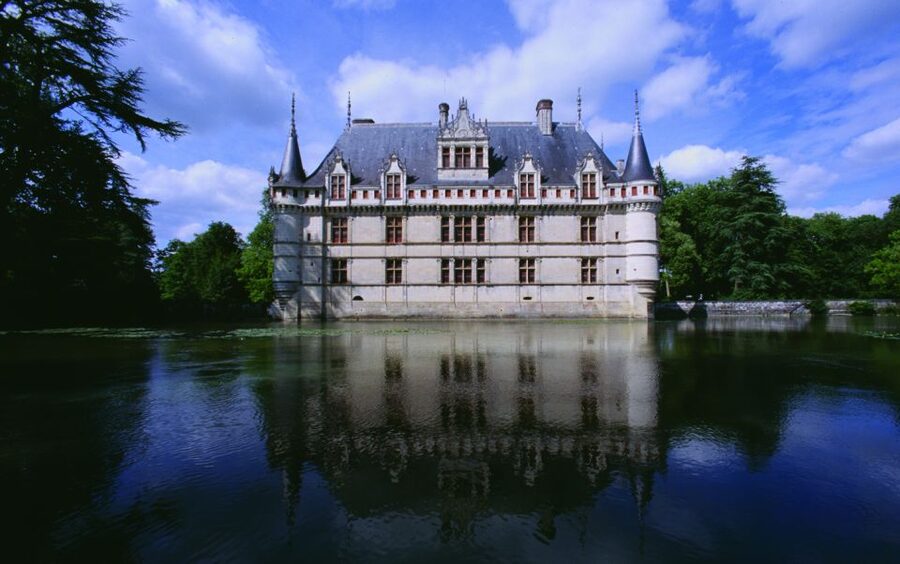
Azay-le-Rideau rises from an island in the Indre River, with water on two sides and a romantic park wrapped around its Renaissance walls. The setting is the star here: you get grand architecture, reflections on the river, and a château that feels far more intimate than the Loire’s largest palaces.
I like the beautiful island setting and the careful restoration, especially the living and dining rooms created for the Marquis of Biencourt. The main drawback is that the visit averages only about 1.5 hours, and some rooms feel more like a museum display than a fully furnished royal home.
Key points to know before you go
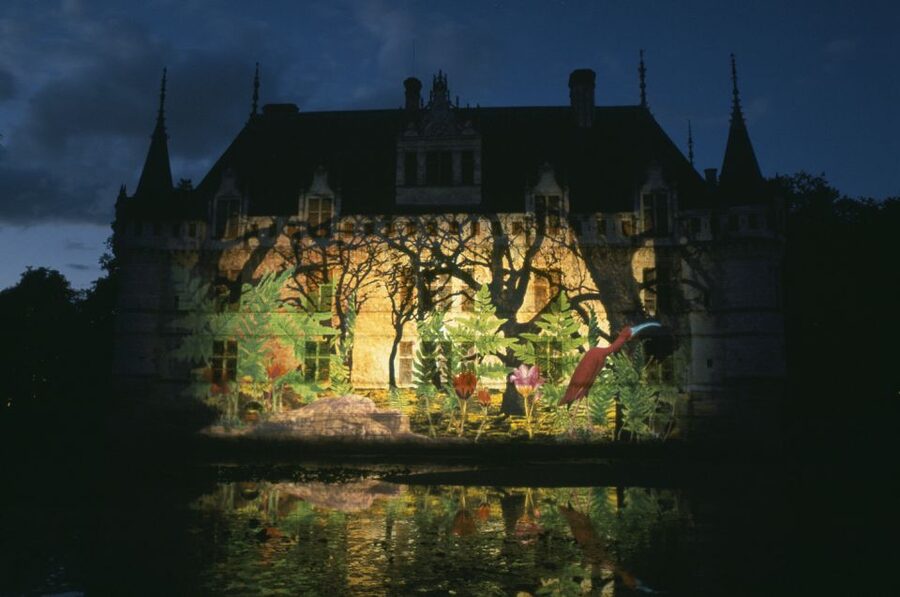
- Renaissance château on the Indre: The water, corner turrets, Gothic details, and Italian-style decoration give Azay-le-Rideau a distinctive look.
- Biencourt interiors: The 19th-century living room and dining room show how the château was made comfortable and fashionable long after its original construction.
- French tours, multilingual audio: Guided tours are in French, while audio guides are available in English, German, Italian, French, and Spanish.
- A compact visit: Plan on about 1.5 hours inside the château, plus extra time for the park and photographs.
- Seasonal tea rooms: Tea rooms operate from April 1 through September 30.
- Practical restrictions: Leave strollers and large bags behind, and bring photo ID if you qualify for free admission.
Azay-le-Rideau, a château shaped by water
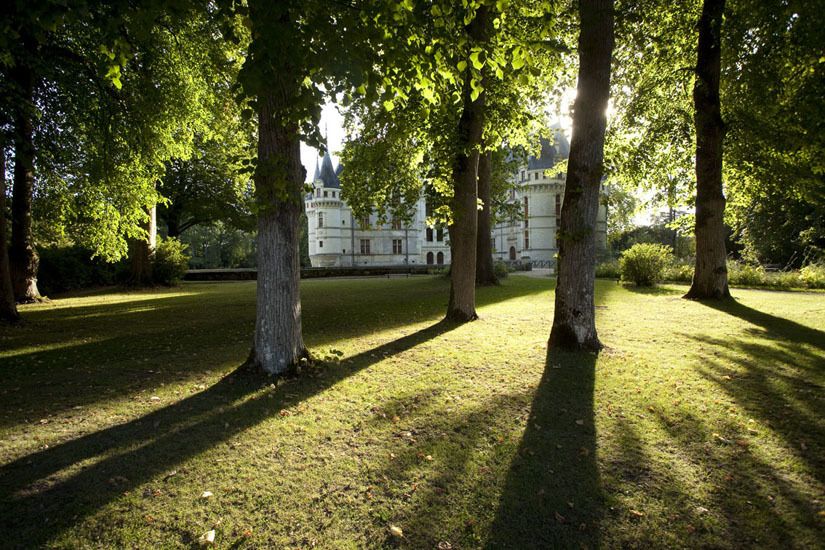
The first sight is wonderfully theatrical. The château appears to float above the Indre, even though it rises from a small island rather than open water. Its pale stone walls, pointed roofs, corner turrets, and reflections give it the graceful look many people hope to find in the Loire Valley.
Azay-le-Rideau was built during the reign of François I, when French nobles were borrowing heavily from Italian Renaissance design. Gothic touches remain, but the overall effect is lighter and more decorative than a medieval fortress.
I find the setting more convincing than any grand claim about the building itself. The river softens the château’s hard stone lines, and the park gives you changing views instead of one fixed postcard angle. Walk slowly around the exterior before heading inside. You will understand the building better once you have seen how its façades meet the water.
The château’s façades overlook the river and surrounding ponds, with projecting corner turrets that add both decoration and practical presence. This is a small palace rather than a giant royal complex, so its details reward close attention.
More Castle Entry Tickets in France
- Carcassonne: Castle and Ramparts Entry Ticket
★ 4.6 · 2,884 reviews - Chambord: Entry Ticket to the Castle
★ 4.6 · 1,841 reviews - Chenonceau Castle Admission Ticket
★ 4.7 · 1,515 reviews
From Gilles Berthelot to François I
Azay-le-Rideau began a major transformation in 1510, when Gilles Berthelot acquired the seigneurie and fortress. He rebuilt the property in the Italian style that was fashionable among ambitious French officials and landowners.
Berthelot’s plans were tied to rising wealth and royal favor. His relative Semblança helped him build influence in the region, but after Semblança was accused of embezzlement and executed, Berthelot fled. François I then gave the château to his companion-in-arms, Antoine Rafin.
That change of ownership matters because the building you see is not simply the product of one noble family’s taste. It reflects the risks of court life during the Renaissance. A splendid home could signal success one year and become a royal gift to someone else the next.
Rafin’s descendants held the château until the 18th century. Later, the property came into the hands of Marquis Charles de Biencourt. His family brought a different sense of style to Azay-le-Rideau, shaping the 19th-century rooms and gardens that are now a major part of the visit.
The Renaissance exterior deserves your time
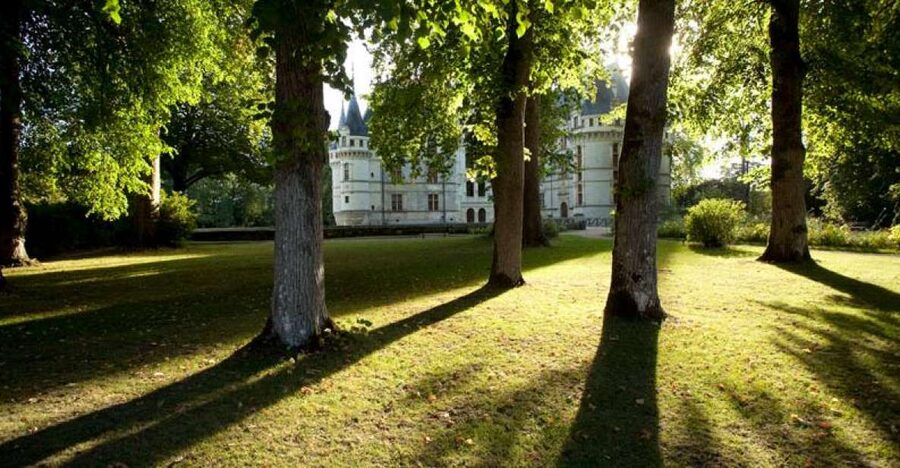
Many château visits rush you indoors. At Azay-le-Rideau, I would do the opposite at first. Spend time looking at the outer walls, roofline, windows, and corner turrets.
You can see Gothic motifs mixed with Renaissance ornamentation. That blend is one of the building’s pleasures. It is not a pure textbook example of one period. Instead, it shows French architecture moving from defensive medieval forms toward a more elegant and decorative style.
The island position also changes how you read the structure. The water creates a natural frame, and the façades appear different as you move through the park. From one angle, the turrets feel defensive. From another, the château looks like a country residence designed for display.
Bring your camera, but do not use flash indoors. Large bags and luggage are not allowed, and baby strollers are also excluded. These rules can affect families with very young children, so plan for a lighter visit.
Inside the Marquis of Biencourt’s home
The living room and dining room of the Marquis of Biencourt are among the most useful rooms for understanding Azay-le-Rideau after the Renaissance period. These are 19th-century interiors, not rooms preserved exactly as they appeared in the time of François I.
That distinction is important. If you arrive expecting every room to recreate a 16th-century court, you may find the presentation more museum-like than theatrical. One recent visitor found the château short on period scenes for exactly this reason.
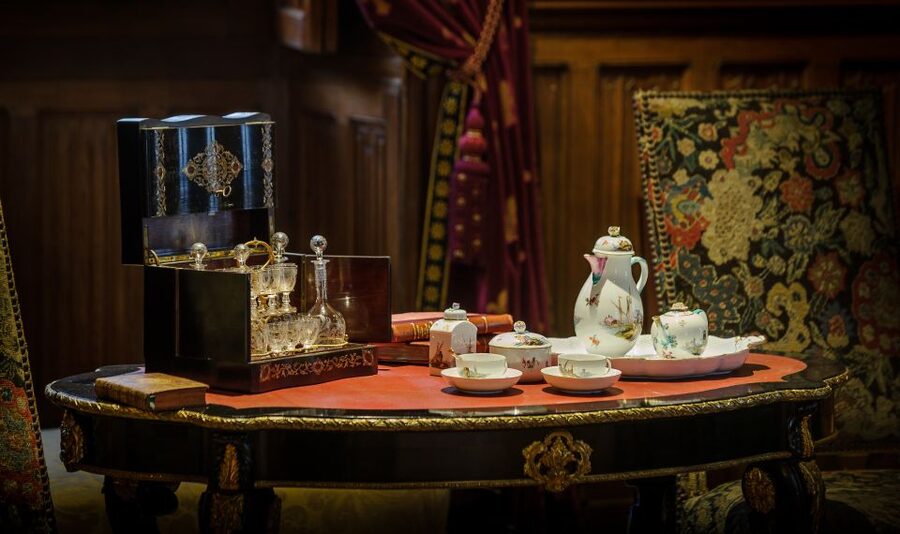
I see the Biencourt rooms as a different kind of attraction. They show how later owners adapted an old Renaissance residence for modern comfort, social life, and display. The dining room helps you picture formal meals, while the living room gives the château a more personal domestic feel.
The restored decoration also makes the building easier to understand. Stone walls and ornate façades can seem distant. Furniture, dining arrangements, and lived-in rooms show how people used the space.
A visit may include a guided and commented section of the château, though guided tours are conducted in French. If you do not understand French, use the audio guide instead. English, German, Italian, French, and Spanish are available.
Same region, a different set of walls:
- Loire Valley Castles Day Trip from Paris with Complementary Wine
★ 4.5 · 3,907 reviews - From Paris: Loire Valley Castles Day Trip With Wine Tasting
★ 4.6 · 1,727 reviews - Medoc or Saint Emilion Wine Tasting and Chateau from Bordeaux
★ 5.0 · 1,415 reviews - From Paris: Full-Day Loire Valley Chateaux Tour
★ 4.4 · 1,269 reviews
Kitchens and the new interpretation area
The kitchen has been given atmospheric staging, making it one of the more accessible stops for visitors who want to picture daily life. You can expect a presentation that focuses on the working side of the household rather than royal ceremony.
This is a useful change of pace. Grand rooms explain status. Kitchens explain routine, labor, and the practical needs of a large residence. The contrast helps you see the château as a working home rather than a shell built only for admiration.
The new interpretation area adds context to the building and its collections. If you prefer signs and displays that explain what you are looking at, allow time for this section instead of treating it as a quick corridor on the way out.
The restoration programme also shapes the visit. Some of the appeal comes from seeing how the château has been repaired and presented for modern audiences. You are not simply looking at old stone. You are seeing a historic building after a major effort to make its rooms, collections, and visitor route clearer.
Louis XIII’s royal apartment
Azay-le-Rideau includes a royal apartment used by Louis XIII in 1619. This detail gives the château a link to the wider royal world, even though it is more intimate than the largest Loire residences.
The apartment is worth seeking out because it shows that Azay-le-Rideau was not only a private country home. Royal use added prestige, and it helps explain why the property mattered within the political and social network of the period.
Do not expect the scale of a Versailles apartment or the huge ceremonial rooms found at some other Loire châteaux. The appeal here is the connection between a compact residence and the royal court.
The romantic park and changing views
The park is included with your entry and deserves more than a quick walk between the ticket desk and the château. Its 19th-century design reflects the period when the Marquis of Biencourt developed the gardens and reshaped the grounds.
The word romantic fits the setting. The water, mature planting, open views, and stone façades create a softer mood than the château’s military-looking exterior might suggest.
I would reserve at least 20 to 30 extra minutes for the park if the weather is comfortable. The average château visit takes 1.5 hours, but that figure does not need to include every outdoor pause. Look back at the building from different sides, especially where the river frames the walls and turrets.
The park also helps if the interiors feel too formal or sparse. Outdoors, the setting supplies the atmosphere that a fully furnished room might otherwise provide.
How much time should you allow?
The stated average visit is 1.5 hours. That is enough for the main interiors, the Biencourt rooms, the kitchen presentation, and the interpretation area at a steady pace.
I would allow two hours if you want to explore the park properly, listen to the audio guide, and stop for photographs. Add more time if you plan to use the tea room, which is open from April 1 through September 30.
The ticket is valid for one day, so you are not forced into a rushed entrance and exit. Check the day’s opening information before setting out, and remember that the last entry is one hour before closing.
The château is closed on January 1, May 1, and December 25. Free entry is also offered on the first Sunday of January, February, March, November, and December, as well as during European Heritage Days on the third weekend of September.
Is the $15 ticket good value?
At $15 per person, this is a sensible ticket for a focused Loire Valley stop. You get access to the château, the restored interiors, the park, and the interpretation areas. The visit is not an all-day attraction for most people, but the price fits a compact cultural visit.
The value improves if you care about architecture and setting. Azay-le-Rideau gives you a distinctive island château rather than another huge palace with long corridors and crowded ceremonial rooms.
The ticket is less compelling if you want a fully staged historical show. Some rooms feel like museum galleries, and the visit does not promise a large number of costumed scenes or theatrical recreations.
There is also a useful surprise for some visitors: a guided and commented section may be included in the admission experience. Since guided tours are in French, check the schedule if that matters to you. An audio guide in five languages gives non-French speakers a practical alternative.
Who will enjoy this château most?
I would recommend Azay-le-Rideau to you if you like architecture, garden walks, photography, and smaller historic residences with a strong sense of place. It is also a good choice if you want a Loire château that can be visited without giving up an entire day.
Families can enjoy the water, turrets, and outdoor space, but the ban on baby strollers means you should plan carefully if you are visiting with an infant. Large bags and luggage are not allowed, so do not arrive expecting to store a suitcase inside.
The château suits independent visitors because the audio guide provides support without requiring a scheduled English tour. French speakers may get more from the guided options, especially if they want added commentary.
I would choose another site if your priority is a vast royal palace, lavishly furnished state apartments, or a full day of elaborate historical scenes. Azay-le-Rideau works best when you appreciate proportion, detail, and atmosphere.
Practical advice before arriving
The meeting point is Château d’Azay-le-Rideau, 37190 Azay-le-Rideau. Bring a passport or photo ID, especially if you may qualify for free admission.
Visitors under 18 enter free, and EU citizens under 26 also enter free, but you must show photo ID at the ticketing station before going to the monument entrance. This small step matters, so do not leave identification in your vehicle or accommodation.
The site is wheelchair accessible and offers adapted tours for disabled visitors. If you need a particular format or route, confirm the available arrangement before arrival.
Tea rooms are open only from April 1 to September 30. Outside that period, do not count on refreshments at the château itself.
The activity is non-refundable, so check your date and opening information before paying. The small-group format is limited to 10 participants, though the ticket itself is mainly about admission to the monument rather than a long escorted tour.
Should you book Château d’Azay-le-Rideau?
Book it if you want a graceful Renaissance château in a striking river setting, with a manageable visit and a good mix of architecture, interiors, gardens, and restoration work. The $15 price is fair, especially if you take time to walk the park and use the audio guide.
Go with realistic expectations. This is not the place for a huge royal spectacle or room after room of dramatic period staging. It is better for a quiet, detailed look at a smaller château shaped by Renaissance ambition, royal politics, 19th-century taste, and careful modern restoration.
FAQ
Where is Château d’Azay-le-Rideau?
It is located at Château d’Azay-le-Rideau, 37190 Azay-le-Rideau, in France’s Loire Valley.
How much does admission cost?
The listed price is $15 per person.
How long is the ticket valid?
The ticket is valid for one day.
How long does a visit usually take?
The average visit lasts about 1.5 hours. You may want extra time for the romantic park and seasonal tea rooms.
Are audio guides available?
Yes. Audio guides are available in French, English, German, Italian, and Spanish.
What language are guided tours conducted in?
Guided tours are conducted in French.
Is the château wheelchair accessible?
Yes. The site is wheelchair accessible and offers adapted tours for disabled visitors.
Can I bring a baby stroller?
No. Baby strollers are not allowed.
Can I bring luggage or a large bag?
No. Luggage and large bags are not allowed.
When are the tea rooms open?
The tea rooms are open from April 1 through September 30.
Is entry free for children?
Visitors under 18 enter free. EU citizens under 26 also enter free with photo ID shown at the ticketing station.
When is the château closed?
It is closed on January 1, May 1, and December 25.
When is the last admission?
The last entry is one hour before closing time.
Is the ticket refundable?
No. The activity is non-refundable.
Are there free-admission days?
Yes. Free entry is offered on the first Sunday of January, February, March, November, and December, and during European Heritage Days on the third weekend of September.
Just added around France
- Saint Emilion Castle and Village Wine Tour★ 4.5 · 23 reviews
- Château de Fieuzal, Pessac-Léognan: Visit and Tasting★ 5.0 · 18 reviews
- Private Wine Lovers – Super St Emilion – behind the scenes visits top chateaux and medieval town★ 5.0 · 25 reviews
- 3H private city tour of Bordeaux and vineyard in a Citroën DS★ 5.0 · 4 reviews
- Bordeaux Médoc Region Private Wine Lovers Tour with Chateau Visits & Tastings★ 5.0 · 40 reviews
- Full-day Saint-Emilion: Village, Undergrounds and Châteaux★ 4.5 · 55 reviews
- Bordeaux to Dordogne – Private Tour: Fortified Castles and Medieval Villages★ 4.5 · 4 reviews
- Chateau du Taillan and Park including Wine Tasting Tour★ 5.0 · 40 reviews
Castle Entry Tickets, compared.


Granada: Alhambra and Nasrid Palaces Entry Ticket
Read our review →
Edinburgh Castle: Guided Walking Tour with Entry Ticket
Read our review →
Prague: Castle Tour with Local Guide and Entry Ticket
Read our review →
Prague Castle 2.5-Hour Tour Including Admission Ticket
Read our review →

Granada: Alhambra Entry Ticket with Audio Guide
Read our review →Edinburgh Castle: Guided Walking Tour with Entry Ticket
Read our review →Browse the lists this tour appears in