
REVIEW · FRANCE CASTLE TOURS
The vertical at Château Cruzeau
Château Cruzeau’s best feature is its vintage comparison. Instead of tasting one young wine and calling it a day, you sample four vintages from 2014, 2015, 2016, and 2018, then consider how weather and winemaking changed each bottle. I like the family connection, too: the Luquot family has managed this 12-hectare property for five generations.
I also like the small-group format, limited to 10 people, and the chance to talk with the owners about soil, technology, and environmental work. The main consideration is simple: at 90 minutes, this is a focused estate visit, not a full-day wine excursion. Also, the general highlights mention three wines, while the detailed program lists four, so it is wise to confirm the tasting lineup when you book.
Key points at a glance
- Four vintages from 2014 to 2018: Compare the effect of changing weather and cellar work in Saint-Émilion Grand Cru.
- A five-generation family estate: The Luquot family remains closely involved with Château Cruzeau.
- Soil takes center stage: Learn how life below the vines helps shape the finished wine.
- The full production route: The visit goes from vineyard to vat room to barrel cellar.
- Small groups of up to 10: You get a better chance to ask questions and speak directly with the owners.
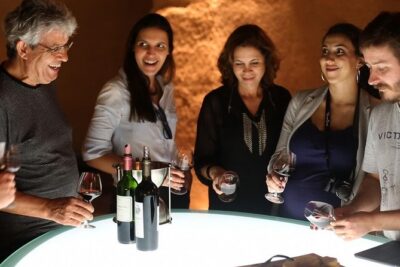
- A practical tasting finish: Four wines come with chocolates or cheeses, making the final discussion more relaxed.
Why the vintage tasting is the main event
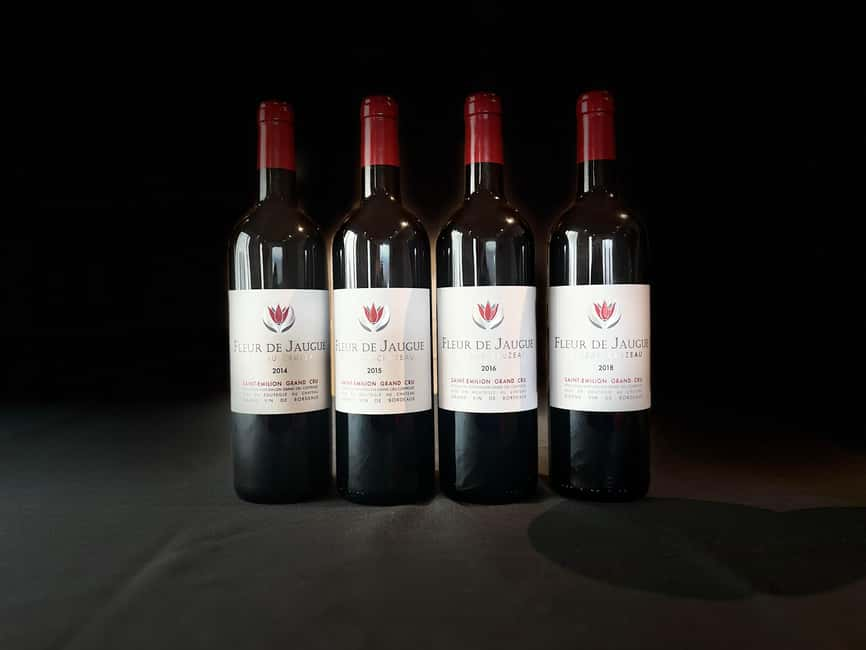
Many winery visits follow a familiar pattern: look at the vines, see the tanks, taste the current release, and move on. Château Cruzeau takes a more useful approach. Its tasting focuses on four vintages, allowing you to compare the wines rather than judge one bottle in isolation.
The listed years are 2014, 2015, 2016, and 2018. That spread matters because wine is shaped by the growing season as well as the winemaker’s choices. You will be invited to think about the vintage effect, meaning how climate influences the grapes and, later, the wine in your glass.
I find this especially valuable if you are still learning how Bordeaux works. You do not need an expert palate. The point is not to identify every aroma. It is to notice how the wines differ and connect those differences to the weather, the condition of the fruit, and the choices made in the cellar.
The tasting is paired with chocolates or cheeses. That is a small but useful touch. Food gives you a way to test how the wine changes with something on your plate, and it makes the final part of the visit feel less formal.
One detail needs attention before booking. The short description refers to a selection of three wines, while the full activity details specify four wines from 2014, 2015, 2016, and 2018. The more detailed information points to four, but I would confirm this if the exact number matters to you.
A few more castle tours around France worth a look
- Loire Valley Castles Day Trip from Paris with Complementary Wine
★ 4.5 · 3,907 reviews - Carcassonne: Castle and Ramparts Entry Ticket
★ 4.6 · 2,884 reviews - Chambord: Entry Ticket to the Castle
★ 4.6 · 1,841 reviews
Starting among the vines near Saint-Émilion and Pomerol
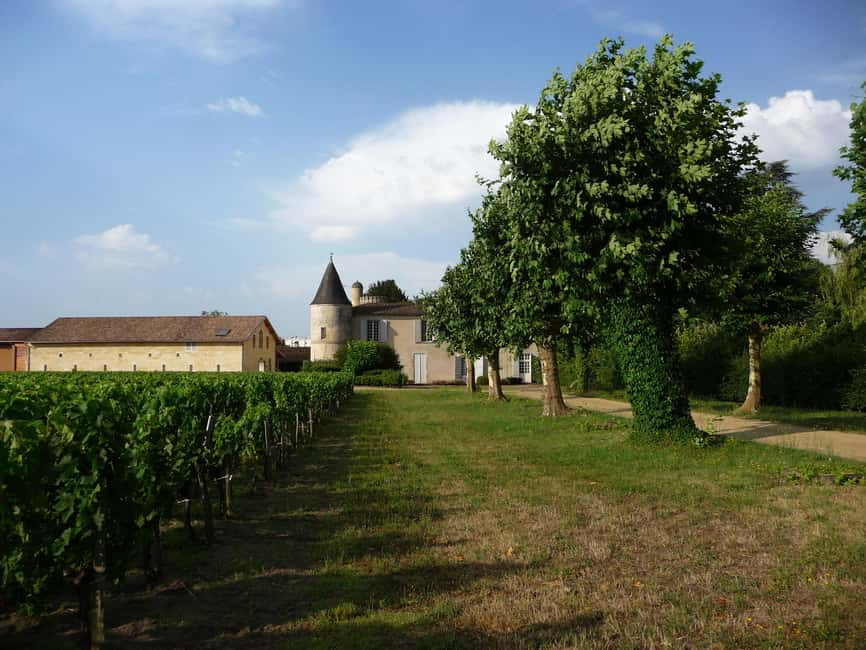
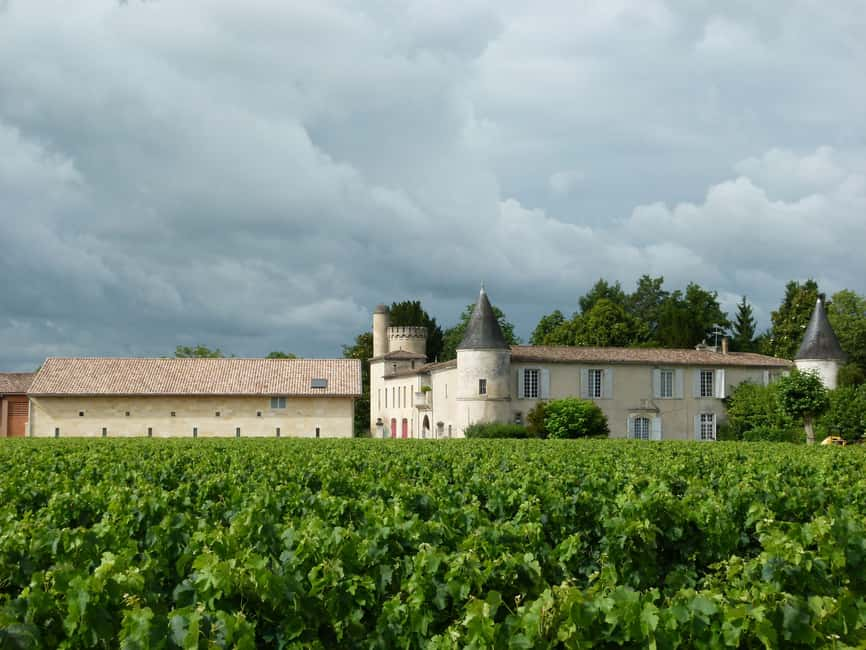
The visit begins at the reception before moving into the vineyard. Château Cruzeau lies in the Saint-Émilion Grand Cru appellation, near the border of Saint-Émilion and Pomerol, in the Libourne area of Nouvelle-Aquitaine.
That location gives the tour useful context. You are not simply hearing about a famous wine name in a tasting room. You are standing on the property where the grapes begin their journey. The vineyard setting also gives the conversation a clear focus: soil, agricultural practices, climate, and the work needed through the growing season.
The estate covers 12 hectares, large enough to support a serious wine operation but still small enough to retain a family-property feel. The Luquot family has managed Château Cruzeau for five generations. That long connection helps explain why the visit places so much weight on continuity, practical work, and the relationship between the family and the land.
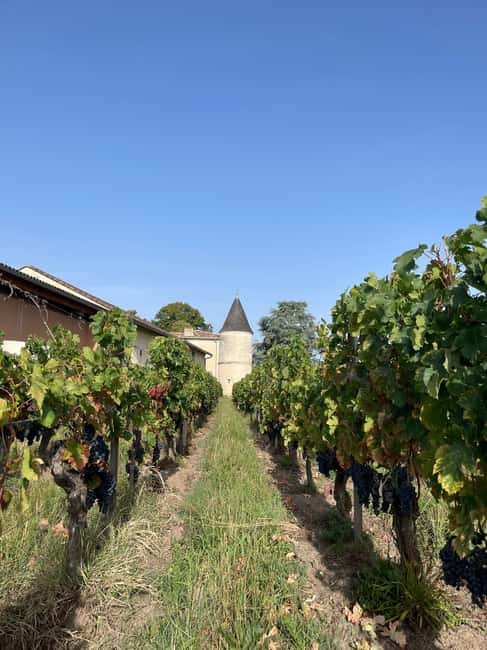
I would pay close attention during this first section. Soil discussions can sound abstract when you hear them in a city wine bar. Here, the vines are right in front of you, so the questions have a physical reference. You can ask how the property approaches farming and how soil conditions affect the character of its wines.
The property is certified High Environmental Value. That certification reflects an effort to use environmentally responsible methods, and the visit includes discussion of the estate’s approach. Do not expect the tour to turn into a technical farming lecture, but you will get a clearer sense of how environmental choices fit into day-to-day vineyard work.
Soil life and the work behind each bottle
The conversation about soil is one of the most distinctive parts of the experience. The focus is not only on the surface appearance of the vineyard, but also on the life within the soil and its role in wine production.
For you, this is useful because it links farming to flavor without pretending that wine comes from one simple cause. Climate matters. Soil matters. The grower’s decisions matter. The cellar matters. A good tasting should help you understand how those pieces meet, and Château Cruzeau builds that idea into the visit.
The property also discusses technology and ongoing innovation. This gives the tour a modern balance. The Luquot family’s five-generation story could easily become a nostalgic look at old methods, but the program also addresses how the estate uses new tools and continues to adjust its work.
That combination should suit you if you want more than a polished sales pitch. You will hear about tradition, but also about changes in vineyard management and winemaking. The result is a more realistic picture of a small Bordeaux estate: family roots, modern decisions, and plenty of careful work between harvests.
The tour is offered in French and English. Since no individual guide names are provided, you should expect to meet a member of the property team or the Luquot family rather than a named outside presenter. The direct exchange with the owners is a major part of the experience, particularly if you enjoy asking questions.
From the vat room to the barrel cellar
After the vineyard, the route continues into the vat room. This is where you can connect the outdoor work with the first stages of turning grapes into wine.
The activity description does not give a detailed equipment list or a step-by-step production schedule, so you should not expect a highly technical factory tour. Instead, the vat-room stop is designed to explain the estate’s process and show how the fruit moves into winemaking.
That restraint may appeal to you. If you already know the basics of fermentation, you can use the time to ask about Château Cruzeau’s methods. If you are new to wine, the guide’s explanation should help you understand why the cellar is not just a storage area. It is where the decisions made after harvest begin to shape the wine you later taste.
The barrel cellar follows. This part gives you a chance to consider the wine’s time after fermentation. Again, the value is in the connection between stages. You have seen the vines, discussed the soil, and followed the grapes into the production areas. The barrel cellar completes the physical route before the tasting puts the result in your glass.
I appreciate this order because it avoids a disconnected string of stops. Each place answers a different question. The vineyard explains where the grapes grow. The vat room explains the first transformation. The barrel cellar shows another stage of maturation. The tasting then asks you to compare the finished wines.
Same region, a different set of walls:
- From Paris: Loire Valley Castles Day Trip With Wine Tasting
★ 4.6 · 1,727 reviews - Chenonceau Castle Admission Ticket
★ 4.7 · 1,515 reviews - Medoc or Saint Emilion Wine Tasting and Chateau from Bordeaux
★ 5.0 · 1,415 reviews - From Paris: Full-Day Loire Valley Chateaux Tour
★ 4.4 · 1,269 reviews
Four vintages, one family estate
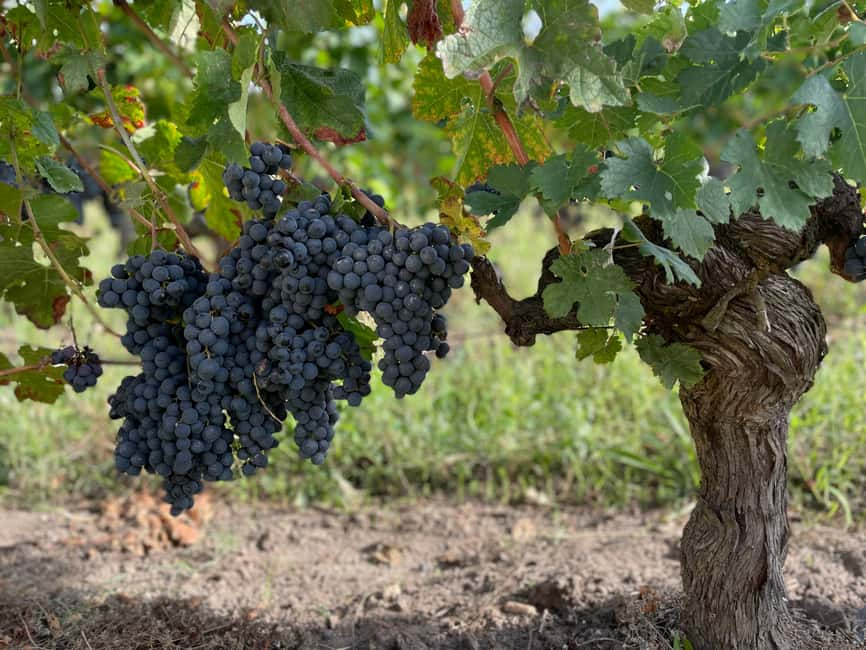
The tasting closes the visit and lasts long enough to make the comparison worthwhile. The listed vintages are 2014, 2015, 2016, and 2018, all presented as Saint-Émilion Grand Cru wines from the property.
I would treat this as a guided exercise rather than a quick pour. Start by tasting each wine on its own, then return to the glasses and compare them. Look for changes in fruit, structure, freshness, and texture. You do not need to use specialist language. A simple observation such as lighter, firmer, rounder, or more intense can open a useful conversation.
The important point is that the wines come from the same estate. That keeps the comparison focused. You are not jumping between unrelated producers or regions. You are looking at the effect of different years and the choices made by one family property.
The tasting also gives you a chance to revisit the earlier discussion. Did the climate explanation make more sense after comparing the vintages? Can you detect a difference in style between the years? Did the explanations about soil and cellar work change how you approached the glass?
This is where the tour earns much of its $35 price. A standard tasting can charge for a few samples and a brief explanation. Here, your fee covers a 90-minute visit that includes the vineyard, production spaces, a family conversation, and a four-vintage tasting with food. The value is strongest if you care about understanding the comparison, not simply drinking Bordeaux.
The cost may feel less attractive if you want a broad regional survey or a large number of wines. Château Cruzeau is about one estate and one focused story. You pay for context and access, not quantity.
Why the small group matters
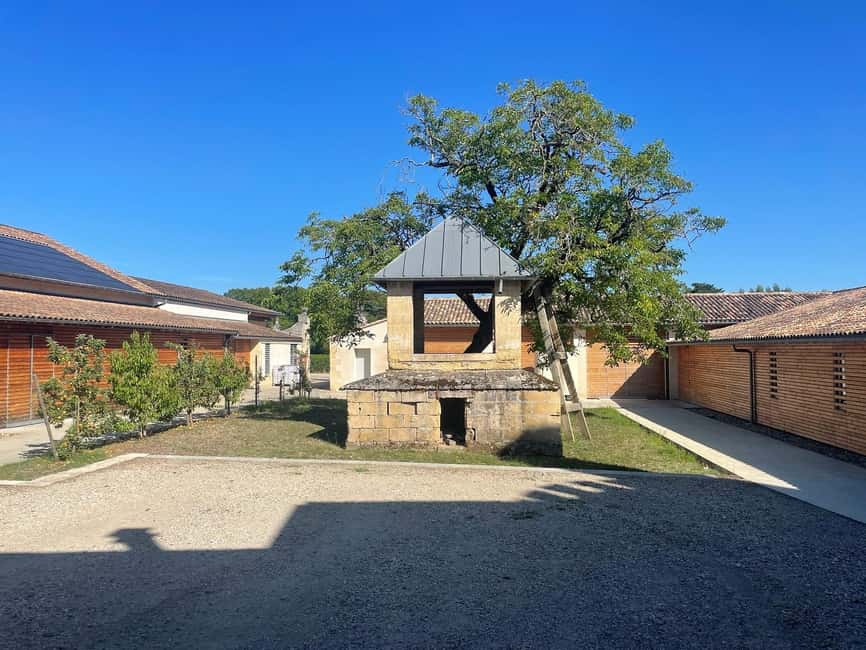
The group is limited to 10 people. That number is large enough to create a little social energy but small enough for questions to remain practical.
I like this size for a family estate. You are less likely to feel like a number in a crowd, and the exchange with the owners can be more direct. If you want to ask about farming, vintage differences, or the family’s methods, a small group gives you a better chance to do so.
The experience is also described as a moment of conviviality. That fits the format. The final tasting, chocolates or cheeses, and family setting should feel relaxed rather than rushed.
Still, the exact tone can vary with the group. A quiet group may lead to a more personal discussion. A group with many questions may use more of the available time on technical subjects. At 90 minutes, the schedule has limits, so you should decide what you most want to learn before you arrive.
The tour is wheelchair accessible, which is important to know when comparing vineyard visits. The available information does not describe the surface conditions of every part of the route, so you may want to confirm practical access details if you have specific mobility needs.
Who will enjoy Château Cruzeau most
I would recommend this experience to you if you want a family-owned Bordeaux visit with a clear educational thread. It suits first-time wine visitors because the route explains the process in plain stages. It also works for people who already know Bordeaux and want to focus on vintage comparison.
You will probably enjoy it most if you like meeting producers and hearing how a property actually operates. The Luquot family connection is not a decorative detail. It shapes the visit, from the five-generation story to the discussion of new technology and environmental work.
The experience is also a good match for visitors who prefer smaller groups. Ten people is far more manageable than a large coach party, especially when the final tasting depends on conversation.
I would be more cautious if your priority is a long, leisurely estate day with an extensive food pairing or a broad flight of wines. The visit lasts 90 minutes, and the tasting is centered on the listed four vintages. It is focused rather than sprawling.
If you are choosing between several Bordeaux activities, think about the kind of memory you want. Château Cruzeau offers a close look at one family estate and the way different years shape its wines. That is a more personal experience than simply ticking off another tasting room.
Booking details worth knowing
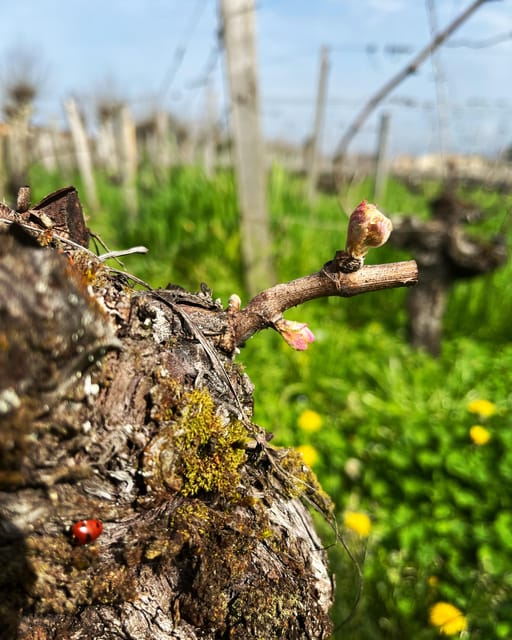
The price is $35 per person. For a 90-minute visit with four wines, chocolates or cheeses, and access to the vineyard, vat room, and barrel cellar, I consider that a fair price, especially for anyone interested in how vintage conditions affect Bordeaux.
The tour is available in French and English. It is a small-group activity with a maximum of 10 participants, so you should check availability for your preferred starting time.
You meet at the reception. The activity allows cancellation up to 24 hours ahead for a full refund, and you can reserve now and pay later. Those terms are useful if your Bordeaux schedule is still shifting.
The estate is wheelchair accessible. Since the experience takes place partly outdoors and across working wine areas, confirm any particular access needs in advance if necessary.
Should you book this wine experience?
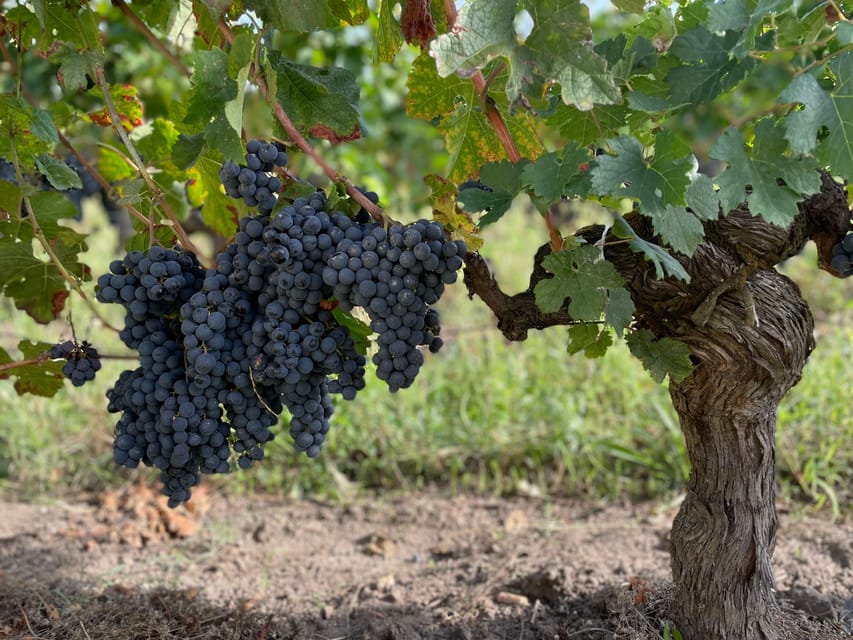
Book Château Cruzeau if you want an intimate, family-run Saint-Émilion visit built around understanding wine rather than collecting tastings. The strongest reasons are the five-generation Luquot connection, the soil and environmental discussion, and the chance to compare four vintages from one estate.
Skip it if you want a longer excursion, a large regional tasting, or a full meal. This is a compact 90-minute experience, but it uses that time well by linking vineyard work, cellar stages, and the final glass.
At $35, it is a sensible choice for curious wine drinkers and first-time Bordeaux visitors. Just confirm whether four wines are included, since the short description and detailed program do not match on that point.
FAQ
Where is Château Cruzeau located?
Château Cruzeau is in Nouvelle-Aquitaine, in the Saint-Émilion Grand Cru appellation near the border of Saint-Émilion and Pomerol, in the Libourne area.
How long does the experience last?
The visit lasts 90 minutes.
How much does the tour cost?
The listed price is $35 per person.
How many wines are included?
The detailed activity information lists a tasting of four wines, specifically vintages from 2014, 2015, 2016, and 2018. A shorter description mentions three wines, so confirm the final lineup when booking.
What type of wine will I taste?
The tasting includes Saint-Émilion Grand Cru wines from Château Cruzeau.
Is food included with the tasting?
Yes. The wine tasting is accompanied by chocolates or cheeses.
What will the tour cover?
You will learn about the Château and the Luquot family, visit the vineyard, discuss agricultural practices and soil life, and see the vat room and barrel cellar before tasting the wines.
Is the tour offered in English?
Yes. The live tour guide can conduct the experience in French or English.
How many people can join the group?
The group is limited to 10 participants.
Is the property wheelchair accessible?
Yes, the activity is listed as wheelchair accessible.
Just added around France
- Private Wine Lovers – Super St Emilion – behind the scenes visits top chateaux and medieval town★ 5.0 · 25 reviews
- Saint Emilion Castle and Village Wine Tour★ 4.5 · 23 reviews
- Château de Fieuzal, Pessac-Léognan: Visit and Tasting★ 5.0 · 18 reviews
- 3H private city tour of Bordeaux and vineyard in a Citroën DS★ 5.0 · 4 reviews
- Bordeaux Médoc Region Private Wine Lovers Tour with Chateau Visits & Tastings★ 5.0 · 40 reviews
- Full-day Saint-Emilion: Village, Undergrounds and Châteaux★ 4.5 · 55 reviews
- Bordeaux to Dordogne – Private Tour: Fortified Castles and Medieval Villages★ 4.5 · 4 reviews
- Chateau du Taillan and Park including Wine Tasting Tour★ 5.0 · 40 reviews
France Castle Tours, compared.
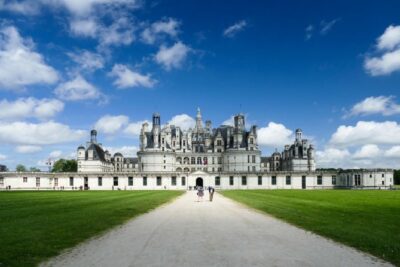
Loire Valley Castles Day Trip from Paris with Complementary Wine
Read our review →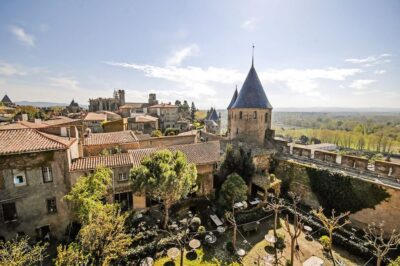
Carcassonne: Castle and Ramparts Entry Ticket
Read our review →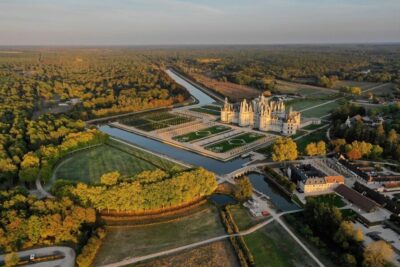
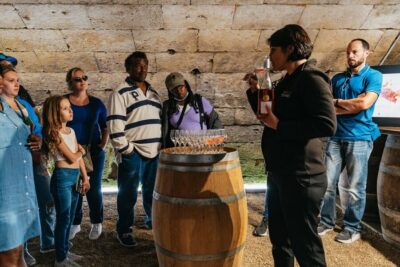
From Paris: Loire Valley Castles Day Trip With Wine Tasting
Read our review →
Medoc or Saint Emilion Wine Tasting and Chateau from Bordeaux
Read our review →
From Paris: Full-Day Loire Valley Chateaux Tour
Read our review →
Loire Valley Castles Trip with Chenonceau and Chambord from Paris
Read our review →Browse the lists this tour appears in