
REVIEW · MUSEUMS
Museum of Decorative Arts – Viana do Castelo
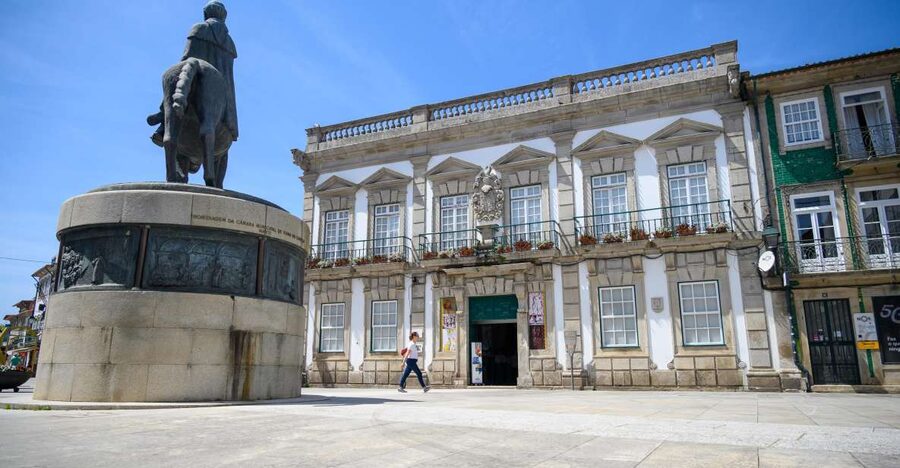
Viana do Castelo’s Museum of Decorative Arts packs a great deal into an old-world setting: Portuguese faience, Baroque tilework, a chapel, and rooms tied to the city’s maritime life. The ticket also includes the Costume Museum, making this a useful stop if you want local culture rather than another quick look at a church interior.
I like the 18th-century tile rooms attributed to Valentim de Almeida, and I like the personal details in the displays about old marriage customs, dowries, and courtship without physical contact. The main drawback is that the host language is Portuguese, so readers who do not understand it will depend more on descriptive audio and visual clues.
Key points to know before you go
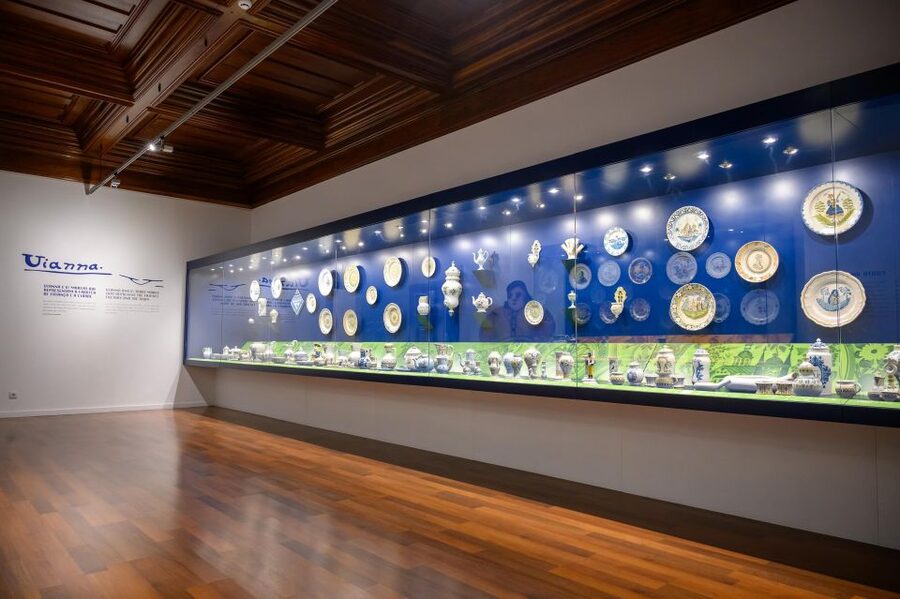
- National Faience collection: See one of Portugal’s major collections of decorated earthenware.
- Three Baroque tile rooms: Look for scenes of the four continents, hunting, and formal gardens.
- Historic chapel: Policarpo de Oliveira Bernardes signed the chapel’s biblical tile panels.
- Local customs on display: Marriage, dowries, and older courtship traditions add a human side to the museum.
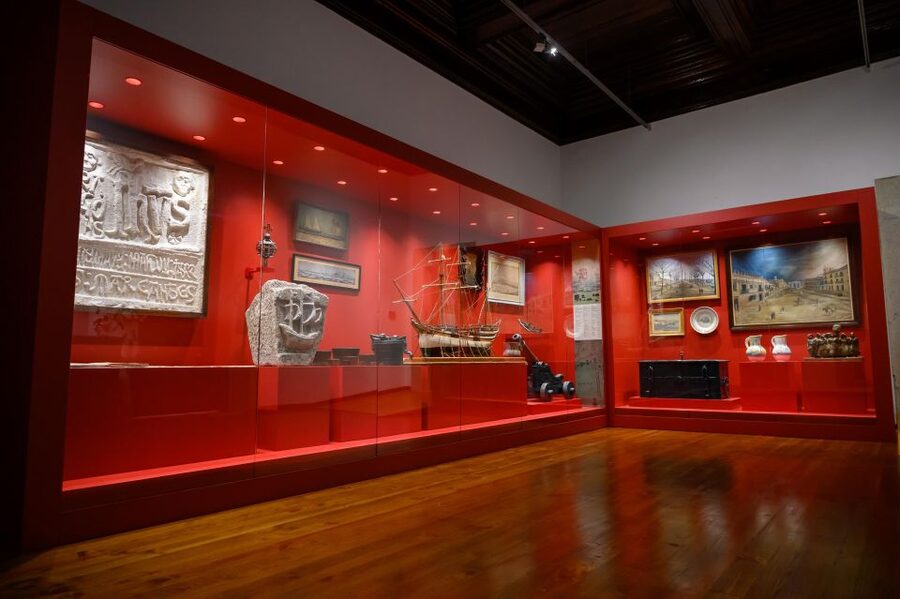
- Maritime Viana: Several rooms connect the city to the sea and its working identity.
- Two museums for one ticket: Your admission also gives access to the Costume Museum.
Why this small museum deserves your time
The Museum of Decorative Arts is not simply a room full of pretty plates. Its best pieces show how design, trade, religion, family life, and local identity met in northern Portugal.
The museum’s address is Largo de S. Domingos, in Viana do Castelo. That location matters because the visit fits naturally into a day spent exploring the city center. You do not need to set aside several days for it. The ticket is valid for one day, and the published price of $2.83 per person makes it an easy addition to a sightseeing plan.
I would allow enough time to look closely rather than rushing through in a few minutes. The exact visit length is not stated, so your pace will depend on how much attention you give the ceramics, tile panels, costume displays, and historical material.
The museum also helps explain why decorative arts matter in Viana. A plate or tile can tell you about fashion, industry, religion, social rank, and outside influence. That makes the displays useful even if you do not collect ceramics or usually visit art museums.
More Museum Visits in Portugal:
- Viana do Castelo Costume Museum
★ 4.7 · 13 reviews - Sines: Tour of the historic center, museum & castle of Sines
★ 4.5 · 8 reviews - Osaka Castle: Museum and Tower Entry Ticket
★ 4.5 · 2,380 reviews
The National Faience collection
The collection of National Faience is the museum’s main attraction. Faience is glazed earthenware, often made for practical use but decorated with enough care to reveal the tastes and ambitions of its owners.
Portugal’s ceramics industry grew during the reforming period of the second half of the 18th century. As production increased, manufacturing centers appeared in several parts of the country. The museum gives you a chance to see the results of that change in one place.
I would pay attention to the difference between objects made for daily use and pieces intended to impress. Decorative ceramics are not only about color and shape. They also show how Portuguese households adopted new styles and how local production became more important.
The collection is particularly valuable for anyone interested in Portuguese design. It offers a focused look at national earthenware instead of presenting ceramics as a minor side display. If you have already visited Portugal’s major churches and palaces, this collection gives you a different way to understand the country.
The museum does not provide a named English-speaking guide in the supplied information. The host or greeter is Portuguese, and the stated language is Portuguese. That is worth considering before booking, especially if you want long explanations about individual pieces.
Still, you can get plenty from the objects themselves. The shapes, painted decoration, and arrangement of the rooms provide a clear visual experience. Descriptive audios are also available, which may help you follow the displays even when Portuguese is not your strongest language.
The Baroque tile rooms facing Largo de S. Domingos
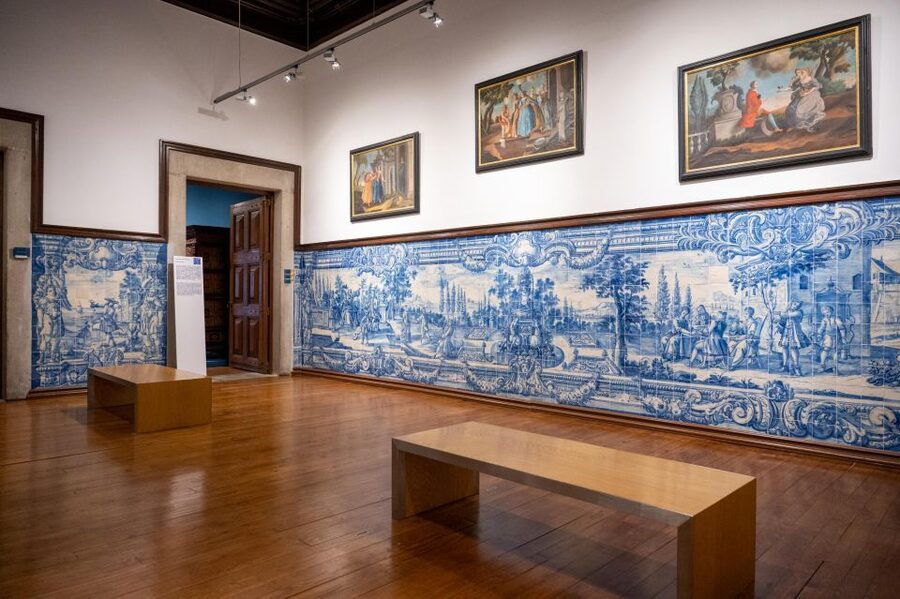
The rooms on the main floor facing Largo de S. Domingos contain some of the museum’s most memorable decoration. Their 18th-century tiles were made in Lisbon and are attributed to Valentim de Almeida.
These are not plain wall coverings. The tile panels use a Baroque style filled with movement, story, and theatrical detail. The subjects include the four continents, hunting scenes, and garden views.
The four continents theme reflects an older European way of organizing world geography. It also shows how art from the period presented ideas about the wider world through allegory rather than modern maps or documentary scenes.
The hunting and garden panels give the rooms another mood. You may find formal outdoor scenes, carefully arranged spaces, and images designed to suggest leisure and refinement. They help show how tilework could turn an interior into a complete visual setting.
Take time to look at the edges and surrounding details, not only the central figures. Baroque decoration rewards slow viewing because smaller details often explain the larger scene. If you rush in search of the next room, you may miss the way the panels work together.
The attribution to Valentim de Almeida adds artistic context, but you do not need specialist training to appreciate the work. The scale, color, and storytelling are easy to grasp. Visitors who enjoy architecture and church interiors will likely find these rooms especially satisfying.
One practical point: flash photography is not allowed. Food and drinks are also prohibited. Keep those rules in mind before entering, since the tile surfaces deserve careful protection and the rooms are designed for looking, not snacking.
The chapel and Policarpo de Oliveira Bernardes
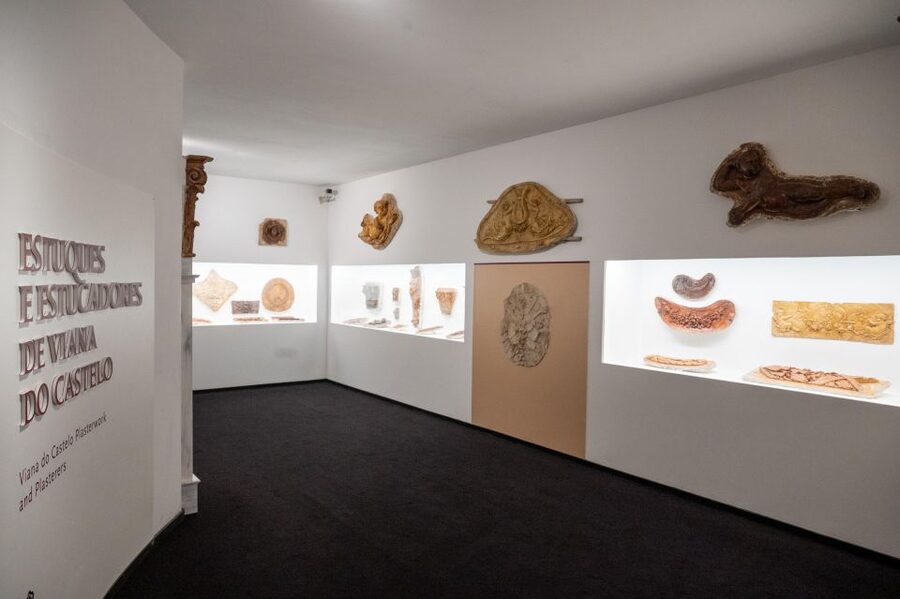
The museum’s interior chapel adds a different note. It is covered with historic tiles on biblical themes, signed by the painter Policarpo de Oliveira Bernardes, who lived from 1695 to 1778.
The chapel is important because it brings the decorative arts together with religious painting and architecture. Here, the tilework is not simply an attractive pattern. It supports biblical scenes and gives the small space a devotional purpose.
Look at how the images relate to the chapel itself. The walls, religious subject matter, and decorative treatment form one setting. This is a good place to remember that Portuguese tilework often carries a story as well as a surface design.
The chapel also gives the museum a change of pace. After examining domestic ceramics and large Baroque panels, you move into a more focused space. It may be the quietest and most visually concentrated part of the visit.
The information supplied does not state whether a guide gives a detailed chapel talk, so do not assume a scheduled explanation in English. Instead, use the descriptive audio if available and inspect the signed work closely.
A few more castle tours around Portugal worth a look
- Sintra: Castle of the Moors Skip-the-Line Ticket
★ 4.6 · 2,893 reviews - Lisbon: São Jorge Castle E-Ticket and Audio Guide
★ 4.3 · 2,182 reviews - Lisbon: Sao Jorge Castle Skip-the-Line Ticket with Guide
★ 4.6 · 1,191 reviews - Templar Tour Convent of Christ & Almourol Castle from Lisbon
★ 5.0 · 704 reviews
Rooms about Viana’s sea connection
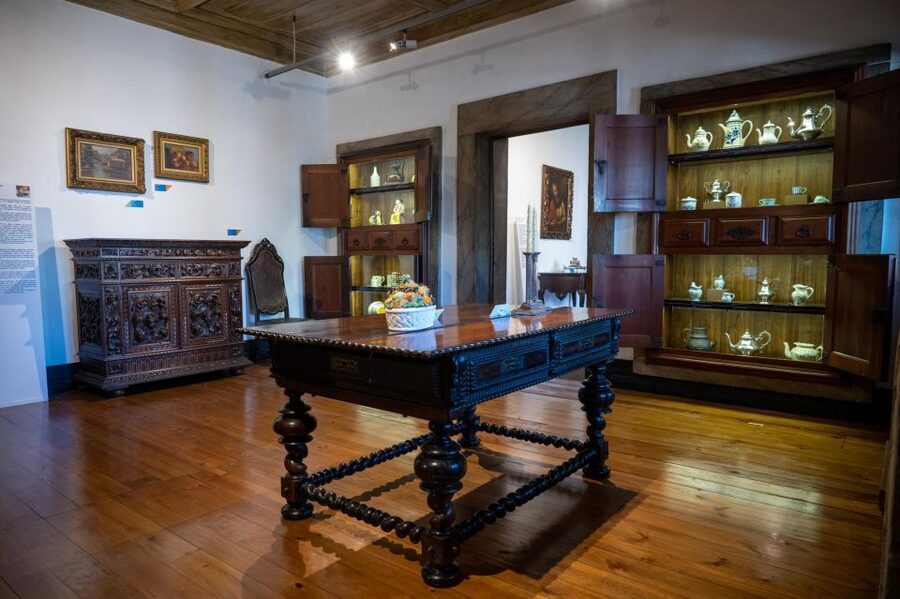
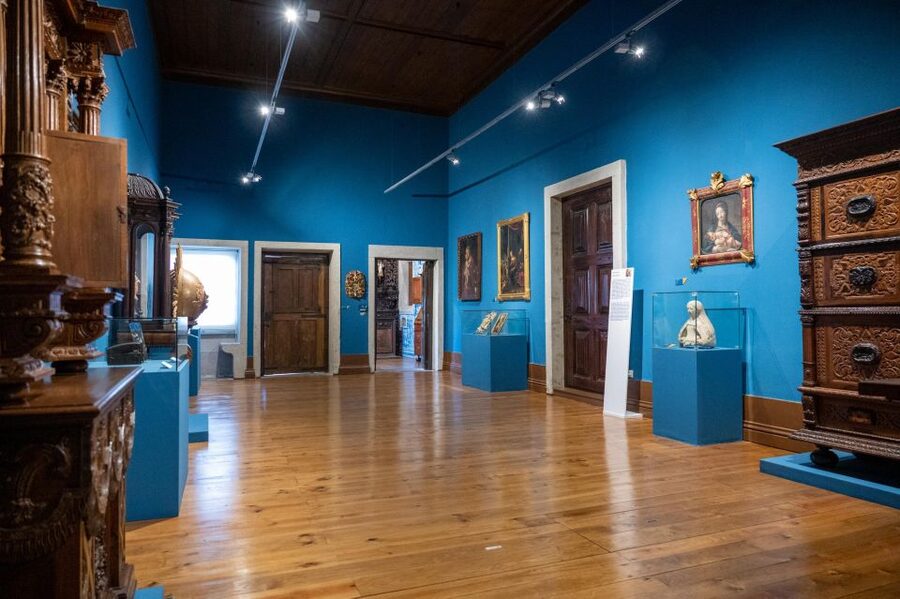
Viana do Castelo has a strong maritime identity, and the museum connects its displays to that side of the city. The rooms tell the story of Viana and its vocation as a place shaped by the sea.
That context keeps the museum from feeling like a collection of unrelated objects. The ceramics and decorative pieces belong to a city with local industries, family traditions, and links beyond Portugal.
You may find this section most useful if you want to understand Viana as more than a pretty northern town. The museum presents local identity through objects and interiors rather than through a long outdoor walking route.
The supplied information does not list every maritime object or display, so I would avoid arriving with a fixed expectation of a ship museum. Think of this part as cultural context within a decorative arts museum.
It is also a useful stop for rainy weather or for a slower part of your day. The museum offers an indoor way to connect the city’s artistic traditions with its maritime character without needing a separate excursion.
Marriage, dowries, and old courtship customs
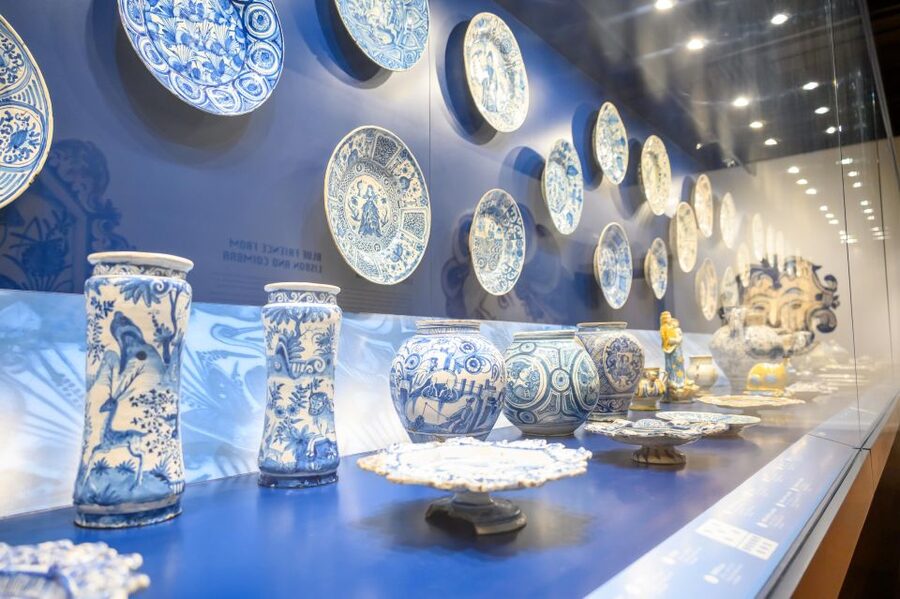
One of the most distinctive displays concerns old marriage traditions, dowries, and the period when couples courted without physical contact. This material gives the museum a personal voice.
Ceramics and clothing can seem distant until they are tied to family life. A dowry display raises practical questions about what a young woman was expected to bring into marriage, how households showed status, and how objects moved from one generation to the next.
The courtship material is equally revealing. The idea of getting to know someone without physical contact feels far removed from modern life, which makes the display an unusually direct way to compare social customs across time.
I would make this section a priority if you enjoy museums that explain ordinary people, not only artists and wealthy patrons. It adds warmth and social detail to the formal tile rooms and fine ceramics.
The information does not specify the exact objects used in this display, so I cannot promise particular garments, household goods, or written accounts. What is clear is that the subject reaches beyond decoration and into family expectations and personal relationships.
The Costume Museum is part of the same ticket
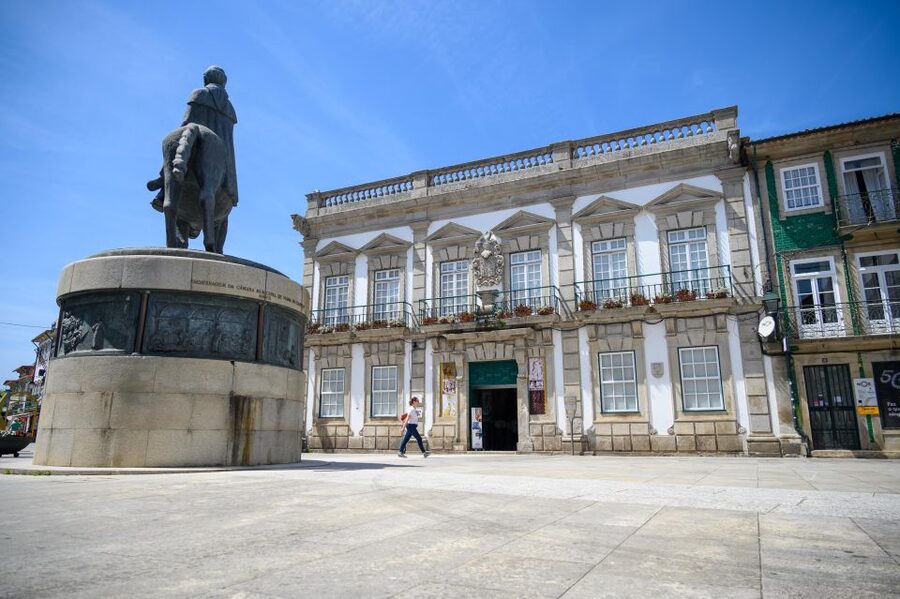
Your ticket also gives you access to the Costume Museum. That makes the admission more useful than a single collection visit, especially if you are interested in clothing, local identity, and social customs.
The connection between the two museums is natural. Decorative arts show how rooms and objects were made attractive, while costumes show how people presented themselves in public and private life.
The costume displays may also help you place the marriage and dowry material in context. Clothing, household items, and social rituals work together to explain how people in the region marked age, status, work, and important occasions.
The supplied details do not give a separate costume museum itinerary or list individual garments. Plan to treat it as an additional museum visit included with admission, not as a fully described guided tour.
Because the ticket is valid for one day, you have flexibility in how you arrange the two museums. Check the available starting times before you go, since the activity information does not provide one fixed daily schedule.
Price, language, and practical comfort
At $2.83 per person, this is a low-cost cultural stop. The value is strongest if you visit both the Decorative Arts Museum and the Costume Museum rather than limiting yourself to one quick room.
The price also makes the museum a sensible choice for a spare hour, a rainy afternoon, or a break between outdoor sights. You are paying very little for access to National Faience, historic tilework, a tiled chapel, and additional costume displays.
The main limitation is language. The host is Portuguese, the listed language is Portuguese, and no named guide is provided. Descriptive audios may help, but the available details do not confirm that they are offered in English or other languages.
The museum is wheelchair accessible. A nursery is also available, which is useful for families with young children. These features make the visit easier for a wider range of people, though the supplied information does not describe the lift, restroom, or room layout in detail.
You can cancel up to 24 hours in advance for a full refund. You can also reserve now and pay later, which helps if your Portugal schedule is still shifting.
Who should book this museum visit
I would recommend it to anyone interested in Portuguese ceramics, tilework, clothing, religious art, or local customs. It is also a good choice if you want more context for Viana do Castelo rather than seeing only its major exterior sights.
Families may appreciate the nursery and the variety of subjects. The museum is not limited to one narrow art form, so different people can focus on faience, Baroque panels, the chapel, costumes, or maritime culture.
It may be less suitable if you need a full English-language guided tour. The Portuguese host and Portuguese-language setting mean you should be comfortable using descriptive audio, visual details, or your own background reading.
Photography is possible only without flash, and food and drinks are not allowed. Those are minor restrictions, but they matter if you are planning a long sightseeing stop and normally carry snacks or use flash indoors.
Should you book the Museum of Decorative Arts?
Yes, if you want a low-cost, focused museum visit with several strong highlights. The National Faience collection, the three Baroque tile rooms, and the Policarpo de Oliveira Bernardes chapel give the visit genuine artistic value, while the displays about marriage, dowries, and courtship make it feel connected to everyday life.
Book it with realistic expectations. This is not presented as an English-guided tour, and the exact visit length and detailed room-by-room schedule are not specified. But at $2.83, with Costume Museum access included, it is an easy choice for a culturally curious day in Viana do Castelo.
FAQ
Where is the Museum of Decorative Arts?
It is located at Largo de S. Domingos, 4900-330 Viana do Castelo, in Portugal’s Norte Region.
How much does admission cost?
The listed price is $2.83 per person.
Does the ticket include another museum?
Yes. The ticket allows access to the Costume Museum as well as the Museum of Decorative Arts.
What is the main collection at the museum?
The museum has a significant collection of National Faience, or decorated Portuguese earthenware.
What type of tilework can I see?
The main-floor rooms facing Largo de S. Domingos contain 18th-century Lisbon tiles attributed to Valentim de Almeida. Their subjects include the four continents, hunting, and garden scenes.
What is special about the chapel?
The interior chapel is covered with historic tiles showing biblical themes. The work is signed by Policarpo de Oliveira Bernardes, who lived from 1695 to 1778.
Is the museum wheelchair accessible?
Yes. Wheelchair access is available, and the museum also has a nursery.
Can I cancel the booking?
Yes. You can cancel up to 24 hours in advance for a full refund. A reserve-now, pay-later option is also available.
Just added around Portugal
- Oporto Airport to Viana do Castelo★ 5.0 · 7 reviews
- 4X4 Privat Tour – Minho Coast – Beaches and Mountain★ 5.0 · 5 reviews
- From Albufeira: Benagil Tour, Bones & Medieval Silves Castle★ 4.5 · 29 reviews
- Albufeira Safari Tour with Waterfall*, Castle and Villages★ 5.0 · 29 reviews
- Tomar Walking Tour : Templar, Castle, Food, Ceramics, Fun!★ 5.0 · 25 reviews
- Tomar: Knight’s Templar Castle and Convent of Christ Tour★ 4.9 · 84 reviews
- Tomar: Convent of Christ and Templar Castle Tour Ticket★ 4.2 · 43 reviews
- Tomar and Almourol Castle: Knights Templar Private Tour★ 4.9 · 8 reviews
Museums, compared.
Chapultepec Castle & Anthropology Museum Tour
Read our review →
Cairo: Egyptian Museum, Citadel, and Old Cairo Guided Tour
Read our review →
Amboise: Clos Lucé Castle, Da Vinci Park and Museum Ticket
Read our review →
Mexico City: Chapultepec Castle and Anthropology Museum Tour
Read our review →
Museum of Egyptian Civilization, Citadel & Old Cairo Tour
Read our review →
The Egyptian Museum, the Citadel, Khan Khalil Bazaar & Old Cairo
Read our review →
Split: Klis Fortress GOT and Olive Museum Entry Tickets
Read our review →Browse the lists this tour appears in