
REVIEW · ALHAMBRA TOURS
Granada: Alhambra, Nasrid Palaces & Gardens guided Tour
The Alhambra is easiest to appreciate when someone helps you read its details. This three-hour tour links the Generalife Gardens, Alcazaba Fortress, and Nasrid Palaces, so you get the full sweep of Granada’s great monument rather than seeing one famous courtyard and calling it done.
I like the clear route through the complex, and I like that the guide explains both Islamic Granada and the post-Reconquista changes. Guides including Cristina Del Arbol Maroto, Monica, Gus, and Javier have been singled out for patient explanations, good pacing, and time for photographs. The main drawback is simple: three hours goes quickly, and the Alhambra is large enough to deserve a second visit.
Key points
- The Nasrid Palaces are the star: See the Mexuar, Court of the Myrtles, Hall of the Ambassadors, Court of the Lions, Hall of the Two Sisters, and Hall of the Abencerrajes.
- The tour covers all three major areas: Generalife Gardens, Alcazaba Fortress, and the palace complex are included.
- Torre de la Vela adds a city view: Climb the fortress tower for a look across Granada and the surrounding countryside.
- The guides shape the experience: Cristina, Monica, Gus, Javier, and Kristina have been praised for clear English, engaging stories, and a relaxed pace.
- Bring your passport or ID: The Alhambra requires each visitor’s full name, nationality, and identification number before entry.
- Plan for walking: Large bags, strollers, wheelchairs, and some mobility needs cannot be accommodated on this group tour.
Why the Alhambra works best with a guide

The Alhambra is not one building. It is a hilltop complex of palaces, military defenses, gardens, courtyards, and later additions. Without context, you can admire the tilework and fountains but miss the political story running through the place.
This tour gives you that context in English. You begin with a short introduction to the monument’s role in Moorish and Spanish history, then move through the major sections with explanations along the way. I like this approach because the Alhambra’s beauty can otherwise distract you from the practical question: what exactly am I looking at, and why was it built here?
The guides also help connect the spaces. The Alcazaba shows the defensive side of the Nasrid kingdom. The palaces reveal court life, ceremony, religion, and royal display. The Generalife offers a quieter retreat away from formal palace rooms. Taken together, these places give you a much clearer sense of how the complex functioned.
The tour costs $53 per person. That is a fair price if you want an English-speaking guide and entry to the main areas without having to build your own route through a large site. It is less compelling for independent visitors who already have their tickets and prefer to linger alone, since a scheduled three-hour visit naturally limits wandering time.
More Castle Gardens and Grounds in Granada
- Granada: Alhambra & Gardens Tour w/Nasrid Palaces Option
★ 4.2 · 7,022 reviews - Granada: Alhambra Guided Tour with Nasrid Palaces & Gardens
★ 4.7 · 2,190 reviews - Granada: Alhambra and Generalife Garden Ticket & Guided Tour
★ 4.0 · 1,862 reviews
Generalife Gardens: a calm opening to the visit
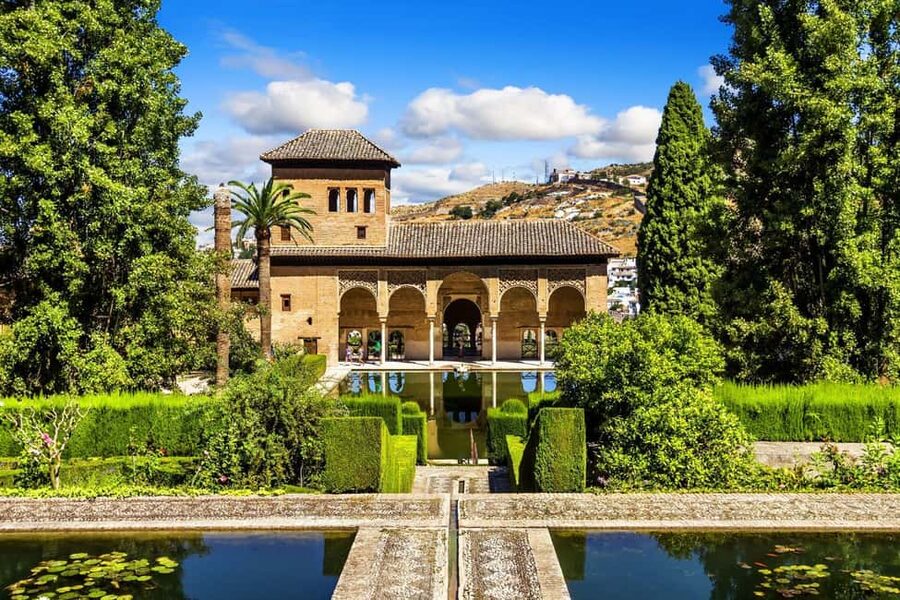
The tour begins in the Generalife Gardens, the summer retreat of the Nasrid rulers. This is a smart starting point. The gardens are less imposing than the palace interiors, and they let you settle into the site before the more detailed architectural stops begin.
You walk among terraces, flowerbeds, fountains, and shaded greenery. The design is not just decorative. Water, shade, geometry, and views work together to create a place suited to rest and escape from the formal business of the court.
The terraces also open toward Granada and the countryside. That wider view helps explain the Alhambra’s position above the city. You are not simply walking through a pretty garden. You are seeing how the rulers connected private pleasure, royal power, and control of the surrounding area.
I would not rush this section. The gardens are often treated as an appetizer for the palaces, but they have their own character. They also provide some of the best chances to pause and take photographs before the itinerary becomes more concentrated.
One practical point: the order of the stops can change. The Nasrid Palaces have strict entry controls, so the guide may adjust the sequence to fit the assigned palace time. That is normal at the Alhambra and not a sign that part of the tour has been left out.
Alcazaba Fortress and the climb to Torre de la Vela
Next comes the Alcazaba, the oldest part of the Alhambra. Its purpose was military rather than ornamental. Thick walls, defensive positions, and the high ground tell a very different story from the delicate stucco and courtyards of the palaces.
The guide explains how the fortress protected the Nasrid kingdom and why its position mattered. I find this contrast useful. After the gardens, the Alcazaba reminds you that the Alhambra was not only a royal residence. It was also a fortified seat of power.
The highlight here is the climb to Torre de la Vela. From the top, you can look over Granada, the Alhambra complex, and the countryside beyond. The view gives the site a practical scale. You see the city below and understand why this hill was such a strong place for a royal fortress.
The climb also matters when deciding if this tour suits you. The experience involves walking through a large historic complex and includes a tower climb. The tour is not suitable for wheelchair users or people with mobility impairments, and it cannot accommodate strollers or baby carriages on group visits.
The Nasrid Palaces: tile, stucco, and royal theater

The Nasrid Palaces are the main event. Entry is included, but the palace visit is tied to the Alhambra’s controlled access system, so keep your passport or ID ready. The full name, identification or passport number, and nationality of every person must be supplied for admission.
Inside, the decoration can feel almost impossible to take in at first. Look closely and you will find patterned tilework, carved stucco, geometric designs, Arabic calligraphy, wooden ceilings, pools, and carefully framed views. The guide’s job is to slow the scene down and explain what these elements were doing.
The Mexuar is one of the first important rooms. It reflects the administrative and judicial side of palace life, rather than a private royal retreat. A good explanation here helps you see the palaces as working political spaces, not just beautiful backdrops.
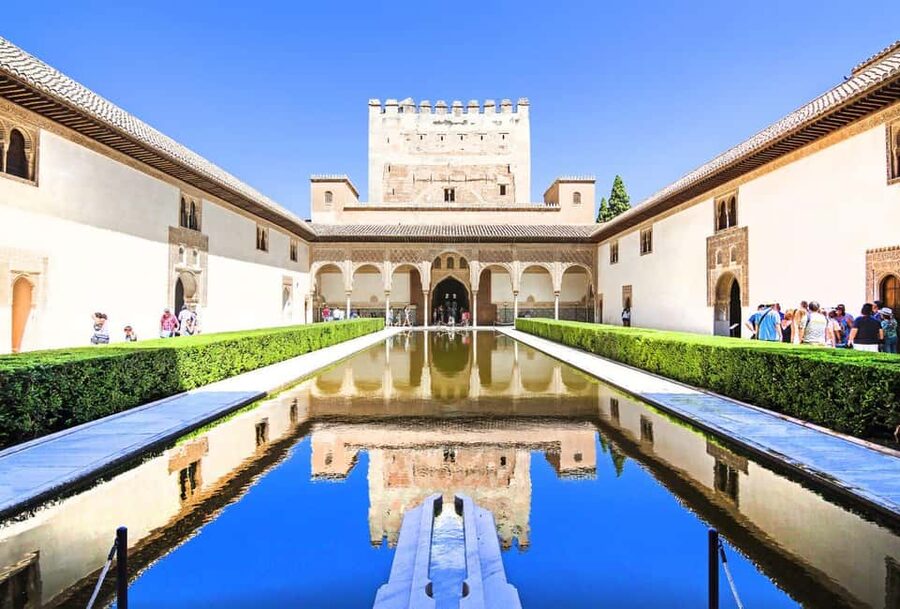
The Court of the Myrtles provides a different mood. Its long reflecting pool, ordered lines, and restrained planting create a sense of calm. Water is central throughout the Alhambra, and this courtyard makes its role easy to understand. It cools, reflects, guides the eye, and adds movement to otherwise still architecture.
The Hall of the Ambassadors is one of the grandest rooms on the route. Its geometric decoration and calligraphy express royal authority, while its size and position suggest formal ceremony. This is a place where the guide’s historical explanation adds real value. You are not just looking at patterns. You are standing in a room designed to impress political visitors.
More Castle Gardens and Grounds in Spain
- Granada: 3-Hour Alhambra and Generalife Gardens Guided Tour
★ 4.7 · 1,304 reviews - Granada Alhambra and Generalife Gardens Experience Tour
★ 4.2 · 639 reviews - Granada: Alhambra and Generalife Gardens Guided Tour
★ 4.5 · 510 reviews - Alhambra Experience – Explore Nasrid Palaces & Generalife Gardens
★ 3.5 · 363 reviews
The Court of the Lions and the palace interiors
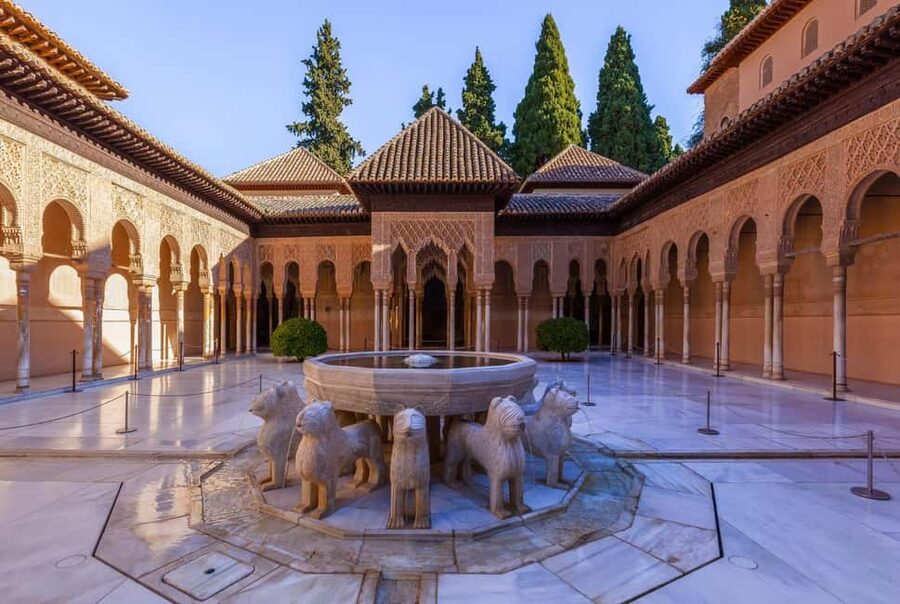
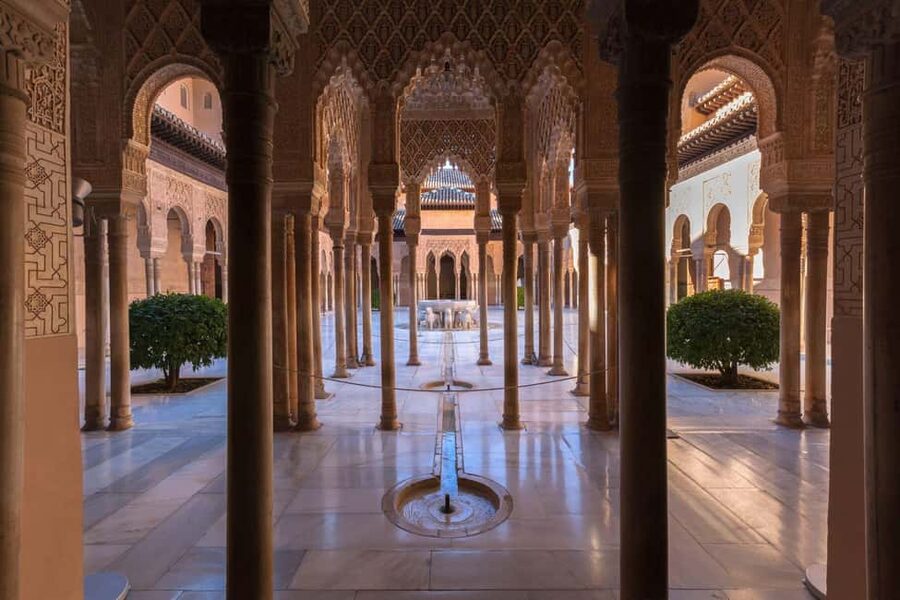
The Court of the Lions is the image many people carry in their minds before visiting the Alhambra. A fountain supported by twelve marble lions sits at the center, surrounded by slender columns and adjoining rooms.
The courtyard rewards patience. It is tempting to take one photograph and move on, but the details are better understood slowly. Notice the relationship between the fountain, the channels of water, the columns, and the surrounding rooms. The design depends on balance and rhythm rather than grand scale.
The Hall of the Two Sisters and the Hall of the Abencerrajes bring the palace visit to a dramatic finish. Their ceilings and plasterwork show how much visual effect could be created through repeating geometric forms and careful light. The guide also adds stories tied to the palace, including legends and political tales associated with these rooms.
Here, a guide can keep the experience from becoming a blur of similar courtyards. The Alhambra has so many decorated spaces that the names and purposes can run together. Guides such as Cristina have been praised for explaining architecture, politics, and the culture of both Islamic and post-Reconquista Granada without overloading the group.
That balance matters. Too little explanation leaves you admiring surfaces. Too much turns the visit into a lecture. The strongest feedback points to a pace that includes information, questions, breaks, and time for photographs.
Palace of Charles V and the layers of Granada
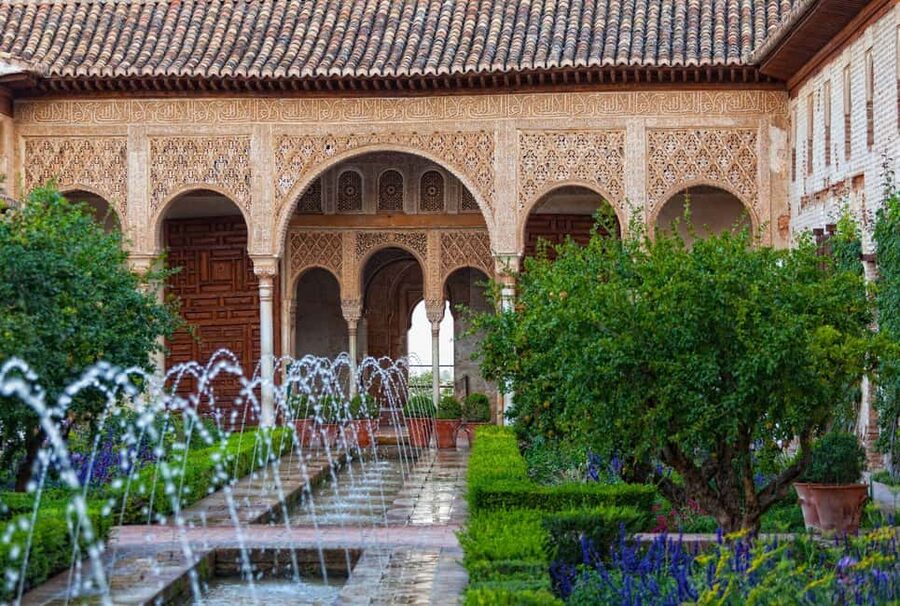
The Palace of Charles V is included as part of the visit. It adds an important later layer to the Alhambra. After the Christian conquest of Granada, the complex was not simply abandoned or erased. New rulers adapted the site and added their own buildings.
The palace’s presence changes how you read the whole monument. The Alhambra is not frozen in a single moment of Moorish rule. It also reflects the changes that followed the Reconquista and the arrival of Charles V.
I appreciate having this included because it gives the tour a wider frame. You see Islamic architecture and later Spanish royal ambition in the same historic setting. The Alhambra becomes a record of changing power, not just a collection of famous rooms.
The available information does not specify the exact time spent inside the Palace of Charles V, so treat it as one part of a tightly planned route rather than a separate extended visit. The Nasrid Palaces remain the section that controls the rhythm of the day.
The guides and the pace of the three-hour route
The guide can make or break a short Alhambra visit. Three hours is enough for a strong introduction, but not enough to stop everywhere for as long as you might like.
Cristina Del Arbol Maroto has been praised for explaining architecture, politics, city history, and Spanish culture in clear English. She is also associated with a pace that allows breaks and photographs. Monica has been praised for making the visit pleasant while bringing out the history behind the buildings. Gus has led smaller visits with friendly storytelling and strong English.
Other guides mentioned by name include Javier, who is described as funny, helpful, and attentive to the group, and Kristina, who explained the site patiently. The exact guide is not guaranteed, but these details show the type of experience to expect: a live English tour with room for questions rather than a rushed march from doorway to doorway.
Group size can vary. One visit had about ten people, while another became a private tour when only one person booked that day. You should not assume a private visit, but the possibility is worth noting. A smaller group makes it easier to hear the guide and ask questions.
I would choose this tour if you want a clear first visit and do not want to study the Alhambra beforehand. I would choose a self-guided ticket if you already know the site well, need a flexible pace, or want to spend a long time photographing individual details.
Meeting point, transport, and practical planning
Meet at the main Alhambra entrance near the ticket office. Look for the official white sign with a blue hexagon marked Meeting point or Punto de encuentro, located on a small gravel area with trees. The guide carries a blue City Wonders flag.
The C30 and C32 buses serve the Alhambra. Get off at Alhambra, Generalife 2, then walk about two or three minutes toward the entrance and ticket office. The listed GPS coordinates are 37°10’27.0″N 3°35’01.9″W.
Arrive with your passport or ID card. The monument requires identification details for every person, and entry can be rejected if the required information is missing. Do not bring luggage or large bags, since they are not allowed.
Hotel pickup and drop-off are not included. Food and drinks are also not included, so handle those before or after the visit rather than expecting a meal break during the tour.
Cancellation is available up to 24 hours in advance for a 50 percent refund. Check the available start times when booking, since the tour lasts three hours and the palace entry time affects the schedule.
Is this $53 Alhambra tour worth booking?

I would book this tour if it is your first visit to the Alhambra and you want the Generalife, Alcazaba, Nasrid Palaces, and Palace of Charles V explained in one organized route. The price is reasonable for the entry tickets and live English guide, especially if you value historical context and do not want to manage the palace system alone.
I would skip it if you need step-free access, want to bring a stroller, or prefer a slow solo visit. Three hours gives you a strong overview, but it does not leave unlimited time for quiet reflection or repeated photographs.
For most first-time visitors, the best reason to book is the guide. The buildings are extraordinary on their own, but a good explanation helps you notice the water system, the political rooms, the defensive hilltop, the later Christian additions, and the stories behind the decorated halls. If Cristina, Monica, Gus, Javier, or another guide with the same calm approach leads your visit, you should come away with both memorable views and a much clearer sense of what makes the Alhambra special.
FAQ
How long does the Alhambra guided tour last?
The tour lasts three hours.
What language is the tour conducted in?
The live tour guide speaks English.
Which parts of the Alhambra are included?
The tour includes the Generalife Gardens, Alcazaba Fortress, Nasrid Palaces, Palace of Charles V, and entry to the wider Alhambra complex.
Is entry to the Nasrid Palaces included?
Yes. The Nasrid Palaces entry ticket is included.
Where do I meet the guide?
Meet at the main Alhambra entrance near the ticket office, beside the official Meeting point or Punto de encuentro sign. The guide carries a blue City Wonders flag.
How can I reach the meeting point by bus?
Take bus C30 or C32 and get off at Alhambra, Generalife 2. The entrance and ticket office are about a two or three minute walk away.
Do I need to bring identification?
Yes. Bring your passport or ID card. The Alhambra requires the full name, identification or passport number, and nationality of each person before entry.
Can I bring luggage, a stroller, or a large bag?
No. Luggage and large bags are not allowed. Strollers and baby carriages cannot be accommodated on the group tour.
Is the tour suitable for wheelchair users or people with mobility impairments?
No. The tour is not suitable for wheelchair users or people with mobility impairments requiring special assistance.
More Guided Castle Tours in Spain
- Granada: Alhambra Complex Guided Tour Options
★ 4.6 · 2,899 reviews - Alhambra &Charles Palace Guided Tour with Optional Nasrid Palaces
★ 4.5 · 2,149 reviews - Alhambra Guided Tour with Fast-Track Entry
★ 4.7 · 1,119 reviews - Granada: Full Alhambra Premium Guided Tour with Tickets
★ 4.8 · 1,084 reviews
More Guided Castle Tours in Granada
- Granada: Alhambra & Generalife Fast-Track Guided Tour
★ 4.7 · 8,313 reviews - Fast-Track Alhambra & Nasrid Palaces Guided Tour
★ 4.6 · 5,014 reviews - Skip The Line Alhambra and Generalife Guided Tour
★ 4.0 · 3,825 reviews - Granada: Alhambra Ticket and Guided Tour with Nasrid Palaces
★ 4.7 · 3,496 reviews
Just added around Granada
- Private tour in all complete complex of Alhambra with ticket★ 4.4 · 17 reviews
- Granada: Alhambra and Nasrid Palaces Private Tour★ 4.9 · 242 reviews
- Granada: Gardens of the Alhambra and Generalife Regular Tour★ 4.4 · 136 reviews
- Granada: Alhambra Palace Guided Tour★ 4.3 · 224 reviews
- Granada: Sunset Legends of the Alhambra Guided Tour★ 4.8 · 35 reviews
- Granada: Private Full Alhambra Tour with Nasrid Palaces★ 5.0 · 148 reviews
- Granada: The Alhambra and Nasrid Palaces Guided Night Tour★ 3.9 · 17 reviews
- Granada: Alhambra, Cathedral & Royal Chapel Tour w/ Tickets★ 4.8 · 7 reviews
Alhambra Tours, compared.

Granada: Alhambra & Nasrid Palaces Tour with Tickets
Read our review →
Granada: Alhambra and Nasrid Palaces Entry Ticket
Read our review →
Granada: Alhambra & Generalife Fast-Track Guided Tour
Read our review →
Granada: Alhambra & Gardens Tour w/Nasrid Palaces Option
Read our review →
Granada: Alhambra Entry Ticket with Audio Guide
Read our review →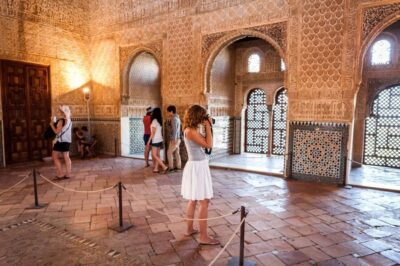
Fast-Track Alhambra & Nasrid Palaces Guided Tour
Read our review →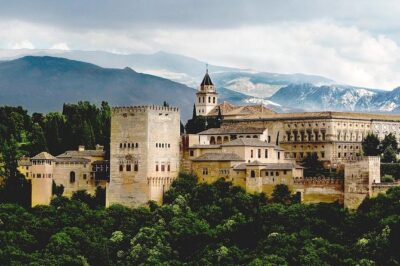
Skip The Line Alhambra and Generalife Guided Tour
Read our review →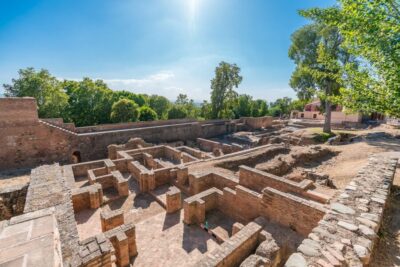
Granada: Alhambra Ticket and Guided Tour with Nasrid Palaces
Read our review →Browse the lists this tour appears in