
REVIEW · MARKETS
From Durres & Golem: Kruja Castle, Old Bazaar
Krujë gives you Albania in a compact, memorable package: a hilltop castle, the story of national hero Skanderbeg, an Ottoman-era home, and a sloping bazaar full of handmade goods. I especially like the way this tour combines serious national history with time to browse local crafts, rather than keeping you inside museums all day.
I also like the practical pickup from your hotel or a nearby van-accessible point, plus the air-conditioned ride from Durres or Golem. Guides such as Helena, Aurel, and Dion have been praised for clear explanations and a good sense of humor. The main drawback is the long drive relative to the time in Krujë, and the slippery cobblestones call for proper shoes.
Key points at a glance
- Skanderbeg’s castle: See the fortress linked to Albania’s 15th-century resistance against the Ottoman Empire.
- Three distinct cultural stops: Visit Skanderbeg’s Museum, the Ethnographic Museum, and the Onufri Museum inside the castle complex.
- Old Bazaar shopping: Look for local handicrafts, souvenirs, and work by regional artists.
- About one hour each way: The road trip makes this a six-hour outing, not a quick side visit.
- Good value at $27: Transport, an English-speaking guide, and guided castle and Skanderbeg Museum visits are included, but food and the Ethnographic Museum ticket cost extra.
- Bring sensible gear: Wear shoes with grip, carry water, and pack a sun hat and passport or ID card.
Why Krujë makes a strong day trip from the coast
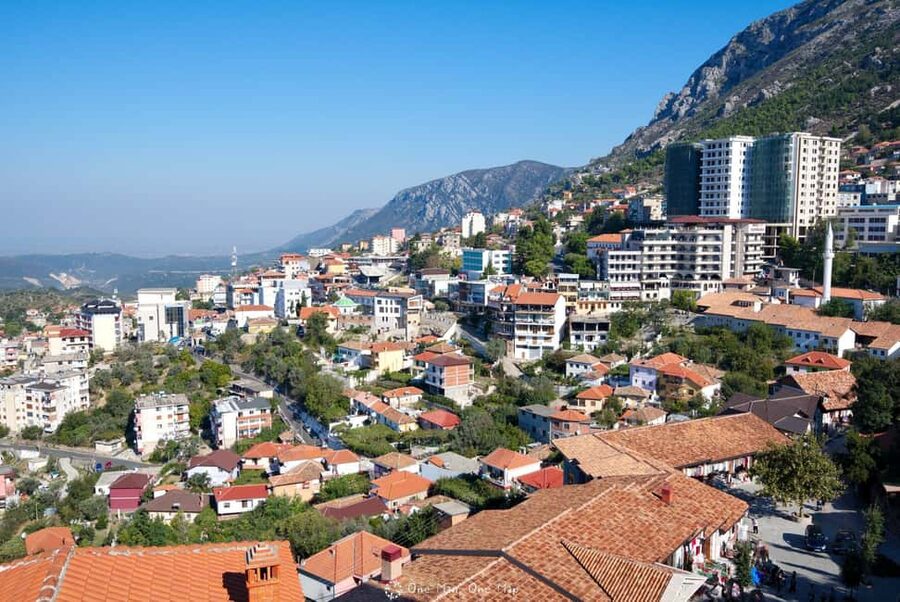
Durres and Golem are useful bases for Albania’s Adriatic coast, but their beach setting can leave you with only a partial picture of the country. Krujë shifts the focus from seaside resorts to mountain history and traditional craft.
The drive takes roughly one hour, depending on your pickup point and road conditions. That is a fair amount of transport for a six-hour tour, but it gives you access to one of Albania’s most important historic towns without arranging a car, navigating the roads, or working out museum visits yourself.
I like this outing most when you want a clear introduction to Albania rather than a slow, highly specialized museum day. The route brings together a national hero, a fortress, domestic life in the Ottoman period, religious art, and present-day shopping. You get several angles on the same town.
The tour is conducted in English, and pickup is included from your hotel or from a nearby place where the car or van can enter. Leave a working WhatsApp number when booking, since the operator uses it to confirm details and contact you before pickup.
A few more castle tours around Albania worth a look
- From Tirana: Kruja Castle, Old Bazaar & Sari Salltik View
★ 4.8 · 2,171 reviews - From Durres/Golem: Kruja Castle & Old Bazaar Day Tour
★ 4.9 · 1,317 reviews - Durres/Golem: Kruja Castle & Bazaar with Traditional Lunch
★ 5.0 · 632 reviews
Entering the castle linked to Skanderbeg
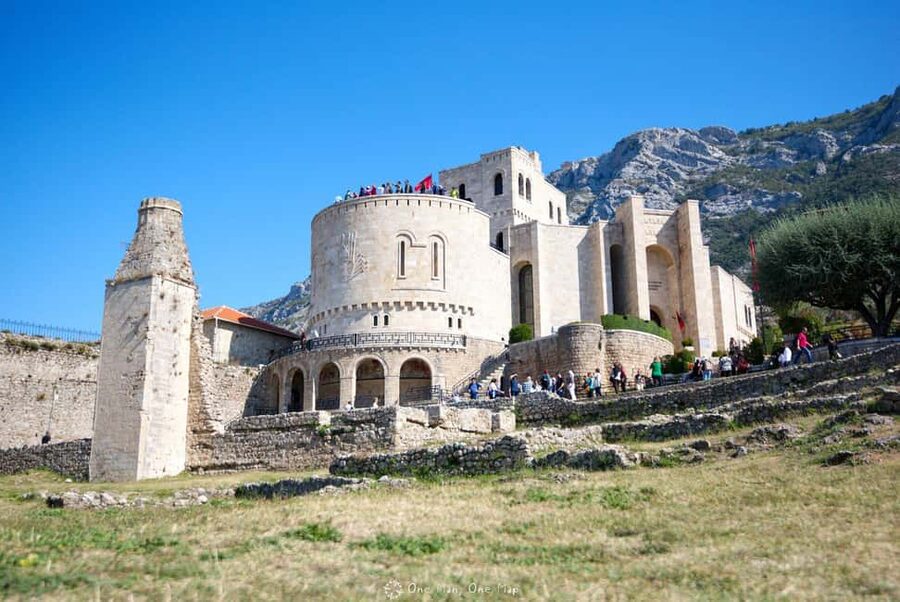
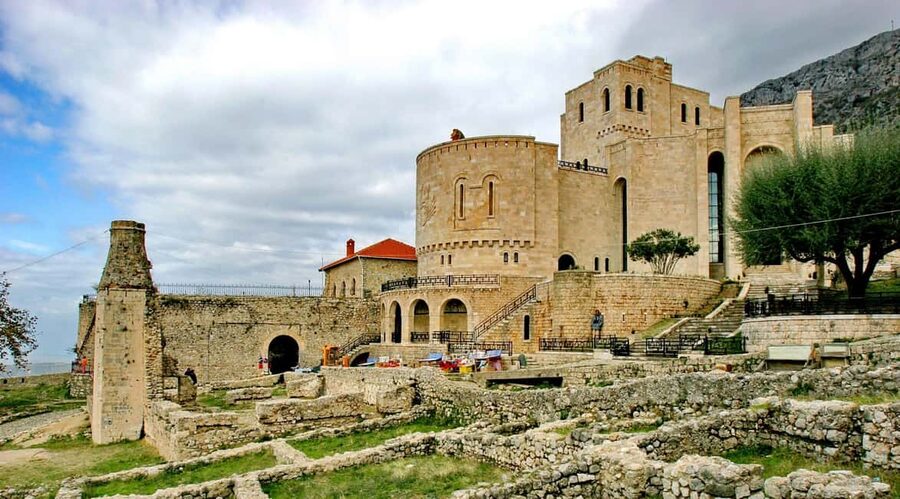
Krujë Castle is the central stop. In the 15th century, it was the center of the Albanian resistance led by Skanderbeg, the national hero whose name appears throughout the town and the country.
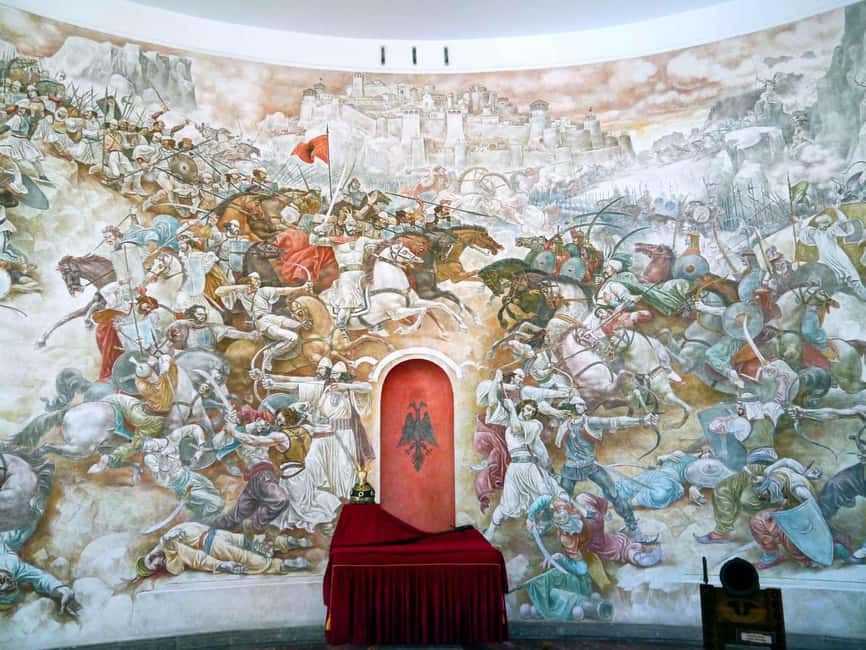
The castle visit works best if you pay attention to the guide’s explanation rather than treating it as a quick photo stop. You will hear about Skanderbeg’s campaigns, the families who supported him, and the pressure created by Ottoman expansion. The museum displays a copy of his helmet and sword in the main hall, along with flags and symbols connected to prominent families of the period.
These objects are copies, which is worth knowing before you arrive. Their value is not that you are seeing Skanderbeg’s original weapons. It is that they help make the story easier to follow while your guide connects the displays to Albania’s national identity.
Guides named in tour feedback include Helena, Aurel, and Dion. The strongest guide style here is explanatory but relaxed, with room for questions. Aurel was praised for sharing his country’s history with humor, while Dion was singled out for answering questions and helping with practical details. Your assigned guide may be different, but the tour is built around live guiding rather than an audio device.
The castle area is not a flat modern museum. You should expect some walking and uneven surfaces. The town’s stone paving can become slippery, particularly if your footwear has a smooth sole. I would not choose flimsy sandals for this outing.
Skanderbeg’s Museum and the story behind the symbols
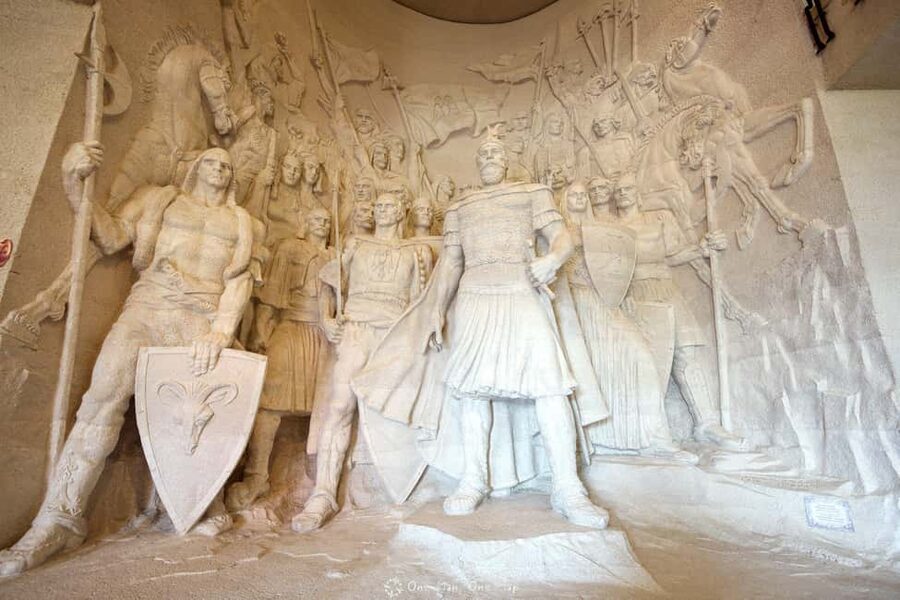
The Skanderbeg Museum is housed within the castle complex and is one of the main reasons to visit Krujë. It presents the national story through military symbols, family emblems, and displays linked to the 15th-century resistance.
A guide adds real value here. Without context, a helmet, sword, flag, or family emblem can blur into a row of objects. With an explanation, you can see how the museum frames Skanderbeg as the central figure in a period when local families joined forces against a major regional power.
The museum also gives you a useful entry point into modern Albania. Skanderbeg is not simply a medieval commander in a display case. His image is part of the country’s public identity, and the castle helps explain why. You do not need to arrive with a detailed knowledge of Albanian history. The guided visit is designed to supply the essential background.
Allow yourself time to look closely at the flags and carved details. The main hall is likely to attract attention first, but the story gains shape through the smaller symbols connected to the families who backed Skanderbeg.
Ottoman-era life at the Ethnographic Museum
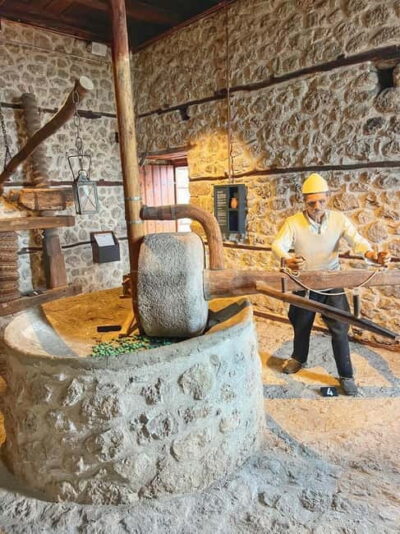
The Ethnographic Museum occupies an old Ottoman-era residence and has recently been renovated. Its purpose is different from the Skanderbeg Museum. Instead of focusing on battles and national resistance, it shows how people in the region lived during that historical period.
That change of scale is useful. You move from the public story of kings, armies, and flags to household life, work, and local customs. I like this part because it gives the castle visit a human setting. You are not only hearing about political events. You are also seeing the kind of home and daily world that shaped the region.
The Ethnographic Museum ticket costs 6 EUR and is not included in the tour price. Keep some money available if you want to enter. This extra cost is modest, but it matters when you are comparing the $27 headline price with the full cost of the outing.
Museum opening arrangements can change, so listen to the guide’s timing and instructions. The tour description says the renovated museum is open for visits, but a guided day can still require a sensible schedule to keep the group moving.
Same region, a different set of walls:
- Saranda: Lekursi Castle, Blue Eye, Gjirokaster, & More Tour
★ 4.9 · 884 reviews - Berat city UNESCO tour, the Castle & Belshi lake- From Tirana
★ 5.0 · 804 reviews - Sarande: Blue Eye Spring and Lekursi Castle Sunset Tour
★ 4.8 · 798 reviews - Daily Trip To:Blue Eye,Monastery,Gjirokaster&Lekursi Castle
★ 4.9 · 665 reviews
The Onufri Museum and its carved iconostasis
The castle complex also includes the Onufri Museum, highlighted for its beautifully carved iconostasis. This stop adds a religious art element to the day and gives you a break from the military focus of Skanderbeg’s story.
The iconostasis is the key detail to watch for. An iconostasis is a decorated screen separating the sanctuary from the main part of an Orthodox church. Here, the carved woodwork matters as much as the religious images, so take time to look at the workmanship rather than rushing through the room.
The supplied tour details do not spell out a separate entrance fee for the Onufri Museum, so ask your guide how access is handled on the day. The Ethnographic Museum is the clearly stated extra ticket at 6 EUR.
One caution deserves clear mention. The information for this tour warns about possible traditional religious rituals involving animal sacrifice at the Sari Salltik cave. That cave is not part of the main sequence described here, which centers on the castle, museums, and bazaar. Still, if the route or circumstances bring up Sari Salltik, tell your guide in advance if this would trouble you.
Shopping the Old Bazaar
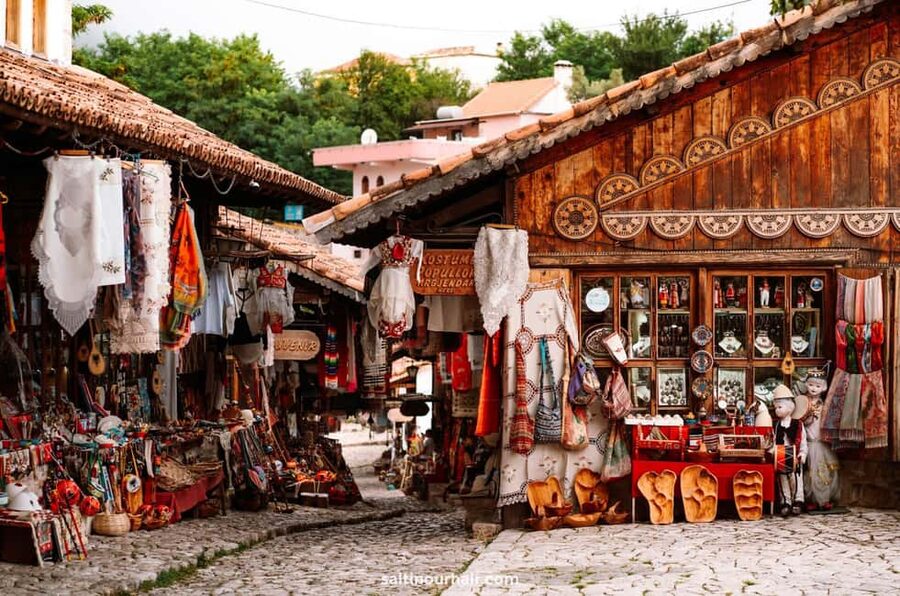
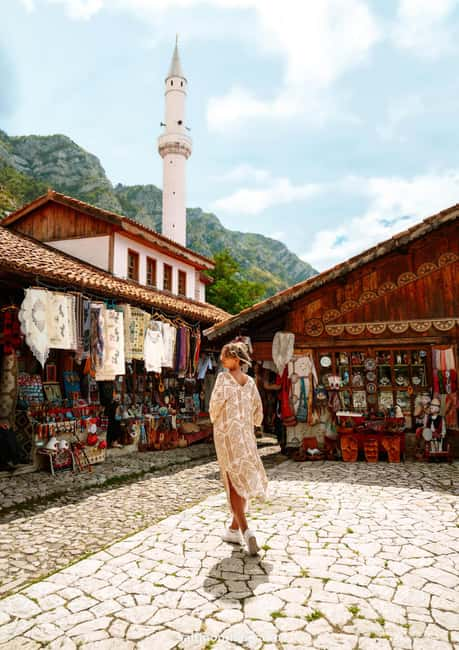
After the museums, the Old Bazaar changes the pace. Its narrow, sloping route is lined with shops and stalls selling souvenirs, local handicrafts, and work by regional artists.
This is not just spare time added to fill the schedule. The bazaar shows how Krujë’s craft traditions continue in the present. Look for carved items, textiles, decorative pieces, and other handmade goods, but take your time before buying. A quick comparison between several shops can help you judge quality and price.
The bazaar is also where the town feels most social and immediate. You can browse, speak with sellers, and pick up something that has a stronger connection to Albania than a generic airport souvenir. If shopping is not your main interest, you can still use the time to see the old street pattern and enjoy the setting around the castle.
The paving deserves another warning here. One traveler specifically called the cobblestones slippery, and that is practical advice worth taking seriously. Supportive shoes with a good sole will make the bazaar more enjoyable. A sun hat and water also help, particularly on a hot day.
One tour account also praised the Domlla temple area, suggesting that the route can include attractive religious and historic details beyond the main museum rooms. Ask your guide what is open and included on your date, since the exact time available at each stop can vary.
What the $27 price really covers
At $27 per person, this is a strong value if you are staying in Durres or Golem and want transport plus a guided introduction to Krujë. The price includes pickup and drop-off under the selected option, air-conditioned transport by car or van, an English-speaking guide, and guided visits inside the castle and Skanderbeg Museum.
The price does not cover food, drinks, personal expenses, or the 6 EUR Ethnographic Museum ticket. You should treat the listed price as the basic tour cost, then add the museum ticket and any bazaar purchases.
The value is strongest for people who do not want to rent a car or manage the trip alone. You are paying for the road transfer, local orientation, and historical explanation. If you already have a car and prefer to spend several hours in one museum, an independent visit may give you more control. If you want a simple half-day from the coast, the tour keeps the planning light.
There is also free cancellation up to 24 hours before departure and a reserve-now, pay-later option. Those terms help if your coastal plans depend on weather, though you should still check the available starting time before booking.
Timing, comfort, and fitness
The full activity lasts about six hours. Roughly one hour is spent driving to Krujë, followed by the castle and museum visits, bazaar time, and the return trip to Durres or Golem.
The air-conditioned car or van is important in summer. The road time would feel much harder in an uncooled vehicle, especially after walking on stone streets. One account praised the vehicle’s air conditioning and comfort, and also described the driver, Nardi, as highly capable. Drivers can vary, but the transport is intended to be comfortable rather than a bare-bones shuttle.
You need a basic level of fitness. The tour includes walking through a historic castle and an old bazaar, with uneven or slippery cobblestones. It is not presented as a strenuous hike, but it is not a sit-down sightseeing trip either.
The minimum recommended age is eight. People with heart conditions, respiratory issues, or other serious medical conditions should consult a doctor before booking. The tour is weather-dependent and can be rescheduled or canceled with a full refund during adverse conditions.
Who should book this Krujë tour
I would choose this tour if you are based in Durres or Golem and want one day that explains more than the beach. It suits first-time visitors who want a broad introduction to Albanian history, families with older children, and anyone who likes a balance of museums and browsing.
It is also a good match for shoppers who prefer handmade local goods to mass-produced souvenirs. The Old Bazaar gives you time to look around, while the guide supplies the background that makes the castle and museums easier to understand.
I would hesitate if you dislike uneven streets, need a fully accessible route, or want a long, unhurried museum visit. The drive takes a significant part of the six-hour schedule, and the tour has several different stops to fit in.
Tipping the guide and driver is not required, but it is appreciated when the service has been especially helpful. Keep your passport or ID card, water, sun hat, and phone with WhatsApp available. Smoking and alcoholic drinks are not allowed in the vehicle.
Should you book it?
Book this Krujë tour if you want a practical, low-cost way to connect Albania’s coastal resorts with its national story. The combination of Skanderbeg’s Museum, the castle, the Ethnographic Museum, Onufri’s carved iconostasis, and the Old Bazaar gives you a fuller visit than a castle stop alone.
The best reason to go is the balance: history first, then local life and shopping. The main compromise is the one-hour drive each way and the extra 6 EUR museum charge. Wear good shoes, bring water, and confirm your pickup by WhatsApp. For a six-hour outing at $27, it is a sensible choice for curious visitors who want Krujë explained rather than simply photographed.
FAQ
How long does the tour from Durres or Golem last?
The tour lasts about six hours, including transport to Krujë, time in the town, and the return journey.
How long is the drive to Krujë?
The drive takes around one hour from the Durres or Golem area, followed by about one hour returning.
Is hotel pickup included?
Pickup and drop-off are included, depending on the option selected. The vehicle can also meet you at a nearby place where the car or van can enter.
What language is the tour conducted in?
The live tour guide speaks English.
Is the Ethnographic Museum ticket included?
No. The Ethnographic Museum ticket costs 6 EUR and must be paid separately.
Are food and drinks included?
No. Food and drinks are not included, and personal expenses are also separate.
What should I bring?
Bring a passport or ID card, a sun hat, and water. Good shoes are strongly advised because the cobblestones can be slippery.
Is the tour suitable for children?
The tour is recommended for participants aged eight and above.
Can the tour be canceled because of bad weather?
Yes. The tour is weather-dependent and may be rescheduled or canceled with a full refund in adverse weather. You can also cancel up to 24 hours in advance for a full refund.
Just added around Albania
- Durres/Golem: Zipline Albania and Petrela Castle★ 4.9 · 26 reviews
- Tirana: Petrelë Castle Quad Bike Adventure★ 4.4 · 19 reviews
- Tirana Adventure: Petrela Castle, Black Cave Hike & Zipline★ 4.9 · 10 reviews
- Tirana: Shkodra City, Rozafa Castle & Mesi Bridge Tour★ 5.0 · 8 reviews
- Shkodra from Tirana: Day Tour of castle, city & Skadar Lake★ 4.8 · 32 reviews
- Sarandë: Tour Gjirokaster,Blue Eye & Lekursi Castle★ 4.7 · 220 reviews
- Saranda: Butrint, Blue Eye, Ksamil and Lekuresi Castle Tour★ 4.5 · 141 reviews
- Sarande, Blue Eye & Sunset tour at Lekuresi castel★ 4.7 · 36 reviews
Markets, compared.
From Tirana: Kruja Castle, Old Bazaar & Sari Salltik View
Read our review →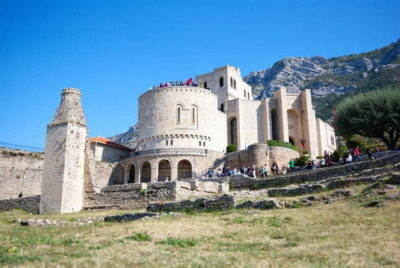
From Durres/Golem: Kruja Castle & Old Bazaar Day Tour
Read our review →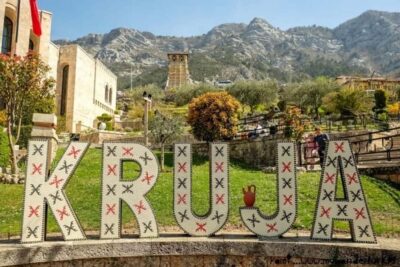
Durres/Golem: Kruja Castle & Bazaar with Traditional Lunch
Read our review →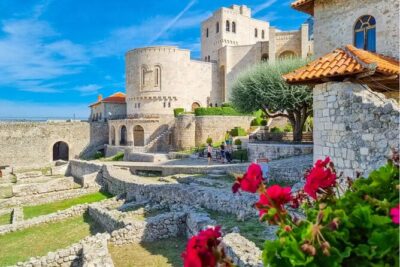
Kruja castle, the old Bazaar & Sarisalltik- Departure from Tirana
Read our review →
The Egyptian Museum, the Citadel, Khan Khalil Bazaar & Old Cairo
Read our review →
Pisac Indian Market and Ollantaytambo Fortress with Lunch
Read our review →
Private Heritage Walking Tour in Jaisalmer Fort and Old Bazaar
Read our review →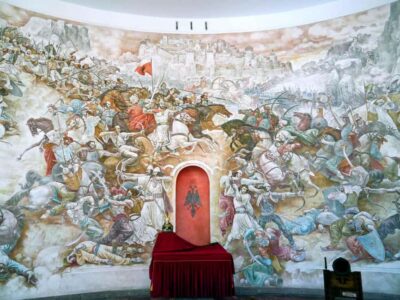
From Durres/Golem: Kruja Castle, Old Bazaar & Sari Salltik
Read our review →Browse the lists this tour appears in