
REVIEW · FORTRESS & CITADEL TOURS
Cluj-Napoca: Turda Salt Mine & Alba Carolina Fortress Tour
Turda Salt Mine is the surprise star here. Far underground, long salt galleries open into a vast chamber 90 meters high, with a lake and boat ride below. Above ground, Alba Carolina Fortress gives you grand gates, military walls, and centuries of Romanian, Roman, Hungarian, and German history in one compact visit.
I like the private format, which lets you ask questions and set a comfortable rhythm. I also like the contrast between the open-air fortress and Turda’s cool, enclosed mine. The drawback is the length: ten hours is a full day, and the mine is not suitable for wheelchair users or people with mobility impairments.
Key points at a glance
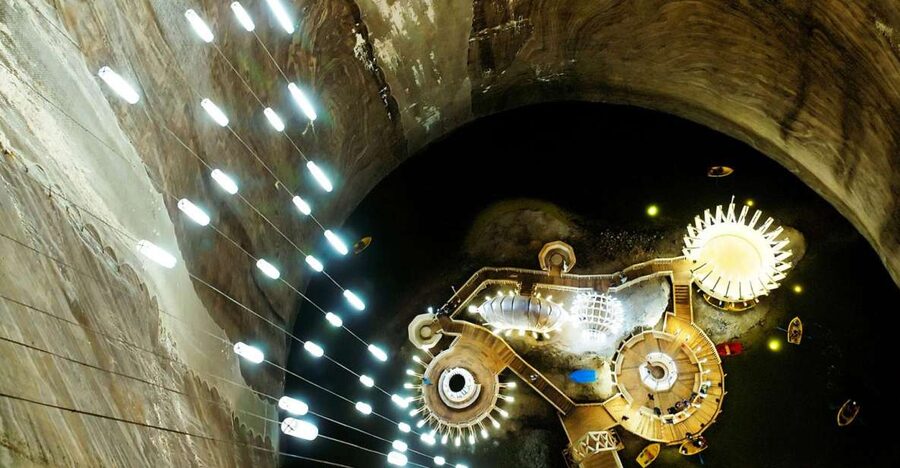
- A 90-meter salt chamber gives Turda Salt Mine its unforgettable scale.
- Alba Carolina has six Baroque entrances, each with its own decorative military details.
- A private guide makes it easy to ask about Romanian customs, history, and daily life.
- Lunch is extra, costing about €12 per person, and is enjoyed in a medieval setting.
- The mine stays at 10 to 12 degrees Celsius all year, so bring a light jacket.
- Josif, also called Joseph in one account, has guided this route with a strong history background, but the assigned guide may vary.
Why this makes a strong day trip from Cluj-Napoca
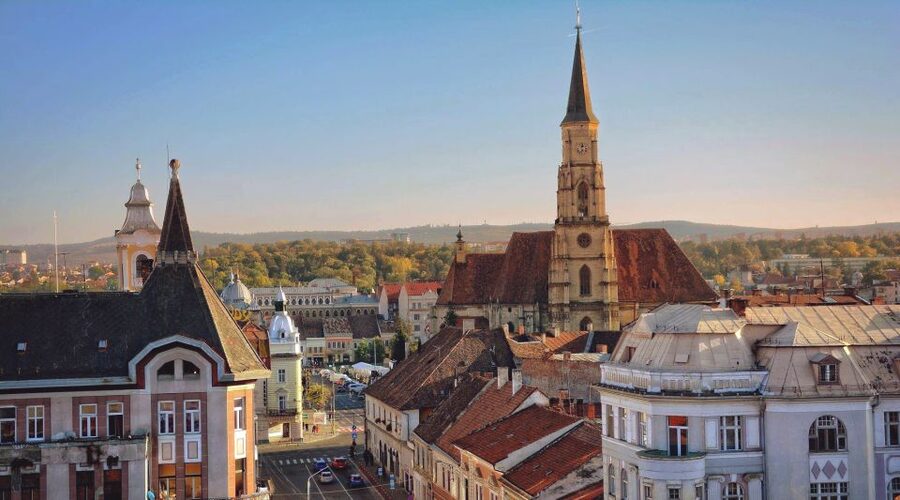
This is a good choice if you want more than a single attraction. The day links two very different places: Alba Iulia, where military history and royal symbolism fill the streets, and Turda, where geology and old salt mining create something almost otherworldly.
The route also gives you a useful look at Transylvania beyond its best-known legends. Alba Iulia reflects Roman, Hungarian, German, and Romanian influences. Turda shows how natural resources shaped local life for roughly two thousand years of mining.
The tour lasts about ten hours, starting in the morning. That matters. You are not squeezing both stops into a rushed half-day outing, but you should still expect a long day with plenty of time on your feet. Comfortable shoes are essential.
The private group setup is one of the best reasons to choose this experience. A good guide can adjust the pace, explain unfamiliar details, and leave you time to look around. Several comments about guides Josif and Joseph point to strong history knowledge, careful organization, hydration breaks, and enough free time for photographs and personal exploration.
More Fortress and Citadel Tours in Romania
- Brasov: Peles Castle, Bran Castle & Rasnov Fortress Day Tour
★ 4.8 · 238 reviews - Small Group Tour to Viscri Church Sighisoara Town Rupea Fortress
★ 5.0 · 225 reviews - Brasov: Bear Sanctuary, Dracula Castle, and Râşnov Fortress
★ 4.7 · 176 reviews
Alba Iulia, a city built in layers
Your first major stop is Alba Iulia, often called the fortress city. Its story reaches back to Apulum, a major Roman settlement and the largest Roman military camp in the area because of its strategic position.
That Roman foundation is only the beginning. Over the centuries, Hungarians and Germans also shaped the city. You can expect a mix of Roman remains, Baroque churches, Romanesque architecture, and later military construction. The description of a Babylonian-style building adds another unusual architectural note to the town.
I like Alba Iulia because it gives context before you enter the fortress. You are not simply looking at walls. You are seeing how a strategic settlement changed hands, purposes, and architectural styles over time.
Your guide is especially useful here. The city contains several periods at once, and it is easy to look at a church, gate, or military structure without understanding its place in the larger story. With a private guide, you can ask why Roman, Hungarian, German, and Romanian influences appear side by side.
Do not expect Alba Iulia to feel like a single museum exhibit. It is a town with a long past, and the appeal comes from moving between its different layers. The tradeoff is that the historical picture can feel broad rather than narrowly focused. If you love military history, you may want to spend extra attention at Alba Carolina itself.
Walking through Alba Carolina Fortress
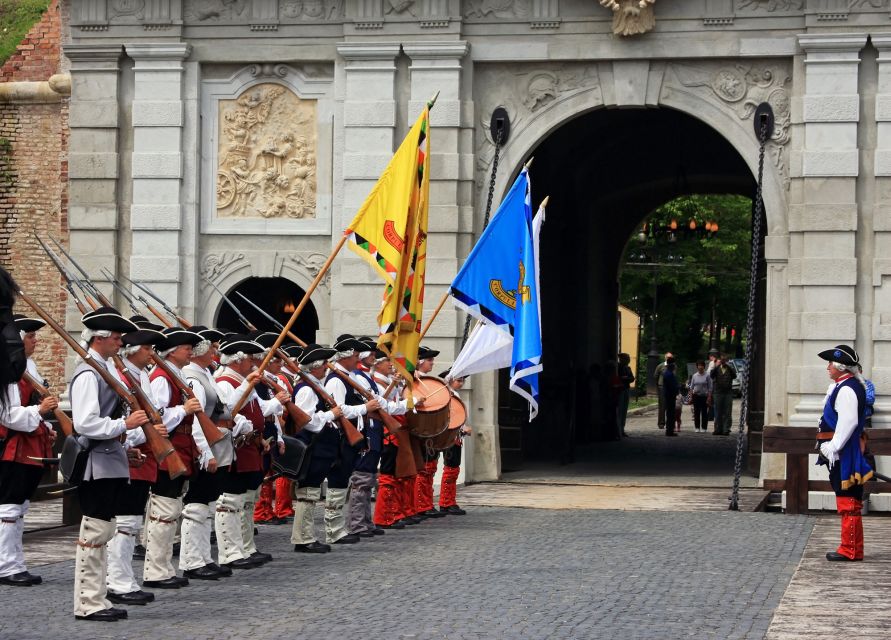
Alba Carolina is the centerpiece of the first half of the day. Built in the 18th century, it is Romania’s largest fortress, with a six-pointed star plan and about 12 kilometers of walls.
The design reflects the Vauban style of military fortification. It developed from an earlier Roman fort and a medieval fortress, then became a much larger citadel with bastions and defensive walls. This layered development gives the site more depth than a single-period castle.
The six entrances are a major attraction. Each has Baroque decorative elements linked to European military architecture. You get the practical side of a fortress, thick walls and controlled access, along with ornament that shows the 18th century was not satisfied with plain defense works.
I suggest you look closely at the entrances rather than treating them as simple passageways. Their decoration helps show how military architecture could also serve as a statement of power. The fortress was not placed at random, either. Its central position in Romania, surrounded by the Carpathian Mountains, gave it symbolic importance.
Alba Iulia is also linked with the coronation of Romanian kings. That association adds another layer to the visit. Roman occupation, medieval use, Habsburg-era military design, and Romanian royal symbolism all meet in the same fortified area.
A guide can make the difference here. The walls and gates are impressive on their own, but a clear explanation helps you connect the Roman fort, medieval fortress, and later Vauban citadel. If your guide is Josif or Joseph, you may get especially detailed answers. The available accounts describe him as a history major or a very well-prepared guide who could also answer wider questions about Romanian society and customs.
Lunch in a medieval setting
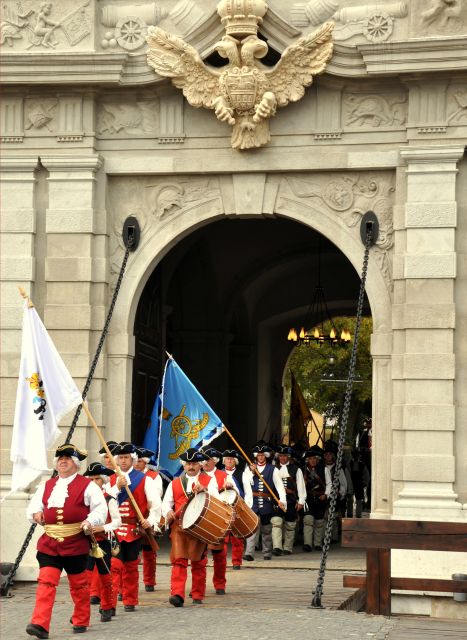
After the fortress visit, lunch is planned in a medieval atmosphere. Lunch is not included, and the expected cost is about €12 per person.
That extra cost is easy to overlook when comparing tour prices, so include it in your budget. The meal gives you a useful pause after the morning sightseeing and before the afternoon visit underground.
The lunch stop is also practical. Ten hours of sightseeing can wear you down, especially if you have already spent much of your trip walking through Romanian towns. One account specifically points out that the guide provided enough hydration and personal time, which is worth noting on a full-day private outing.
The exact menu is not specified, so I would not book this tour for a particular dish. Think of the meal as a comfortable break in a fitting historical setting rather than a separate food tour.
Same region, a different set of walls:
- Bucharest: Dracula’s Castle, Peles Castle, & Brasov Old Town
★ 4.5 · 17,858 reviews - Bucharest: Dracula Castle, Peles Castle & Brasov Old Town
★ 4.6 · 10,891 reviews - Bucharest: Dracula’s Castle, Peleș Castle & Brașov Day Trip
★ 4.4 · 6,100 reviews - Bucharest: Day Trip to Dracula Castle, Peles Castle & Brașov
★ 4.4 · 3,049 reviews
Entering Turda Salt Mine
Turda Salt Mine changes the mood completely. After the open courtyards and walls of Alba Iulia, you head underground into galleries carved through salt deposits formed about 13 million years ago.
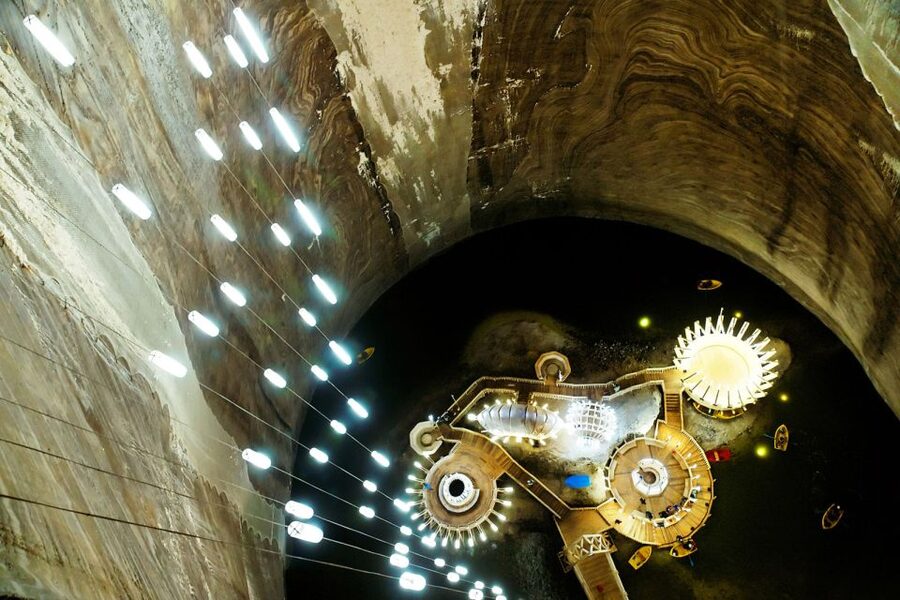
Mining took place here over roughly two thousand years. The scale of that work becomes clear as the galleries open into a huge chamber with a height of about 90 meters. This is the sort of place where measurements matter because ordinary words such as large or spacious do not quite prepare you for the vertical space.
The mine is not only a historical site. It is also a striking visual experience. Salt walls, long passageways, and the enormous chamber create strong conditions for photographs. A glass elevator gives you an overview from inside the mine, allowing you to see the height and shape of the space from a different angle.
At the center, you can take a boat ride on the salt lake. That detail gives the visit a slightly surreal quality, but it is also a reminder that this is a working cultural attraction rather than a simple tunnel walk.
The mine stays between 10 and 12 degrees Celsius throughout the year. Bring a sweater or light jacket even if Cluj and Alba Iulia are warm above ground. You should also wear shoes with good comfort and grip, since the visit involves walking through underground areas.
The salty air is often described as helpful for people with respiratory problems. Treat that as part of the atmosphere, not as a medical promise. The tour is a sightseeing experience, and anyone with a serious respiratory or health concern should make their own decision about visiting.
What the private guiding adds
A private group is valuable on a route with this much history. You can stop to ask about Roman military life, Transylvanian customs, fortress design, or the changing role of Alba Iulia without worrying about holding up a large group.
The guide also acts as a translator between the site and your own interests. If you care about military design, you can focus on bastions and entrances. If you are more interested in Romanian identity and royal history, Alba Iulia gives you plenty to discuss. At Turda, you can ask about mining, geology, and the practical work behind the galleries.
The strongest praise attached to this experience concerns the guides. Josif is described as passionate about his work and able to explain Transylvanian history, customs, and traditions. Joseph is described as attentive, able to answer questions, and considerate about hydration and personal time. One account also says the guide adjusted the schedule to suit the visitor.
I would still confirm the guide language when booking. English is the standard option, while German and French guides are available on request according to the tour details. The named guides may not be assigned on every departure.
Is the $274 price good value?
At $274 per person, this is not a cheap day trip. The value depends heavily on how much you want the private format and how difficult it would be for you to arrange both destinations yourself.
The price includes an English-speaking guide, entrance to Turda Salt Mine, and a bottle of water. Lunch, personal expenses, and any additional items are extra. A group of at least 20 people also receives one free place for the tour leader, which is more relevant to organized groups than to individual bookings.
For a solo visitor or couple, the cost may feel high beside a standard group excursion. For a small private group that wants direct access to a guide and a flexible conversation, the calculation looks better. You are covering a long day, two major sights, and the benefit of not having to coordinate the route yourself.
The tour also makes more sense if you are short on time in Romania. Alba Iulia and Turda are distinct destinations, and combining them lets you see both without spending an additional day planning transport. Since transport arrangements are not described in detail, ask exactly what is included before booking.
Who should book this day?
I would recommend it to you if you enjoy history but also want one dramatic visual stop. Alba Carolina rewards people who like fortifications, Roman remains, royal associations, and architectural detail. Turda rewards anyone who likes unusual underground places, photography, and large-scale industrial or geological sites.
It is also a good fit for people who prefer asking questions instead of listening to a fixed script. The private format and the strong guide feedback make this route more personal than a large coach tour.
You should think twice if you dislike long days, cool underground spaces, or walking on uneven routes. The tour is specifically not suitable for wheelchair users or people with mobility impairments. Pets are not allowed.
Bring your passport or ID card, comfortable shoes, and a warm layer for the mine. Keep some room in your day for a proper lunch and photographs rather than expecting to rush from one sight to the next.
Cancellation and booking details
You can cancel up to 24 hours before the tour for a full refund. You can also reserve now and pay later, which helps if your Cluj plans are still changing.
The duration is about ten hours, and starting times depend on availability. The tour is offered with a live English-speaking guide. German and French guiding can be requested, but English is the language specifically listed for the activity.
Should you book the Alba Iulia and Turda tour?
Book it if you want a full, history-focused day that combines Romania’s largest fortress with one of its most unusual underground sights. The contrast is the main strength: grand military architecture in Alba Iulia, then a cool salt chamber with a lake and glass elevator at Turda.
Skip it if you need an accessible route, want a short outing, or are focused mainly on food and relaxed town wandering. At $274 per person, the tour earns its price through private guiding, a long route, and the chance to cover two major stops in one day. For a small group that values expert answers and efficient sightseeing, it is a strong choice.
FAQ
How long is the tour?
The tour lasts approximately 10 hours and begins in the morning.
Where does the tour take place?
The experience visits Alba Iulia and Alba Carolina Fortress in Alba County, followed by Turda Salt Mine in the Transylvania region of Romania. It is offered from Cluj-Napoca.
Is the tour private?
Yes. The activity is organized as a private group tour.
What language is the guide?
The listed live guide language is English. German and French-speaking guides are available on request.
Is lunch included?
No. Lunch is not included. The expected cost is approximately €12 per person, and lunch is enjoyed in a medieval atmosphere.
What is included in the price?
The price includes an English-speaking guide, entrance fees to Turda Salt Mine, and a bottle of water.
What should I bring?
Bring a passport or ID card and comfortable shoes. A light jacket is also sensible because the mine remains between 10 and 12 degrees Celsius all year.
Can I visit Turda Salt Mine in a wheelchair?
No. The activity is not suitable for wheelchair users or people with mobility impairments.
Are pets allowed?
No. Pets are not allowed on the tour.
Can I cancel for a refund?
Yes. You can cancel up to 24 hours in advance for a full refund. The tour also offers a reserve now and pay later option.
Just added around Romania
- Vlad the Impaler Royal Court from Târgoviște, Peleș Castle and Dracula grave★ 5.0 · 8 reviews
- Dracula Castle, Peles Castle & Brasov-Private Tour from Bucharest★ 5.0 · 80 reviews
- Private Tour to Salt Mine, Lunch at Winery and Dracula Grave★ 5.0 · 60 reviews
- From Bucharest: Brasov & Dracula’s Castle Transylvania★ 5.0 · 5 reviews
- Transylvania Castles 4-day tour from Bucharest★ 5.0 · 31 reviews
- Dracula’s Tomb Snagov Monastery | Mogosoaia Palace – PrivateTour★ 5.0 · 7 reviews
- Bears Sanctuary, Dracula’s Castle and Brașov City – Private Tour★ 5.0 · 10 reviews
- Private tour to Bran Dracula’s Castle and Peleș Royal Castle★ 5.0 · 4 reviews
Fortress & Citadel Tours, compared.
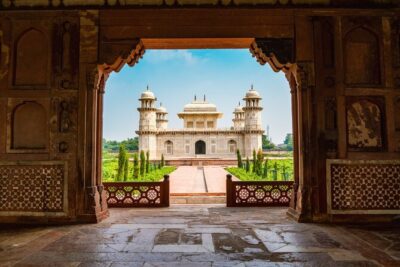
Full Day Taj Mahal, Agra Fort & Baby Taj Tour from Delhi by Car
Read our review →
Fort Sumter Admission and Self-Guided Tour with Roundtrip Ferry
Read our review →
Carcassonne: Castle and Ramparts Entry Ticket
Read our review →
Charleston: Fort Sumter Entry Ticket with Roundtrip Ferry
Read our review →
Same Day Taj Mahal, Fort & Baby Taj Tour from Delhi by Car
Read our review →
From Delhi: Taj Mahal and Agra Fort Private Sunrise Tour
Read our review →
Sunrise Taj Mahal, Agra Fort & Baby Taj Tour from Delhi by Car
Read our review →
Salzburg: Hohensalzburg Fortress Admission Ticket
Read our review →Browse the lists this tour appears in