
REVIEW · FORTRESS & CITADEL TOURS
Carcassonne During World War 2
Carcassonne’s wartime story is easy to miss beneath its famous medieval walls. This walking tour shifts your attention to la Bastide, the lower town, where Paul traces occupation, resistance, collaboration, rationing, and liberation through streets linked to real people and events.
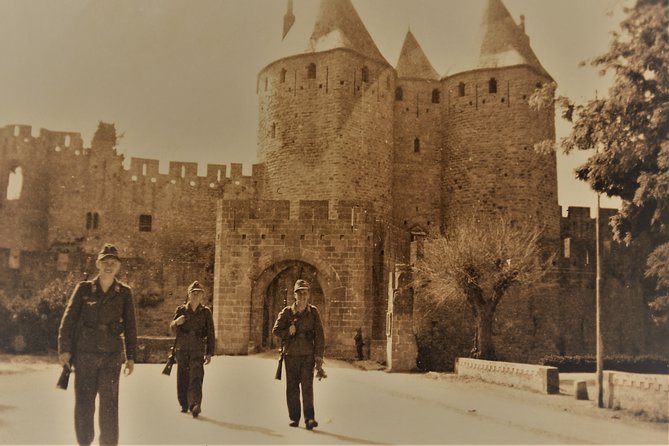
I like the use of black-and-white wartime photographs, which let you compare today’s streets with the same places between 1939 and 1945. I also like the focus on ordinary men and women, not only national leaders. The main drawback is that a large group can make narrow streets hard for hearing and safe stopping, though the guide has said he aims to keep future groups smaller.
Key points to know before booking
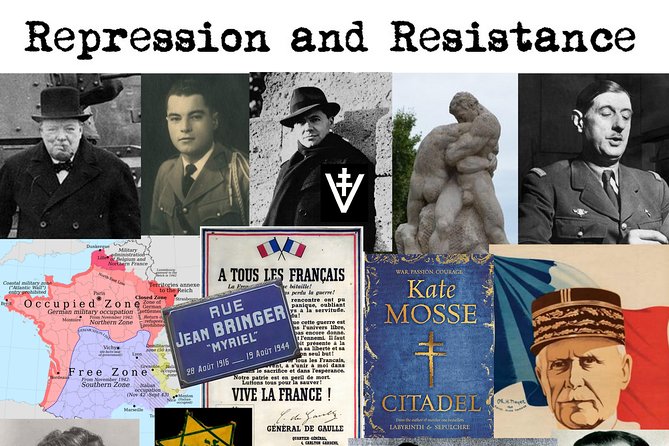
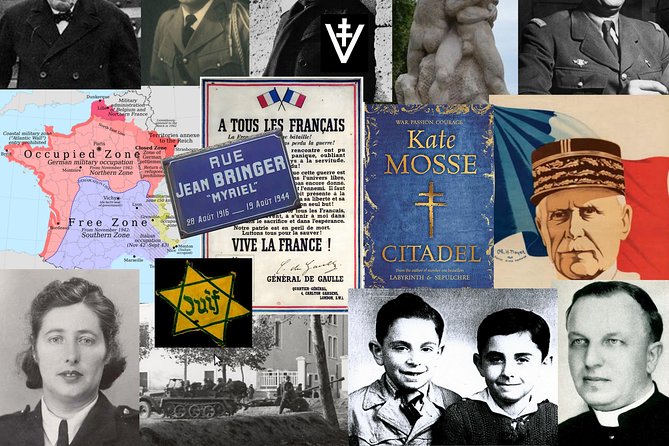
- Local WWII stories: The tour connects national events in France with Carcassonne’s own citizens, heroes, collaborators, and forgotten figures.
- A different side of the city: Much of the walk explores la Bastide, often overlooked by people heading straight to the medieval citadel.
- Period photographs: Paul uses black-and-white images to show how familiar places looked during the war.
- Private format: Your group alone takes part, allowing questions and a more personal discussion.
- Thoughtful subject matter: Repression, deportation, collaboration, and post-war purges receive attention alongside resistance and liberation.
- Good value: At $24.19 per person for about two hours and fifteen minutes, the price is modest for a specialist private walk.
Carcassonne’s war story begins away from the castle
Most first-time visits to Carcassonne focus on la Cité, the walled medieval citadel. That is understandable. Its towers and ramparts dominate the city and make for a memorable walk.
This WWII tour takes a different route. It concentrates on the town’s wartime life, with the lower city, or la Bastide, playing an important role. You still get the pleasure of walking through Carcassonne, but the subject is not medieval power. It is what happened to local people during the difficult years from 1939 to 1945.
That change of focus gives the experience its purpose. You are not simply receiving a general lesson about the Second World War. You are looking at how large events affected one French town, its streets, institutions, families, and political choices.
Paul places Carcassonne within the wider story of France. He explains the fall of France, the split between the occupied and non-occupied zones, the invasion of the Free Zone, and the eventual liberation. Those facts matter because they show why daily life in Carcassonne changed so sharply, and why people faced choices that were rarely simple.
More Fortress and Citadel Tours in France
- Carcassonne: Castle and Ramparts Entry Ticket
★ 4.6 · 2,884 reviews - Discover Fort Boyard
★ 4.6 · 844 reviews - From La Rochelle: Sailing Cruise to Fort Boyard
★ 4.8 · 623 reviews
Meeting at Brasserie a 4 Temps at 9:30
The tour begins at Brasserie a 4 Temps, 2 Boulevard Barbès, at 9:30 in the morning. Starting here gives you a clear place to meet near public transportation, and the morning timing works well if you want to continue sightseeing afterward.
Arrive with enough time to find the brasserie and gather your group. This is a walking tour, so comfortable shoes are sensible. The route lasts approximately two hours and fifteen minutes according to the tour details, while the walking portion is also described as about two hours. Plan your morning around roughly two hours of guided time, with a little flexibility.
The experience is offered in English. That is especially useful for a subject that depends on names, political terms, and careful distinctions between resistance and collaboration.
The tour is private, meaning only your group participates. That should give you a better chance to ask about a family story, a local plaque, or a point about Vichy France. It also avoids the fixed rhythm of a large public tour, at least when the group remains within a sensible size.
Paul’s photographs make familiar streets speak
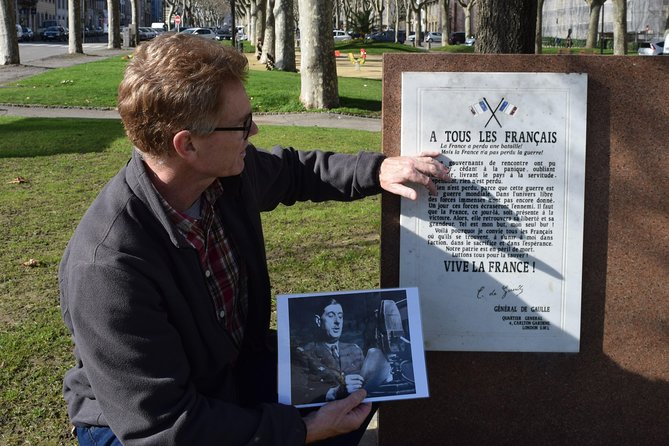
Paul’s strongest tool is not a map or a long lecture. It is the collection of black-and-white photographs he brings to the walk.
A modern street can look ordinary. A period photograph placed against it can change your view at once. You begin to notice how the same buildings, corners, or public spaces were used during the war. The images give shape to events that might otherwise feel distant and abstract.
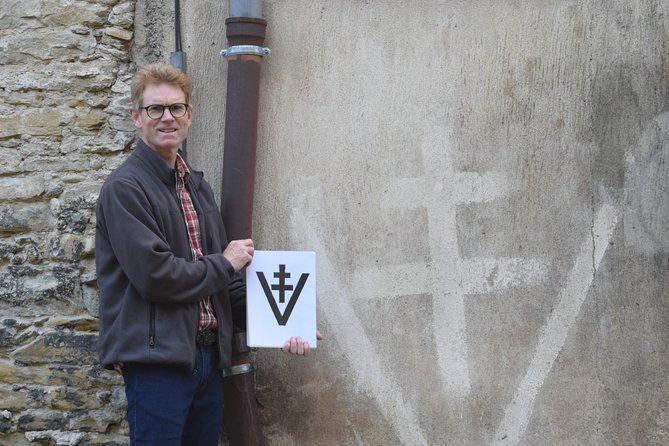
Paul also asks you to look for things along the way. That small detail changes the walk from a speech into a shared investigation. You are encouraged to connect the image, the location, and the story rather than simply follow from one stop to the next.
His approach appears carefully prepared and well paced. The subject is serious, but the presentation includes questions, conversation, and occasional humor where appropriate. That balance matters. A WWII tour can become heavy if every moment is delivered in the same solemn tone. Here, the information has room to breathe.
You should still expect some difficult material. The walk deals with repression, forced labor, collaboration, and the treatment of people after liberation. It is informative, but it is not light sightseeing.
From the fall of France to the Free Zone invasion
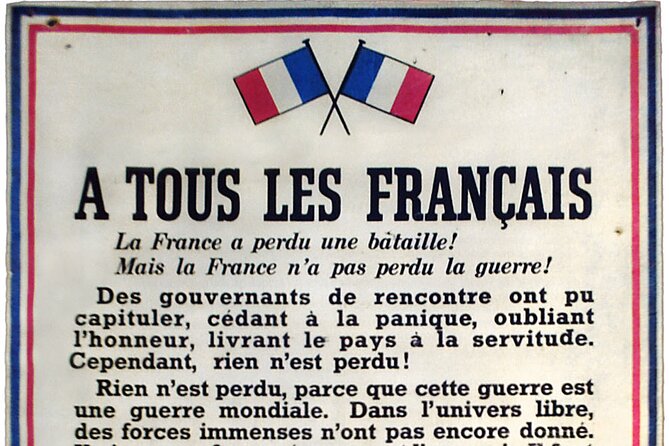
The first part of the story sets up the political confusion of wartime France.
You learn about the fall of France and the creation of an occupied zone and a non-occupied zone. For people living in Carcassonne, the distinction was not merely a line on a map. It affected administration, movement, supplies, policing, and the way local officials dealt with German power and the Vichy government.
The invasion of the Free Zone is another key point. It helps explain how the situation changed over time. France’s wartime experience cannot be reduced to a simple division between occupied and free territory, and this tour makes that shifting reality part of the local story.
I appreciate this wider context because it prevents the personal accounts from floating without explanation. When Paul discusses a local figure, you understand the political pressure surrounding that person. When he explains an event in Carcassonne, you can place it within the larger course of the war.
The route also covers rationing. This is one of the most useful subjects in any civilian wartime story because it brings the conflict into kitchens, shops, and daily routines. Military campaigns may dominate history books, but shortages and restrictions shaped ordinary life every day.
Same region, a different set of walls:
- Loire Valley Castles Day Trip from Paris with Complementary Wine
★ 4.5 · 3,907 reviews - Chambord: Entry Ticket to the Castle
★ 4.6 · 1,841 reviews - From Paris: Loire Valley Castles Day Trip With Wine Tasting
★ 4.6 · 1,727 reviews - Chenonceau Castle Admission Ticket
★ 4.7 · 1,515 reviews
Resistance and collaboration in the same streets
The tour does not present Carcassonne as a town divided neatly into brave resisters and obvious villains. It examines a spectrum of resistance and a spectrum of collaboration.
That is an important strength. People responded to occupation and repression in different ways. Some resisted openly, some helped quietly, some collaborated for political or personal reasons, and others tried to survive without taking a clear public position. Local history becomes more honest when those shades are included.
The Milice receives attention as part of the machinery of repression. The S.T.O., or compulsory labor service, is also included. These topics explain why resistance grew and why the pressure on civilians became so intense.
Paul’s local focus makes the material more personal. You hear about national heroes, but also local heroes and people who have largely been forgotten. The tour is at its best when a name, photograph, or place gives a human face to a wider event.
If your main interest is the French Resistance, this section will likely be the heart of the walk. You get more than a list of operations or famous commanders. The emphasis is on people and choices, and on the cost of helping others.
One limitation is that the exact balance among topics may vary with questions and group interest. The tour includes a broad sweep of wartime subjects, so you should not expect a specialist lecture devoted only to the SS or Gestapo. One past participant felt those activities deserved more attention. If that is your main interest, ask Paul about them during the walk.
Liberation, memory, and the difficult aftermath
The story does not stop when Carcassonne is liberated.
The final part covers liberation and the post-war purges. That matters because the end of German control did not erase the tensions created during the occupation. Communities had to decide how to respond to collaboration, accusation, punishment, and revenge.
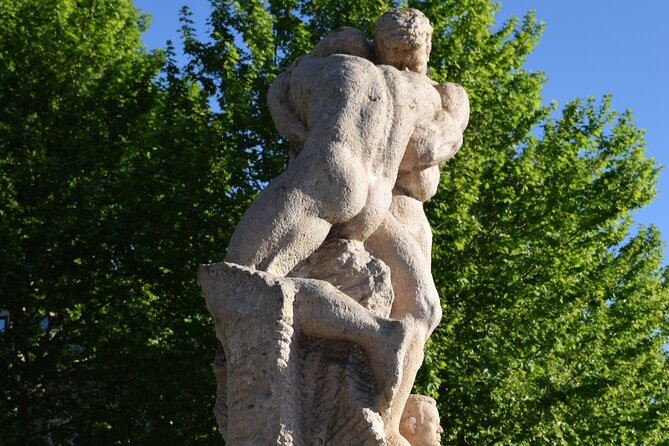
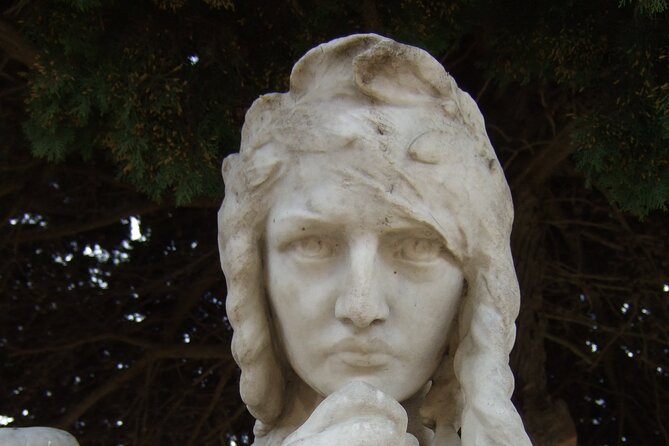
The tour ends at the memorial to the Resistance at Square Gambetta. The listed end address is 16 Avenue Arthur Mullot, with the memorial identified as the endpoint. Since the information gives both an address and the square name, check the exact map point when you book or meet the guide.
Finishing at a memorial gives the walk a fitting close. You have moved from occupation and fear through resistance and liberation, then into the uneasy question of how a community remembers those years. It is a quiet way to end a serious morning.
The ending also reinforces the tour’s central idea: history is not only about famous battles. It is about the people who lived through a crisis, the choices they made, and the stories later generations decide to preserve.
Why the $24.19 price is good value
At $24.19 per person, this is a reasonably priced specialist tour. You receive roughly two hours of guided walking, an English-speaking guide focused on one subject, historic photographs, and a private group format.
The value is strongest if you are already interested in WWII, the French Resistance, or the Vichy period. A general city tour might give you a brief wartime mention, but this experience makes the years from 1939 to 1945 the entire subject.
It can also work well for someone with only a passing interest. Paul explains the material in a way that suits different levels of prior knowledge, and the local stories provide an easy entry point. You do not need to arrive with a detailed understanding of French wartime politics.
The private format makes the price more attractive for couples, families, or small groups. You are not paying only for transportation or entry to a monument. You are paying for interpretation, preparation, and access to a guide who has built the walk around local research.
There is no separate admission charge for the walking route. The cost is mainly for the guide and the experience of seeing Carcassonne through this particular historical lens.
Group size matters on Carcassonne’s narrow streets
Although the tour is private, private does not automatically mean tiny. One group reached 23 people, which made it harder to hear and find safe places to stop in narrow streets. The guide acknowledged that this was too large and indicated that a limit of 12 would be a better target.
That is useful information when you book. A small group should make the walk more comfortable, especially when Paul is showing photographs or explaining a detailed point. It should also make it easier to ask questions without slowing the whole route.
If your group is large, contact the provider before booking and ask how many people will be included. Do not assume that private means a couple or a family-sized group.
The route is described as suitable for most people and is near public transportation. Still, it is a walking experience through city streets, so you should be prepared to remain on your feet for about two hours. Poor weather can also affect the tour. If the experience is canceled because conditions are unsuitable, you are offered another date or a full refund.
Who will enjoy this tour most
I would choose this walk if you want history tied to actual places. It suits you particularly well if you have read about the French Resistance, Vichy France, or the occupation and want to understand how those events touched a specific community.
It is also a strong choice for people who have already seen the medieval citadel. The tour gives you a reason to spend time in the lower town and look beyond the postcard views.
Families with older children may find the photographs and personal stories more engaging than a standard museum display, though the subject includes repression and loss. Younger children may not have enough background to follow every political detail.
The tour also works for repeat visitors. Someone who has owned a home in Carcassonne for years can still pass plaques and monuments without knowing the stories behind them. Paul’s method is designed to make those overlooked details visible.
You may want to skip it if you only have a short visit and your main goal is the medieval fortress. You should also think twice if you prefer a light, purely architectural walk. This is a serious history tour, and it asks you to consider difficult moral questions.
Practical booking advice for a thoughtful morning
Book ahead if your dates are fixed. The experience is booked on average 32 days in advance, which suggests that planning early is sensible, especially for a private tour with limited group capacity.
Confirmation is sent within 48 hours, subject to availability. You can cancel for a full refund up to 24 hours before the start time. Cancellations or changes made less than 24 hours before the 9:30 start are not refunded or accepted.
The tour requires a minimum number of participants. If that minimum is not reached, you are offered another date or experience, or a full refund.
Wear shoes suited to city walking, and arrive ready to listen outdoors. Bring any WWII questions you especially want answered. The experience is designed for conversation, and Paul’s replies are likely to be most useful when you connect them to a person, place, or topic that interests you.
Should you book Carcassonne During World War 2?
Book it if you want to understand Carcassonne beyond its medieval walls. Paul’s careful preparation, photographs, local anecdotes, and focus on real people make the walk more personal than a standard overview of wartime France.
At $24.19, the tour offers good value for a specialist private experience. Its main caution is group size, so ask about the number attending and make sure you are comfortable with a serious subject. If you care about the Resistance, Vichy France, or the civilian experience of occupation, this is one of the most useful ways to spend a morning in Carcassonne.
FAQ
Where does the tour begin?
The tour begins at Brasserie a 4 Temps, 2 Boulevard Barbès, 11000 Carcassonne, France.
What time does the tour start?
The start time is 9:30 in the morning.
Where does the tour end?
The tour ends at the memorial to the Resistance at Square Gambetta. The listed endpoint address is 16 Avenue Arthur Mullot, Carcassonne.
How long does the tour last?
The experience lasts approximately two hours and fifteen minutes. The walking itinerary also describes the guided portion as two hours.
Is the tour offered in English?
Yes. The tour is offered in English with an English-speaking guide.
Is this a private tour?
Yes. Only your group participates in the private activity.
How much does the tour cost?
The listed price is $24.19 per person.
What subjects does the tour cover?
It covers the fall of France, the occupied and non-occupied zones, the invasion of the Free Zone, rationing, the Milice, the S.T.O., resistance, collaboration, liberation, and post-war purges.
Can I cancel for a full refund?
Yes. You can cancel at least 24 hours before the local start time for a full refund. Cancellations made less than 24 hours before the start are not refunded.
Just added around France
- Saint Emilion Castle and Village Wine Tour★ 4.5 · 23 reviews
- Château de Fieuzal, Pessac-Léognan: Visit and Tasting★ 5.0 · 18 reviews
- Private Wine Lovers – Super St Emilion – behind the scenes visits top chateaux and medieval town★ 5.0 · 25 reviews
- 3H private city tour of Bordeaux and vineyard in a Citroën DS★ 5.0 · 4 reviews
- Bordeaux Médoc Region Private Wine Lovers Tour with Chateau Visits & Tastings★ 5.0 · 40 reviews
- Full-day Saint-Emilion: Village, Undergrounds and Châteaux★ 4.5 · 55 reviews
- Bordeaux to Dordogne – Private Tour: Fortified Castles and Medieval Villages★ 4.5 · 4 reviews
- Chateau du Taillan and Park including Wine Tasting Tour★ 5.0 · 40 reviews
Fortress & Citadel Tours, compared.
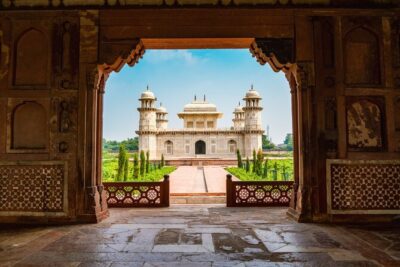
Full Day Taj Mahal, Agra Fort & Baby Taj Tour from Delhi by Car
Read our review →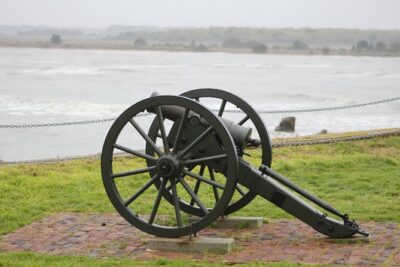
Fort Sumter Admission and Self-Guided Tour with Roundtrip Ferry
Read our review →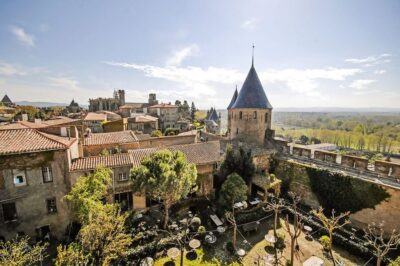
Carcassonne: Castle and Ramparts Entry Ticket
Read our review →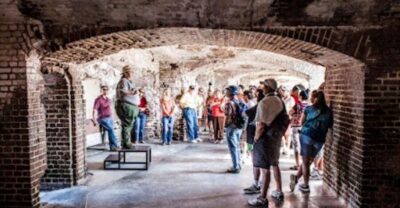
Charleston: Fort Sumter Entry Ticket with Roundtrip Ferry
Read our review →
Same Day Taj Mahal, Fort & Baby Taj Tour from Delhi by Car
Read our review →
From Delhi: Taj Mahal and Agra Fort Private Sunrise Tour
Read our review →
Sunrise Taj Mahal, Agra Fort & Baby Taj Tour from Delhi by Car
Read our review →
Salzburg: Hohensalzburg Fortress Admission Ticket
Read our review →Browse the lists this tour appears in