
REVIEW · WINE TOURS
Bioul (near Dinant) : Château de Bioul Tour and Wine Tasting
Château de Bioul gives you two visits in one: a handsome Belgian château with centuries of family history, and a working wine estate where the story continues from grape to glass. The property has been linked to the Seigneurie de Bioul since the 10th century, and the same family has cared for the château since 1906.
I like the combination of heritage and wine production, especially the chance to move beyond rooms and portraits into the vineyards and winery. I also like the family story, including the connection to Le Bon Marché and the later GB-INNO-BM group, which gives the visit a broader Belgian business history.
The main drawback is practical: this is not a wheelchair-friendly visit, and much of the estate involves walking. Transportation and meals are also on you, so the $35 price works best if you are already exploring the Dinant area.
Key points to know before you go
- A 10th-century setting: The Seigneurie de Bioul was already linked to Gobert de Bioul in writings from 1210.
- A family estate since 1906: Andy and Vanessa Wyckmans-Vaxelaire now carry on the family project.
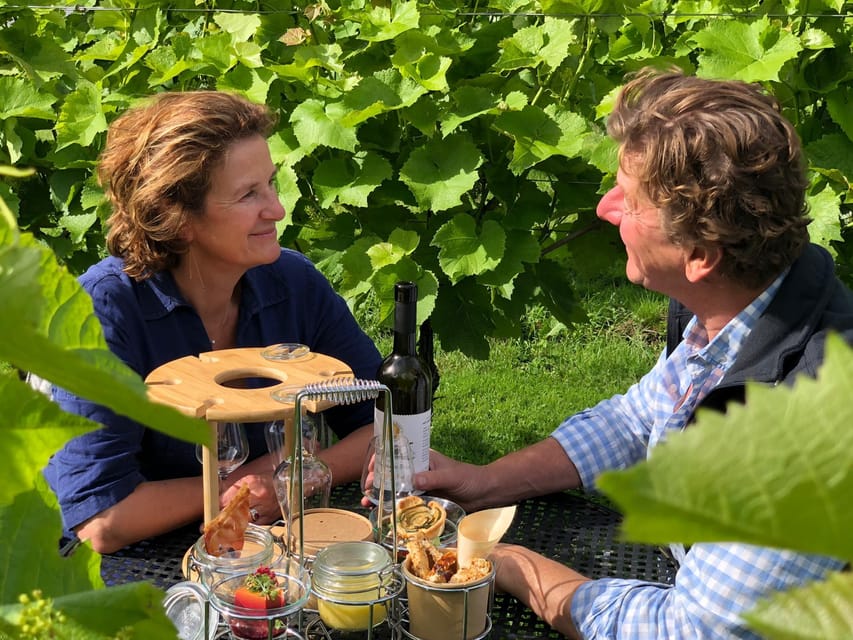
- Wine from grape to glass: The tour connects the vineyards, winery, production story, and tasting.
- More than a château visit: Expect architecture, statues, period details, secret corners, and a tree-lined centenary park.
- A Belgian retail connection: The visit explains the history of Le Bon Marché and its development into the GB-INNO-BM group.
- French or English support: A French or English host or greeter is available, with an audio guide in either language.
Why Château de Bioul is more than a wine tasting
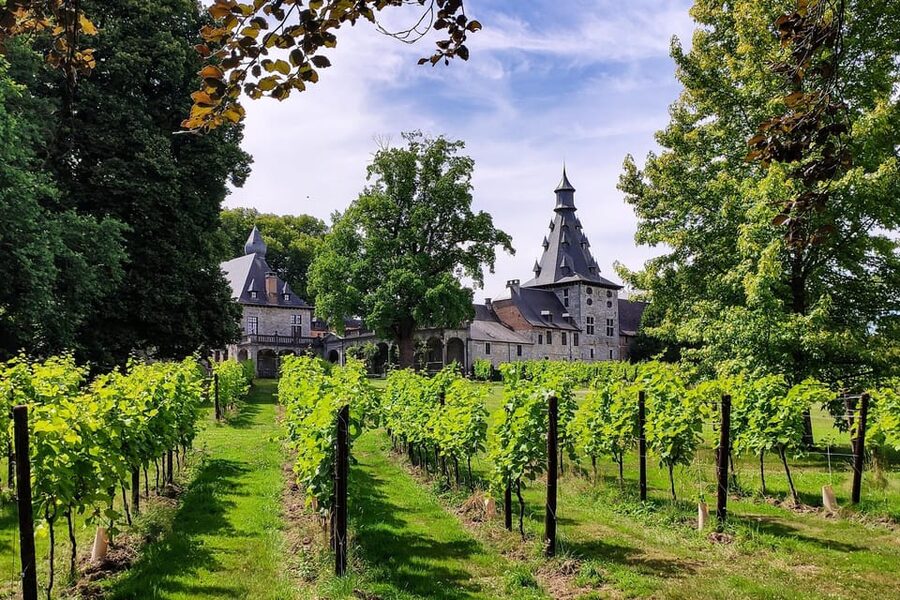
Many château visits give you old rooms, a few dates, and a gift shop. Château de Bioul has a stronger link between the building and the land around it. You see a historic residence, but you also learn how the estate now makes wine and presents its own produce.
That mix matters. The château helps explain the family identity, while the vineyards show how the property has adapted to modern life. The visit is not simply about admiring an old building. It is about seeing how a long-held estate has found a current purpose.
The property’s motto, In Arduis Constans, translates as Perseverance in Difficulty. That phrase is useful here because the family story is presented through values such as love, solidarity, respect, determination, and courage. You are not just given a list of owners. You are shown the idea of stewardship, with one family preserving a place and shaping its future.
A recent overall rating of 4.2 out of 5 suggests that the visit generally delivers what it promises, while the strongest praise has centered on the family heritage, the attractive estate, the educational museum-style material, and Belgian wine expertise. One recent visitor also praised the beautiful grounds and informative presentation. That is a good match for anyone who wants context rather than a quick tasting at a bar.
More Wine Tours in the world:
- Loire Valley Castles Day Trip from Paris with Complementary Wine
★ 4.5 · 3,907 reviews - From Paris: Loire Valley Castles Day Trip With Wine Tasting
★ 4.6 · 1,727 reviews - Medoc or Saint Emilion Wine Tasting and Chateau from Bordeaux
★ 5.0 · 1,415 reviews
Entering a château shaped by several centuries
The Seigneurie de Bioul has been a local landmark since at least the 10th century. Gobert d’Orbais, also known as Gobert de Bioul, appears in written records from 1210 as a knight and lord. Those early references give the property a genuine medieval connection, rather than a story built only around a later romantic mansion.
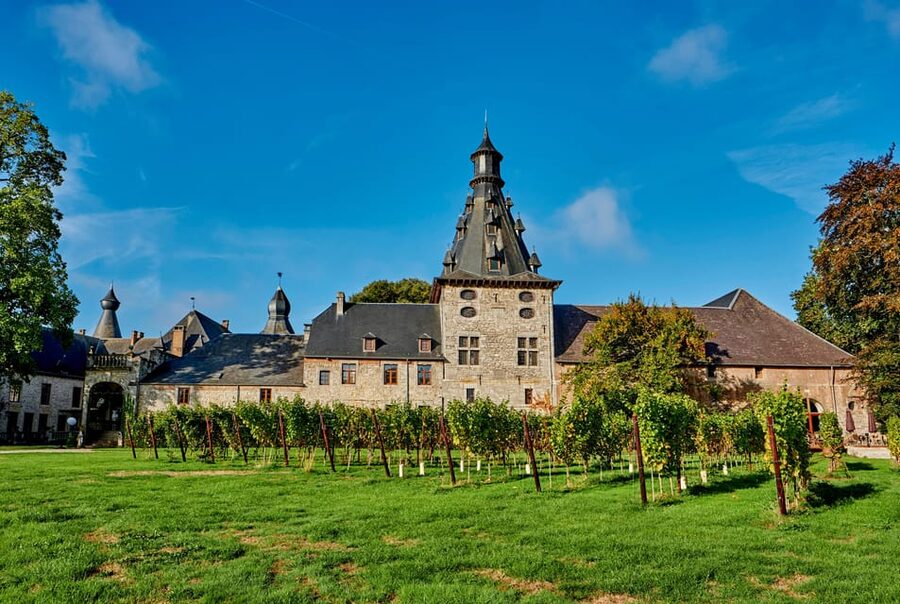
The château’s architecture reflects several periods. You can expect a building with changing styles, older decorative elements, statues, and tucked-away corners rather than one perfectly uniform design. That variety is part of its appeal. As you move through the property, the building tells the story of different generations adding, preserving, or adapting parts of the estate.
Photography is allowed, but flash is not permitted inside the château. Bring a camera if you like architectural details, but keep it quiet and discreet indoors. The rule protects the atmosphere and the period furnishings.
The château portion should appeal most to you if you enjoy family homes that still carry signs of use and change. It is less suited to anyone expecting a highly polished palace visit with a large collection of famous paintings. The information provided emphasizes the estate, its family story, and its wine project rather than a major art collection.
The Wyckmans-Vaxelaire family story
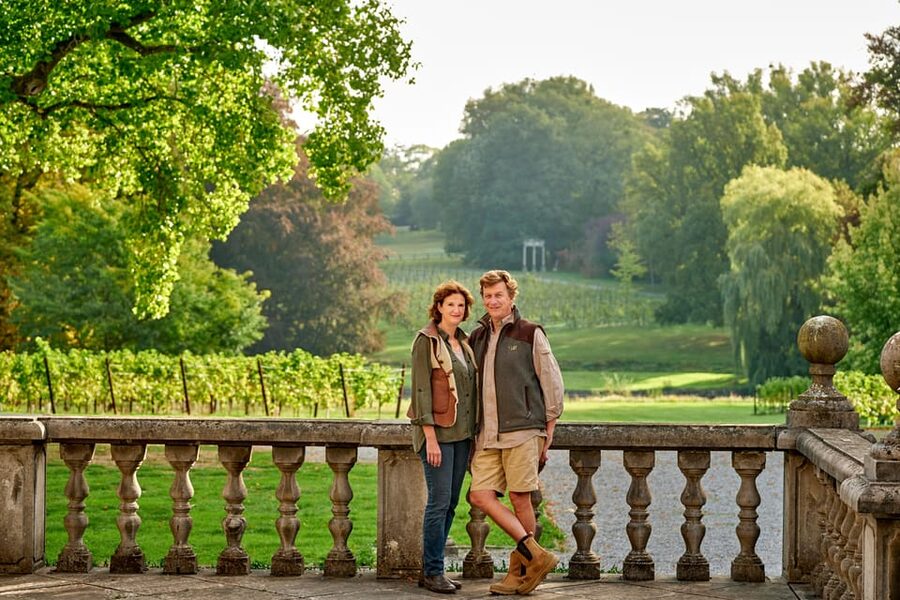
Since 1906, Château de Bioul has remained in the same family. Andy and Vanessa Wyckmans-Vaxelaire are the current owners, and their role is presented as one of carrying forward an emotional family inheritance.
That personal element gives the visit its focus. You learn about the family not only as landowners, but also as people trying to protect a place and give it a future. The family’s connection to Le Bon Marché adds a surprising turn to the story.
The visit explains how Le Bon Marché became part of the GB-INNO-BM group. This is valuable context because it places the château within a larger Belgian commercial history. You are not only hearing about aristocratic titles and old walls. You are also learning how a family associated with a famous retail name remained tied to a country changing through business, trade, and modern enterprise.
I find this part especially useful for putting the château in perspective. A family estate can look frozen in time from the outside. The Le Bon Marché connection shows that its story also includes work, adaptation, and changing fortunes.
The motto In Arduis Constans reinforces that point. It reflects persistence through difficulty, and the family presents that quality as a guide for the current wine project. You do not need to be a history specialist to follow the theme. The story is straightforward and connected to what you are seeing around you.
Walking through the vineyards and winery
The estate tour includes access to the vineyards and winery, which shifts the visit from family history to practical wine production. You learn about the journey of the estate’s vintages from grape to glass, giving you a clearer sense of what happens before the tasting at the end.
The exact details of the wine facilities and production methods are not specified, so you should not expect a technical lesson on particular grape varieties or aging vessels unless your guide provides them on the day. What is clear is that the tour links the growing area and the winery, rather than treating the wine as an unrelated add-on.
That connection is one of the experience’s best features. When you taste the wines later, you have already seen the setting where the estate’s wine story begins. Even a simple explanation of the work involved can make the glass in front of you more meaningful.
The vineyards also give you a reason to spend time outdoors. Wear comfortable shoes, since the property includes walking through the estate, its park, and outdoor wine areas. Check the weather before you go. The grounds are part of the visit, and poor conditions could affect how much you enjoy that portion.
You should also keep your expectations measured. This is a château discovery tour with wine tasting, not a full-day professional wine course. It suits curious drinkers who want a clear introduction to Belgian wine and the estate’s own production.
A few more castle tours around the world worth a look
- Beaune: Wine Tasting at Château de Pommard
★ 4.6 · 353 reviews - Alicante: Santa Bárbara Castle Wine Tasting & Tapas
★ 4.5 · 342 reviews - Montalcino: Brunello Wine Tasting & Lunch in a Tuscan Castle
★ 4.6 · 324 reviews - Lake Garda: Historic Castle Cruise with Wine Tasting
★ 4.5 · 241 reviews
A centenary park with room to slow down
Access to the tree-lined centenary park is included. The park adds breathing space between the château, vineyards, and winery, and it gives you a chance to appreciate the property as a whole.
The word centenary points to its long connection with the estate, while the description of the grounds emphasizes mature trees and careful presentation. You might find the park especially appealing if you like historic properties for their setting as much as for their interiors.
This is also where the one-day validity makes sense. You are not being pushed through a short indoor stop. The visit brings together several parts of the estate, so you should allow enough time to walk at an easy pace and listen to the explanations.
Still, the park does not remove the mobility concern. The activity is not suitable for wheelchair users or people with mobility impairments. The information does not provide details about step-free routes, so you should contact the provider before booking if walking is difficult for you.
The tasting: local wines and products at the estate
The tasting closes the visit with local wines and products in the heart of the estate. This is more useful than a generic tasting because it follows the story you have just heard about the property, vineyards, and winery.
The available details do not list the number of wines, the exact labels, or the food products served. I would therefore treat the tasting as an introduction to the estate’s output rather than a set menu or a formal meal. Meals are not included, so you should plan separate food if you need lunch or dinner.
The tasting is likely to be the most social part of the visit, but the language support remains practical. A French or English host or greeter is available, and the audio guide is offered in French and English. If you prefer to listen at your own pace, the audio guide should help you follow the story without relying on every spoken explanation.
The price is $35 per person. That is fair value if you want several elements in one stop: access to the château, the vineyards, the winery, the park, a discovery tour, and a wine tasting. It is less compelling if you only want a quick drink, since the price reflects the full estate visit rather than just the final glass.
The most praised elements have been the family heritage, the beauty of the domain, the educational presentation, and the Belgian winemaking angle. Those strengths make the tasting feel like the final chapter of the visit rather than the only reason to come.
Language, timing, and practical planning
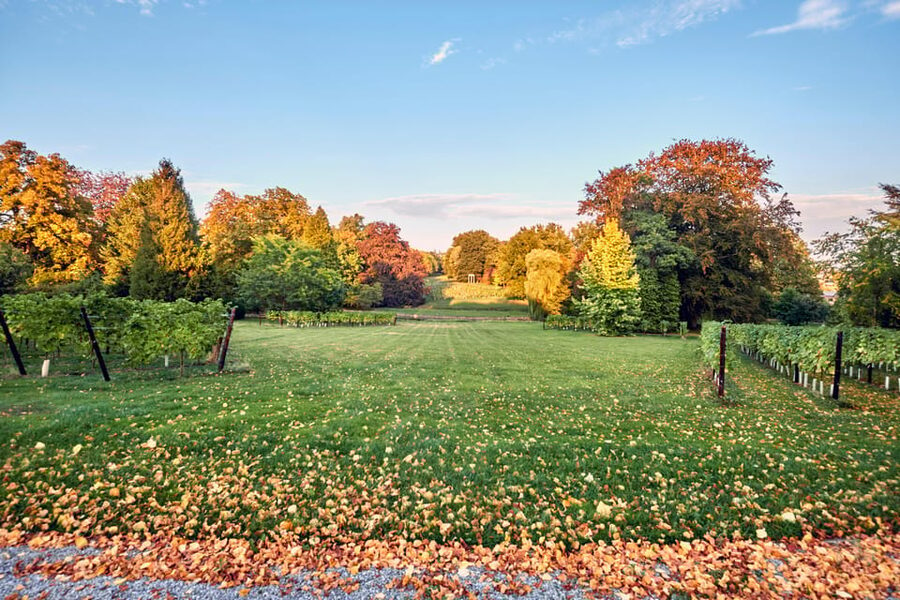
The activity is listed as valid for one day, with starting times depending on availability. You should check the available time before planning other stops around it, especially if you are building a full day near Dinant.
The host or greeter and the audio guide support French and English. That makes the experience accessible to many international visitors, though the information does not state whether every part is guided live or how much time is spent with the host. Use the audio guide as a useful aid, not as a promise of a private tour.
Transportation to and from Château de Bioul is not included. You need to arrange your own way to the property, so the $35 ticket should be judged alongside your transport costs. If you are already in the Dinant area, the visit is easier to fit into your plans. If you are making a special trip only for the château, check the route and available timing first.
Comfortable shoes are essential. You will be moving between indoor and outdoor areas, including the château, vineyards, winery, and park. Bring a camera, but remember that flash is not allowed inside. Smoking is not permitted.
The booking terms offer useful flexibility. You can reserve now and pay later, and cancellation is free up to 24 hours in advance for a full refund. That is handy when rain could affect your enjoyment of the outdoor parts, though you should still check the current forecast before setting out.
Who will enjoy Château de Bioul most
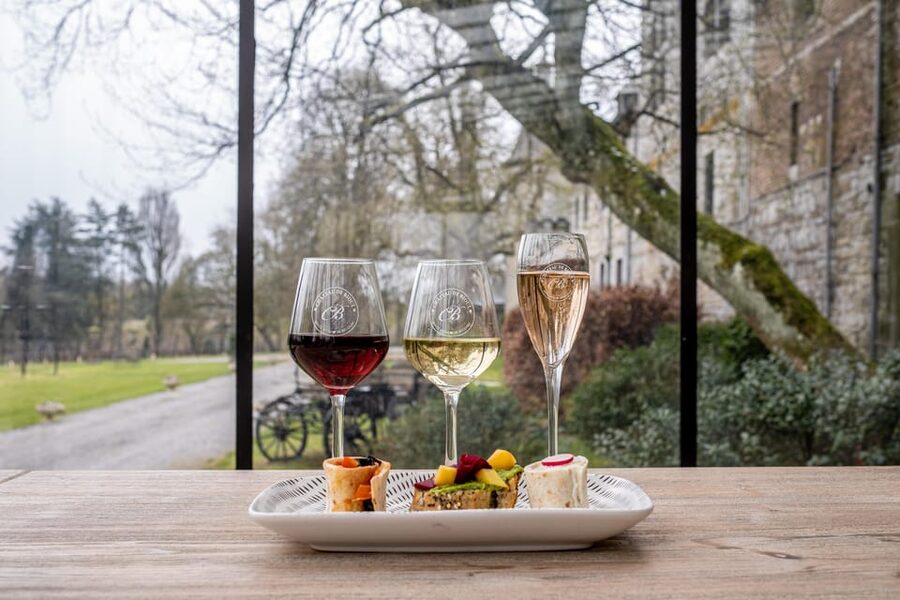
I would recommend this visit to you if you like historic homes with an active present-day purpose. It is a good choice for wine drinkers who want to understand where the bottle comes from, not just sample it.
Families interested in local history may also find plenty to discuss, especially in the material about Gobert de Bioul, the 1906 family succession, and the Le Bon Marché connection. The visit has enough variety to keep it from feeling like a single-subject museum.
It also suits couples and small groups looking for a quieter cultural stop near Dinant. The estate offers architecture, outdoor space, business history, and wine in one place. That range is the main reason the ticket has value.
I would hesitate if you have serious mobility limits, dislike walking, or want a substantial meal included. I would also choose another activity if your main goal is an advanced wine seminar with detailed information about grape varieties, production figures, or cellar techniques, since those details are not promised.
Should you book this Château de Bioul visit?
Book it if you want a well-rounded estate visit that connects Belgian family history with local wine. The strongest reasons to go are the long family connection, the varied château architecture, the centenary park, the vineyard and winery access, and the tasting that follows the production story.
Think twice if transportation is awkward, the weather is poor, or walking is a concern. For most visitors already touring Wallonia near Dinant, $35 is a reasonable price for several connected experiences rather than a brief tasting. Check the start time, wear sturdy shoes, and leave room in your schedule for the property to unfold at an unhurried pace.
FAQ
Where is Château de Bioul?
Château de Bioul is in Bioul, near Dinant, in Wallonia, Belgium.
How much does the Château de Bioul tour cost?
The listed price is $35 per person.
What does the visit include?
It includes the estate discovery tour, a wine tasting, access to the vineyards and winery, and access to the centenary park.
Are transportation and meals included?
No. Transportation to and from Château de Bioul and meals are not included.
What languages are available?
The host or greeter and the audio guide are available in French and English.
Is the visit suitable for wheelchair users?
No. The activity is not suitable for wheelchair users or people with mobility impairments.
What should I bring?
Bring comfortable walking shoes and a camera. Check the weather before visiting.
Can I cancel the booking?
Yes. You can cancel up to 24 hours in advance for a full refund. You can also reserve now and pay later.
Just added around the world
- Secrets of Buda Castle: Self-Guided Puzzle Adventure in Budapest★ 5.0 · 8 reviews
- Budapest Hike to Visegrád Castle w or wo Sauna/Danube beach★ 5.0 · 11 reviews
- Castle District tour with Matthias Church Ticket & Cake & Coffee★ 5.0 · 31 reviews
- Buda Castle’s Secrets with a Historian★ 5.0 · 108 reviews
- Buda Castle Tour: History and Architecture★ 5.0 · 33 reviews
- Buda Castle Quarter Walking Tour★ 5.0 · 16 reviews
- Buda Castle Walking Tour with Matthias church entry, Cake&Coffee★ 4.5 · 21 reviews
- BloodThirsty Hungary – Castle District★ 5.0 · 80 reviews
Wine Tours, compared.
Loire Valley Castles Day Trip from Paris with Complementary Wine
Read our review →
From Paris: Loire Valley Castles Day Trip With Wine Tasting
Read our review →
Medoc or Saint Emilion Wine Tasting and Chateau from Bordeaux
Read our review →
Small-Group Barolo Wine Tasting, Alba & UNESCO Piedmont Hills
Read our review →
From Siena: Chianti and Castles Tour with Wine Tastings
Read our review →
Loire Valley Wine and Castles Small-Group Day Trip from Paris
Read our review →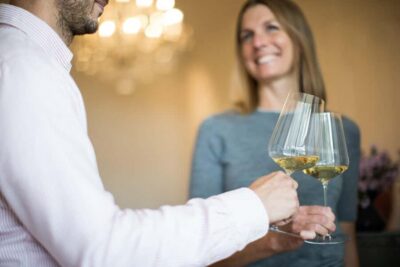
Alicante: Santa Bárbara Castle Wine Tasting & Tapas
Read our review →Browse the lists this tour appears in