
REVIEW · MASSAGE & RELAXATION
Ancient Corinth, acrocorinth castle and Thermal Spa Day
The best thing about this day trip is its range. In ten hours, you move from an 11th-century monastery to the Corinth Canal, climb through Acrocorinth castle, walk among the ruins where Saint Paul taught, and finish in warm thermal water at Loutraki. It gives you mythology, ancient history, sea views, local food, and a little time to rest.
I especially like the small group of no more than eight and the way the day joins major sights with a proper spa stop. Guides Pan and Costas are praised for being patient, gracious, and generous with historical detail. The main drawback is the pace: Acrocorinth involves walking, the day is long, and lunch, entrance fees, and the optional hydromassage cost extra.
Key points at a glance
- Acrocorinth gives you the day’s biggest view: The castle sits high above the plain and carries Greek, Roman, Byzantine, Venetian, Ottoman, and medieval connections.
- The thermal pools provide a warm finish: Loutraki water is listed at 32°C, or 89.6°F, with hydromassage available for €16 per hour.
- Saint Paul’s Corinth comes to life: At Ancient Corinth, you see the place linked with his teaching and the step from which he addressed the Corinthians.
- Daphni Monastery adds an older Byzantine chapter: The 11th-century monastery is a short first stop from Athens.
- The small van matters: With up to eight people, the day should feel more personal than a large coach outing.
- Budget for extras: Lunch is not included, and the archaeological site costs €4 at the reduced rate or €8 full price.
Why this day trip works from Athens
Corinth is one of the easiest ways to get a taste of the Peloponnese without arranging several nights away from Athens. The route crosses the narrow connection between mainland Greece and the peninsula, then brings you back to Athens after a full day of sightseeing and swimming.
The appeal is not just the number of stops. Each part gives you a different side of Greece. Daphni Monastery brings Byzantine religion into the picture. The Corinth Canal shows a major 19th-century engineering project. Acrocorinth connects myth, military power, and wide views. Ancient Corinth brings the classical and Roman periods into focus. Loutraki then changes the mood completely.
I like that contrast. You are not spending ten hours looking at one type of ruin. You get stone walls, sea and mountain views, archaeological remains, and a warm pool where you can let your feet recover.
The white van and small group are also important. A full day in a crowded coach can become tiring, especially when the route includes several stops. A group capped at eight gives the guide more room to answer questions and adjust the rhythm of the day. Pan is described as patient and approachable, while Costas is praised for making the history feel personal and connected to family heritage.
Still, this is not a lazy spa day with a little sightseeing attached. The route starts in Athens and runs for about ten hours. You will spend time in the van, walk at Acrocorinth, visit an exposed archaeological site, and then change for the thermal pools. Go in expecting a busy but varied day.
A few more castle tours around the world worth a look
- From Osaka: Himeji Castle, Arima Onsen & Mt. Rokko Day Tour
★ 4.6 · 339 reviews - CastelBrando: Relax at a Spa inside an ancient castle
★ 4.9 · 52 reviews - Bratislava/Slovakia: Trencin Castle, Piestany Spa, Monastery
★ 4.9 · 11 reviews
Daphni Monastery begins the morning
The first stop is Daphni Monastery, about 25 minutes from the Athens pickup. You have roughly 20 minutes here, so think of it as a focused introduction rather than a long monastery visit.
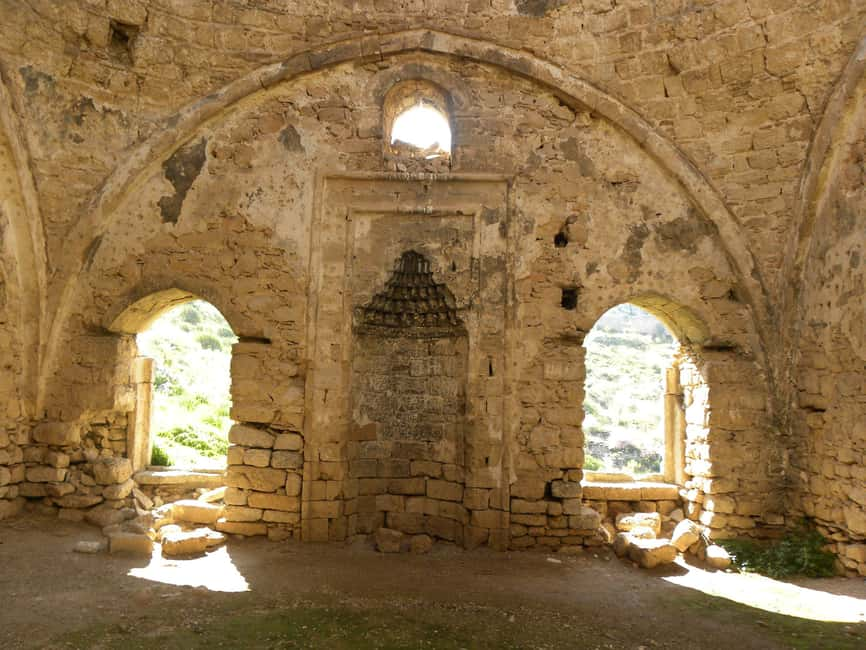
The monastery dates from the 11th century and gives the day an early Byzantine note. That matters because Corinth is often presented only through ancient Greek ruins. Daphni reminds you that Greek religious and imperial history continued for centuries after the classical period.
The short visit also helps break up the opening drive. You can get out, see the monastery, and begin the day with something quieter before heading toward the canal and the larger archaeological stops.
Because the time is limited, keep your expectations sensible. This is not the place to linger for a long reflective visit or an extended study of every feature. It is a compact stop that adds historical range to the route.
The Corinth Canal is a quick but worthwhile pause
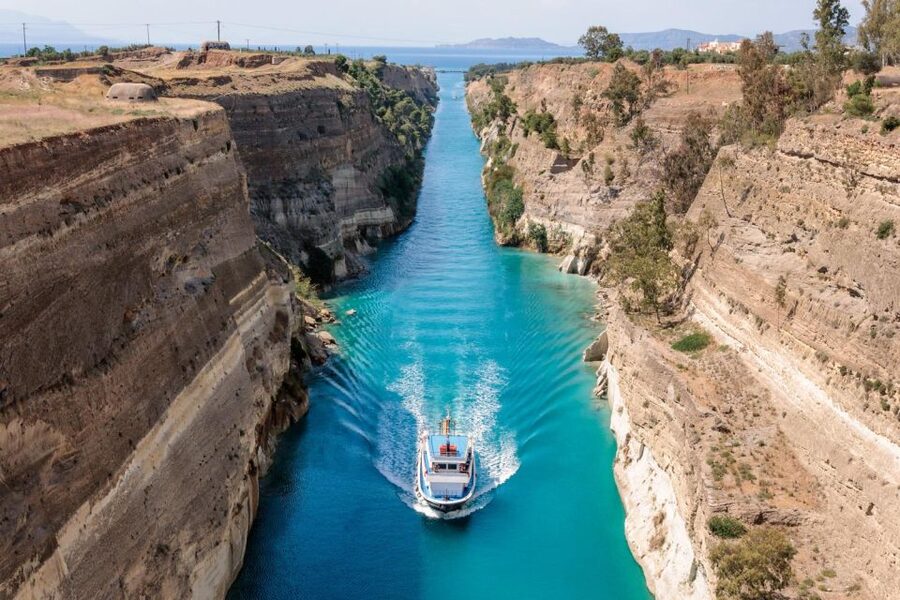
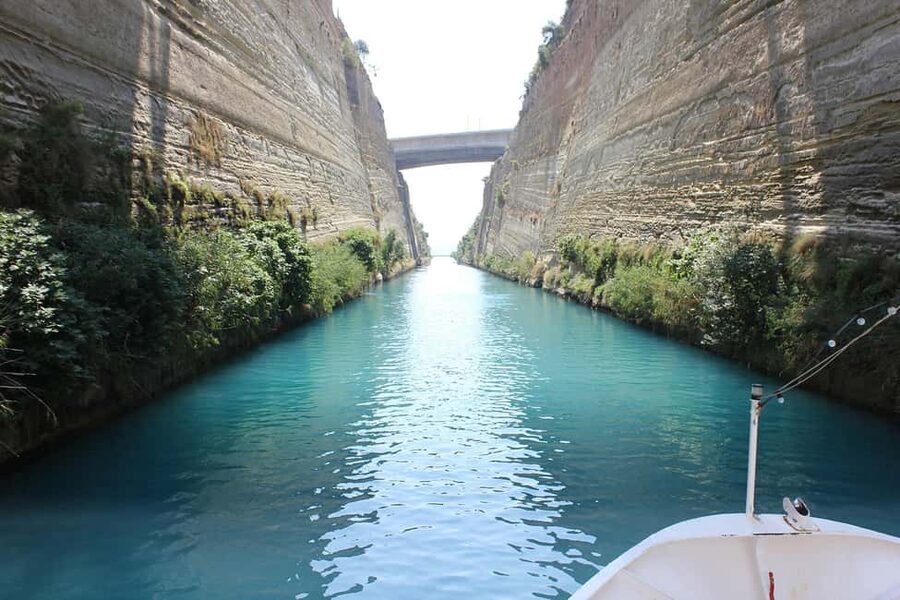
After about 40 minutes in the van, you reach the Corinth Canal for a 15-minute photo stop. The canal marks the entrance to the Peloponnese and provides one of the clearest visual moments of the day.
The project was completed in the 19th century and cuts through the narrow isthmus. From above, you can appreciate the straight channel and the steep sides. The stop is brief, but it gives you a useful sense of why Corinth has mattered for movement between mainland Greece and the Peloponnese.
I would treat this as a viewpoint, not a full canal visit. You are there to take photographs and understand the setting, not to board a boat or spend hours by the water. Keep your camera ready and make the most of the quarter hour.
The canal also creates a nice transition. You leave Athens behind and can see the geography that helped make Corinth such an important crossroads.
Acrocorinth brings mythology and military power together
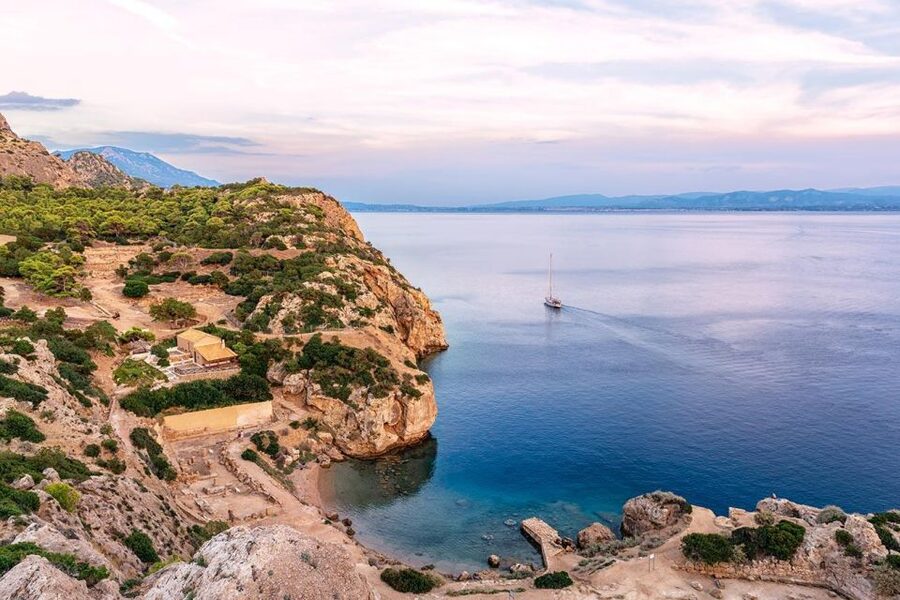
The next drive takes about 30 minutes, followed by around an hour at Acrocorinth. This is likely to be the most physically demanding part of the day, but it also offers the strongest combination of scenery and historical layers.
Acrocorinth is a castle complex built on high ground above Ancient Corinth. Its position explains its importance. From here, different powers could watch and control movement across the surrounding area. Greek, Roman, Byzantine, Venetian, Ottoman, and medieval forces all left their mark on the site.
The tour also connects Acrocorinth with mythology. Pegasus and Hercules belong to the stories associated with Corinth, while the castle’s later chapters bring in the Knights Templar and other ruling powers. That mixture is part of the fun. You are not looking at one clean historical period. You are seeing a place that was reused and reshaped over many centuries.
Wear shoes that you can walk in comfortably. The stop includes sightseeing and walking, and castle grounds are not the place for flimsy footwear. Bring water, although the tour provides water and lemonade. A hat and sun protection are also sensible choices for an exposed site, though those items are not supplied.
The main tradeoff is time. One hour gives you a strong look at the castle and its setting, but not enough for a slow exploration of every corner. If you want to study the fortifications in detail, you may wish for more time. For a one-day route from Athens, the visit gives you a useful sample without allowing Acrocorinth to swallow the entire schedule.
Same region, a different set of walls:
- Seville: Royal Alcázar Entry Ticket
★ 4.6 · 28,378 reviews - Granada: Alhambra & Nasrid Palaces Tour with Tickets
★ 4.7 · 19,801 reviews - Stonehenge, Windsor Castle, and Bath from London
★ 4.5 · 18,662 reviews - Bucharest: Dracula’s Castle, Peles Castle, & Brasov Old Town
★ 4.5 · 17,858 reviews
Ancient Corinth connects the ruins to Saint Paul
From Acrocorinth, you continue to Ancient Corinth. The visit and sightseeing portion lasts about an hour, with time for photographs. This is where the day’s religious, political, and classical threads come together.
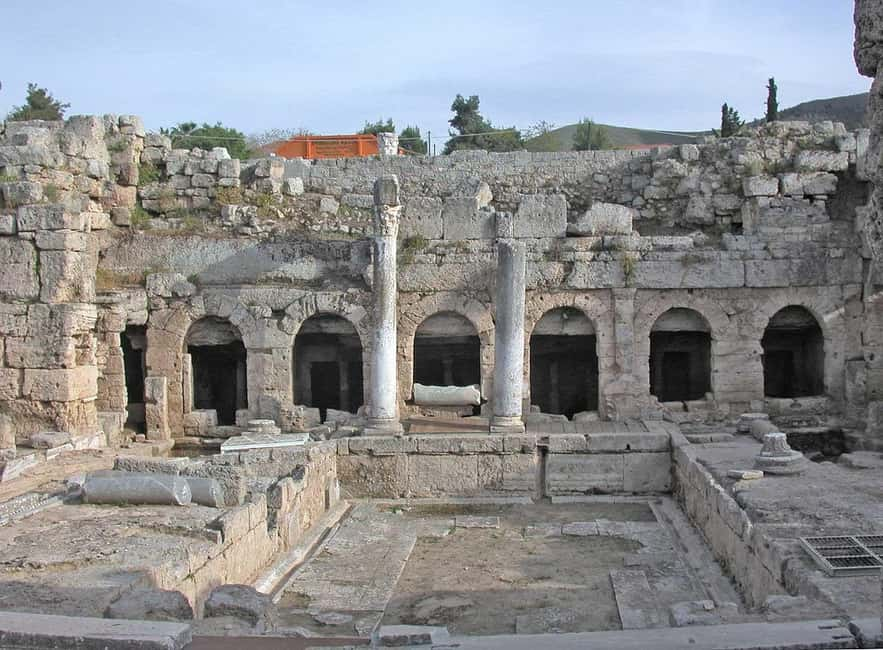
Ancient Corinth was regarded as one of the wealthiest cities in ancient Greece. Its location helped make it commercially important, and its later rulers added their own buildings and customs. The archaeological site lets you see the remains of a city shaped by many eras rather than a single golden age.
One of the most meaningful details here is the connection with Saint Paul. He lived and taught in Corinth, and you can see the step associated with his speech to the Corinthians. For many people, this gives the ruins a more direct human connection than columns alone can provide. You are not simply looking at an old marketplace or temple. You are standing in a place tied to one of the early Christian communities.
The Temple of Apollo is another major feature. The surviving columns and foundations help you picture the older Greek city, while the wider site shows how public and religious spaces worked together.
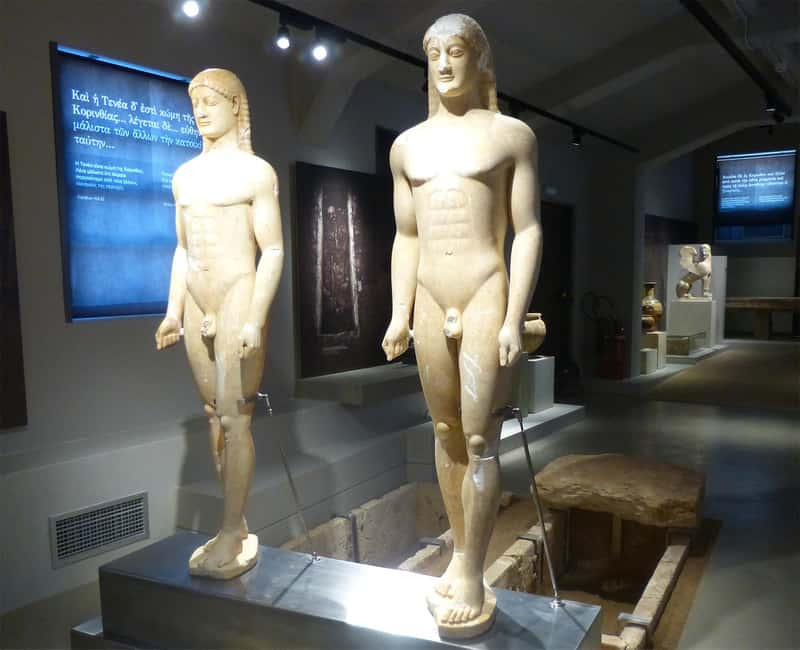
The archaeological museum is included in the planned visit to the site area and adds useful context. Museums are especially helpful at ruins because small objects, statues, and architectural fragments can explain what the stones cannot. The exact amount of museum time will depend on the day’s rhythm, so do not assume you can examine every display in depth.
The site entrance is not included. The stated price is €4 at the reduced rate or €8 at the full rate. Confirm which ticket applies to you when booking or before arrival, and keep a little cash or a payment method ready.
Lunch keeps the Corinth visit practical
Lunch follows the archaeological visit, directly outside the site area, and lasts about an hour. It is not included in the tour price, which gives you freedom to choose rather than locking you into a fixed meal.
That flexibility is useful. You can select a traditional local dish, keep the meal light before swimming, or spend less than you would on a set menu. On the other hand, you should include lunch in your budget. The €169 tour price covers the transport and guided day, but not your meal.
An hour is enough for a relaxed break if service is prompt. Since the afternoon includes two hours at the thermal spa, avoid turning lunch into a heavy stop if you plan to swim soon afterward. This is also a good moment to ask the guide about local food choices and use the pause to recharge.
Loutraki’s thermal pools change the pace
The final major stop is Loutraki Thermal Spa, where you have about two hours for swimming. The listed water temperature is 32°C, or 89.6°F, so the pool should feel warm without being described as extremely hot.
This is one of the strongest features of the trip because it gives your body a break after the walking at Acrocorinth and Ancient Corinth. Instead of ending the day with one more monument, you get time to sit in the water, relax, and enjoy the spa setting.
Hydromassage in the swimming pools is available for €16 for one hour. That charge is separate from the tour, so decide if you want it before you arrive. Towels are included, which makes packing easier, but you should bring flip-flops. Children under 15 are not allowed to swim at the thermal spa, and the activity is not suitable for children under 15.
Two hours is a useful amount of time. You can swim, use the hydromassage if you choose, and still have time to dry off before the return drive. If you are hoping for a full treatment menu or a long private spa session, the information provided does not promise that. This is best understood as thermal pool time, not a complete wellness program.
The stop also gives the day a pleasant shape. You see ancient stone in the morning and warm water in the afternoon. That balance is practical as well as enjoyable.
What the €169 price really covers
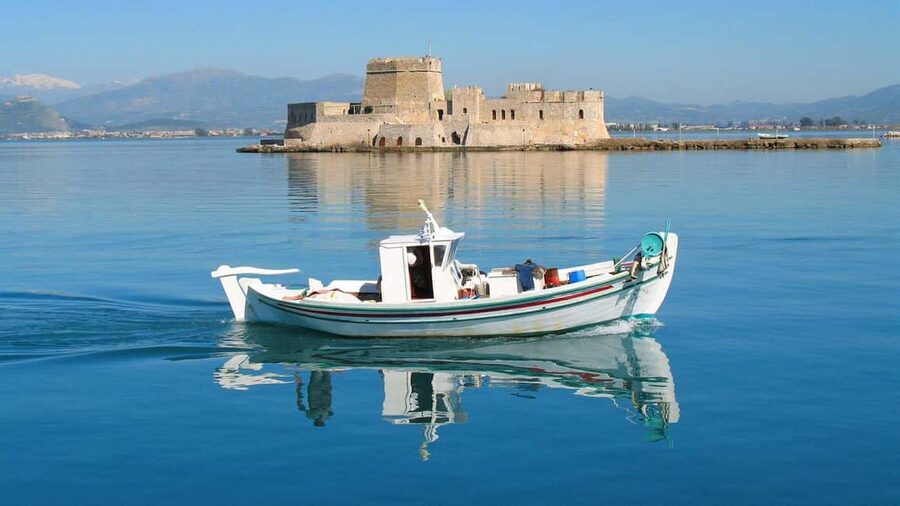
At $169 per person, this is not the cheapest way to reach Corinth. The value comes from the amount packed into one day and the small-group format.
You are paying for pickup in Athens, transportation in a white van, an English-speaking host or greeter, and a route that includes Daphni Monastery, the canal, Acrocorinth, Ancient Corinth, lunch time, and Loutraki. The van returns you to Athens after about an hour of driving from the spa.
You still need to pay for lunch, the Ancient Corinth ticket, and optional hydromassage. The extra costs are clear enough, but they mean the final total will be higher than the advertised tour price. Add those expenses before deciding if it fits your budget.
For me, the price makes the most sense if you want a guided day outside Athens but do not want to plan transport between several sites. It is also stronger value for people who appreciate a small group and a guide who can explain the links between myth, religion, and political history.
If your priority is the lowest possible cost, independent travel may be cheaper. If your priority is seeing several important places in one day without changing buses or working out the route yourself, the price is easier to justify.
Practical tips for making the day easier
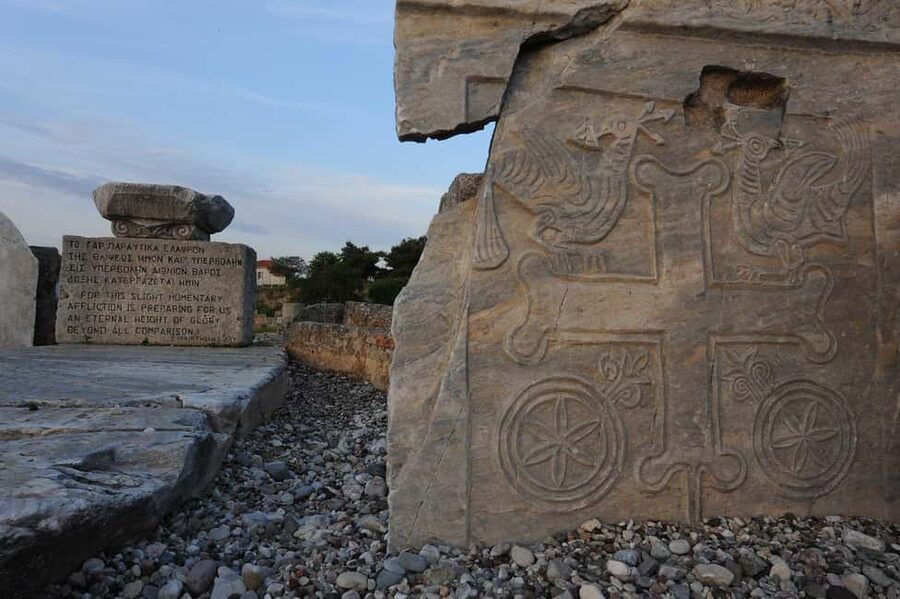
Wear walking shoes for Acrocorinth and Ancient Corinth. Flip-flops are specifically needed for the spa, but they are not a good choice for the castle visit.
Bring a passport or identity card. A copy is accepted, according to the tour information. You should also bring a swimsuit, although only flip-flops and identification are specifically listed among the required items.
The tour provides towels, water, and soda lemonade. Even so, bring sun protection and a hat if you are sensitive to strong sun. The archaeological and castle stops are outdoor visits, and the route includes walking.
Keep your schedule open for the full ten hours. The exact starting time depends on availability, and the return to Athens comes after roughly an hour from Loutraki. This is not a good choice if you need to be back in Athens at a tightly fixed time.
Free cancellation is available up to 24 hours in advance, and you can reserve now and pay later. Those terms are helpful if your Athens plans may change, but still check the final booking conditions for your selected date.
Who should book this Corinth day trip?
I would recommend it to you if you want a broad introduction to the Corinth area and like having history explained as you go. It suits adults and older teens who can manage a full day, outdoor walking, and a later swim.
It is especially good for people who want more than ancient ruins. The monastery, canal, castle, archaeological site, and thermal pools create a varied day, and the local lunch break gives you some freedom instead of a fixed all-inclusive schedule.
I would hesitate if you dislike long day trips, want to spend half a day at one archaeological site, or are traveling with children under 15 who hope to use the thermal pools. You should also choose another plan if you need every expense included upfront.
Should you book it?
Book this tour if you want an efficient, small-group escape from Athens with a strong mix of archaeology, mythology, engineering, religion, and relaxation. The best parts are the high views from Acrocorinth, the Saint Paul connection at Ancient Corinth, and the warm Loutraki pools at the end.
Skip it if you want a slow archaeological study or a fully inclusive price. The day moves quickly and requires extra payment for lunch, site admission, and hydromassage. For the right pace, though, it offers a memorable way to see the Peloponnese without giving up your Athens base.
FAQ
How long is the Ancient Corinth and thermal spa tour?
The tour lasts about 10 hours, including pickup in Athens, sightseeing, spa time, and the return journey.
Where does the tour start and finish?
Pickup is included from Athens, and the tour returns to Athens after the Loutraki thermal spa stop.
How large is the group?
The tour is limited to 8 participants and uses a white van.
Is lunch included?
No. Lunch follows the Ancient Corinth visit and is not included in the tour price.
How much does entry to Ancient Corinth cost?
The stated archaeological site price is €4 at the reduced rate or €8 at the full rate.
How much does the thermal spa hydromassage cost?
Hydromassage in the swimming pools costs €16 for one hour. This is not included in the tour price.
Can children use the thermal spa?
Children under 15 are not allowed to swim at the thermal spa, and the activity is not suitable for children under 15.
Just added around the world
- Secrets of Buda Castle: Self-Guided Puzzle Adventure in Budapest★ 5.0 · 8 reviews
- Budapest Hike to Visegrád Castle w or wo Sauna/Danube beach★ 5.0 · 11 reviews
- Castle District tour with Matthias Church Ticket & Cake & Coffee★ 5.0 · 31 reviews
- Buda Castle Quarter Walking Tour★ 5.0 · 16 reviews
- Buda Castle’s Secrets with a Historian★ 5.0 · 108 reviews
- Buda Castle Tour: History and Architecture★ 5.0 · 33 reviews
- Buda Castle Walking Tour with Matthias church entry, Cake&Coffee★ 4.5 · 21 reviews
- BloodThirsty Hungary – Castle District★ 5.0 · 80 reviews
Massage & Relaxation, compared.
Granada: Alhambra Guided Tour and Arabian Bath and Massage
Read our review →
CastelBrando: Relax at a Spa inside an ancient castle
Read our review →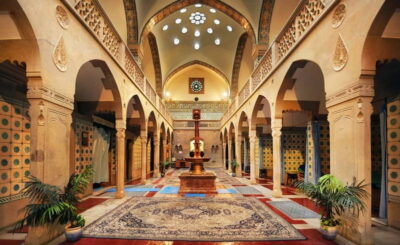
Bratislava/Slovakia: Trencin Castle, Piestany Spa, Monastery
Read our review →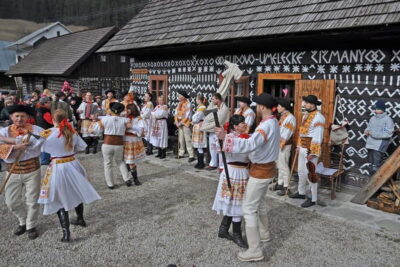
Bratislava (DayTrip): Bojnice Castle, Čičmany, Aphrodite Spa
Read our review →Browse the lists this tour appears in