
REVIEW · CORDOBA CASTLE TOURS
Cordoba: 2.5-Hour Guided Jewish Quarter and Alcazar Tour
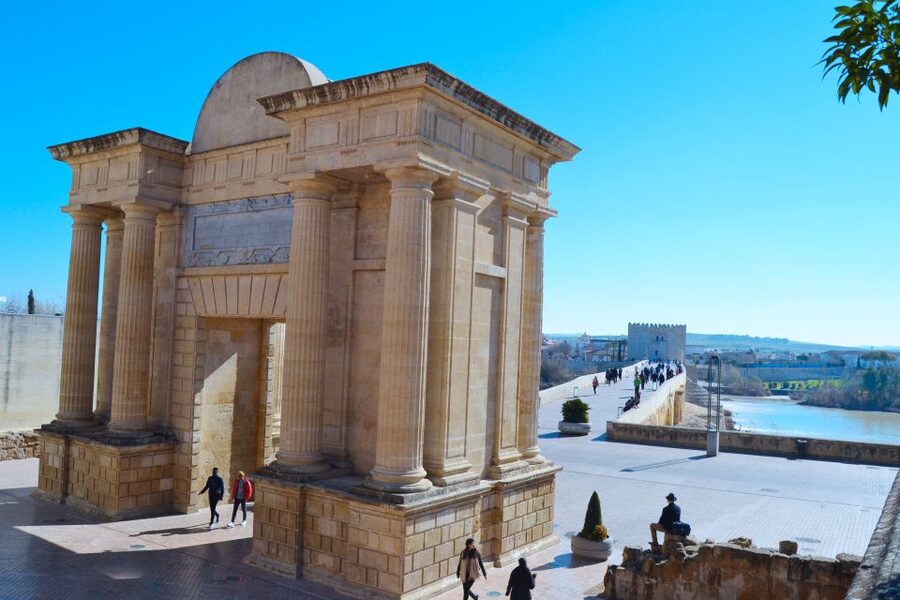
Cordoba’s past comes at you in layers on this walk: Islamic streets, Jewish monuments, a Mudejar chapel, and the palace complex of the Catholic Monarchs. The route begins near the Mezquita Cathedral and uses small, atmospheric places to explain how the city changed hands and faiths over the centuries.
I like the local guide format, especially for details that are easy to miss, such as the hidden story of San Bartolomé Chapel and the medieval synagogue’s survival. I also like the single-language guiding, since you are not waiting while the same explanation is repeated in English and Spanish.
The main caution is the Alcazar portion. Restoration work means you currently visit the gardens and Arab Baths, not the full palace interior or towers. Bad weather can also close the gardens, and one January guest found the tour shorter than the advertised 2.5 hours.
Key points to know before you book
- The route links three faith traditions: Islamic Cordoba, the Jewish Quarter, and the Christian monuments around the Alcazar.
- The medieval synagogue is a major stop: It is a rare surviving Jewish monument from the 14th century.
- The Alcazar visit is limited: Restoration allows access to the gardens and Arab Baths of the Caliphal Alcazar.
- Guides keep to one language: Tours are offered in English or Spanish rather than switching between both.
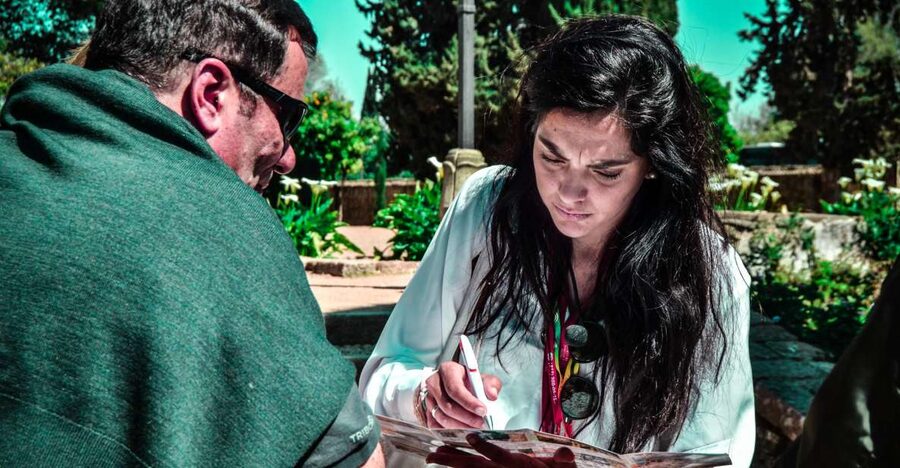
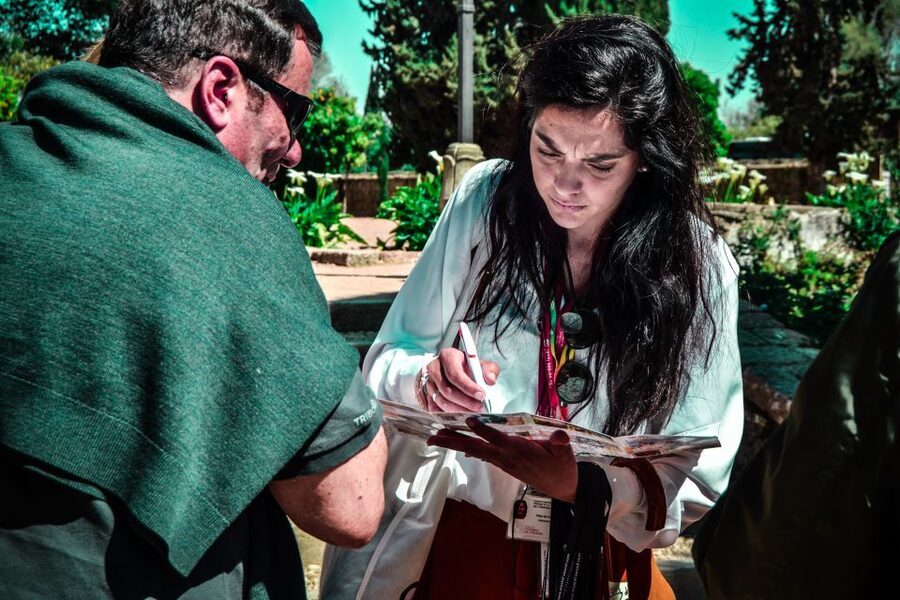
- Patricia and Raphael are named guides: Patricia is noted for making history work for adults and young people, while Raphael extended the Jewish Quarter visit when the Alcazar gardens closed.
- Expect stairs and walking: The tour is not suitable for people with mobility impairments, back problems, or those who need a stroller.
Starting at Puerta del Perdón near the Mezquita
Meet at Puerta del Perdón, beside the Mezquita Cathedral at Calle Cardenal Herrero, 1. Look for the orange umbrella. This is a useful meeting point in the heart of old Cordoba, but give yourself time to find it because the historic center is made up of narrow streets and busy pedestrian routes.
The tour then heads toward Calleja de la Hoguera, a slim Arabic-era lane. It is the sort of street that makes Cordoba’s old center feel different from a standard city sightseeing route. You are not starting with a broad avenue or a modern plaza. You are stepping into a tight passage shaped by the Islamic city.
Your guide sets the wider story here. Historians believe Cordoba had more than a thousand mosques in the 10th century. That figure helps explain why the old center contains so many traces of Islamic planning, even when later buildings cover or alter the earlier structures.
You should expect the opening part to be more about orientation than grand monuments. Look closely at the street pattern and listen for how the guide connects the surviving buildings to Cordoba’s medieval past. A good guide makes this beginning useful because you start to read the old city instead of simply moving through it.
More Guided Tours in Cordoba:
- Cordoba: Alcazar Guided Tour and Skip-the-Line Ticket
★ 4.2 · 1,792 reviews - Cordoba: Alcazar of Christian Monarchs 1–Hour Guided Tour
★ 4.3 · 583 reviews - Córdoba Guided Tour of the Mosque, Jewish Quarter & Alcazar
★ 4.5 · 495 reviews
Plaza Cardenal Salazar and the story of Algafequi
The route continues to Plaza Cardenal Salazar, where you see a statue of Algafequi. He was a 12th-century doctor associated with eye surgery, described here as the first doctor to operate on eyes in Europe.
That detail gives the square a human focus. Cordoba’s story is not only about rulers, armies, and religious buildings. It also includes medicine, education, and the exchange of ideas. Ask your guide to explain more if this subject interests you, since the tour is built around short stories attached to particular streets and buildings.
The square also contains an old 18th-century hospital that now serves as a university. This is one of the route’s useful contrasts. A building can change purpose while keeping its place in the city’s story. You see how Cordoba’s old quarter remains part of daily life rather than existing only as a preserved monument zone.
The guide’s role matters here. Patricia, one of the named guides, is praised for explaining history in a way that works for both adults and young people, using anecdotes as well as dates. That style suits this stop, where a short explanation can make an otherwise easy-to-overlook statue and building worth your attention.
San Bartolomé Chapel and its layered identity
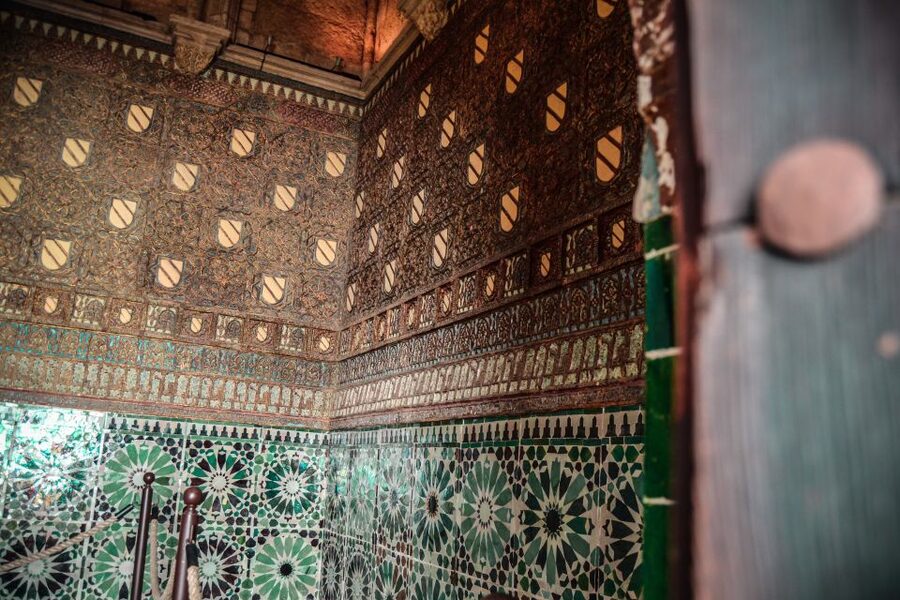
Next comes the Capilla Mudejar de San Bartolomé, a Christian chapel built in an Arabesque style by a Jewish convert. Its design and story show how the cultures of medieval Cordoba did not always fit into neat categories.
This is a particularly good stop for anyone who wants more than a procession of famous names. The chapel carries Islamic visual influence, Christian purpose, and Jewish personal history. Your guide explains the less obvious parts of the building and points out its hidden story.
The supplied details do not promise entry into every area of the chapel, so treat this as a guided exterior or monument stop unless your guide confirms otherwise. The value is in the context. Without an explanation, you might simply see an attractive old chapel. With one, you can better understand why its style and origins are unusual.
The walk includes stairs, and the old quarter has uneven passages. Wear comfortable shoes, as requested for this activity. This is not a gentle, flat stroll designed for limited mobility. People with back problems or mobility impairments are specifically advised not to book, and baby strollers must be left at the entrance.
The souk and Cordoba’s living craft tradition
From San Bartolomé, the route moves to the souk, a craft market selling local Cordoba products. This gives the tour a change of pace after the chapels, statues, and historical explanations.
The souk matters because it connects the old quarter’s past with present-day making and trade. You have time to see the craft work and local products rather than simply passing a market from the outside. If you want souvenirs, this is a natural point to note what is available, though food is not included in the tour.
Do not expect a long shopping session. The activity remains a guided history walk, and the souk is one stop within a 2.5-hour route. Still, it adds a practical, local layer to the visit. You see that the Jewish Quarter is not only a museum backdrop, but also a place where crafts and commerce continue.
Group size can shape this part of the experience. One August booking had only five people, which made the activity feel more personal. The tour does not promise a fixed group size, so you should not book it expecting a private outing. A smaller group can make it easier to hear the guide and ask questions, while a larger group may feel less intimate.
A few more castle tours around Cordoba worth a look
- Córdoba: Jewish Quarter, Mosque, and Alcázar Tour
★ 4.6 · 5,143 reviews - Córdoba: Mosque-Cathedral, Jewish Quarter and Alcázar Tour
★ 4.6 · 1,719 reviews - Mosque-Cathedral, Alcazar & Jewish Quarter with Tickets
★ 4.5 · 793 reviews - Córdoba: Mosque-Cathedral and Alcazar Tour
★ 4.5 · 637 reviews
The medieval synagogue, the route’s essential stop
The synagogue is one of the strongest reasons to choose this particular walking tour. Built in the 14th century, it is one of the few Jewish monuments in Cordoba to survive the city’s difficult history.
The building is medieval, compact, and easy to miss if you do not know where to look. Its importance comes not from size, but from survival. Your guide provides the background needed to understand what you are seeing and places the synagogue within the story of Cordoba’s Jewish community.
This stop also keeps the tour from becoming a simple Islamic-to-Christian narrative. The Jewish Quarter gets proper attention, and the route shows how Jewish life formed one of the city’s central historic layers. For many visitors, this is the point where the walk’s themes come together.
Entrance fees are included, so you do not need to buy a separate ticket for the listed stops. The tour also offers skip-the-ticket-line access. That can be useful in Cordoba, where a short visit can lose time to queues, though skip-the-line access does not remove the need to meet the guide at the correct place and time.
Reaching the Alcazar under restoration
The tour ends at the Alcazar of the Catholic Monarchs, but the visit is currently not the full Alcazar experience described by older guidebooks. Restoration work has limited access to the complex.
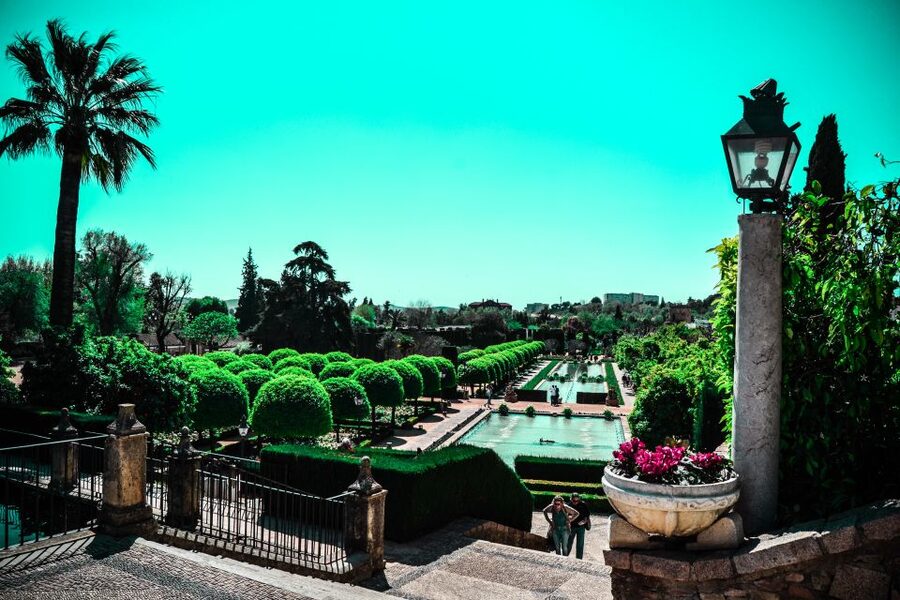
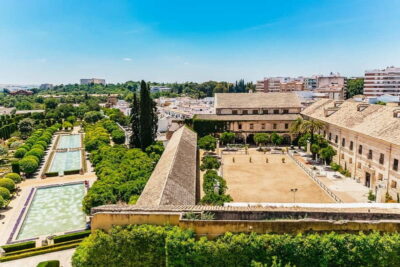
At present, the open areas are the Alcazar Gardens and the Arab Baths of the Caliphal Alcazar. Both belong to the same monumental complex. The palace buildings are not available for the usual guided visit, and the towers are not included.
This change is the most important booking detail. If your main goal is to explore the palace rooms or climb the towers, this is not the right time to choose this activity. If you are happy to see the gardens and Arab Baths while learning about the Catholic Monarchs and the site’s role in Cordoba, the final section can still round out the walk.
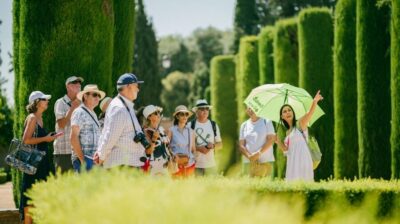
The gardens provide a visual change after the tight streets of the Jewish Quarter. The Arab Baths add an older Islamic layer to the same complex. Together, these open areas help show how the site changed over time, even without access to the full palace.
Weather can affect this ending. On one occasion, the Alcazar gardens closed because of bad weather, and the guide, Raphael, extended the Jewish Quarter portion instead. That is a sensible adjustment, but it changes the experience. You should be prepared for a substituted route if the gardens are closed.
What the 2.5-hour timing really means
The advertised duration is 2.5 hours, with starting times available according to the date you select. That is enough time for a focused introduction to several monuments, but not enough for long independent visits at every stop.
The route works best if you want a guided overview. You move from site to site while the guide supplies the connections. You are not spending an hour at the synagogue, another hour at the chapel, and a separate extended visit to the Alcazar.
One January booking found that the tour lasted less than the stated time. That may have been a one-off, but it is worth keeping in mind if you have a tight schedule afterward. I would leave a little space before your next reservation rather than planning to finish exactly on the 2.5-hour mark.
The guide language is either English or Spanish. The tour is described as monolingual, so you should get the explanation in one selected language rather than a repeated bilingual presentation. That generally makes better use of the time and helps the walk feel more natural.
Is $34 good value?
At $34 per person, the tour offers a reasonable package if you want an organized introduction to the Jewish Quarter, included entrance fees, a live guide, and skip-the-line access. You are paying for the explanations as much as for the buildings.
The value is strongest when you want help making sense of Cordoba’s overlapping histories. A self-guided walk can show you the synagogue, souk, chapel, and old streets, but it may not make the connections between them obvious. This tour supplies that framework in a compact format.
The value is weaker if you mainly want a full Alcazar visit. Restoration currently removes the palace interiors and towers from the experience, so compare the price with your priorities before booking. You may find the walk worthwhile for the Jewish Quarter alone, but do not pay expecting the complete palace tour shown in older descriptions.
Food and hotel pickup are not included. You meet the group at the Mezquita area and make your own way there. Free cancellation is available up to 24 hours in advance, and you can reserve now and pay later, which helps if your Cordoba plans are still shifting.
Who should book this Cordoba walking tour?
I would choose this tour if you have a short stay in Cordoba and want the old quarter explained by a local guide rather than visited as a list of monuments. It suits first-time visitors, history fans, and families who benefit from stories and anecdotes instead of a long lecture.
It is also a good match if you want to cover several themes in one outing: Islamic Cordoba, the Jewish community, Christian chapels, local crafts, and the Catholic Monarchs. Patricia’s approach, linking history with anecdotes for adults and younger visitors, sounds especially useful for mixed-age groups.
I would think twice if you have limited mobility, back problems, or a stroller. There are many stairs, baby strollers must be left at the entrance, and the tour does not include the towers.
Should you book it?
Book it if you want a compact, guided walk through Cordoba’s Jewish Quarter and you are comfortable treating the Alcazar as a partial visit. The synagogue, San Bartolomé Chapel, souk, and narrow Arabic-era streets give the tour plenty of substance, while the single-language format keeps the explanations moving.
Skip it if the palace interiors and towers are your main reason for going. Restoration and weather can reduce the Alcazar portion, and the total walk may finish earlier than expected. At $34, it is a fair buy for the guided old-quarter history, but only if you understand exactly which parts of the Alcazar are currently open.
FAQ
Where does the tour meet?
Meet at Puerta del Perdón beside the Mezquita Cathedral, at Calle Cardenal Herrero, 1. Look for the orange umbrella.
How long does the tour last?
The stated duration is 2.5 hours. One booking reported that the tour finished earlier than the advertised duration, so leave some extra time before your next plan.
What languages are available?
The live guide is available in English or Spanish. The tour is monolingual, so the guide does not switch between languages during the explanation.
Does the price include entrance fees?
Yes. Entrance fees and the guided tour are included.
Is hotel pickup included?
No. Hotel pickup is not included. You must make your own way to the meeting point near the Mezquita Cathedral.
What can I visit at the Alcazar during restoration?
The current visit includes the Alcazar Gardens and the Arab Baths of the Caliphal Alcazar. The usual full access to the monument is not available during the restoration work.
Are the Alcazar towers included?
No. The towers are not included in this tour.
Is the tour suitable for people with limited mobility?
No. The tour is not recommended for people with mobility impairments or back problems because there are many stairs.
What should I bring?
Bring comfortable shoes. Baby strollers must be left at the entrance.
Just added around Cordoba
- Córdoba: Mosque and Alcazar Private Tour with tickets★ 5.0 · 5 reviews
- Guided visit to the Mosque of Cordoba and Alcazar of Cordoba★ 4.5 · 15 reviews
- Cordoba: Alcazar of The Christian Monarchs Tickets and Tour★ 3.9 · 94 reviews
- Córdoba: Alcázar and Jewish Quarter 2-Hour Guided Tour★ 4.2 · 50 reviews
- Cordóba: Gardens & Fortress of Catholic Monarchs Guided Tour★ 4.3 · 336 reviews
- Córdoba: Mosque, Jewish Quarter and Alcázar 3-Hour Tour★ 4.7 · 377 reviews
- Alcazar of Cordoba Entry Ticket and Guided Tour★ 4.3 · 372 reviews
- Córdoba: Mosque-Cathedral & Alcazar Guided Tour★ 4.6 · 383 reviews
Cordoba Castle Tours, compared.
Córdoba: Jewish Quarter, Mosque, and Alcázar Tour
Read our review →
Cordoba: Alcazar Guided Tour and Skip-the-Line Ticket
Read our review →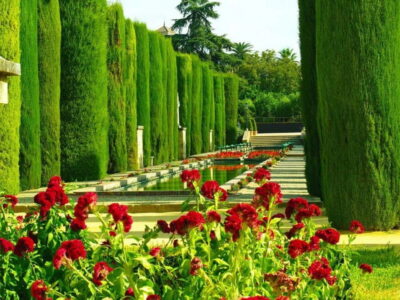
Córdoba: Mosque-Cathedral, Jewish Quarter and Alcázar Tour
Read our review →
Mosque-Cathedral, Alcazar & Jewish Quarter with Tickets
Read our review →
Cordoba: Alcazar of Christian Monarchs 1–Hour Guided Tour
Read our review →
Córdoba Guided Tour of the Mosque, Jewish Quarter & Alcazar
Read our review →
Browse the lists this tour appears in