
REVIEW · FRANCE CASTLE TOURS
Château Balestard La Tonnelle : The “Origins” tour
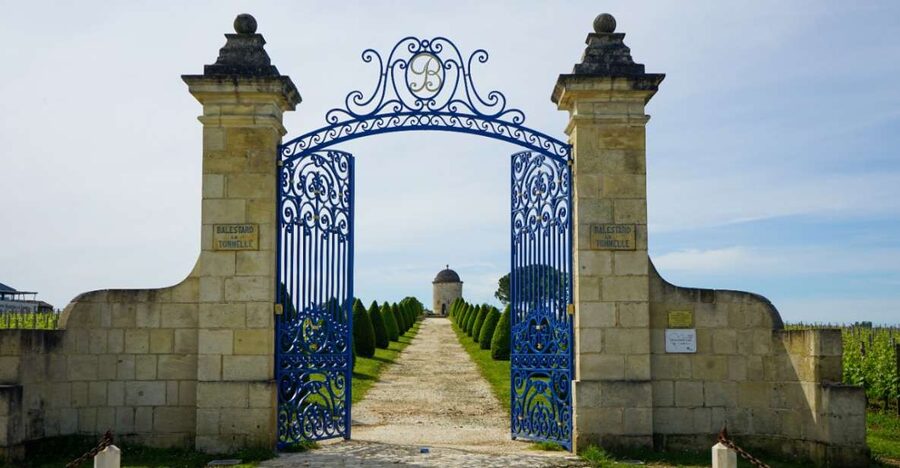
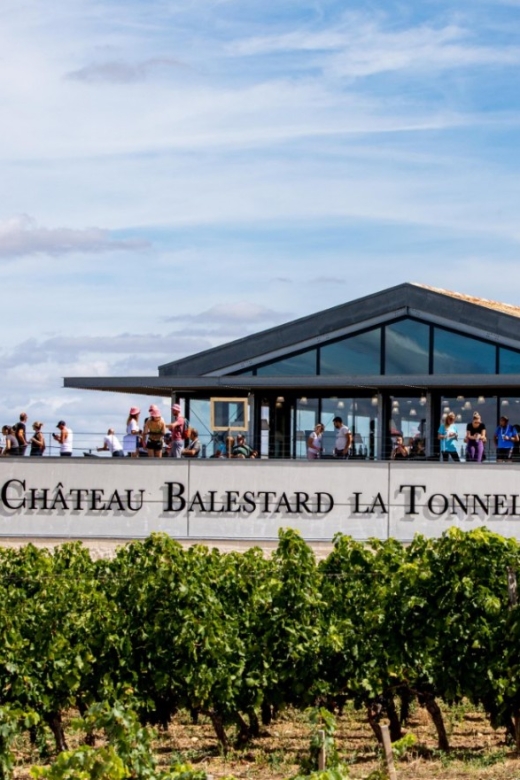
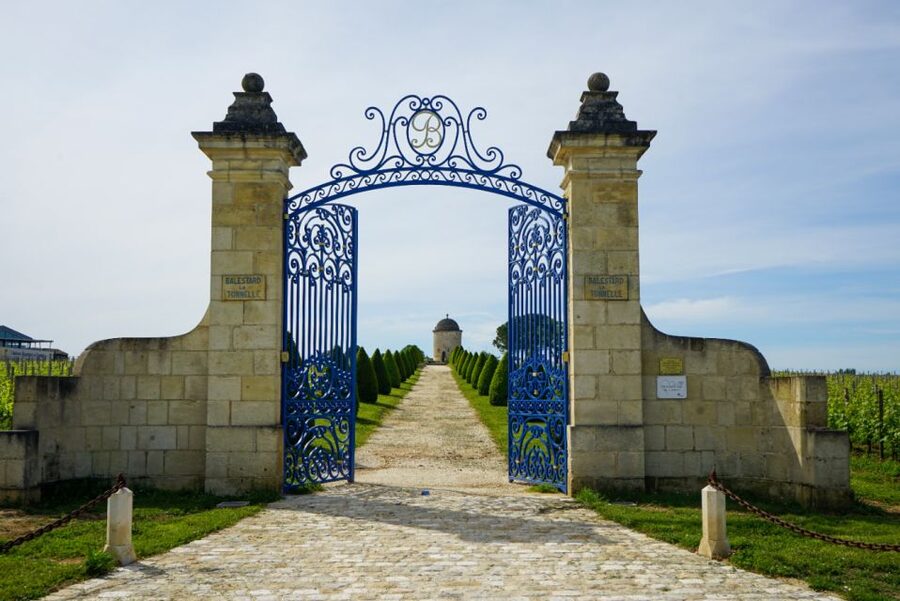
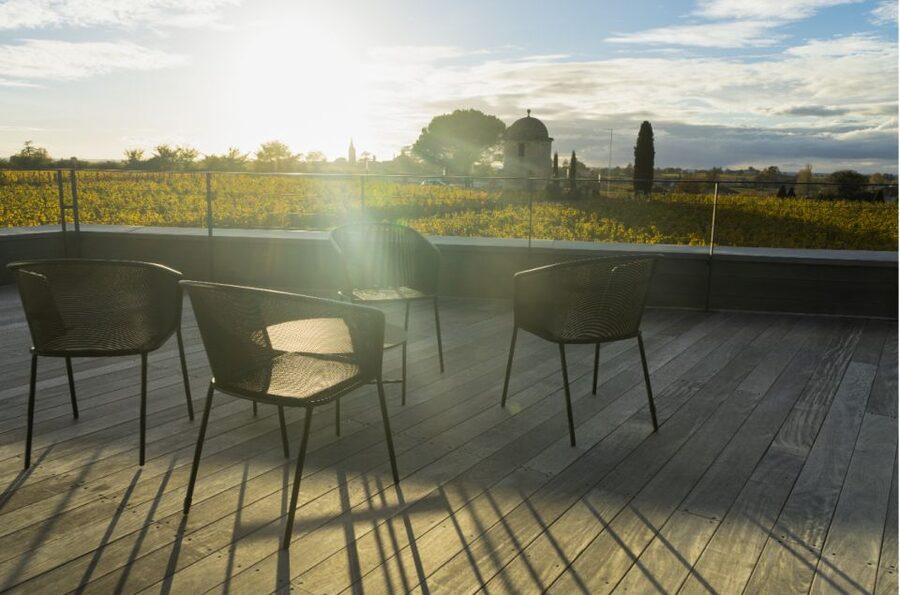
The most striking part of Château Balestard La Tonnelle is the mix of old and new. A 15th-century watchtower shares the property with a sleek, architect-designed bioclimatic cellar from 2019, while the 400-square-meter terrace opens to broad views of Saint-Emilion and its surrounding appellations.
I like the small groups of up to eight, which should give you room to ask questions, and I like the clear one-hour format. You see the vineyard, vat room, and barrel cellar, then taste three wines, including a Grand Cru Classé. The main drawback is the short visit: it gives you a useful introduction, but not a long, slow look at every part of the estate.
Arrive at the watchtower with a few minutes to spare, then follow the path to the shop. The tour begins there, and arriving at least five minutes early matters because a delay of more than 20 minutes can lead to cancellation.
Key points to know before booking
- A 1647 family connection: The estate presents a long-running Saint-Emilion winemaking family story.
- Old stone beside modern design: The 15th-century watchtower and 2019 cellar make the visit more than a standard tasting.
- Three wines at the end: The tasting includes a Grand Cru Classé and takes place on the panoramic terrace.
- A useful view of Saint-Emilion: The 400-square-meter terrace gives you a 360-degree outlook over the village and nearby appellations.
- A compact one-hour visit: The schedule works well before lunch, dinner, or another Saint-Emilion stop.
- English and French tours: Small groups are limited to eight people, and the property is wheelchair accessible.
A Saint-Emilion estate with centuries behind it
Château Balestard La Tonnelle traces its winemaking family in Saint-Emilion back to 1647. That date gives the visit a sense of continuity, but the property does not rely only on old stones and family names.
The estate pairs its historic watchtower with a 2019 bioclimatic cellar designed by an architect. That contrast gives you a better picture of modern Bordeaux wine than a tour focused only on tradition. You can see how a historic estate adapts its working spaces while keeping its older character visible.
The setting on the limestone plateau of Saint-Emilion also matters. Limestone is one of the defining elements of this wine area, and the tour places the vineyard and its soil at the start of the wine-making story. You are not simply taken straight to a tasting room and handed a glass. The visit connects the vineyard, production rooms, aging cellar, and final wine.
I find that approach useful because it gives the tasting some context. A red wine tastes more interesting when you know where the grapes grow, how they are handled, and where the wine spends time before bottling.
A few more castle tours around France worth a look
- Loire Valley Castles Day Trip from Paris with Complementary Wine
★ 4.5 · 3,907 reviews - Carcassonne: Castle and Ramparts Entry Ticket
★ 4.6 · 2,884 reviews - Chambord: Entry Ticket to the Castle
★ 4.6 · 1,841 reviews
Finding the shop from the watchtower
The meeting point is slightly more specific than simply arriving at the château. Park by the watchtower, then follow the path to the shop. The instructions are simple, but you should not wait until the last minute to work out where the tour starts.
Plan to arrive about five minutes before your booked time. The visit lasts only one hour, and a delay longer than 20 minutes may result in cancellation. That is especially important if you are fitting this stop between other appointments in the Saint-Emilion area.
Free parking is available at the property, which makes this a practical choice if you are driving between wine estates. No transport from Saint-Emilion is included, so you need to make your own way there.
The property is wheelchair accessible. Since the experience includes a vineyard, cellar, and terrace, you may still want to confirm any particular mobility needs when booking, but the activity is listed as accessible.
The vineyard and limestone plateau
The tour begins with the estate and its place on the Saint-Emilion limestone plateau. This is an important first step because the character of a wine begins long before the grapes reach the vat room.
You will learn how the vineyard fits into the production of the wine you later taste. The available details do not specify the exact walking route or the amount of time spent outdoors, so do not expect a lengthy vineyard hike. Think of this as an introduction to the ground beneath the vines and the estate’s setting.
I like this part of the route because it keeps the visit tied to the place. Saint-Emilion is not just a name on a bottle. The plateau, the village, and the surrounding appellations create the visual and agricultural setting for the wines.
The experience should suit you if you want basic wine-making context without committing to a half-day program. If you already know Bordeaux production in detail, this section may feel brief. For a first visit to Saint-Emilion, though, it gives you a useful foundation.
The 2019 bioclimatic cellar
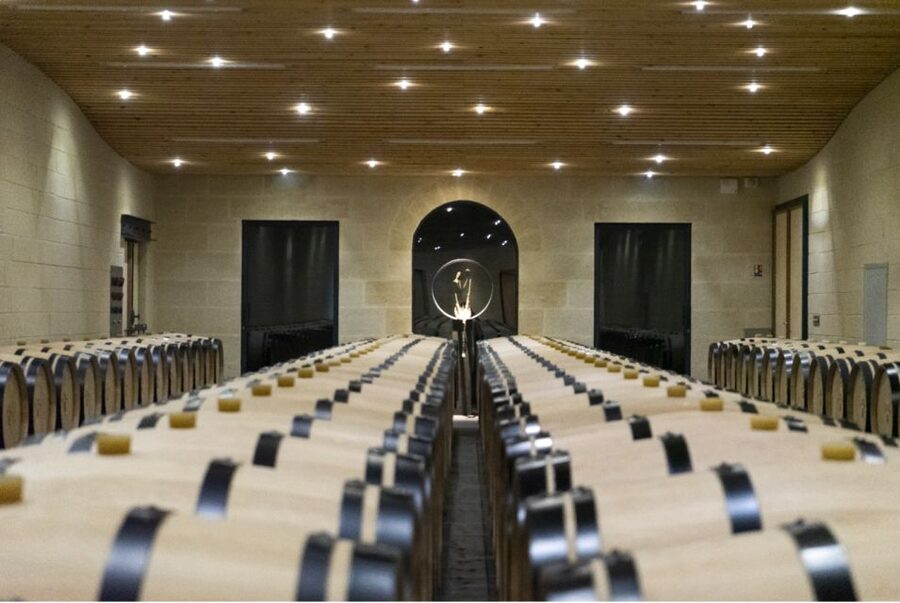
The modern cellar is one of the estate’s most distinctive features. Designed by an architect and dating to 2019, it brings a current approach to a property with centuries of family history.
The term bioclimatic points to a building designed with its environmental conditions in mind. The information provided does not give technical details about its energy systems or construction methods, so I would not expect a full architectural lecture. Still, seeing the building as part of the wine tour helps explain how the estate works today.
This is also where the old and new pairing becomes easy to understand. The watchtower gives you a visible link to the past, while the cellar shows that wine production is an active, modern business. You get a more rounded visit than you would from a tour that presents the château as a frozen historical display.
If you enjoy architecture, the cellar may be a highlight in its own right. If your main interest is tasting, it still adds useful background without taking the whole visit away from the wine.
Same region, a different set of walls:
- From Paris: Loire Valley Castles Day Trip With Wine Tasting
★ 4.6 · 1,727 reviews - Chenonceau Castle Admission Ticket
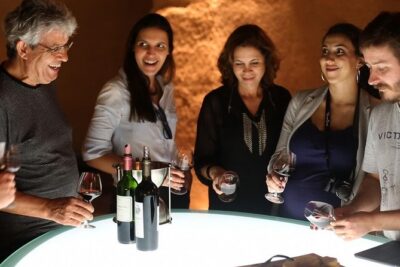
★ 4.7 · 1,515 reviews - Medoc or Saint Emilion Wine Tasting and Chateau from Bordeaux
★ 5.0 · 1,415 reviews - From Paris: Full-Day Loire Valley Chateaux Tour
★ 4.4 · 1,269 reviews
From vat room to barrel cellar
The vat room shows the next stage in the process. Here, your guide explains how grapes become wine and how the work moves from the vineyard into controlled production.
The tour then continues to the barrel cellar, where you learn about the aging side of wine-making. Together, these stops make the visit practical. You are following the wine from its roots to the glass, rather than hearing only general comments about the estate.
The exact equipment, barrel types, and aging periods are not specified, so the depth of the technical explanation may depend on the guide and the questions in your group. That is where the small-group limit helps. With no more than eight people, you have a better chance to ask about the parts of production that interest you.
The guide language is French or English. One specifically praised guide, Audre, was also described as speaking Spanish during a visit. If Spanish is important to you, ask ahead rather than assuming it is always available, since the official languages listed for the activity are French and English.
Past comments about the tour point to careful explanations, good English, and very clean, well-kept rooms. That fits the kind of experience promised here: orderly, friendly, and focused on making the process understandable.
Three wines on a 360-degree terrace
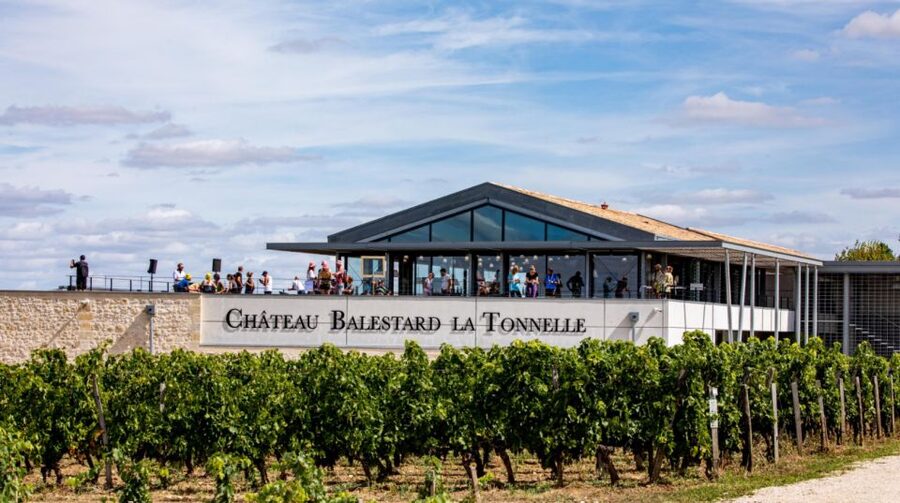
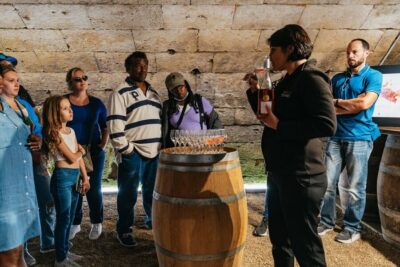
The tasting comes at the end, after you have seen the vineyard and production areas. You taste three red wines, including a Grand Cru Classé, on the panoramic terrace.
The location changes the mood. Instead of ending in an enclosed shop, you sit or stand with a 360-degree view of Saint-Emilion and nearby appellations. The terrace is a major part of the value, especially on a clear day when the setting gives you a visual link to the region you have just been discussing.
The tasting includes the property’s wines, but the supplied details do not name the three labels or explain the exact tasting order. You should expect an introduction to each wine, though the amount of detail can vary with the guide and group questions.
The Grand Cru Classé inclusion is significant at a $23 price point. Saint-Emilion wines can become expensive quickly, and a tasting that includes a classified wine gives you a chance to try a higher-level bottle without paying for a full bottle or a longer private appointment.
Still, keep your expectations sensible. Three pours in an hour are an introduction, not a full wine course. You will not have unlimited time to compare vintages, ask about every blend, or linger over a long food pairing. Food and other drinks are not included, so plan to eat before or after the visit.
The tasting is also not paired with a meal. That can be a drawback if you want a full culinary experience, but it keeps the price down and makes the stop easy to add to a day of sightseeing.
Why the $23 price makes sense
At $23 per person, the experience offers more than a basic tasting. Your fee covers a guided one-hour visit, access to the estate’s production areas, three wines, the terrace tasting, and the property shop. Parking is free as well.
The best value comes from the combination of content and setting. You see a historic watchtower, a modern cellar, the vineyard setting, the vat room, and barrel cellar, then finish with a Grand Cru Classé. For someone visiting Saint-Emilion for the first time, that is a good amount to cover in a single hour.
The price is less compelling if you want a long, private tasting or detailed technical instruction. The group can include up to eight people, so it is intimate but not necessarily one-on-one. The short duration also means the guide needs to keep things moving.
I would treat this as a well-shaped introduction rather than the main wine event of an entire day. It works especially well as one stop among several, or as a first estate visit that helps you understand what to look for elsewhere.
The small-group format and guide style
A group cap of eight is a useful middle ground. You avoid the feel of a large bus group, but the tour remains affordable and scheduled rather than fully private.
The comments provided about the experience repeatedly point toward strong guiding. English was spoken very well, explanations were described as interesting and clear, and Audre was specifically praised for being kind and courteous. One Spanish-speaking visitor found the tour especially enjoyable with Audre and noted the château’s history and beauty.
Those details matter because wine tours can become dull when the guide simply lists dates and production facts. Here, the strongest points appear to be the human side of the visit and the ability to explain the process clearly.
The official language choices are French and English. If you need another language, contact the property before booking. Do not count on Spanish simply because one guide has used it during a past visit.
Who should book this visit
I would recommend Château Balestard La Tonnelle to you if you want:
- A short introduction to Saint-Emilion wine production
- A tasting that includes a Grand Cru Classé
- A historic property with a modern architectural element
- A small group rather than a large organized crowd
- A scenic terrace with views toward Saint-Emilion
- A visit that works around other plans
- A property with free parking and wheelchair access
Families, couples, and small groups of friends should find the one-hour length easy to manage. It also suits you if not everyone in your group is a serious wine expert. The tour explains the basic path from vineyard to bottle without making the whole experience depend on advanced knowledge.
You may want something else if you are looking for food pairings, a full meal, a long vineyard walk, or a private tasting. Nothing to eat is included, and the tour does not promise a detailed comparison of multiple vintages or a full day of cellar work.
Booking tips for a smoother visit
Book with the timing in mind. You can cancel up to 24 hours in advance for a full refund, and the reserve-now, pay-later option lets you hold a place without paying immediately. Starting times depend on availability.
Once you arrive, park near the watchtower and follow the path to the shop. Give yourself enough time to do that without rushing. A missed start is more serious here than on a flexible self-guided visit because a delay of more than 20 minutes may cancel the appointment.
Wear something suitable for walking between the property areas, though the supplied details do not specify how much outdoor walking is involved. Since the experience ends on a terrace, weather may affect how comfortable the final tasting feels.
The shop is included as part of the property visit, so you have a chance to look at the estate’s wines after the tasting. The activity does not include food or extra drinks, so schedule a meal separately.
Should you book Château Balestard La Tonnelle?
Book it if you want a compact, good-value Saint-Emilion wine visit with a strong setting. The 1647 family connection, 15th-century watchtower, 2019 bioclimatic cellar, and 400-square-meter terrace give the hour plenty of variety.
The visit is especially appealing at $23 because the tasting includes three red wines and a Grand Cru Classé. Clear English guiding, French-language service, small groups, free parking, and wheelchair access add practical value.
Skip it if you want a full meal, a long technical session, or an unhurried private tasting. For most people looking for a focused first look at a Saint-Emilion estate, though, this is a smart one-hour stop.
FAQ
How long does the Château Balestard La Tonnelle tour last?
The guided experience lasts one hour, including the visit and tasting of three wines.
How much does the Origins tour cost?
The listed price is $23 per person.
How many wines are included?
You taste three red wines, including a Grand Cru Classé.
Where does the tasting take place?
The tasting takes place on the château’s 400-square-meter panoramic terrace, with a 360-degree view of Saint-Emilion and nearby appellations.
What languages are available?
The tour is available in French and English. A guide named Audre has also been noted as speaking Spanish, but Spanish is not listed as an official tour language.
Is the château wheelchair accessible?
Yes. The activity is listed as wheelchair accessible.
What happens if I arrive late?
You should reach the shop five minutes before the scheduled start. A delay of more than 20 minutes may result in cancellation of the visit.
Just added around France
- Private Wine Lovers – Super St Emilion – behind the scenes visits top chateaux and medieval town★ 5.0 · 25 reviews
- Saint Emilion Castle and Village Wine Tour★ 4.5 · 23 reviews
- Château de Fieuzal, Pessac-Léognan: Visit and Tasting★ 5.0 · 18 reviews
- 3H private city tour of Bordeaux and vineyard in a Citroën DS★ 5.0 · 4 reviews
- Bordeaux Médoc Region Private Wine Lovers Tour with Chateau Visits & Tastings★ 5.0 · 40 reviews
- Full-day Saint-Emilion: Village, Undergrounds and Châteaux★ 4.5 · 55 reviews
- Bordeaux to Dordogne – Private Tour: Fortified Castles and Medieval Villages★ 4.5 · 4 reviews
- Chateau du Taillan and Park including Wine Tasting Tour★ 5.0 · 40 reviews
France Castle Tours, compared.
Loire Valley Castles Day Trip from Paris with Complementary Wine
Read our review →
Carcassonne: Castle and Ramparts Entry Ticket
Read our review →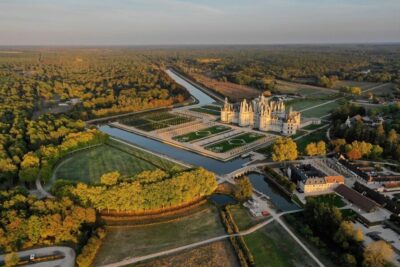
From Paris: Loire Valley Castles Day Trip With Wine Tasting
Read our review →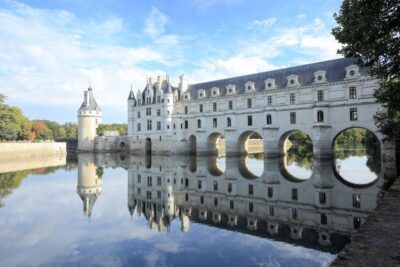
Medoc or Saint Emilion Wine Tasting and Chateau from Bordeaux
Read our review →
From Paris: Full-Day Loire Valley Chateaux Tour
Read our review →
Loire Valley Castles Trip with Chenonceau and Chambord from Paris
Read our review →Browse the lists this tour appears in