
REVIEW · MEDIEVAL OLD TOWN TOURS
Cartagena City Tour with San Felipe Castle & Old Town Walk
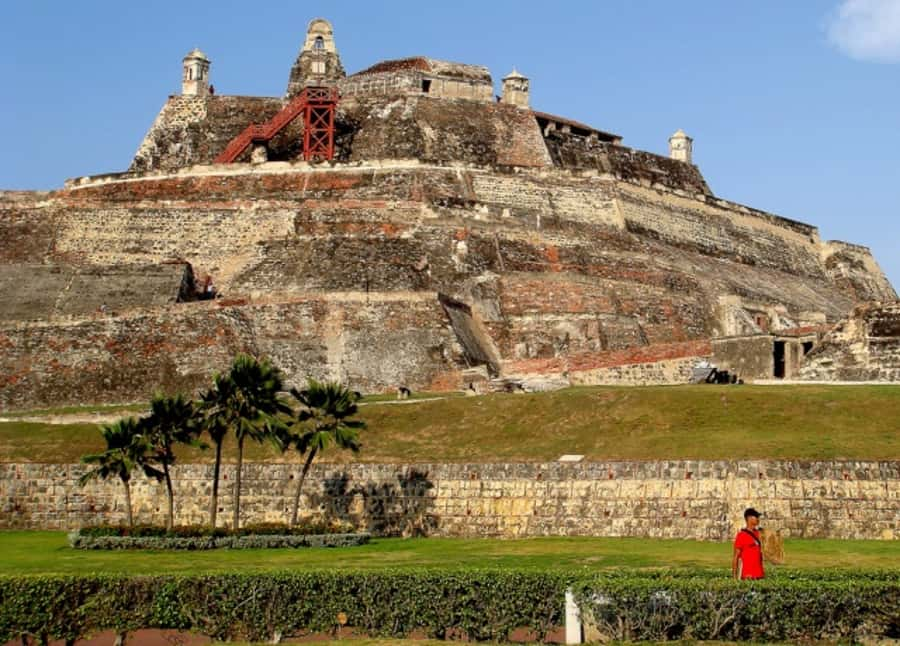
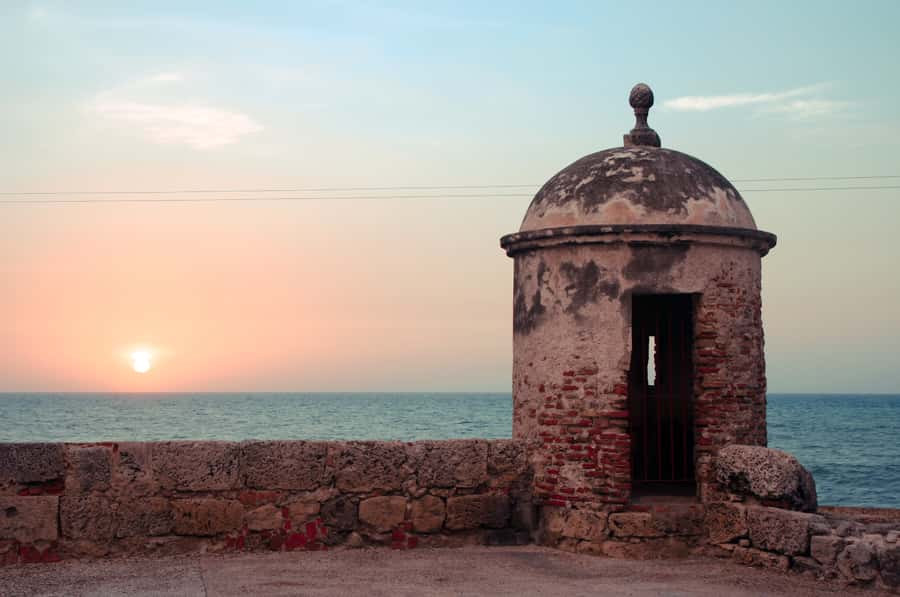
Cartagena’s story comes into sharp focus inside San Felipe Castle, where steep walls, narrow tunnels, and old battlements show how Spain guarded its prized Caribbean port. From there, this four-hour private tour moves through the walled city, past churches and plazas, and into colorful Getsemaní.
I like the efficient route, which covers the castle and several major sights without wasting time on long transfers. I also like the private bilingual guide setup, especially if you want to ask questions or shape the conversation around Cartagena’s colonial past, African heritage, and modern street life.
The tradeoff is pace. Four hours gives you a strong first look, but not time to explore every historic building inside. One past booking specifically suggested adding two hours for interior visits, so plan on returning if you want museums and more churches.
Key points at a glance
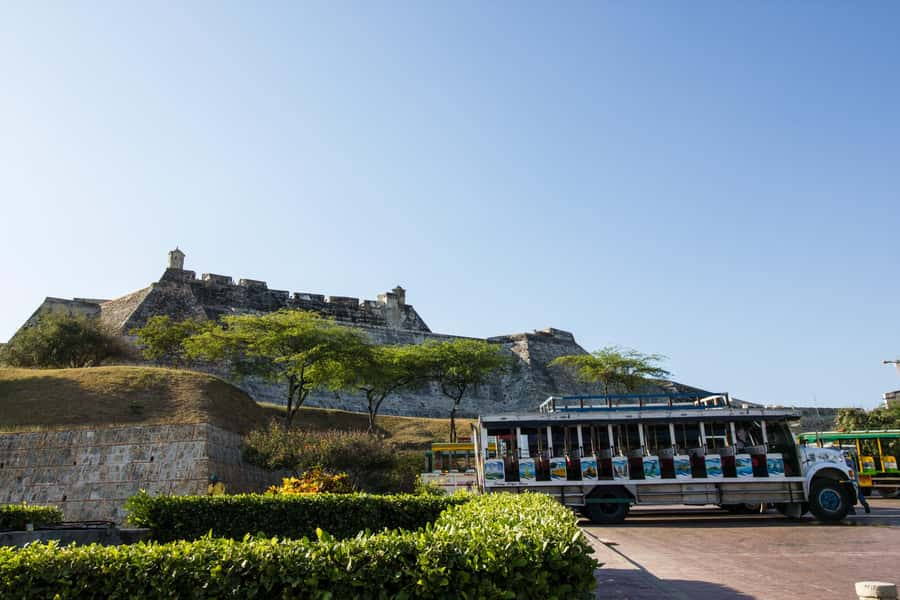
- San Felipe Castle comes first: Explore tunnels, battlements, and defensive design at South America’s largest Spanish fort.
- The walled city is covered on foot: See the Clock Tower, Plaza de la Aduana, San Pedro Claver Square, and Plaza de Bolívar.
- The route addresses difficult history: Plaza de la Aduana was once tied to the trade in enslaved Africans, and the guide explains that past.
- Centenario Park adds an unexpected pause: Sloths, monkeys, and iguanas can be seen in this small urban park.
- Getsemaní provides the lively finale: Murals, flower-filled balconies, music, and street life give the tour a modern finish.
- Private touring improves flexibility: Hotel pickup, a bilingual guide, snacks, and entrance fees are included for $131 per person.
Why this four-hour route works well
This tour is designed for a first look at Cartagena, not a complete study of the city. In four hours, you move from military history to colonial streets, religious heritage, local wildlife, and contemporary neighborhood life.
That range is the main reason I find the route useful. You are not spending the whole morning inside one fort or walking from one similar plaza to another. Instead, each stop changes the subject. San Felipe explains defense. The old town shows Spanish colonial planning. San Pedro Claver Church connects the city to faith and human rights. Getsemaní brings you into present-day Cartagena.
The tour is private, so you can ask for more explanation when a subject catches your attention. A previous booking praised the guide for answering questions and for having a broad understanding of the city and country. No guide name is provided in the tour details, but the bilingual format means you can choose English or Spanish when booking.
The first portion uses an air-conditioned vehicle, while the old town portion is on foot. That matters in Cartagena’s tropical climate. You get some relief before walking, but you should still wear comfortable shoes, bring sunscreen, and carry a hat and sunglasses.
More Medieval Old Town Tours in the world:
- Bucharest: Dracula’s Castle, Peles Castle, & Brasov Old Town
★ 4.5 · 17,858 reviews - Bucharest: Dracula Castle, Peles Castle & Brasov Old Town
★ 4.6 · 10,891 reviews - Prague: 3-Hour Walking Tour of Old Town & Prague Castle
★ 4.7 · 5,696 reviews
San Felipe Castle and its clever defenses
San Felipe Castle is the strongest architectural stop on the route. Built by the Spanish on a hill above Cartagena’s strategic bay, it was meant to protect the city from attack. Its scale helps explain why Cartagena mattered so much to the Spanish empire.
Your guide takes you through the fortress, including its tunnels and battlements. The tunnels are especially useful for understanding how the fort worked. This is not just a collection of thick walls. The design allowed defenders to move through the structure, watch approaches, and protect key positions.
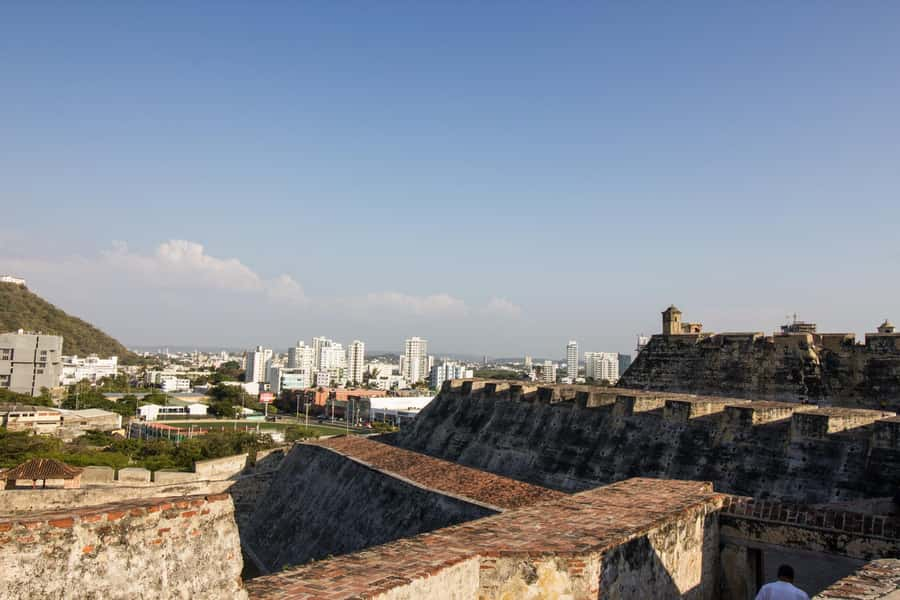
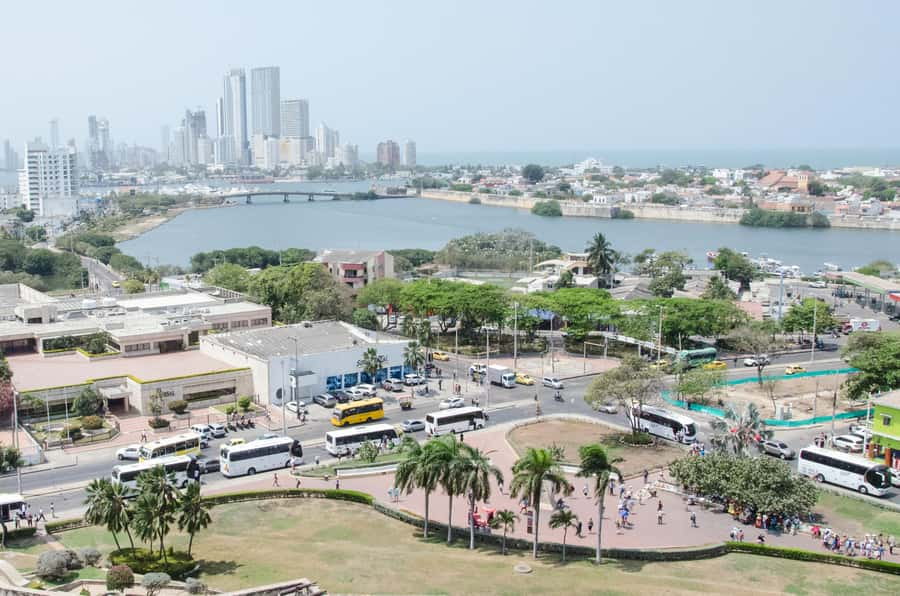
Look closely at the relationship between the fort and the city. From its raised position, the castle’s purpose becomes clear. Cartagena was a port with valuable trade connections, and control of the bay was central to its survival.
The fort requires walking on uneven surfaces and climbing around a hilltop structure. Comfortable shoes are not a minor suggestion here. The heat can also make the visit tiring, so bring water if you prefer to carry your own, even though snacks are included.
You should also set your expectations correctly. The castle is an important part of the tour, but this visit is not a long archaeological study. The guide focuses on the major defenses, battles, and conquests that shaped the city. If you want to examine every tunnel or read every historical sign, you would need more time than the schedule allows.
Entering the old town through the Clock Tower
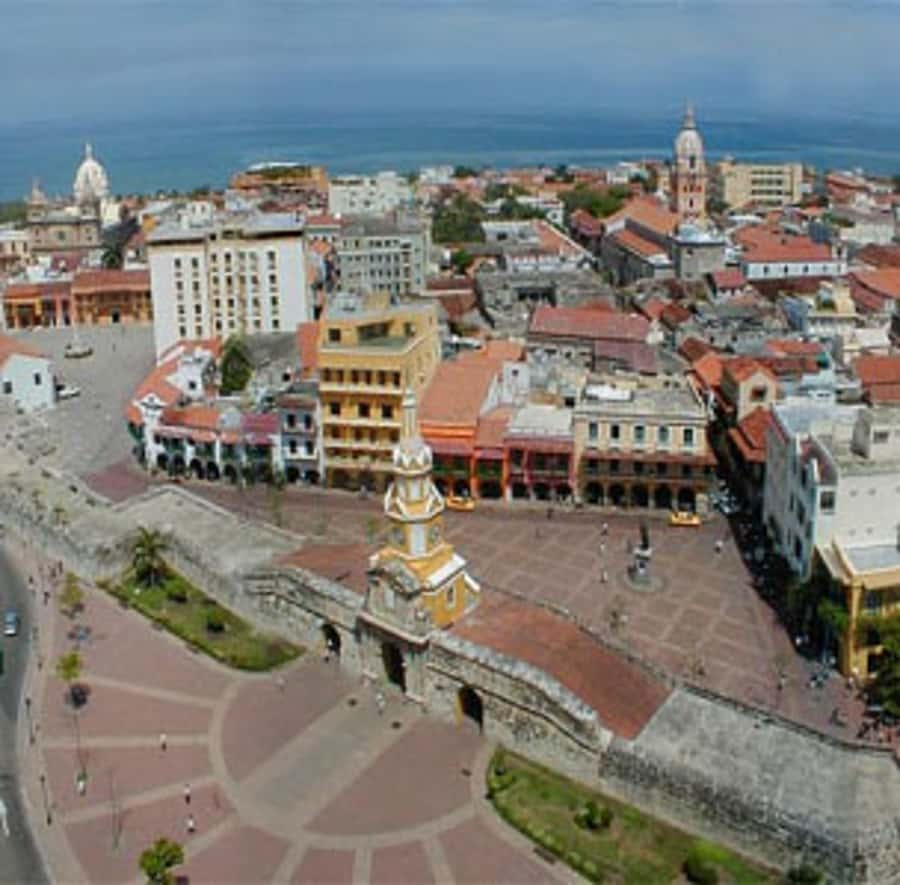
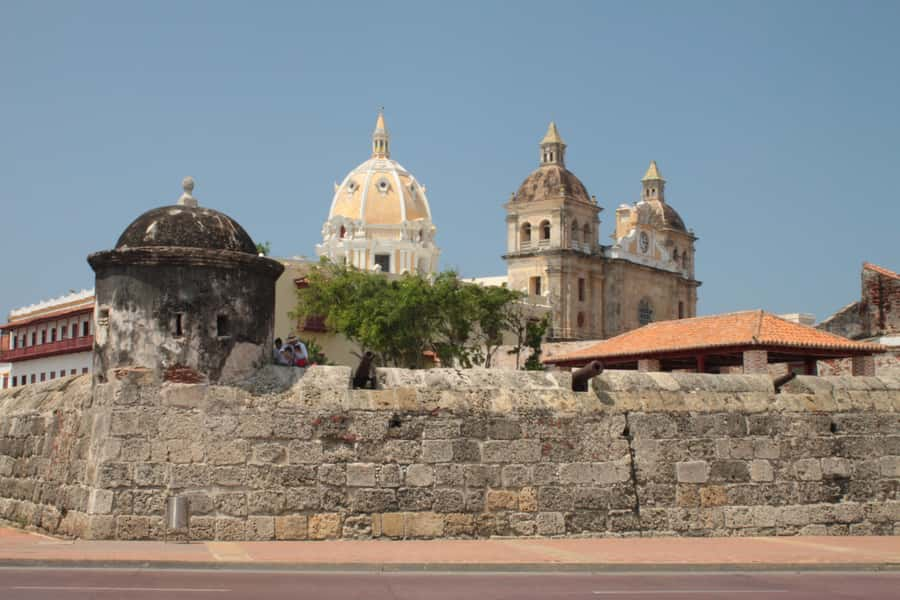
After the castle, the tour moves into Cartagena’s Historic Center. The Clock Tower, or Torre del Reloj, is the grand entrance to the walled city and one of the most recognizable points on the route.
Passing through the tower changes the feel of the outing. Outside, the castle gives you broad military context. Inside, the streets narrow and the focus shifts to plazas, façades, churches, and daily city life.
The walled city is listed by UNESCO, and the value of walking it with a guide is that you get more than a series of attractive streets. A local guide can explain how the squares functioned, how colonial power was organized, and why certain buildings remain important.
The walking route is compact, but Cartagena’s heat can make even short distances feel longer. Take the clothing advice seriously. Loose clothing, a sun hat, and sunscreen will make the old town portion easier.
Plaza de la Aduana and the city’s difficult past
Plaza de la Aduana is not just a grand colonial square. It was once a major site in the trade of enslaved Africans. The tour includes this history, which gives the square a weight that its handsome buildings alone cannot convey.
I appreciate that the route does not treat Cartagena as a postcard city without painful chapters. The stories of trade, conquest, and forced migration are necessary to understand how the city developed and who paid the cost of that development.
This is also a good place to listen closely to the guide. The written description promises context, but the value of a private visit depends heavily on how clearly the guide handles the subject. You can ask questions, slow down, or request more detail if this part of Cartagena’s story matters to you.
The square is one of several stops rather than a long standalone visit. That keeps the tour moving, but it also means you may want to return later if you want a quieter look at the buildings and public space.
More Walking Tours in the world:
- Edinburgh Castle: Guided Walking Tour with Entry Ticket
★ 4.7 · 11,699 reviews - Edinburgh Castle: Guided Walking Tour with Entry Ticket
★ 5.0 · 5,540 reviews - Edinburgh Castle Guided Walking Tour in English
★ 5.0 · 5,214 reviews - Budapest: Buda Castle Walk with Saint Stephen’s Hall
★ 4.5 · 3,012 reviews
San Pedro Claver Church and a short refreshment break
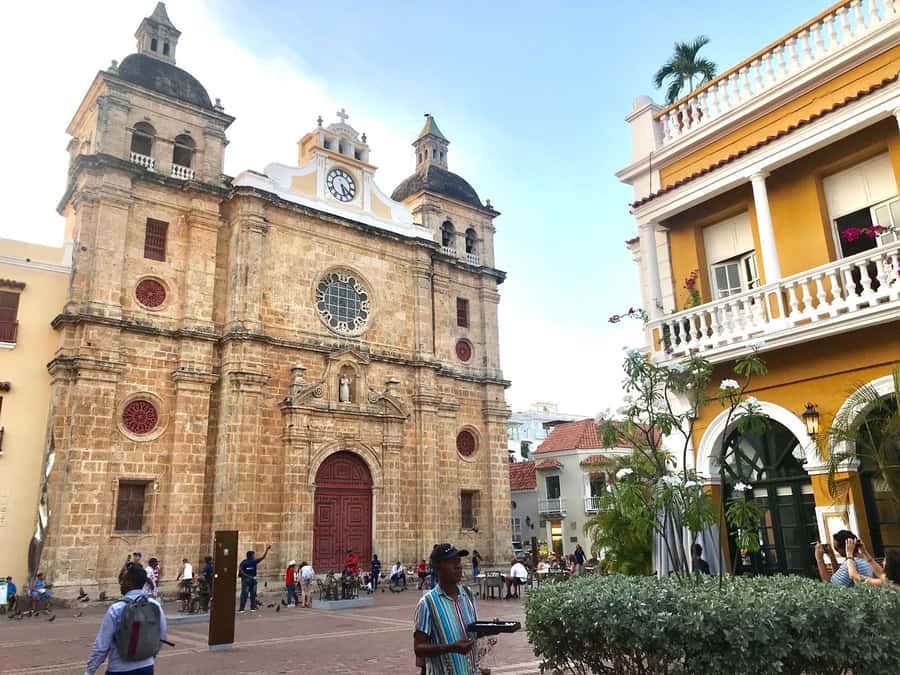
The route continues to San Pedro Claver Square and the church dedicated to San Pedro Claver, remembered as a patron saint of human rights. You’ll see the church’s façade and enter with the admission included in the tour price.
The church adds a personal and moral dimension to the day. After hearing about colonial trade and the treatment of enslaved people at Plaza de la Aduana, the visit gives you another way to think about Cartagena’s religious and social history.
There is also time for a refreshing juice or Colombian coffee while you take in the square. Snacks are included, but lunch is not. This distinction matters. The tour is short enough to finish before or around a meal, but you should not expect a full food stop.
A past booking specifically called for more time to visit San Pedro Claver Church, along with other interiors such as the cathedral and the Museum of the Inquisition. That is useful advice. The church is included, but the overall route aims for coverage. If you want to linger inside, consider returning independently.
Plaza de Bolívar and the old town’s quieter side
Plaza de Bolívar offers a calmer section of the walking route. It is surrounded by colonial buildings and gives you a chance to pause after the more crowded entrance area and the serious history of Plaza de la Aduana.
This is a good place to look up. Cartagena’s appeal is not limited to ground-level street activity. The surrounding façades, balconies, and public buildings show how the city’s colonial center was shaped.
The square also helps break up the walking. Four hours is a fairly tight schedule, and a short pause makes the sequence easier to enjoy. You can take photographs, listen to the guide, and get your bearings before moving on.
The tour does not promise entry to every building around the plaza. If your priority is interiors, the route may feel too brief. If your priority is seeing the city’s main public spaces and understanding their role, this stop fits well.
Centenario Park and animals in the city center
The route then exits through the Clock Tower and reaches Centenario Park. This is one of the more unusual stops because the park offers a small dose of nature in the middle of the city.
Sloths, monkeys, and iguanas roam freely there, according to the tour details. You might find them near the paths or in the trees, but animal sightings are never something I would treat as guaranteed. The park works best as a pleasant change of setting rather than a formal wildlife visit.
This stop also gives you a look at how Cartagena’s public spaces are used. The city is full of stone walls and colonial architecture, but a green pause can be welcome in the heat.
Keep your expectations modest. Centenario Park is not presented as a zoo or sanctuary, and the tour does not promise a guided animal encounter. It is a short urban stop with the possibility of seeing local wildlife.
Getsemaní’s murals, balconies, and street music
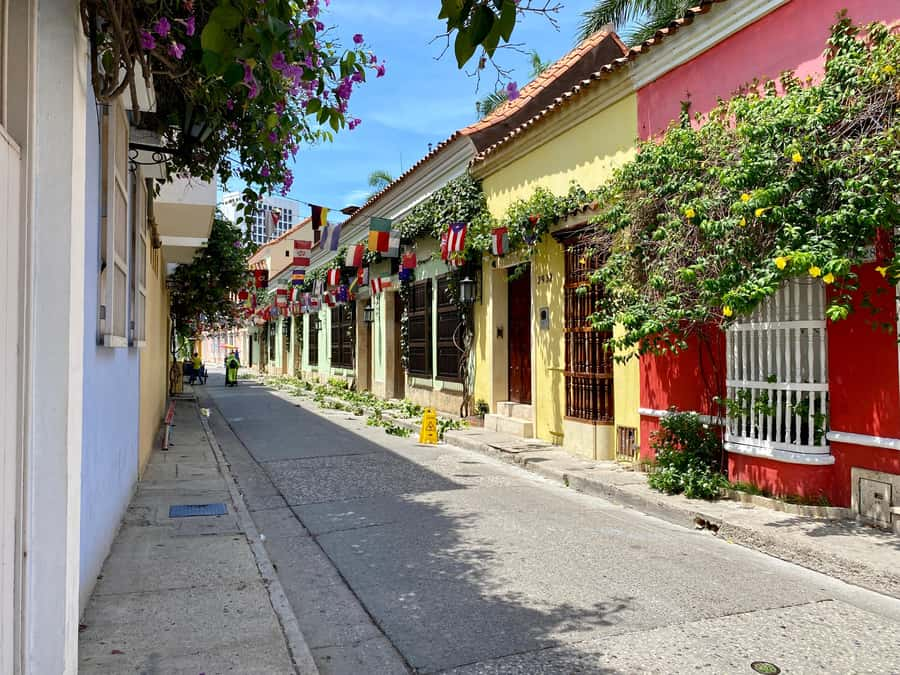
Getsemaní provides the tour’s most colorful finish. This neighborhood is known for vivid murals, balconies filled with flowers, live music, and active street life.
The contrast with the old town is useful. Cartagena is not only its preserved colonial center. Getsemaní shows a more current side of the city, where art, music, and neighborhood character shape what you see from one street to the next.
Look for the details rather than rushing through. Murals and decorated balconies can change the mood of a block, while music gives the neighborhood a different energy from the formal plazas. The guide can help connect what you see with Cartagena’s culture today.
The tour ends in Getsemaní, which is practical if you want to continue exploring on your own. The provided information does not specify an exact ending point or additional drop-off arrangement, so confirm the final meeting and transfer details when booking.
What $131 includes, and where the value lies
At $131 per person, this is not a bargain-priced orientation walk. The value comes from the private format and the number of major stops packed into four hours.
The price includes hotel pickup from most centrally located Cartagena hotels, an air-conditioned vehicle for the first part, a bilingual English or Spanish guide, snacks, and admission to San Felipe Castle and San Pedro Claver Church. Those inclusions reduce the need to arrange separate transport and tickets.
The private group is also important. You are not following a large crowd, and you can ask questions that suit your interests. If you care about colonial architecture, the guide can focus there. If you want more context about African heritage or Cartagena’s military past, you can direct the conversation accordingly.
The price makes less sense if you prefer to explore slowly and independently. You could spend a full day walking the old town, return to the castle, and choose interiors at your own pace. But that approach requires more planning, transport, and ticket handling.
For a short stay, cruise stop, or first morning in Cartagena, the tour offers a practical way to cover the city’s main themes quickly. Just remember that lunch is not included and that the four-hour limit keeps the visits moving.
Who should book this tour
I would choose this experience if you are visiting Cartagena for the first time and want a guided overview rather than a single-site visit. It also suits you if you prefer a private guide, want hotel pickup, or need the flexibility of English or Spanish.
History-minded visitors will get the most from San Felipe Castle, Plaza de la Aduana, and San Pedro Claver Church. Architecture fans will enjoy the old town’s façades and plazas. Families may appreciate the change of pace at Centenario Park, though the heat and walking require sensible footwear and sun protection.
You may want another plan if your main goal is extended museum time. The route does not include interior visits to every historic building, and one past booking suggested adding two hours for places such as the cathedral, Museum of the Inquisition, Santo Domingo Church, and San Pedro Claver Church.
Confirm your reservation and provide your accommodation details at least 48 hours before the tour. Pickup is available from most centrally located hotels, while hotels in the Manzanillo area may require an extra fee. Oversize luggage is not allowed, and you should bring a passport or ID card.
Should you book the Cartagena city tour?
Book it if you want Cartagena’s major sights explained in one private, well-organized morning or afternoon. San Felipe Castle, the walled city, San Pedro Claver Church, Centenario Park, and Getsemaní give you a broad picture of the city in only four hours.
Skip it if you want long, unhurried visits inside museums and churches. The best use of this tour is as a first orientation, followed by independent time in the places that catch your attention. At $131, it earns its price through private guiding, pickup, tickets, and range, not through a slow pace.
FAQ
How long does the Cartagena City Tour last?
The tour lasts four hours.
What languages are available?
The live guide is available in English and Spanish.
Is this a private tour?
Yes. The activity is offered for a private group.
Is hotel pickup included?
Pickup is included from most centrally located Cartagena hotels. You should provide your accommodation details when booking.
Is there an extra fee for Manzanillo hotels?
Hotels in the Manzanillo area may incur an additional fee. Contact the provider for details.
Is San Felipe Castle included?
Yes. Admission to San Felipe Castle is included.
Is San Pedro Claver Church included?
Yes. The entrance fee to San Pedro Claver Church is included.
Is transportation provided?
An air-conditioned vehicle is available for the first part of the tour.
Is lunch included?
No. Lunch is not included, although snacks are provided.
What should I bring?
Bring a passport or ID card, comfortable shoes, sunglasses, a sun hat, and sunscreen. Oversize luggage is not allowed.
Just added around the world
- Secrets of Buda Castle: Self-Guided Puzzle Adventure in Budapest★ 5.0 · 8 reviews
- Budapest Hike to Visegrád Castle w or wo Sauna/Danube beach★ 5.0 · 11 reviews
- Castle District tour with Matthias Church Ticket & Cake & Coffee★ 5.0 · 31 reviews
- Buda Castle Tour: History and Architecture★ 5.0 · 33 reviews
- Buda Castle Quarter Walking Tour★ 5.0 · 16 reviews
- Buda Castle’s Secrets with a Historian★ 5.0 · 108 reviews
- BloodThirsty Hungary – Castle District★ 5.0 · 80 reviews
- Buda Castle Private Walking Tour: A Kingdom of Many Nations★ 5.0 · 9 reviews
Medieval Old Town Tours, compared.
Bucharest: Dracula’s Castle, Peles Castle, & Brasov Old Town
Read our review →
Bucharest: Dracula Castle, Peles Castle & Brasov Old Town
Read our review →
Prague: 3-Hour Walking Tour of Old Town & Prague Castle
Read our review →
Prague: 3-Hour Old Town and Prague Castle Tour in German
Read our review →
Bucharest: Peles Castle, Bran Castle, & Brasov Old Town Tour
Read our review →
Dubrovnik Combo: Old Town & Ancient City Walls
Read our review →
Dubrovnik: City Walls, Old Town Walking Tour & Adriatic View
Read our review →Browse the lists this tour appears in