
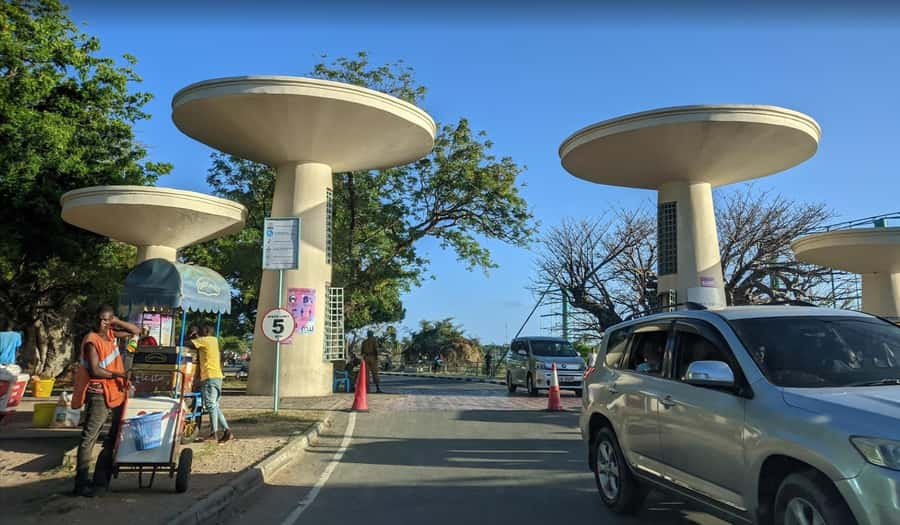
REVIEW · FORTRESS & CITADEL TOURS
Mombasa: Tusks, Fort Jesus, Old Town, Beach and City Tour
Mombasa’s story comes into focus as you move from the Portuguese-built walls of Fort Jesus to Omani-style doors in Old Town, fragrant spices at Marikiti Market, and the giant concrete tusks along Moi Avenue. Guide Juma is often praised for clear explanations, friendly care, and excellent photography help.
I like the way this tour mixes major sights with ordinary city life, including tuk tuk rides, local sweets, market stalls, and a look at the ferry crossing. I also like the easy hotel pickup and the chance to ask questions about modern Mombasa. The main catch is that Fort Jesus entry, meals, and personal purchases cost extra, and the market can feel overwhelming.
Key points to know before booking
- Fort Jesus sets the historical stage: Explore a Portuguese fort now used as a museum about the coast and its people.
- Juma is a strong guide choice: He is praised for clear storytelling, flexible timing, photography help, and thoughtful communication.
- The market is a full-sensory stop: Marikiti brings spices, produce, local foods, vendors, and plenty of activity into the tour.
- Tuk tuk rides add local flavor: Transport between the spice market, the tusks, and Mamangina Beach is included.
- Mamangina offers a calmer finish: Watch ferries cross the water and ships enter Mombasa’s port.
- Budget for extras: The $30 price includes transport and guiding, but Fort Jesus admission, food, drinks, and shopping are separate.
Why this Mombasa tour works well
This is a city tour with a useful mix of landmarks and local scenes. You do not spend the whole time inside museums, and you do not spend the whole day being driven from one photo stop to another. Instead, the route brings together Mombasa’s Portuguese, Omani Arab, Swahili, and modern Kenyan connections.
The tour is listed at $30 per person, which is a fair price if you want hotel transport, a guide, bottled water or a soft drink, spice tasting, internet, photography help, and tuk tuk rides between several stops. You still need to pay for entry to Fort Jesus, and you should keep money aside for snacks or souvenirs.
The experience usually takes around four hours, though the exact pace can vary. Some departures have lasted longer when the group wanted extra stops, lunch, or more time in the city. That flexibility is useful, but do not book it immediately before a fixed flight or train unless your timing has been confirmed.
Juma is the guide most often associated with this experience. He has been praised for his easy manner, local insight, and care with small groups. Other guides named in the feedback include Bornface and Kassim, so your guide may vary. The tour is offered in English.
More Fortress and Citadel Tours in the world:
- Same Day Taj Mahal, Agra Fort & Baby Taj Tour from Delhi by Car
★ 5.0 · 4,304 reviews - Full Day Taj Mahal, Agra Fort & Baby Taj Tour from Delhi by Car
★ 5.0 · 3,647 reviews - Fort Sumter Admission and Self-Guided Tour with Roundtrip Ferry
★ 4.5 · 3,343 reviews
Starting with Mombasa’s iconic tusks
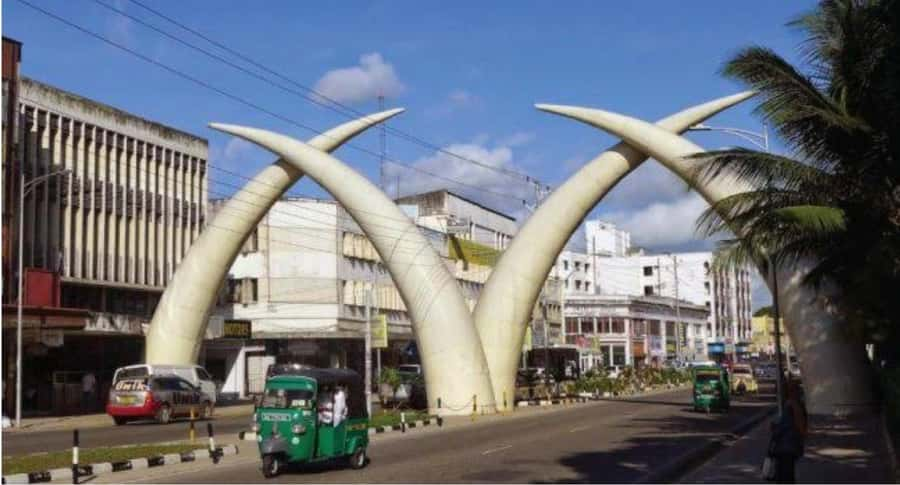
The Pembe za Ndovu, or tusks, are one of the easiest symbols of Mombasa to recognize. Four large tusks cross above Moi Avenue, near one of the city’s main commercial areas. They were erected in 1952 to mark Queen Elizabeth’s visit to Mombasa.
This is a quick stop, but it gives you a useful orientation to the city. The tusks sit in an active urban setting rather than a quiet monument garden, so you get a sense of Mombasa as a working city. Traffic, shops, pedestrians, and local transport are part of the scene.
Bring your phone or camera. Photography assistance is included, and guides can help with framing and group photos. This may sound like a small extra, but it matters when you are traveling alone or with a small group and want a proper picture of yourself at the monument.
The tusks are not an ancient artifact, so they should not be mistaken for a relic from the Swahili past. Their value is more modern and civic. They mark a royal visit and have become a familiar gateway into central Mombasa.
Inside Fort Jesus and the coastal past
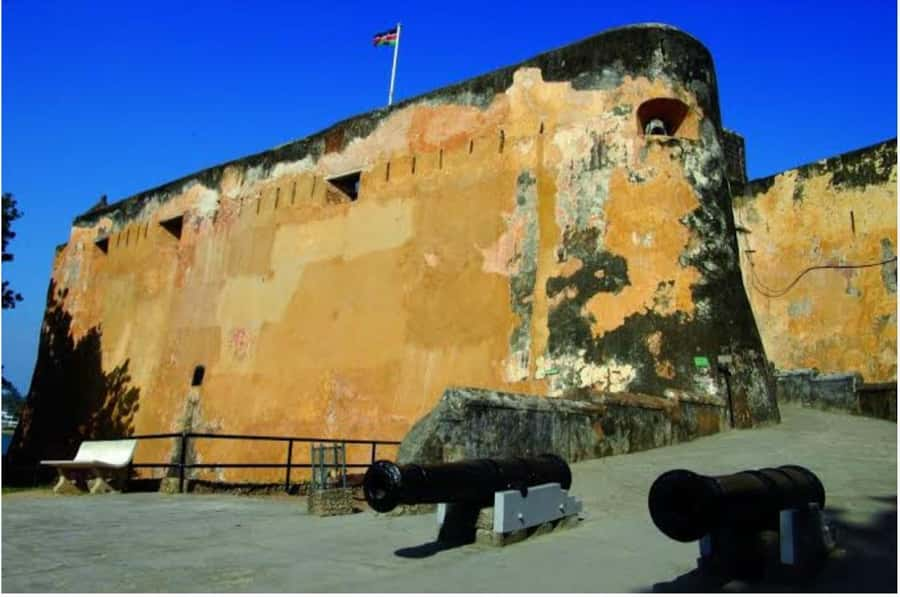
Fort Jesus is the main historical stop. The Portuguese built it in the late 16th century to control the sea route and protect their position on the East African coast. The fort later became part of the long contest for influence among Portuguese, Omani Arab, and local coastal powers.
Today, Fort Jesus is a museum and a UNESCO World Heritage Site. You can walk through its thick walls, view exhibits about the coast and its people, and look out toward the Indian Ocean. The setting helps you understand why Mombasa mattered: its position made it a meeting point for trade, empire, religion, and migration.
A guided visit is much more useful here than simply walking around alone. Juma is praised for explaining the fort’s past in a clear way and answering questions. The site has enough layers that a guide can help you connect the architecture with the wider story of Mombasa.
Allow for uneven walking surfaces and warm conditions. The tour combines outdoor areas with museum spaces, so comfortable shoes and light clothing make sense. You may also want sun protection, even though bottled water or a soft drink is included.
Fort Jesus admission is not included in the $30 price. This is the most important cost detail to remember. Ask for the current entrance fee when booking or before the visit, since the advertised price covers the tour service, not the museum ticket.
Walking the narrow streets of Old Town
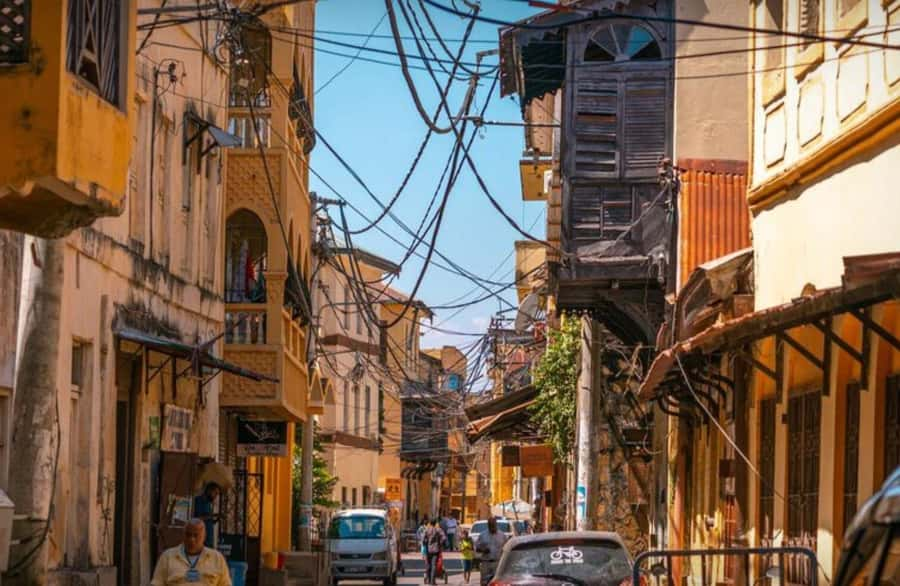
Old Town gives you a different view of Mombasa. Its narrow streets, Swahili buildings, carved doors, small shops, and older Omani Arab influence create a slower, more intimate stop than the main roads near the tusks.
The Mandhry Mosque is one of the landmarks included in the walk. You also have time to look at antique shops and browse souvenirs. The value here is not just in ticking off a mosque or taking pictures of a doorway. It is in seeing how the old quarter still functions as part of the city.
Your guide can explain details about Swahili culture and everyday life as you walk. Several people have especially valued the chance to ask about present-day Mombasa, not only its past. That is a good reason to bring questions of your own. Ask about food, language, religion, local customs, and how the old quarter fits into modern city life.
The streets and markets can feel crowded or intense if you are new to Kenya. Keep your belongings secure and stay aware of the group. The tour is designed to help you move through the area, but you should still be comfortable with a busy urban setting.
An antique shop visit may be part of the walk. It can be a pleasant place to pause and see objects linked to the coast’s trading past. Shopping is optional, and personal purchases are not included, so there is no need to feel pressured to buy.
More Medieval Old Town Tours in the world:
- Bucharest: Dracula’s Castle, Peles Castle, & Brasov Old Town
★ 4.5 · 17,858 reviews - Bucharest: Dracula Castle, Peles Castle & Brasov Old Town
★ 4.6 · 10,891 reviews - Prague: 3-Hour Walking Tour of Old Town & Prague Castle
★ 4.7 · 5,696 reviews - Prague: 3-Hour Old Town and Prague Castle Tour in German
★ 4.8 · 5,671 reviews
Tasting spices at Marikiti Market
Marikiti, also known as the spice market, is one of the most sensory parts of the tour. You walk among stalls selling spices, fresh produce, local goods, and foods. The colors and smells change from one section to the next, and the market gives you a direct look at how people shop and trade in the city.
The tour includes spice information and tasting, which makes the stop more than a quick stroll past market stalls. Your guide can explain what you are sampling and how spices connect with Swahili cooking. You might also encounter local sweets or small snacks, though meals are not part of the package.
This is a good place to slow down and observe rather than rush for pictures. Vendors may invite you to look at their goods, and the market can feel loud and crowded. If you are sensitive to busy spaces, tell the guide and stay close.
The market is also where the tour feels most grounded in daily life. Fort Jesus tells you about major powers and military control. Marikiti shows you a more practical side of the coast: food, trade, ingredients, and small-scale buying and selling.
You can purchase spices or produce, but those costs are yours. Carrying a small amount of Kenyan currency may be useful, though the tour information does not specify payment methods at each stall.
Tuk tuk travel between city stops
A tuk tuk ride is included from the spice market to the tusks and Mamangina. This is not just a convenient transfer. It adds a distinctly local way to move through central Mombasa, and it saves you from walking the entire route in the heat.
The ride also helps break up the walking sections. You may appreciate that after the fort, Old Town, and market. At the same time, tuk tuks are compact, so they may not feel roomy for every group. The exact vehicle arrangement can depend on the number of people joining the tour.
Hotel pickup and drop-off are included, which is a useful benefit in a city you may not know well. Pickup has also been arranged from locations such as a train station in some cases, though you should confirm your own meeting point in advance. Some departures include a driver as well as the guide.
The guide may keep bags safely at an office during the walking portion if that arrangement is available, but this should not be assumed for every booking. Confirm storage needs before the day of the tour.
A breezy finish at Mamangina Beach
Mamangina Beach provides a change of pace. This is not presented as a swimming or resort beach stop. Its appeal is the cool breeze, the open water, the ferry crossing, and the chance to watch ships arriving at Mombasa’s port.
From the shore, you can see ferries carrying people across the water to the other side of Mombasa. Ships entering the port add movement to the view. It is a simple but useful way to see the city’s connection to the sea, especially after learning how important the coast has been to trade and travel.
Some tours may include local drinks, samosas, donuts, or other small foods during the day, but meals and drinks are officially excluded. Treat these as optional purchases rather than part of the guaranteed package.
Mamangina works well as a final stop because you can sit, look out over the water, and let the city tour settle in. If you want a beach day with swimming, sun loungers, and long relaxation, this is not that experience. It is a waterfront viewpoint tied to Mombasa’s working harbor.
What the guide adds to the day
The guide is central to the value of this tour. A less effective guide could turn the route into a string of stops. Juma, in particular, is described as friendly, organized, flexible, and good at explaining both historical subjects and daily life.
You can expect plenty of conversation if you ask questions. Juma has also helped visitors get their bearings in downtown Mombasa, which is useful if you plan to return later for shopping or independent exploring.
Photography help is another practical touch. The guide can take pictures at the tusks, around the fort, and in the old quarter. This is especially useful for solo travelers, couples, and anyone who does not want to hand a phone to a stranger.
The tour may be a small group, and some bookings have effectively become private tours when the guide’s schedule allowed. That is not guaranteed, but a small group makes it easier to adjust the pace and ask questions.
One concern deserves attention. At a wood carving and painting stop included on some routes, one person felt uncomfortable after being filmed without permission. You should speak up immediately if anyone records you or if a shopping stop feels too forceful. The guide appears to be attentive, but your own boundaries still matter.
Value, timing, and who should book
At $30 per person, this is good value for a half-day introduction to Mombasa, especially with hotel pickup, guiding, tuk tuk transport, bottled water or a soft drink, spice tasting, internet, and photo help included. The value is strongest if you want context and company rather than simply a taxi between attractions.
You need to add the Fort Jesus entrance fee and budget for meals, drinks, and shopping. That makes the final cost higher than the advertised price, but the base price remains reasonable for the number of stops and the transport included.
I would recommend this tour to first-time visitors, cruise or train arrivals with a spare half-day, couples, solo visitors, and anyone interested in local culture as much as monuments. It is also a good first-day activity because the guide can help you understand the city’s layout.
You may prefer another plan if you want a very slow museum visit, a full beach day, or complete independence. The route covers a lot, and the market and Old Town require comfort with walking, noise, and crowds.
Booking is flexible: you can reserve now and pay later, and cancellation is allowed up to 24 hours ahead for a full refund. Confirm the pickup location, expected duration, Fort Jesus fee, and which guide will lead your departure.
Should you book the Mombasa city tour?
Book it if you want one affordable half-day route through Mombasa’s main historic and cultural areas, with a guide who can explain what you are seeing. The best parts are the Fort Jesus visit, the Old Town walk, the spice tasting, and the chance to see everyday city life between the major sights.
Skip it if you want a quiet, private museum experience or a beach-focused outing. For most first-time visitors, though, this tour offers a practical introduction, and guides such as Juma add the local detail that makes the route worthwhile.
FAQ
How much does the Mombasa city tour cost?
The tour costs $30 per person. Fort Jesus entry, meals, drinks, and personal purchases are not included.
What places does the tour visit?
The route includes Fort Jesus Museum, Mombasa Old Town, Marikiti spice market, Pembe za Ndovu, and Mamangina Beach.
Is hotel pickup included?
Yes. Hotel pickup and drop-off are included.
Is Fort Jesus admission included?
No. You must pay the Fort Jesus Museum entry fee separately.
What language is the tour offered in?
The tour is offered in English.
Is transportation included during the tour?
Yes. Hotel transport is included, along with a tuk tuk ride from the spice market to the tusks and Mamangina.
Does the tour include food and drinks?
Bottled water or a soft drink is included, as well as spice information and tasting. Meals and additional drinks are not included.
How long does the tour take?
The tour generally takes around four hours, although the timing can vary and some tours may run longer.
Can I cancel the booking?
Yes. You can cancel up to 24 hours in advance for a full refund. You can also reserve and pay later.
Just added around the world
- Secrets of Buda Castle: Self-Guided Puzzle Adventure in Budapest★ 5.0 · 8 reviews
- Budapest Hike to Visegrád Castle w or wo Sauna/Danube beach★ 5.0 · 11 reviews
- Castle District tour with Matthias Church Ticket & Cake & Coffee★ 5.0 · 31 reviews
- Buda Castle Tour: History and Architecture★ 5.0 · 33 reviews
- Buda Castle Quarter Walking Tour★ 5.0 · 16 reviews
- Buda Castle’s Secrets with a Historian★ 5.0 · 108 reviews
- BloodThirsty Hungary – Castle District★ 5.0 · 80 reviews
- Buda Castle Private Walking Tour: A Kingdom of Many Nations★ 5.0 · 9 reviews
Fortress & Citadel Tours, compared.
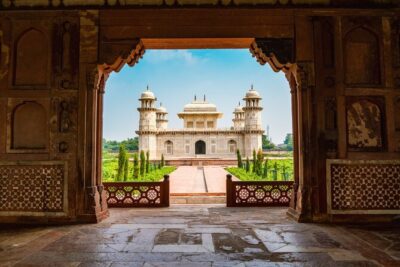
Full Day Taj Mahal, Agra Fort & Baby Taj Tour from Delhi by Car
Read our review →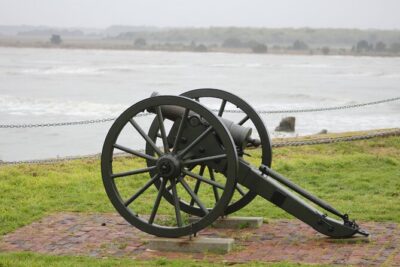
Fort Sumter Admission and Self-Guided Tour with Roundtrip Ferry
Read our review →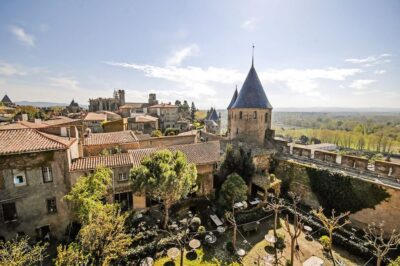
Carcassonne: Castle and Ramparts Entry Ticket
Read our review →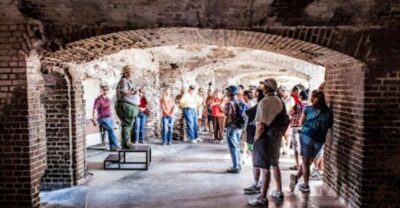
Charleston: Fort Sumter Entry Ticket with Roundtrip Ferry
Read our review →
Same Day Taj Mahal, Fort & Baby Taj Tour from Delhi by Car
Read our review →
From Delhi: Taj Mahal and Agra Fort Private Sunrise Tour
Read our review →
Sunrise Taj Mahal, Agra Fort & Baby Taj Tour from Delhi by Car
Read our review →
Salzburg: Hohensalzburg Fortress Admission Ticket
Read our review →Browse the lists this tour appears in