
REVIEW · WAWEL & POLISH CASTLES
Gdansk: Malbork Castle & Westerplatte Tour with Local Lunch
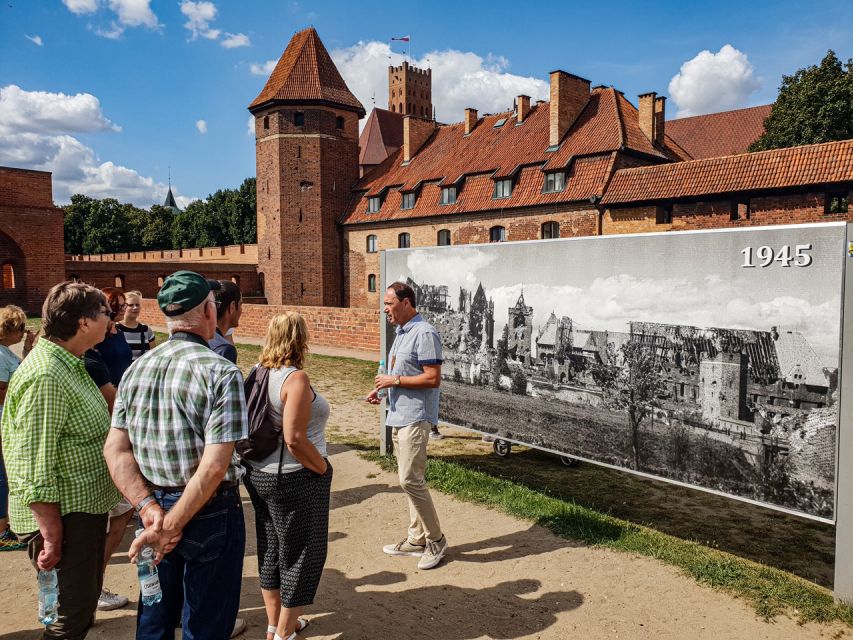
Malbork Castle is the star here: a vast medieval fortress of red brick beside the Nogat River, and the largest brick castle in the world. You spend about three hours inside, using an audio guide to make sense of its courtyards, walls, rooms, and religious past.
I like the private pickup from Gdansk, Sopot, or Gdynia, which saves you the trouble of arranging regional transport. I also like the stop at a traditional wooden house in Żuławy Wiślane, where lunch turns a sightseeing day into a taste of rural Pomerania. Guides such as Bozena have earned especially warm praise for clear explanations and friendly care.
The main drawback is the price: $349 per person is a serious spend for a seven-hour outing. Malbork also has many stairs and thresholds, and parts of the medieval complex cannot be reached by wheelchair, so this is not a suitable choice for wheelchair users.
Key points to know before booking
- Three hours at Malbork Castle: Enough time to see the major parts of the UNESCO-listed fortress without rushing through it.
- A private day out: Pickup and return are available from accommodations in Gdansk, Sopot, or Gdynia.
- Żuławy’s wooden architecture: The Small Dutchman, an old arcaded house, offers a look at local building traditions beyond the usual city sights.
- Lunch in a traditional setting: Polish regional food and beer are included, with dishes such as pierogi possible.
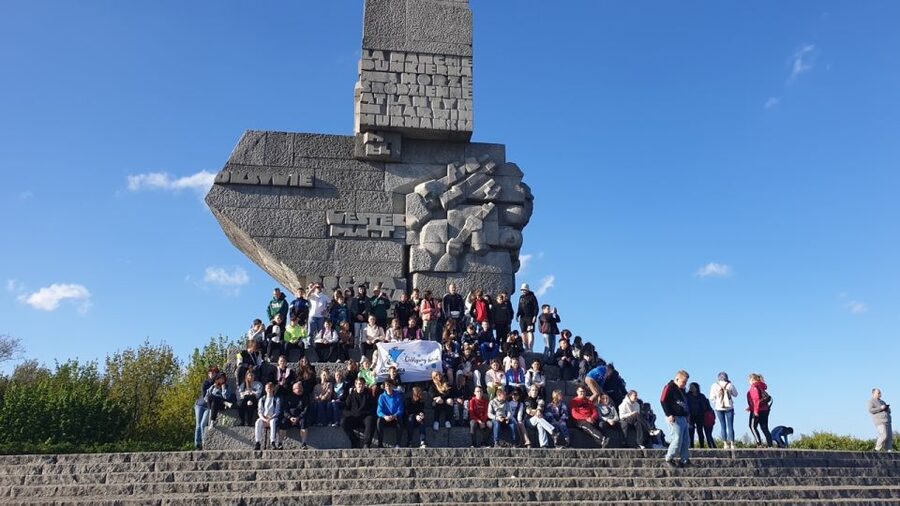
- Westerplatte on the return: You visit the place linked to the first battle of World War II in the European theater.
- Good guide support: Live guiding is available in English or Polish, while the Malbork audio guide also comes in Spanish, French, German, Italian, and Russian.
Why Malbork Castle deserves three hours
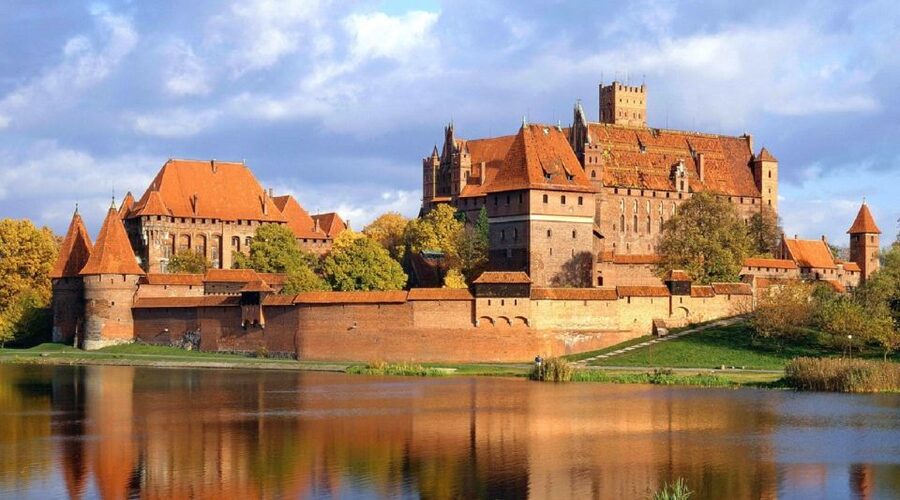
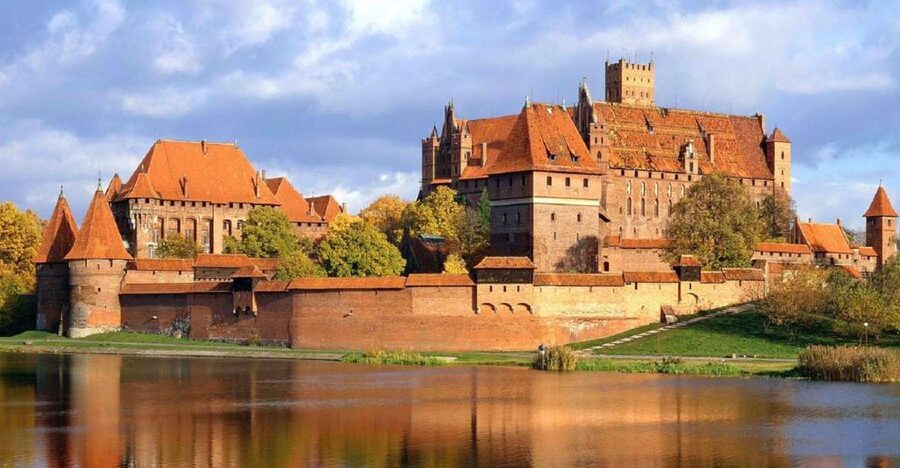
Malbork is not a quick photo stop. The complex is enormous, heavily fortified, and built from red brick on a scale that is hard to grasp from a single courtyard. Its position beside the Nogat River adds to the sense of power, since the waterway helped shape the castle’s military and trading importance.
The castle was created during the Middle Ages by the Teutonic Order, a religious military order that controlled large parts of this region. You will see a series of connected defensive areas rather than one simple palace. The layout moves from outer fortifications toward more important inner spaces, giving the visit a clear sense of rank and protection.
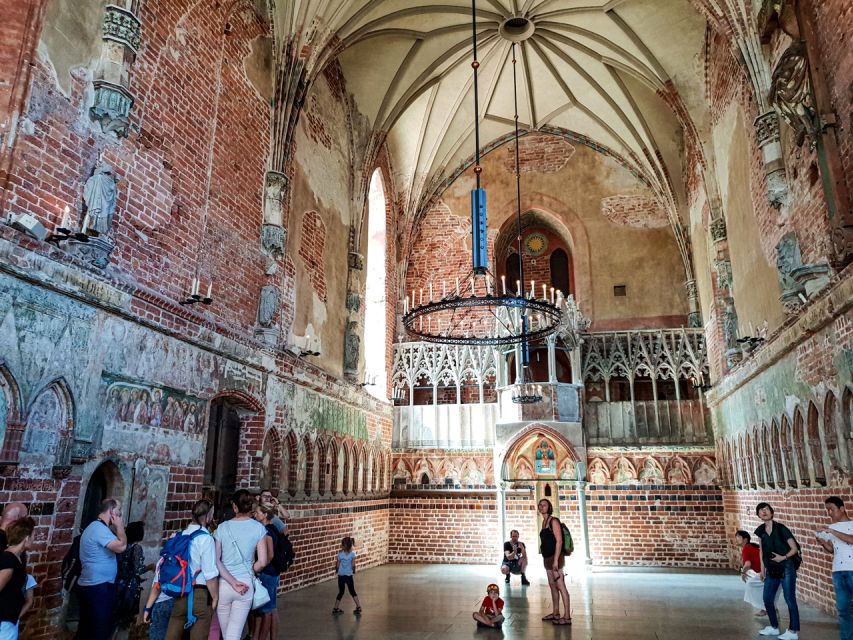
The three-hour visit matters because the castle contains more than one impressive facade. You can expect courtyards, heavy walls, thresholds, stairs, and rooms that show how a fortified religious headquarters functioned. The audio guide helps supply the dates and context, which is useful when the architecture begins to look repetitive.
This is a good place to use the audio guide rather than simply wander. It allows you to move at your own pace and choose the language that suits you. English, Spanish, French, German, Italian, and Russian are available for the castle portion.
The audio format has one tradeoff. You will not have a guide speaking to you at every room, so visitors who prefer constant conversation may find it less personal than a fully guided interior tour. The live guide remains important for the broader day, transport, and regional context, but your time inside Malbork is built around the recorded commentary.
Wear comfortable shoes and expect uneven movement through an old building. The supplied information specifically warns about numerous stairs and thresholds. Wheelchair access is not available to every area, and the experience is not suitable for wheelchair users.
More Wawel and Polish Castle Tours in Poland:
- Krakow: Wawel Castle & Cathedral Guided Tour
★ 4.7 · 2,111 reviews - Old Town Krakow & Wawel Castle Walking Tour
★ 5.0 · 1,508 reviews - Krakow: Wawel Royal Hill with Optional Castle and Cathedral
★ 4.2 · 1,220 reviews
The castle’s scale, walls, and medieval atmosphere
The best part of Malbork is the change in scale as you approach it. A modern museum can explain a medieval fortress, but here the building itself does most of the talking. The brick walls, defensive form, and river setting give you a strong physical sense of how authority was displayed in the Middle Ages.
I would resist trying to race through every room. Three hours sounds generous, but Malbork is large enough that you will benefit from stopping to study the structure and listening to the audio commentary. If you are interested in military architecture, religious orders, or Polish monuments, this is the part of the day that justifies the trip from Gdansk.
The UNESCO designation also matters, but it should not be the only reason you go. The practical value is that you get a major cultural site with admission and the audio guide handled as part of the day. You avoid figuring out regional transport and can focus on the visit itself.
The castle is one of Poland’s most important monuments, yet it does not feel like a polished royal residence designed only for ceremony. Its strength comes from its defensive character. You can see why the setting beside the Nogat River was useful, not merely attractive.
Żuławy Wiślane and the Small Dutchman
After the castle, the tone changes. Żuławy Wiślane offers a look at the countryside and old settlement patterns of the delta region. Instead of another major monument, you see the kind of local architecture that is easy to miss when you stay only in Gdansk’s historic center.
The stop at the Small Dutchman focuses on an arcaded house. These wooden buildings are among the area’s distinctive features, with covered upper sections supported by posts. They reflect the practical traditions of Żuławy and the influence of Mennonite communities that lived and worked here.
The tour also follows parts of the old Mennonite paths. This gives the middle section of the day a useful purpose: you are not simply driving between famous attractions. You are seeing how regional identity appears in homes, villages, and farming country.
Do not expect a large open-air museum or a long architectural walk. The information describes a stop at the Small Dutchman and a chance to discover the area’s old houses and Mennonite connections. The appeal is quieter and more local than Malbork, so it will suit you if you enjoy seeing how ordinary buildings tell part of a region’s story.
A Polish lunch in a wooden house
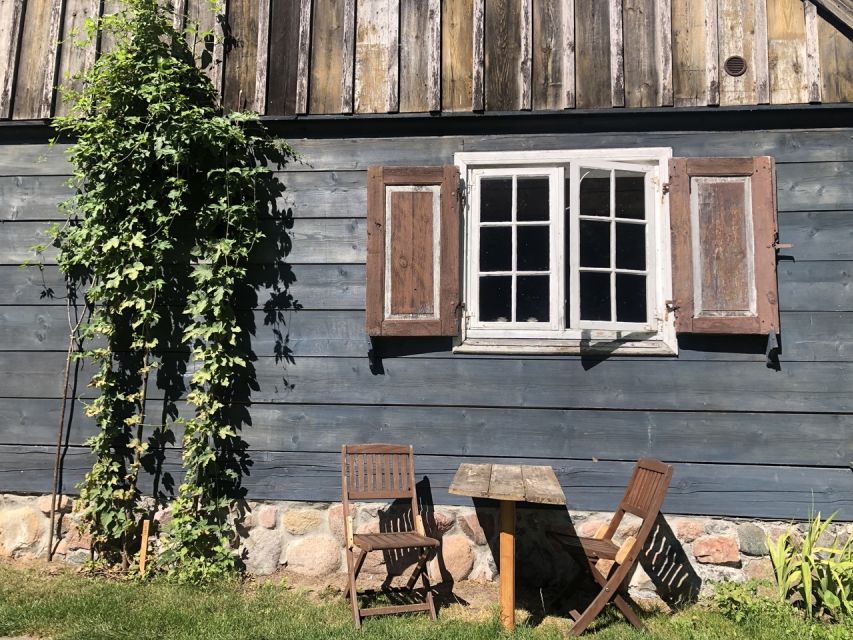
Lunch takes place in a traditional wooden house, giving you a break from the castle’s stone and brick. The setting is part of the experience. You eat in the Polish countryside rather than at a generic stop near a major attraction.
Traditional Polish food is included, along with beer. Past meals have included meat pierogi, pierogi ruskie, and a vegetable dish made with broad beans, peas, and dill. The exact menu is not specified as fixed, so you should treat those dishes as examples rather than a promise.
This is one of the strongest parts of the tour for anyone who wants food to be part of a day trip. You get a proper regional meal instead of having to spend your limited castle time searching for a restaurant. The beer also fits the relaxed, local character of the stop.
The lunch is not likely to satisfy someone seeking a formal food tour with many tastings. It is one included meal, designed to recharge you before the return drive. Still, the combination of an old wooden house, local cooking, and rural scenery gives the day a welcome change of pace.
If you have dietary needs, ask before booking or before departure. The supplied details confirm traditional Polish food but do not specify vegetarian, vegan, allergy-friendly, or gluten-free arrangements.
A few more castle tours around Poland worth a look
- Malbork Castle and Westerplatte Tour with Lunch
★ 5.0 · 27 reviews - Gdansk and Malbork Castle Small Group Tour from Warsaw with Lunch
★ 4.5 · 20 reviews - Krakow: Wawel Castle, Cathedral, Rynek Underground & Lunch
★ 4.4 · 12 reviews - Krakow: Wawel Castle, Cathedral, Salt Mine, and Lunch
★ 4.9 · 6 reviews
Westerplatte and the opening battle of World War II

Westerplatte gives the return journey a serious final chapter. This is the site associated with the first battle in the European theater of World War II, where Polish forces resisted the German attack in September 1939.
The stop is valuable because it connects Gdansk to the events that shaped modern Europe. You are not seeing the war only through a museum display. You are visiting the actual historical place connected with the opening fighting.
The information provided does not give a precise visit length or describe every monument at Westerplatte. Expect it to be a focused historical stop rather than a second three-hour attraction. Your guide can help explain why the location mattered and how it fits into the history of Gdansk and Poland.
This part of the day may feel quite different from Malbork. The castle is grand and medieval, while Westerplatte carries the weight of recent conflict. Together, the two sites show very different layers of Pomerania’s past.
Transport, guide style, and the seven-hour schedule
Pickup is available from your accommodation in Gdansk, Sopot, or Gdynia. The listed meeting points are 10 Lutego 29, Podwale Staromiejskie 104, and Tadeusza Kościuszki 2, with the same locations used for drop-off. If you are staying elsewhere, confirm the pickup arrangement before paying.
The total duration is about seven hours. That makes this a full day out, but not an exhausting multi-day excursion. The schedule gives Malbork the largest block of time, then adds the wooden architecture, lunch, and Westerplatte without asking you to spend a night outside Gdansk.
A private group is a useful advantage. You are not tied to the pace of a large coach party, and the guide can keep the day more personal. The live guide languages are English and Polish. Named guide Bozena has been particularly praised for being warm, clear, and attentive, though you should confirm who is assigned to your date.
The tour is designed to keep the day moving. The castle visit lasts three hours, and the food and architecture stop takes about one hour. That leaves the remaining time for driving, pickup, return, and Westerplatte.
The precise start time depends on availability. Check the date you want before assuming an early or late departure. This matters if you have evening plans in Gdansk, Sopot, or Gdynia.
Is $349 a fair price?
At $349 per person, this is not a budget day trip. The value depends on what you would otherwise need to arrange yourself.
The price includes accommodation pickup and return, a guide, admission to Malbork Castle, the audio guide, traditional lunch, beer, and the Westerplatte visit. You also get a private-group format rather than a standard shared coach experience.
If you are comfortable navigating Polish regional transport, buying your own castle ticket, arranging a meal, and reaching Westerplatte independently, you could likely spend less. The tour earns its higher price through convenience and time management rather than through a low-cost admission bundle.
I would consider it strongest for a small group that values door-to-door transport and wants several different experiences in one day. For a solo visitor counting every złoty, the cost requires more thought. For two or more people who want a guide and do not want to manage connections, the convenience becomes easier to justify.
The positive guide feedback also matters here. A friendly, well-organized guide can make the long drive and large castle easier to understand. Reports of careful timing and no major delays suggest that organization is one of the tour’s practical strengths.
Who should book this day trip?
I would recommend it if you are based in Gdansk and want to see Malbork without giving up a full day to transport planning. It also works well if your interests include medieval buildings, World War II history, regional food, and traditional architecture.
Families with older children may appreciate the variety. The castle provides the main spectacle, lunch breaks up the day, and Westerplatte gives the visit a clear historical purpose. Very young children may find three hours inside a large castle tiring, but the supplied information does not give a minimum age, so ask the provider if that is important to you.
History-focused visitors will get the most from the day, but you do not need specialist knowledge. The live guide and audio commentary provide the structure. The countryside and food stops also keep this from becoming a day of dates and military terms.
You should think twice if mobility is limited. Stairs and thresholds make parts of Malbork inaccessible, and wheelchair users are specifically excluded from the activity. You should also reconsider if $349 is beyond your day-trip budget or if you prefer to spend a whole day slowly exploring one site.
Free cancellation is available up to 24 hours before departure, and you can reserve now and pay later. Those options help if your Gdansk schedule is still taking shape, but they do not change the need to check pickup details and accessibility before booking.
Should you book the Malbork and Westerplatte tour?
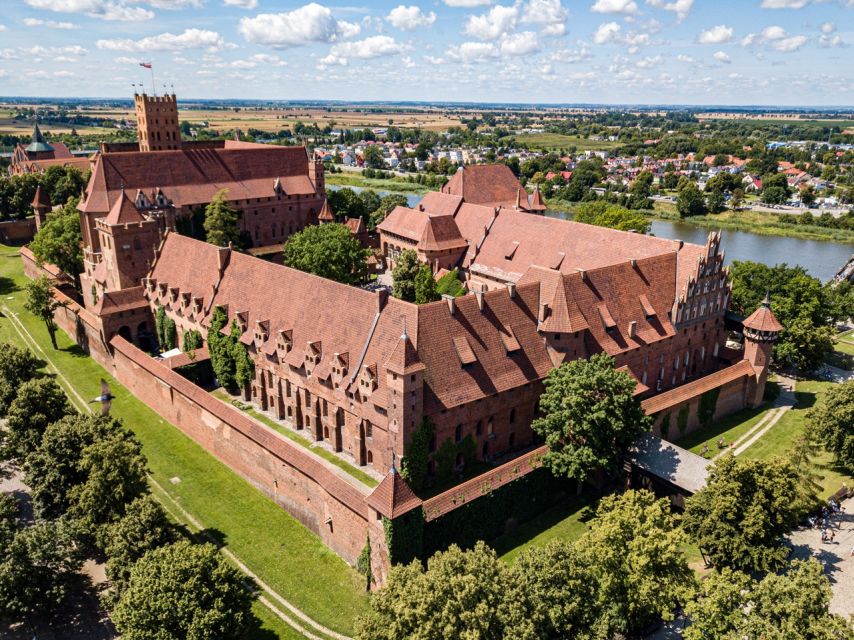
Book it if you want an easy, private route from the Tri-City area to Poland’s great brick fortress, with regional food and two very different historical stops added in. The best reasons are the three-hour Malbork visit, the wooden Żuławy setting, and the friendly guide service associated with Bozena.
Skip it if you want the cheapest possible way to reach the castle, need full wheelchair access, or prefer to explore Malbork without a fixed seven-hour schedule. For most visitors with the budget, this is a well-packed day that connects grand medieval architecture with the quieter traditions and difficult memories of Pomerania.
FAQ
How long does the tour last?
The tour lasts about seven hours, including pickup, the Malbork Castle visit, the Żuławy stop, lunch, Westerplatte, and return transport.
Where can I be picked up?
Pickup is available from your accommodation in Gdansk, Sopot, or Gdynia. The listed pickup points are 10 Lutego 29, Podwale Staromiejskie 104, and Tadeusza Kościuszki 2.
Is transportation back to my accommodation included?
Yes. Drop-off is included at the listed locations in Gdansk, Sopot, and Gdynia.
How much time do I spend at Malbork Castle?
The planned visit to Malbork Castle lasts about three hours.
Is the Malbork Castle entrance fee included?
Yes. Admission to Malbork Castle and the castle audio guide are included.
What languages are available?
Live guiding is available in English and Polish. The Malbork audio guide is available in Spanish, English, French, German, Italian, and Russian.
Is lunch included?
Yes. A traditional Polish lunch and beer are included. The meal is served at a traditional wooden house in the Żuławy countryside.
Is the tour suitable for wheelchair users?
No. The castle has many stairs and thresholds, and not every area can be reached by wheelchair. The activity is not suitable for wheelchair users.
Just added around Poland
- Szczecin Pomeranian Dukes’ Castle Exterior Private Tour★ 4.3 · 6 reviews
- Krakow: Skip-the-Line Wawel Castle & Old Town Guided Tour★ 4.9 · 23 reviews
- Malbork Castle: Private Tour from Gdansk, Sopot or Gdynia★ 4.8 · 8 reviews
- Private transportation to the Malbork Castle from Gdansk★ 4.8 · 6 reviews
- Malbork Castle Tour: 6-Hour Private Tour★ 4.8 · 14 reviews
- Malbork Castle Half Day Private Tour★ 5.0 · 8 reviews
- Krakow: Wawel Guided Tour – Cathedral and/or Castle★ 4.5 · 249 reviews
- Krakow: Wawel Castle, Cathedral, Salt Mine, and Lunch★ 4.9 · 6 reviews
Wawel & Polish Castles, compared.
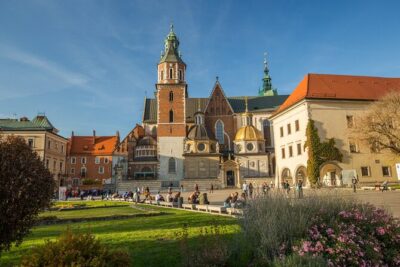
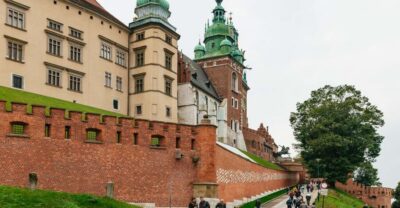
Krakow: Wawel Royal Hill with Optional Castle and Cathedral
Read our review →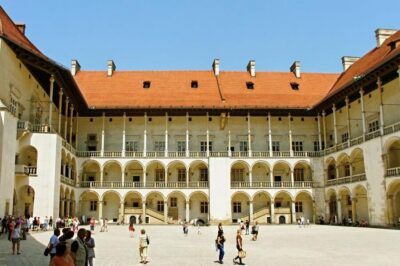
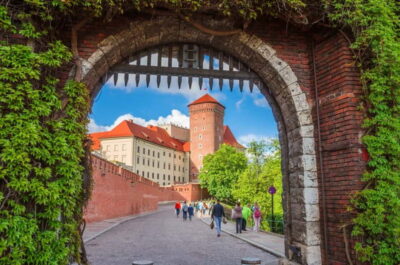
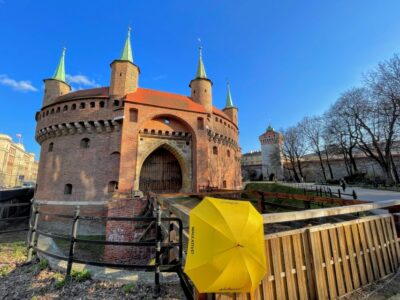
Kraków: Old Town & Wawel Castle Walking Tour in English
Read our review →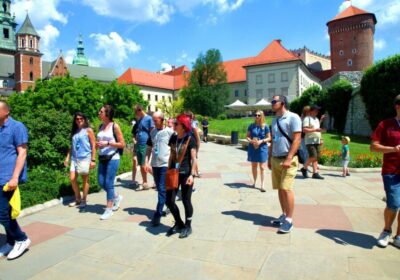
Krakow: Wawel Castle Guided Tour with Entry Tickets
Read our review →
Krakow’s Essential Tour of the Old Town and Wawel Castle
Read our review →Browse the lists this tour appears in