
REVIEW · WAWEL & POLISH CASTLES
Malbork Castle Tour: 6-Hour Private Tour
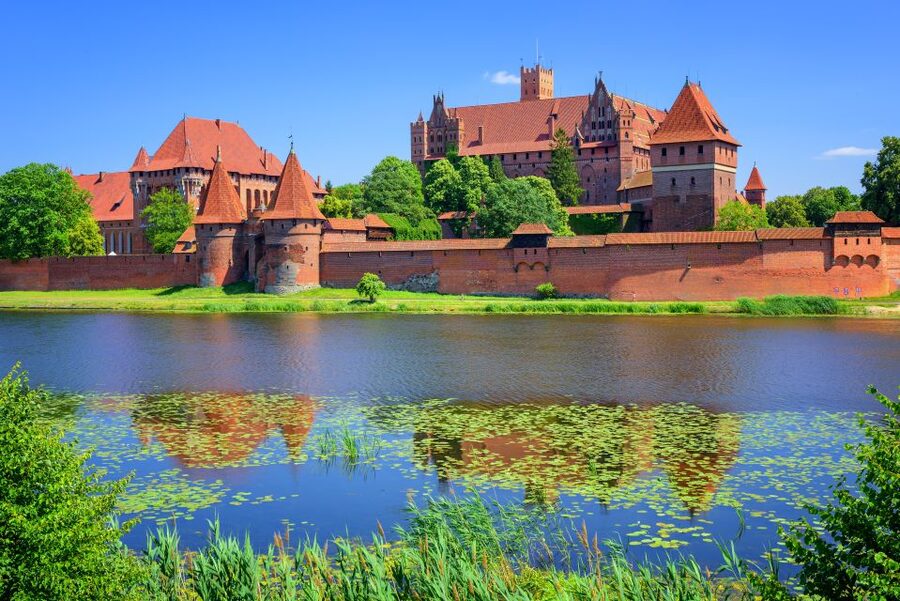
Malbork Castle is not a delicate ruin. It is a huge red-brick fortress that fills your view long before you reach the entrance. Built for the Teutonic Knights from the late 13th century, it took nearly five million bricks and became one of Europe’s great medieval strongholds. I like the guaranteed 3.5 hours of sightseeing, and I like having private pickup from Gdansk, Gdynia, or Sopot. The main caution is price: at $355 per person, this is a costly day out unless you value door-to-door transport and guided context.
I also like the way the tour connects grand rooms with ordinary monastic life. You are not only looking at towers and armor. You hear how an order of warrior monks lived, governed, worshipped, and fought. Just keep an eye on the clock and confirm the plan with your driver, since one past booking ended after four hours rather than six.
Key points to know before you book
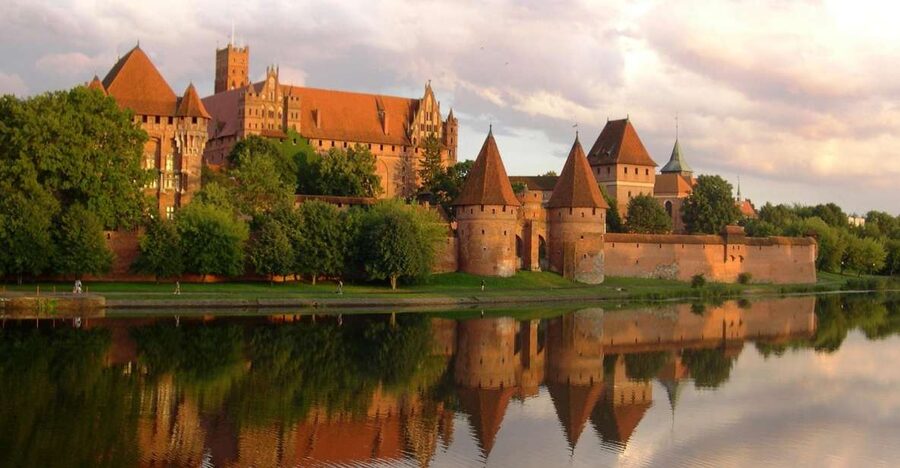
- Nearly five million bricks: Malbork’s scale is the first thing you notice, and the fortress feels more like a fortified town than a single castle.
- A full 3.5 hours at the site: The sightseeing time is protected even when traffic slows the trip from the coast.
- Grand Masters Palace and Great Refectory: These are among the main interior highlights, along with towers, chambers, medieval armor, and weapons.
- Private coastal pickup: Your driver can collect you at accommodation or a cruise port in Gdansk, Gdynia, or Sopot.
- Many stairs: Wear solid, comfortable shoes and expect a physically active visit.
- A premium price: $355 per person buys convenience, private transport, parking, skip-the-line admission, and guiding, but it is not a budget excursion.
Why Malbork Castle deserves a full morning
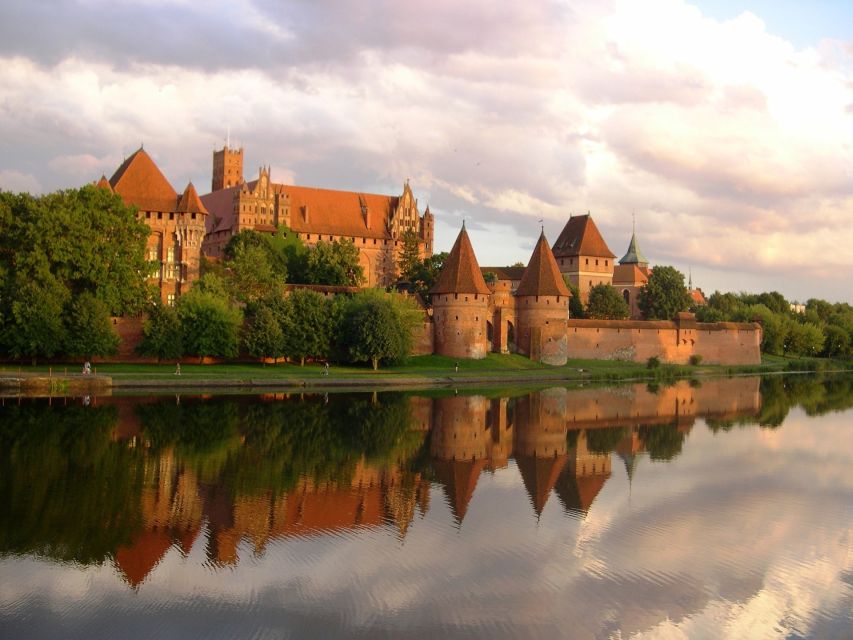
Malbork Castle is one of Poland’s most important UNESCO World Heritage sites, but its appeal is easy to understand even if you know little about medieval Europe. The fortress is immense, carefully built, and unusually complete. Its red-brick walls, towers, courtyards, and halls show how the Teutonic Knights turned military power into a permanent seat of government.
The castle dates from the end of the 13th century and served as a home for the Teutonic Knights Order. These were monastic warriors, so the site joins two worlds that do not usually appear together: religious discipline and military force. You can look at a defensive tower, then move into rooms tied to prayer, dining, administration, or the daily routine of the order.
I find that contrast more interesting than a simple parade of weapons. The castle gives you a sense of how an institution worked. The knights needed kitchens, storage rooms, meeting spaces, worship areas, guest quarters, and halls for formal meals. The fortress was not merely a place to hide during an attack. It was a working center of power.
The castle is also famous for surviving battles that destroyed or changed many other strongholds. It is described as one of very few fortresses in the world never captured in battle. That claim adds weight to the thick walls and defensive design you see around you. Even so, the castle’s story is not only about victory. You will hear about the long struggle between Poland and the Teutonic Order, including the battles that shaped the region.
More Wawel and Polish Castle Tours in Poland:
- Krakow: Wawel Castle & Cathedral Guided Tour
★ 4.7 · 2,111 reviews - Old Town Krakow & Wawel Castle Walking Tour
★ 5.0 · 1,508 reviews - Krakow: Wawel Royal Hill with Optional Castle and Cathedral
★ 4.2 · 1,220 reviews
Leaving the Baltic coast for Malbork
This is a six-hour private excursion from Gdansk, with pickup and drop-off at your accommodation or at a cruise port in Gdansk, Gdynia, or Sopot. An English-speaking driver handles the transport, and parking fees are included.
That arrangement is useful if you are staying in the Tri-City area and do not want to organize a separate train or rental car. It is especially handy for cruise passengers, since port pickup and return are built into the plan. You avoid the small decisions that can eat into a short port stay: finding the right station, arranging local transport, and locating parking near the castle.
The tradeoff is that road travel depends on traffic. The protected sightseeing time helps, since you are promised at least 3.5 hours at Malbork regardless of traffic jams. Still, you should read the day-before email carefully and keep an eye on messages from the operator. One booking had a driver arrive an hour late after the original driver became ill, and communication came through several channels. That does not define every departure, but it is a good reason to check your email and the tour app before bed.
A previous booking also finished after four hours instead of six because the driver set the local schedule differently. This is a practical warning: when you meet the driver, confirm the expected return time and the length of the castle visit. The supplied plan calls for 3.5 hours of guided sightseeing, so you should not quietly accept a much shorter visit without asking what happened.
Crossing into the castle complex
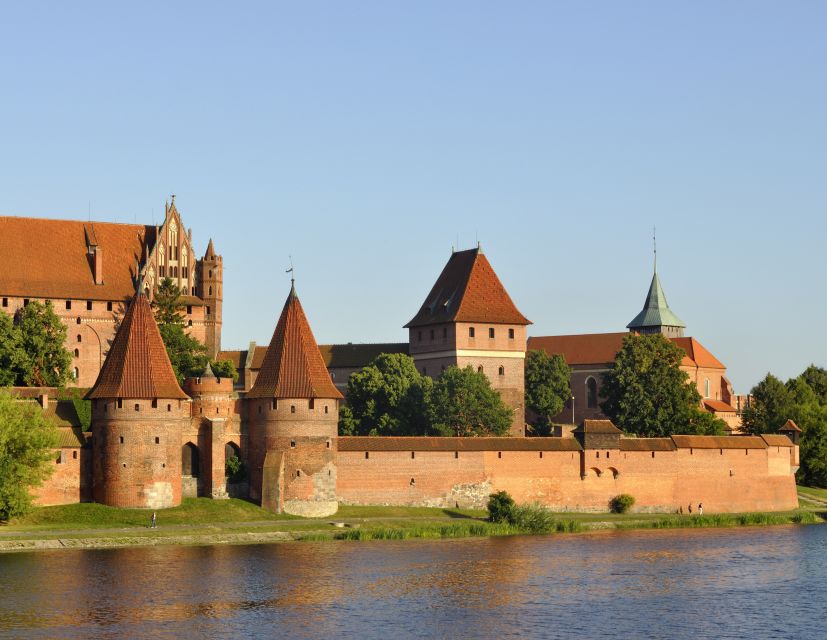
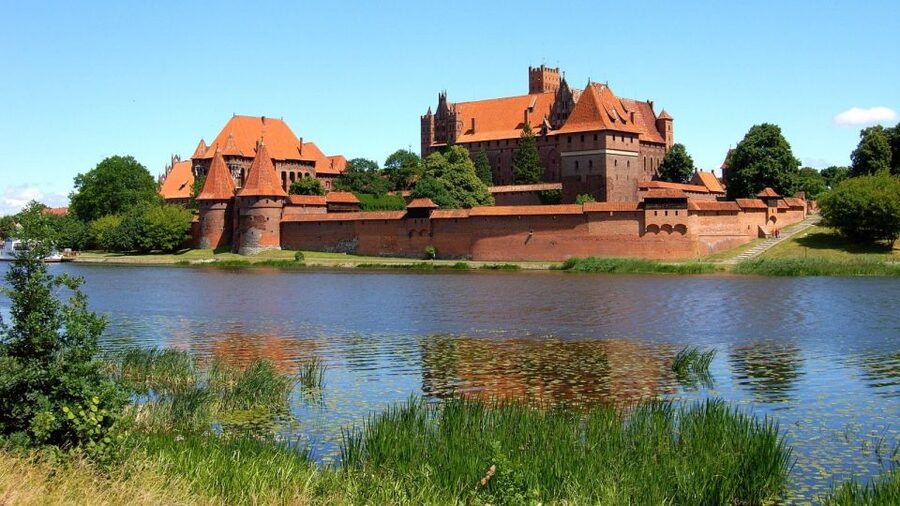
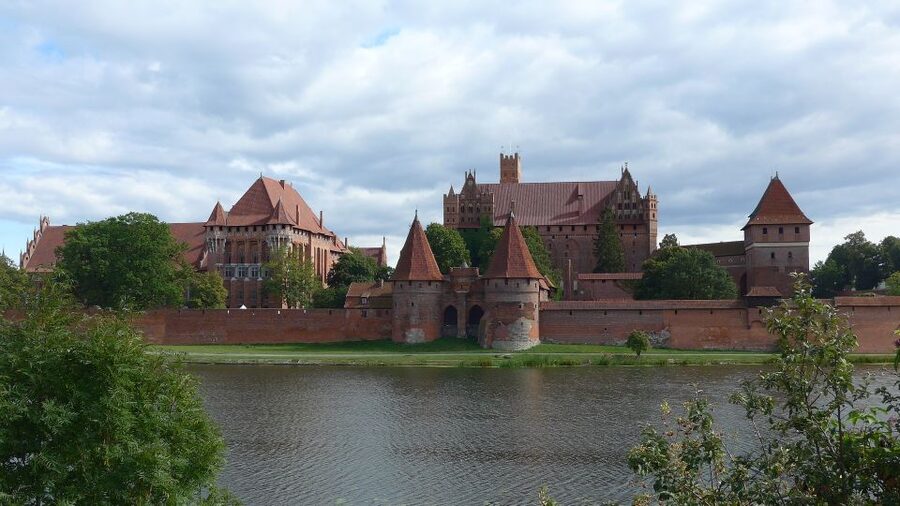
The first impression is scale. Malbork was built in three sections, each serving a different purpose within the larger fortress. The complex is made from millions of bricks, and the repeated brickwork gives the castle a strong, almost severe look. Stone castles can feel rough and ancient. Malbork feels planned, organized, and built for long-term control.
As you enter, your guide helps turn that size into a story. Without guidance, you might simply see one courtyard after another and struggle to understand how the sections fit together. With an organized tour, the walls become part of a defensive system, the halls become places with specific duties, and the towers make sense as both military and residential spaces.
The guaranteed time matters here. A quick hour would let you take photographs and admire the outer walls, but it would not give you much room for the interiors. Three and a half hours lets you move at a sensible pace, listen to the guide, and spend time with the collections rather than rushing from doorway to doorway.
Do not treat this as a flat walking tour. The site includes many stairs, and the important rooms are spread through a large complex. Wear shoes that are comfortable on hard surfaces and suitable for repeated climbs. If stairs are difficult for you, this may not be an easy outing, since the tour information specifically warns that many are involved.
The Grand Masters Palace and Great Refectory
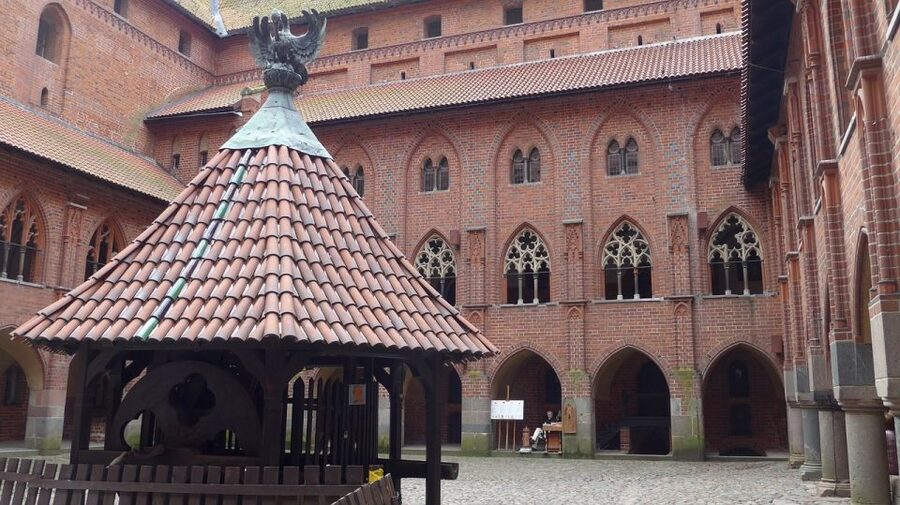
The Grand Masters Palace is one of the central stops. This is where the military and administrative power of the Teutonic Order becomes easier to picture. You will move through grand chambers and rooms connected with the leaders of the order, hearing about the men who directed campaigns and managed the fortress.
The Great Refectory offers a different view. A refectory is a communal dining hall, so this space helps explain the monastic side of the castle. The order was not made up of soldiers living independently. Its members followed a shared religious and institutional life, with set places for meals and daily duties.
That shift from palace to dining hall is one of the best features of the visit. You see the difference between ceremonial power and routine. A large hall tells you about rank and hospitality, while a refectory points to discipline, shared meals, and the practical needs of a resident community.
Guiding quality matters most inside these rooms. A strong guide can explain why a chamber was built, who used it, and how it relates to the rest of the order. Ludwig is named as one guide who added extra explanation during a past visit, while another guide was praised for being warm and well-informed. The available languages include English, German, Polish, Russian, Norwegian, Swedish, French, Spanish, and Italian.
Language ability may vary by guide, so if you need a language other than English, confirm it when booking. One Spanish-language experience was less satisfying because the guide’s Spanish and castle knowledge were not strong enough. That is a useful reminder to treat language selection as an important part of the booking, not a minor detail.
More Private Tours in Poland:
- From Gdansk: Malbork Castle Half-Day Private Tour
★ 4.8 · 29 reviews - Malbork Castle: Private Tour from Gdansk, Sopot or Gdynia
★ 4.8 · 8 reviews - Malbork Castle Half Day Private Tour
★ 5.0 · 8 reviews - Krakow: Skip the Line Wawel Castle & Cathedral Private Tour
★ 5.0 · 8 reviews
Armor, weapons, towers, and the daily life of the order
The castle interiors include medieval armor and weapons, but the collection works best when you view it alongside the building. A sword or suit of armor can seem like a museum object in isolation. Here, it relates to the fortifications, the order’s military purpose, and the battles fought between Poland and the Teutonic Knights.
You will also see towers and many chambers. Some spaces are grand, while others help you understand the machinery of life inside a fortress. The point is not to memorize every room. It is to notice how many different tasks had to happen behind the walls: defense, worship, food preparation, administration, lodging, and formal meetings.
The guide’s stories about brave knights and major battles add a human edge to the brick and masonry. At the same time, keep a healthy distance from romantic tales of chivalry. The Teutonic Order was a powerful political and military force, and the conflict with Poland was serious and prolonged. The best part of the tour is seeing both sides: the courage and organization of the knights, and the wider struggle for control of the region.
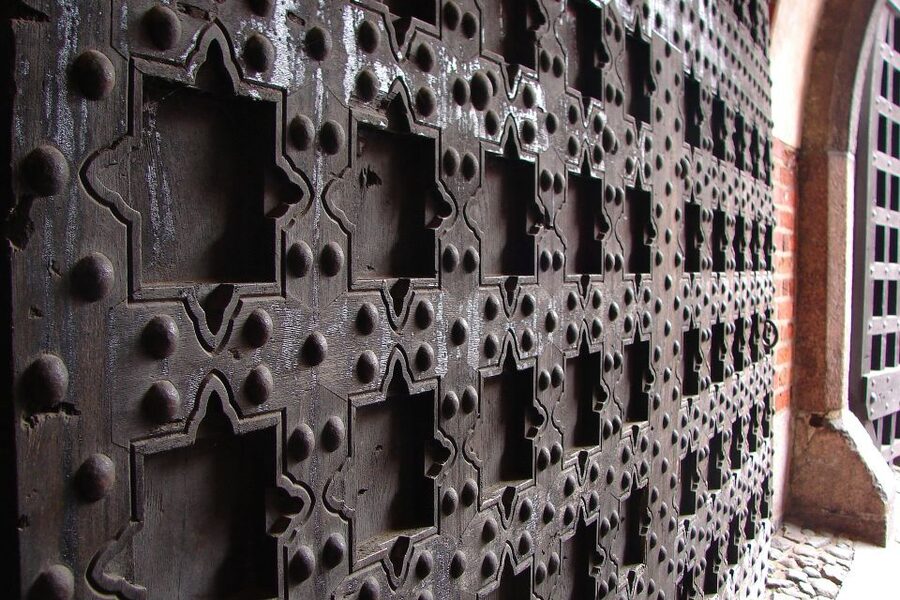
I recommend letting the guide set the structure, then using spare moments to look closely at details. Brick patterns, narrow openings, heavy doors, and the relationship between courtyards and towers tell their own story. You do not need to know architectural terms to appreciate how the fortress was designed.
How the six-hour schedule works
The advertised duration is six hours, including transport from the coast and the castle visit. The key promise is 3.5 hours of sightseeing in Malbork, which gives the visit a clear minimum rather than leaving the length of the castle tour entirely to traffic or the driver’s preference.
That timing is long enough for the main interiors and a serious look at the complex. It is not an overnight-style examination of every display, but it should give you time for the Grand Masters Palace, Great Refectory, chambers, towers, armor, weapons, and the main historical explanations.
The private format can make the day less rigid than a large coach excursion. You have one driver, your own party, and a guide available in the listed language. The experience is best for people who want structure but do not want to be folded into a big group.
Still, private does not automatically mean flawless. Confirm pickup details, watch for the day-before message, and ask how the driver and castle guide will coordinate. A past problem involved a late driver and delayed information, while another involved a shortened schedule. These are preventable concerns if you clarify the timing at the start.
Is $355 per person fair value?
At $355 per person, this is an expensive excursion. You are paying for more than castle admission. The price includes private pickup and return, an English-speaking driver, parking, skip-the-line tickets, and a 3.5-hour guided visit.
That package can make sense for a small group that values convenience. If you are arriving by cruise ship, a private transfer reduces the risk of getting lost or missing your return. If you are staying in Gdansk and have limited time, the door-to-door arrangement saves planning effort.
The value is weaker if you are comfortable arranging public transport, buying admission yourself, and exploring without a private driver. The experience does not become cheap simply because it includes several services. You should compare the total cost for your group, not only the per-person figure.
The strongest reason to pay the premium is the combination of time protection and interpretation. Malbork is large enough that a short, unguided visit could leave you with impressive photographs but little sense of how the order lived and ruled. A good guide gives the castle a clear shape.
Who will enjoy this private castle tour?
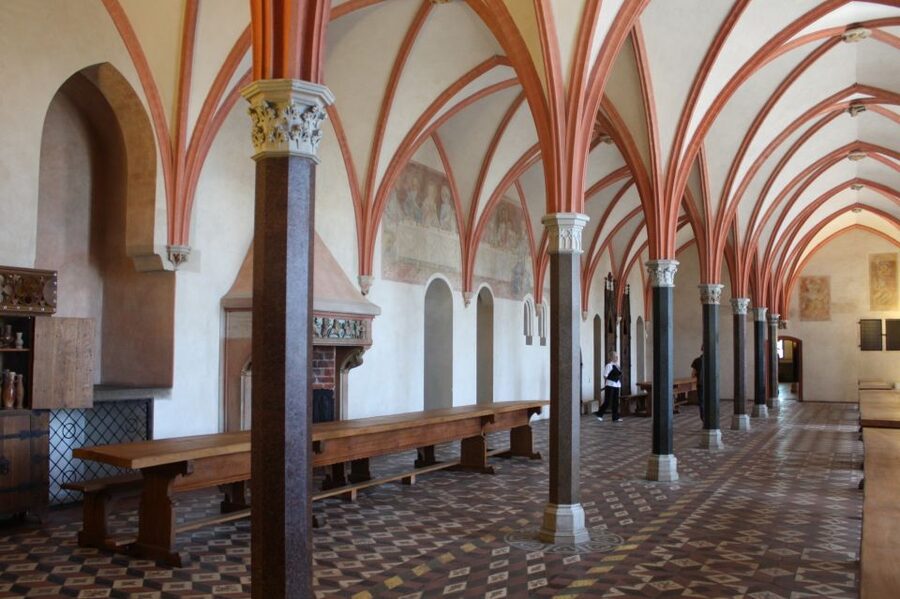
I would choose this for a history-focused visitor staying on the Polish coast, especially someone with only one day available for Malbork. It also fits families or small private groups that prefer a dedicated vehicle and a guide rather than a large shared coach.
It is a good match if you care about medieval military architecture, the Teutonic Knights, Polish history, or UNESCO sites. You do not need specialist knowledge. The castle itself supplies the drama, and the guide fills in the political and religious setting.
I would hesitate if you dislike stairs, struggle with long periods of walking, or want a relaxed half-day with little structure. The site is large, and the visit involves repeated climbs. I would also think twice if your main goal is the lowest possible price.
The overall rating is 4.8 from 14 bookings, with especially strong praise for the informative transport, the local castle guide, and the smooth combination of pickup and touring. There were also clear complaints about a late arrival, a shortened schedule, and one guide’s weak Spanish. The pattern suggests a strong core experience with logistics and language matching worth checking carefully.
Should you book the Malbork Castle tour?
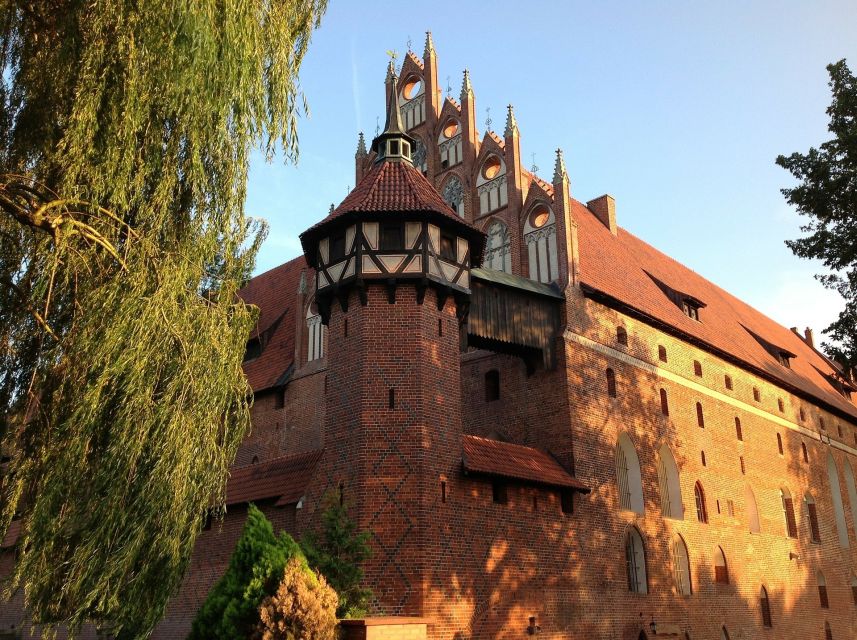
Book it if you want the simplest way to reach one of Poland’s great medieval sites from Gdansk, Gdynia, or Sopot, and you are willing to pay for private transport and a guided visit. The guaranteed 3.5 hours at the castle is the most useful part of the arrangement.
Before paying, confirm your pickup point, guide language, expected return time, and the full castle visit. Check your email the day before, wear good shoes, and do not let the driver’s schedule quietly cut the visit short.
If $355 per person fits your budget, this tour gives Malbork the time and context it deserves. If price matters more than convenience, arrange the journey independently and spend your savings on extra time elsewhere in Poland.
FAQ
How long does the Malbork Castle tour last?
The tour lasts six hours, including transport from Gdansk, Gdynia, or Sopot and the castle visit.
How much sightseeing time is guaranteed at Malbork Castle?
The tour guarantees 3.5 hours of sightseeing at Malbork Castle, even if traffic jams affect the journey.
Where can pickup and drop-off take place?
Pickup and drop-off are available at your accommodation or at a cruise port in Gdansk, Gdynia, or Sopot.
Is this a private tour?
A private group option is available. The experience includes private pickup and transport arrangements.
Is transportation included?
Yes. An English-speaking driver provides transportation, and parking fees are included.
Are castle entrance tickets included?
Yes. Skip-the-line tickets to Malbork Castle are included.
Which languages are available for the guide?
Guiding is available in English, German, Polish, Russian, Norwegian, Swedish, French, Spanish, and Italian.
Are there many stairs at Malbork Castle?
Yes. The visit involves many stairs, so you should wear suitable, comfortable shoes.
Can I cancel for a full refund?
Yes. You can cancel up to 24 hours in advance for a full refund.
Do I have to pay when I book?
No. The reserve-now-and-pay-later option lets you book without paying immediately.
Just added around Poland
- Szczecin Pomeranian Dukes’ Castle Exterior Private Tour★ 4.3 · 6 reviews
- Krakow: Skip-the-Line Wawel Castle & Old Town Guided Tour★ 4.9 · 23 reviews
- Malbork Castle: Private Tour from Gdansk, Sopot or Gdynia★ 4.8 · 8 reviews
- Private transportation to the Malbork Castle from Gdansk★ 4.8 · 6 reviews
- Gdansk: Malbork Castle & Westerplatte Tour with Local Lunch★ 5.0 · 12 reviews
- Malbork Castle Half Day Private Tour★ 5.0 · 8 reviews
- Krakow: Wawel Castle, Cathedral, Salt Mine, and Lunch★ 4.9 · 6 reviews
- Krakow: Wawel Castle Guided Tour★ 4.7 · 14 reviews
Wawel & Polish Castles, compared.
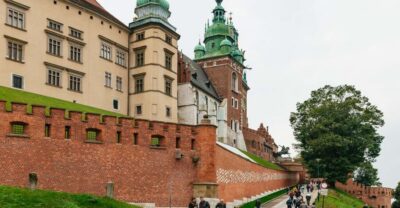
Krakow: Wawel Royal Hill with Optional Castle and Cathedral
Read our review →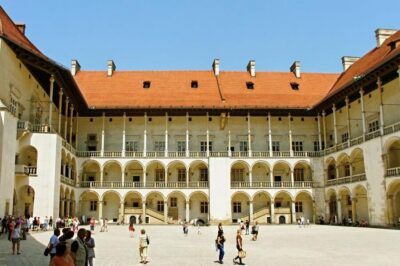
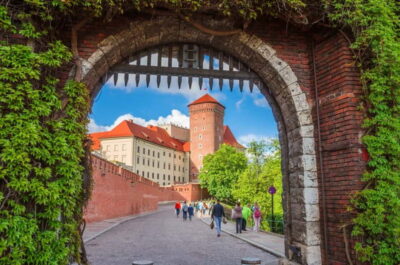
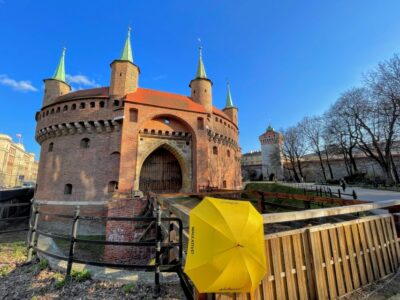
Kraków: Old Town & Wawel Castle Walking Tour in English
Read our review →
Krakow: Wawel Castle Guided Tour with Entry Tickets
Read our review →
Krakow’s Essential Tour of the Old Town and Wawel Castle
Read our review →Browse the lists this tour appears in