

REVIEW · FORTRESS & CITADEL TOURS
Hadrian’s Wall: Chesters Roman Fort and Museum Entry Ticket
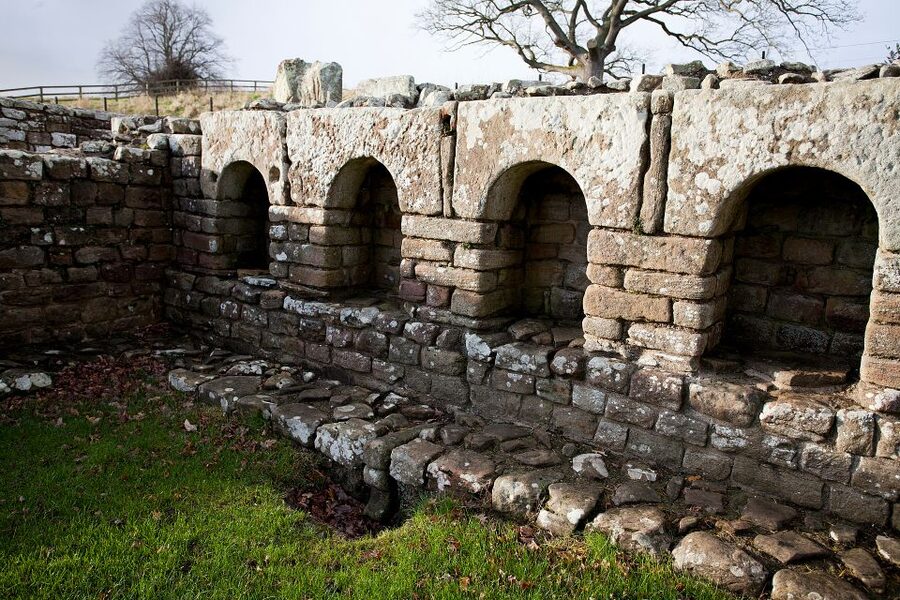
Chesters Roman Fort has one great surprise: its Roman bathhouse is still remarkably easy to understand. Set beside the North Tyne, the complex included hot, cold, and steam rooms where soldiers from northern Spain could rest after duty. It feels less like a pile of stones and more like a place built for everyday life.
I like the e-reader, which puts facts in your hand as you move around the site. I also like the mix of ruins and digital reconstructions, especially the images showing cavalrymen sharing their barrack block with their horses. The main drawback is scale. If you want a full day of grand monuments, Chesters may feel quiet and compact, and one recent booking found the admission and parking cost hard to justify.
Key points
- Britain’s best-preserved Roman military bathhouse: See the hot, cold, and steam-bathing rooms beside the North Tyne.
- A complete Roman cavalry fort: Explore the headquarters, courtyard, hall, shrine, barracks, and commandant’s house.
- Clayton Museum artifacts: Examine Roman objects and inscriptions found at Chesters and along Hadrian’s Wall.
- Helpful self-guiding tools: Pick up an e-reader and the Chesters Fort takeover trail sheet at admission.
- Good base for more Roman sites: Chesters works well as a first stop before visiting other parts of Hadrian’s Wall.
- Simple Northumbrian refreshment: The tearoom serves light lunches, local ingredients, sweet treats, drinks, and stottie cakes.
Why Chesters is different from other Hadrian’s Wall sites
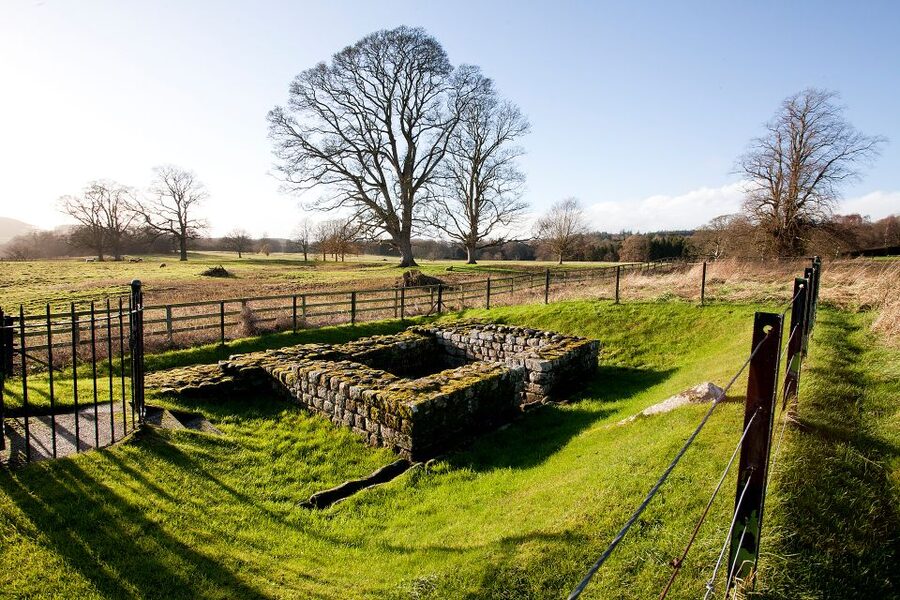
Hadrian’s Wall is often pictured as a long stone barrier crossing open country. Chesters shows you the people who lived behind that frontier. This was a military post, but the surviving buildings reveal bathing, administration, worship, housing, and command.
The fort is described as the most complete Roman cavalry fort in Britain. That matters because cavalry life was different from the life of a standard infantry unit. The barrack blocks had to accommodate both soldiers and horses. Digital reconstructions help you picture that arrangement instead of seeing only low foundations.
The site is run by English Heritage, and your admission covers both the fort and the Clayton Museum. You explore at your own pace rather than joining a fixed guided walk. That suits you if you like stopping often, reading details, and taking your time with the remains.
The price is listed at about $13 per person. That is reasonable if you plan to use the museum, follow the fort trail, and spend time at the bathhouse. It is less convincing if you only make a quick stop to glance at the ruins. Allow for possible parking costs too. A recent booking recorded £4 for parking, so check the current total before setting out.
More Castle Entry Tickets in the UK
- Edinburgh Castle: Guided Walking Tour with Entry Ticket
★ 4.7 · 11,699 reviews - Windsor Castle Admission Ticket
★ 4.7 · 7,032 reviews - Edinburgh Castle: Guided Walking Tour with Entry Ticket
★ 5.0 · 5,540 reviews
Start with the Clayton Museum and your e-reader
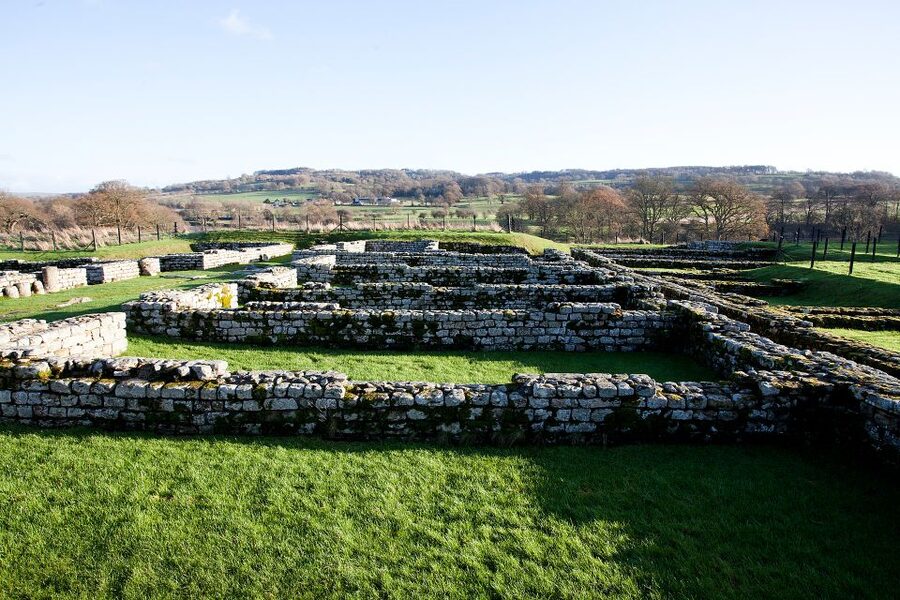
Begin at the recently updated Clayton Museum. Pick up the e-reader from the admissions area, along with the Chesters Fort takeover trail sheet. This gives you an immediate way to organize the visit, particularly if you are travelling with children or want more structure than a simple walk around the walls.
The museum contains Roman objects and inscriptions found at the fort and along Hadrian’s Wall. These small finds help fill in the gaps left by the stonework. A carved inscription can tell you about a unit, a dedication, or a building project in a way that a bare foundation cannot.
The museum also explains John Clayton, the Victorian lawyer associated with preserving Hadrian’s Wall. He is often called the Savior of the Wall because of his work protecting parts of the frontier from further damage. Chesters’ museum first opened in 1896 for the Trustees of the Clayton Collection, and its original Edwardian display cabinets remain in use.
That gives the museum a particular character. It is not only a room of Roman pieces. It also records the long effort to protect and interpret the monument. I like this two-layer story: first the Roman fort itself, then the Victorian campaign to save it.
The e-reader is especially useful if you do not already know Roman military terms. Use it before heading into the ruins, then refer back to it when you reach the buildings it describes. You will get more from the visit than you would by relying on signs alone.
Follow the fort’s military heart
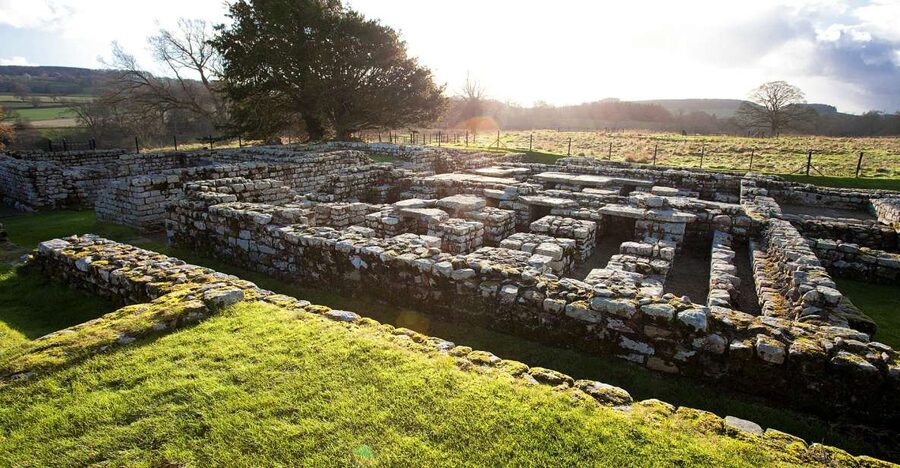
After the museum, make your way through the fort. The suggested route includes the headquarters building and courtyard, the hall, the regimental shrine, the barrack block, and the commandant’s house.
The headquarters was the administrative center of the fort. The courtyard and hall help you understand that this was not simply a defensive wall with soldiers sleeping behind it. Orders, supplies, records, and official business all had to be managed here.
The regimental shrine gives the site a personal and religious side. Roman military forts included places for ceremony and worship, and this stop reminds you that soldiers brought beliefs and rituals with them to the far edge of the empire.
The barracks are one of the best places to use the digital reconstructions. The cavalrymen shared these blocks with their horses, an arrangement that shaped daily life, smells, noise, and space. The remains alone cannot show that clearly, but the digital images make the layout easier to grasp.
The commandant’s house offers a different picture. Its remains point to an elaborate and comfortable residence, a sharp contrast with the shared military quarters. That contrast helps you see the rank system inside the fort. The commander did not live like an ordinary cavalryman.
You should not expect intact walls or furnished rooms. This is an archaeological site, and much of what you see is at foundation level. The value comes from connecting the remains with the museum objects and e-reader content. Without that context, the route can feel brief. With it, the same stones begin to make sense.
Spend real time at the riverside bathhouse
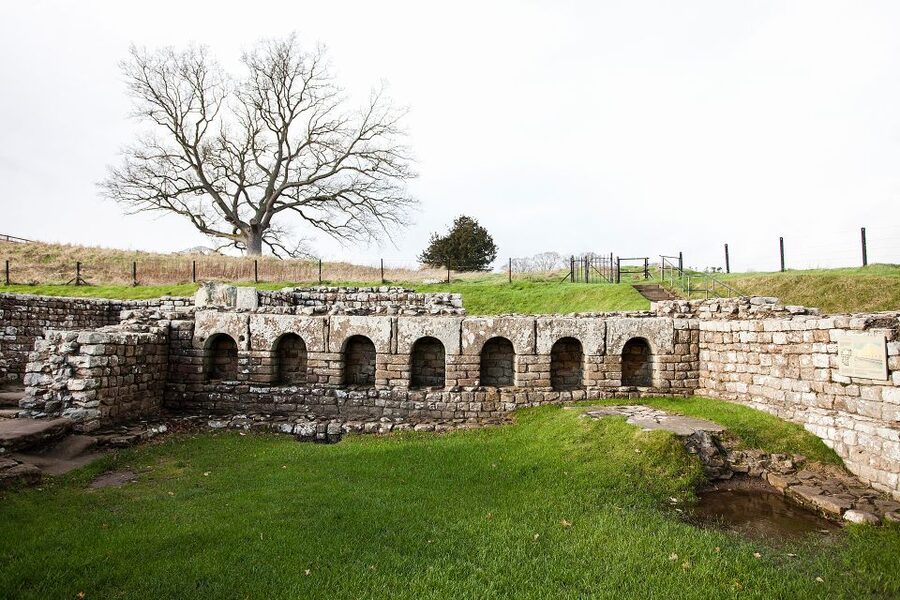
The bathhouse is the star of Chesters. It sits beside the North Tyne in a quiet setting, and its surviving rooms are unusually clear. You can make out the sequence of spaces used for hot, cold, and steam bathing.
This was not a minor luxury. Roman baths were social centers as well as places to wash. At Chesters, weary soldiers from northern Spain could relax after service at one of the empire’s most distant military outposts. The river setting makes the site feel calm today, though its original purpose was practical and communal.
Look closely at the arrangement of rooms rather than rushing through for a single photograph. The bathhouse gives you one of the strongest links between the fort’s military purpose and the ordinary routines of the people who served there.
I like this part of Chesters because it adds texture to the usual picture of Roman Britain. Hadrian’s Wall can seem all guards, weapons, and frontier control. The bathhouse shows soldiers eating, washing, resting, and spending time together.
The setting is also a reason to bring suitable clothing. Northumberland weather can change, and much of the visit takes place outdoors. Wear comfortable shoes and bring weather-appropriate clothing. The ground around the ruins may not feel as easy as a paved museum floor.
More Fortress and Citadel Tours in the UK
- Discover the City Walls – Small Group Public or Private Tour
★ 5.0 · 160 reviews - Hadrian’s Wall: Housesteads Roman Fort Entry Ticket
★ 4.7 · 44 reviews - Discover the City Walls – Small Public Group or Private Tour
★ 4.9 · 39 reviews - Hadrian’s Wall: Birdoswald Roman Fort Entry Ticket
★ 4.2 · 20 reviews
Use the reconstructions to picture Roman daily life

The digital reconstructions are not just decoration. They answer the question you will probably ask while walking through the fort: what did this building look like when people actually used it?
The barrack images show how cavalrymen and horses occupied the same block. Other reconstructions help you picture rooms that are now reduced to walls and foundations. This is particularly useful for children, first-time visitors, and anyone who finds it difficult to read an archaeological plan.
The e-reader keeps the information close at hand, so you can match the digital view to the physical remains. I recommend looking at the reconstruction first, then standing in the ruins and checking which details survive. That simple comparison makes the site much more engaging.
There is a trade-off. Because the visit is self-guided, you must take the initiative. No guide is named for this experience, and no live guiding is included in the information provided. If you prefer a spoken explanation and a steady group route, this may feel less satisfying than a guided tour.
For independent visitors, the freedom is a strength. You can linger at the bathhouse, move quickly through the headquarters, or repeat a section with the e-reader. A small-group option is available, but the core experience remains a flexible fort and museum visit.
Plan the visit around the seasons
Chesters is open for a full day of exploring, but the last entry changes with the season. From April 1 through October 29, last entry is at 4:00 PM. From October 30 through March 31, last entry is at 3:00 PM.
Those cutoffs matter because the fort is spread across outdoor ruins, a museum, and the bathhouse. Arriving late may leave you with too little time to use the e-reader properly or follow the trail sheet without rushing.
I would allow enough time for all three parts: the Clayton Museum, the main fort, and the bathhouse. The exact visit length is not specified, so your pace will determine it. A quick visit is possible, but the site rewards a slower approach.
Chesters also works as a launching place for other Hadrian’s Wall sites. One booking specifically used it as a starting point before visiting several more locations along the wall. That makes the admission more valuable if you are building a full Roman itinerary rather than visiting Chesters in isolation.
Do not confuse a day-valid entry ticket with a guided day tour. Your ticket is for entry to Chesters Roman Fort and Museum. Transport between Hadrian’s Wall sites is not included, and no wider route is specified.
Take a break at the Chesters tearoom
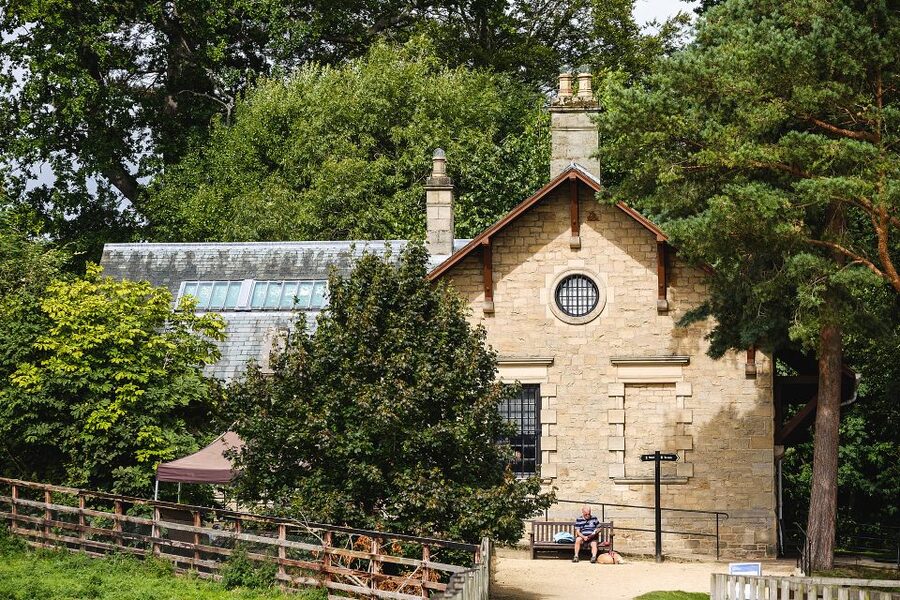
After the ruins, the Chesters tearoom gives you an easy place to pause. It serves light lunches made with locally sourced ingredients, along with sweet treats and hot and cold drinks.
Try a stottie cake if you want a Northumbrian food experience. It is a traditional local bread and a more fitting choice here than treating the tearoom as an afterthought. Food is useful at a site like this because the fort visit takes place outdoors and can stretch longer than expected once you start reading and comparing the reconstructions.
The tearoom is also practical for families. The trail sheet gives children a task to follow, and a food stop breaks up the museum and ruins. Still, the available information does not promise a large menu, so do not plan the entire day around an elaborate meal.
Who will get the most from Chesters?

I would choose Chesters if you enjoy archaeology, Roman Britain, military history, or sites where small details matter. The bathhouse is the strongest reason to come, while the e-reader and reconstructions make the less complete buildings easier to understand.
Families can make good use of the takeover trail sheet and digital material. Children who need constant activity may find the foundations slow if you do not use the trail or explain the horse-and-soldier layout as you go.
It is also a good fit for anyone touring several Hadrian’s Wall locations. Chesters gives you a useful introduction to how a fort operated before you move on to other remains.
I would be more cautious if you expect a dramatic, intact monument. One recent booking felt that the cost was not worthwhile and wanted to leave soon after arriving. That reaction is understandable if you are looking only for tall walls, large rooms, or a long guided program.
The published rating is 4.2 out of 5 from 13 reviews, with several very positive scores and one very negative experience. That spread tells you something useful: Chesters works best when you take an interest in the interpretation, not just the appearance of the ruins.
Practical value at about $13 per person
At roughly $13 per person, admission is fair for a Roman fort, museum, and well-preserved bathhouse in one stop. The value improves if you use the e-reader, read the inscriptions, follow the trail sheet, and set aside time for the commandant’s house and headquarters.
It is less good value for a short photo stop. Add any parking charge to your calculation. One recent booking recorded £4 for parking, so the total cost may be higher than the headline admission.
Free cancellation up to 24 hours before the visit gives you some protection if your plans change. You can also reserve and pay later, which helps if you are still arranging a wider Hadrian’s Wall route.
The site is wheelchair accessible, but the provided information does not describe every surface or route in detail. If you need specific access information, confirm the current arrangements before booking.
Should you book Chesters Roman Fort?
Book it if you want to understand how Roman soldiers lived, not just where the wall ran. The bathhouse is unusually complete, the cavalry barracks have an interesting horse-sharing layout, and the Clayton Museum adds objects and inscriptions that make the ruins easier to read.
I would combine Chesters with other Hadrian’s Wall sites if possible. That gives the $13 admission more weight and makes the fort a useful first stop rather than an isolated visit.
Skip it if your time is extremely short or your main goal is a huge, dramatic ruin. Chesters asks you to slow down, use the e-reader, and connect the museum with the foundations. Do that, and the bathhouse and daily-life details make this one of the more rewarding smaller stops along the wall.
FAQ
What does admission to Chesters Roman Fort include?
The ticket includes entry to Chesters Roman Fort and the Clayton Museum.
How much does admission cost?
The listed price is $13 per person. Parking may cost extra, so check the current total before visiting.
How long is the ticket valid?
The ticket is valid for one day.
Can I cancel my booking?
Yes. You can cancel up to 24 hours in advance for a full refund.
Can I reserve now and pay later?
Yes. The booking option lets you reserve your place and pay nothing immediately.
What are the last entry times?
From April 1 to October 29, last entry is at 4:00 PM. From October 30 to March 31, last entry is at 3:00 PM.
Is Chesters Roman Fort wheelchair accessible?
Yes, the experience is listed as wheelchair accessible.
What should I bring?
Bring weather-appropriate clothing and comfortable shoes.
Is a guide included?
The experience provides an e-reader and a Chesters Fort takeover trail sheet. A small-group option is available, but a named guide is not specified.
What food is available at Chesters?
The tearoom serves light lunches made with locally sourced ingredients, sweet treats, hot and cold drinks, and traditional Northumbrian stottie cakes.
More Museum Visits in the UK
- Perth: The Black Watch Castle and Museum Entry Ticket
★ 4.8 · 5 reviews - Osaka Castle: Museum and Tower Entry Ticket
★ 4.5 · 2,380 reviews - Chapultepec Castle & Anthropology Museum Tour
★ 4.5 · 1,348 reviews - Cairo: Egyptian Museum, Citadel, and Old Cairo Guided Tour
★ 4.7 · 853 reviews
Just added around the UK
- Leeds Castle and Canterbury – Day Tour from Brighton★ 5.0 · 16 reviews
- Private Tour – Causeway, Castles & Whiskey Tour – Game of Thrones★ 5.0 · 21 reviews
- Private Tour: Giant’s Causeway, Norman Castles, and Game of Thrones Film Locations★ 5.0 · 70 reviews
- From Belfast-Giants Causeway, Dunluce Castle and Dark Hedges tour★ 4.5 · 193 reviews
- Lacock and Castle Combe – Afternoon Private Tour★ 5.0 · 55 reviews
- Aberdeenshire Private Half Day Castle & Historic Building Tour★ 5.0 · 18 reviews
- Best Scottish Whisky Distilleries Private Tasting Trip plus optional Castle Tour★ 5.0 · 4 reviews
- Dunnottar Castle and Royal Deeside Small-Group Tour from Aberdeen★ 5.0 · 196 reviews
Fortress & Citadel Tours, compared.

Full Day Taj Mahal, Agra Fort & Baby Taj Tour from Delhi by Car
Read our review →
Fort Sumter Admission and Self-Guided Tour with Roundtrip Ferry
Read our review →
Carcassonne: Castle and Ramparts Entry Ticket
Read our review →
Charleston: Fort Sumter Entry Ticket with Roundtrip Ferry
Read our review →
Same Day Taj Mahal, Fort & Baby Taj Tour from Delhi by Car
Read our review →
From Delhi: Taj Mahal and Agra Fort Private Sunrise Tour
Read our review →
Sunrise Taj Mahal, Agra Fort & Baby Taj Tour from Delhi by Car
Read our review →
Salzburg: Hohensalzburg Fortress Admission Ticket
Read our review →Browse the lists this tour appears in