
REVIEW · FORTRESS & CITADEL TOURS
Doha: Olafur Eliasson Exhibit, Zubara Fort & Al Jumail
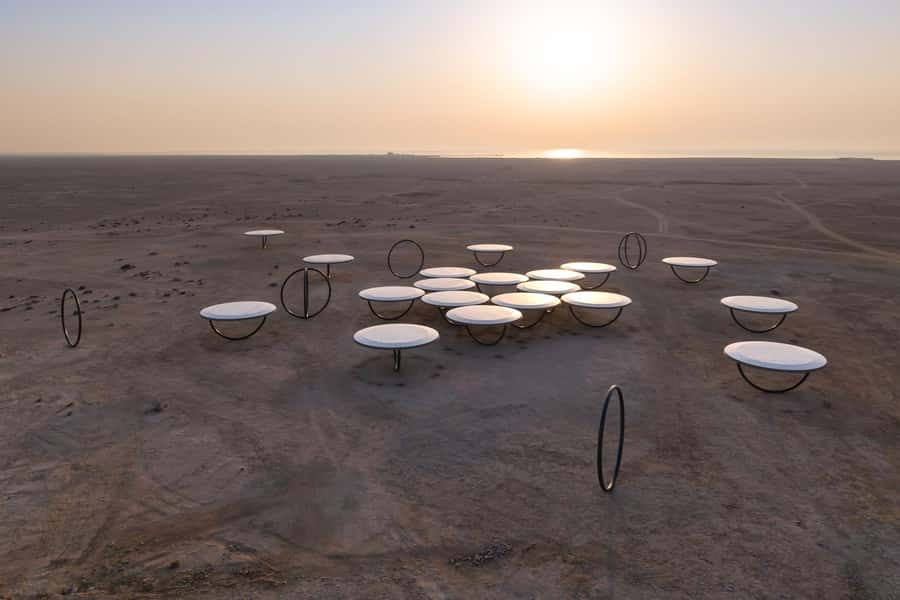
Northern Qatar’s big surprise is how art, archaeology, and open desert fit together in one short outing. You’ll visit Al Zubara Fort, walk beneath Olafur Eliasson’s ceiling mirrors, and poke around the abandoned fishing village of Al Jumail.
I like the small group of six or fewer, which keeps the ride comfortable and makes it easier to ask questions. I also like the mix of places: one stop explains Qatar’s past, another makes you think about the ground beneath your feet, and the last gives you a look at old village life.
The catch is the pace. Four hours covers a lot of road, and several stops are brief. The Eliasson installation also requires walking outdoors, so heat, sun, and comfortable shoes matter more here than a polished itinerary might suggest.
Key points at a glance
- A long northern drive from Doha: About 75 minutes in a jeep or SUV gets you to the first main stop.
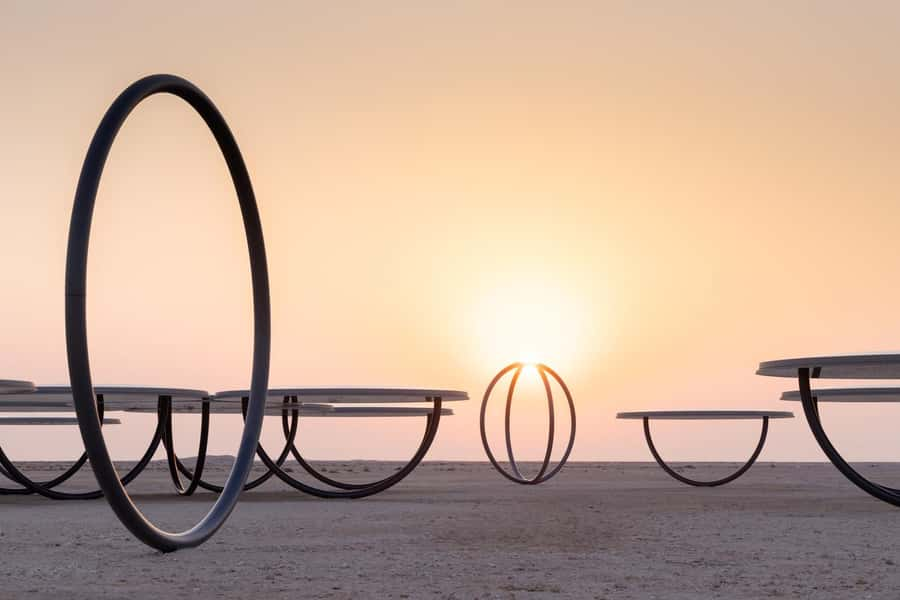
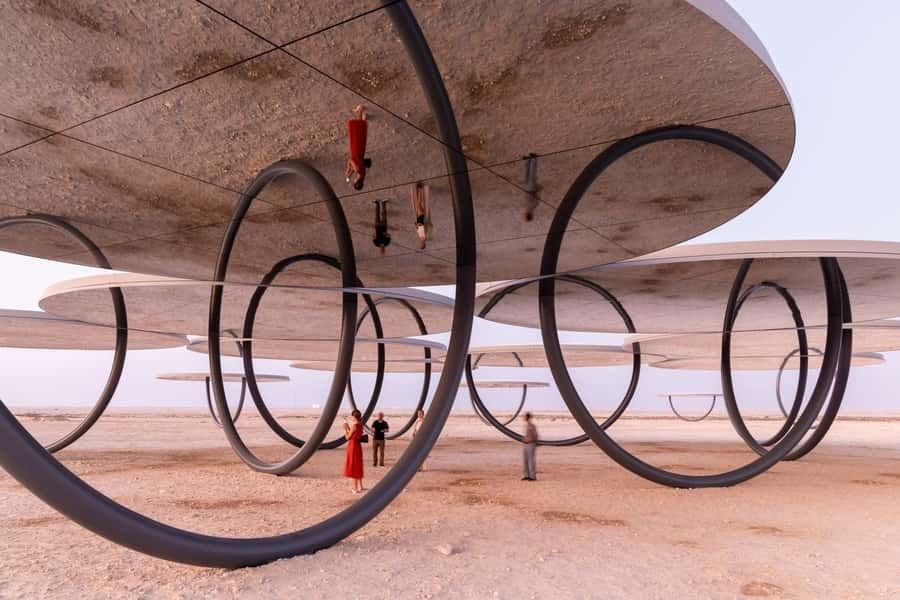
- A powerful mirror installation: Olafur Eliasson’s Shadows Travelling on the Sea of the Day reflects the desert floor from large ceiling mirrors.
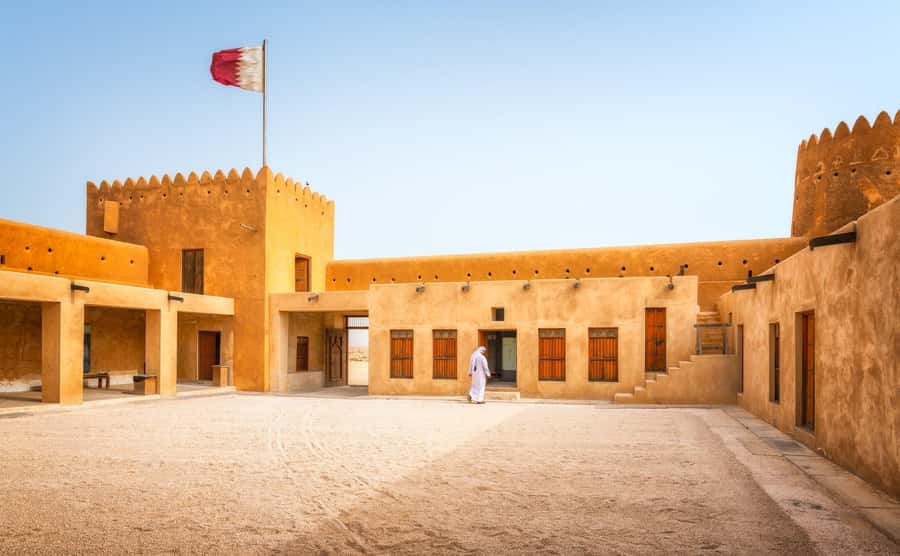
- A UNESCO-listed fort: Al Zubara Fort offers a compact introduction to military life and regional history.
- A vanished coastal community: Al Jumail’s narrow streets and empty buildings hint at Qatar’s former fishing and pearling economy.
- A very small group: The tour is limited to six people, with hotel pickup and drop-off included.
- Best in mild weather: Bring sunglasses, a hat, sunscreen, and clothes that are easy to walk in.
Why this northern Qatar trip is different
Many Doha excursions stay close to the city’s modern museums, towers, and shopping centers. This one takes you well north, where the scenery becomes spare and the built world thins out. The reward is a more unusual view of Qatar, one shaped by forts, fishing villages, desert plants, and long water views.
You spend roughly 75 minutes in the vehicle before reaching Al Zubara Fort. That drive is not just filler. You pass through sandy country, see desert plants and rock formations, and go by Ain Mohammed village on the way to the art installation. Still, you should know what you are buying: this is a road-heavy half-day, not a leisurely walking tour.
The vehicle is a jeep or SUV, and transportation is included from your Doha hotel or another chosen location in the city. With no more than six participants, the ride should feel more personal than a large coach trip. Guides such as Nawaz and Mohammed have handled the route, with attention to safe driving, clean vehicles, local facts, and time to cool off between stops.
More Fortress and Citadel Tours in Qatar:
- North Qatar Tour | Zubara Fort | Purple Island | Mangros Colony
★ 5.0 · 323 reviews - Doha North Qatar Tour Zubara Fort, Mangroves, Jumail Village
★ 4.9 · 267 reviews - North of Qatar Tour to Olafur Eliasson Zubara Fort Jumail Village
★ 5.0 · 157 reviews
Al Zubara Fort in a 20-minute visit
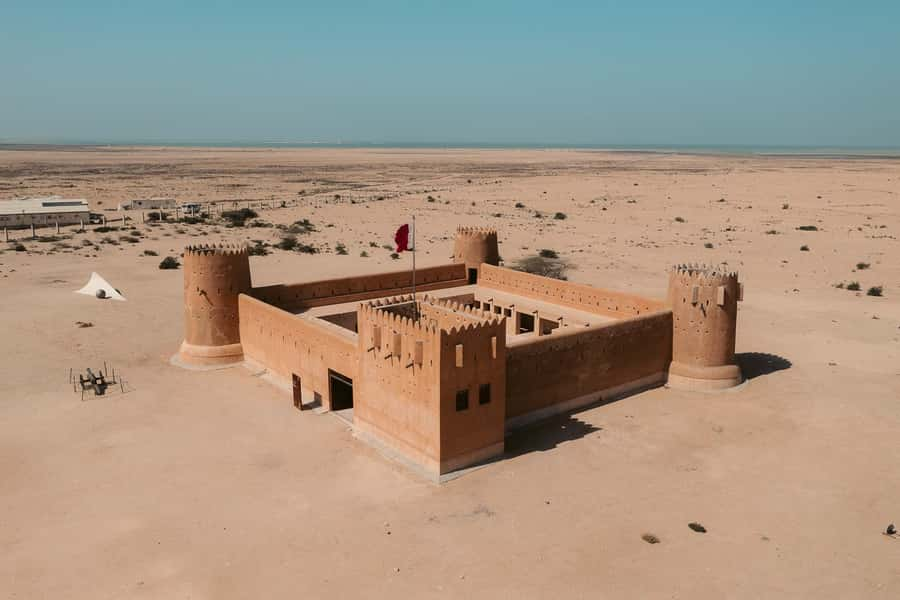
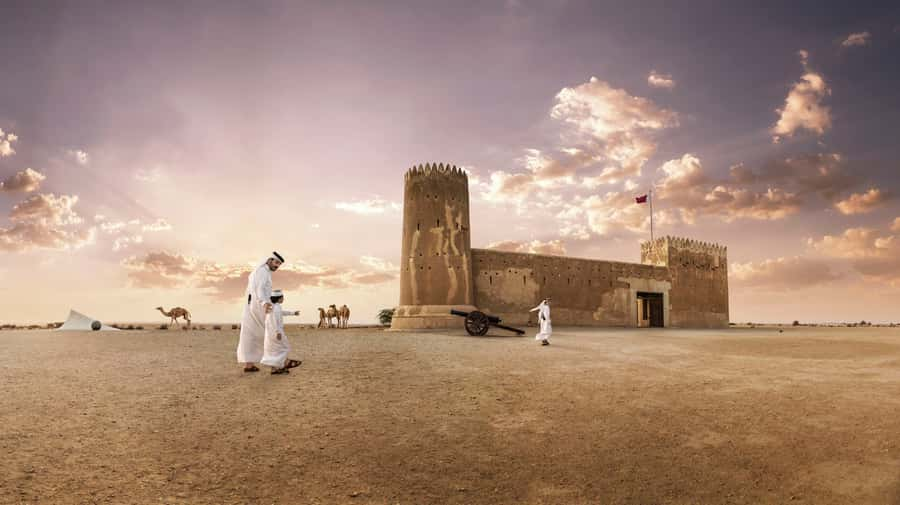
Al Zubara Fort is the first major stop, at the Al Zubara Archaeological Site. The fort dates from the 20th century, while the surrounding area helps explain Qatar’s older military and trading past. The visit is short, about 20 minutes, so think of it as a focused introduction rather than a full museum morning.
I like this stop because it gives the rest of the trip some historical footing. The empty desert can feel abstract at first. A fort makes the setting easier to read. You begin to understand how important coastal defense and control of settlements were in Qatar and the wider Middle East.
Your guide should add context about military life in Qatar during the 18th and 19th centuries. That personal explanation matters because the fort itself is a fairly compact sight. Without background, you may take a few pictures and move on. With a guide, the walls connect to the people and pressures that shaped life in the region.
The limited time is also the main drawback. If you want a detailed archaeological visit, this tour will feel quick. The stop works best for people who want to see the site, hear the essential story, and continue north rather than spend hours studying every detail.
Seeing the desert from inside Eliasson’s mirrors
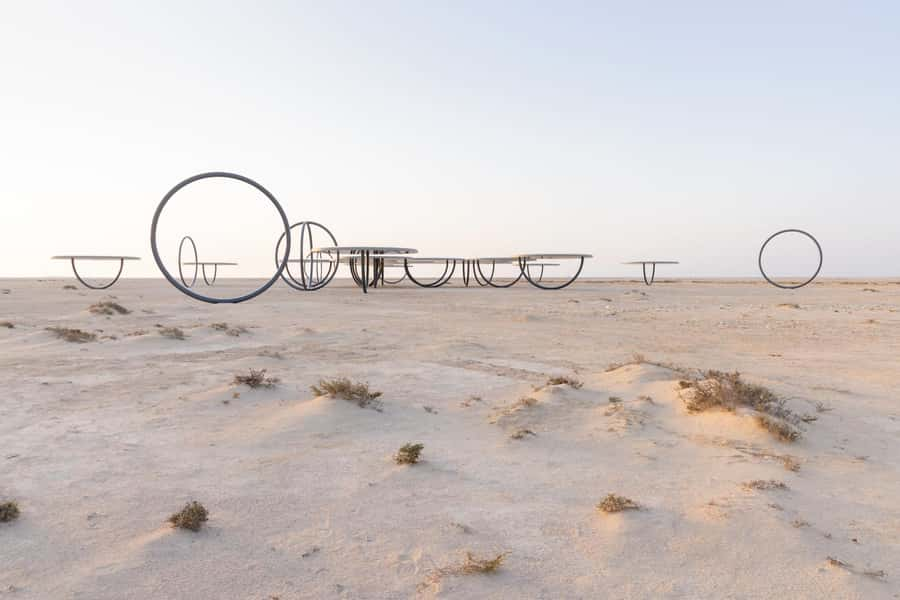
The most unusual stop is Shadows Travelling on the Sea of the Day, Olafur Eliasson’s public art installation. It sits in the desert beyond Ain Mohammed village, surrounded by sandy ground, sparse plants, rock formations, and traces left by animals.
The installation asks you to pay attention to your surroundings. Large mirrors are fitted into the ceiling, reflecting the sandy ground below. When you look up, you appear to be looking back down. It is a simple idea, but the setting gives it weight. The installation does not compete with a city skyline or a busy gallery. The open desert is part of the work.
You get about 35 minutes here. That is enough to walk through the structure, study the changing reflections, and take photographs, but it is not a long art workshop. The experience depends on your willingness to slow down and look carefully. If you rush through it, you may see only mirrors. If you give it a few quiet minutes, the ceiling and floor begin to play tricks with your sense of direction.
Bring a hat, sunglasses, sunscreen, and comfortable clothing. One important practical point is easy to miss: you need to walk to see the installation. The surface is desert ground, and the visit takes place outside the vehicle, so shoes and sun protection make a real difference. In temperatures above 40 degrees Celsius, the air-conditioned car becomes part of the comfort plan.
This is also the stop most likely to divide people. If you enjoy modern art and unusual spaces, it may be the high point of the day. If you prefer buildings with clear historical stories, you may find the installation less immediately rewarding. Your guide can explain the concept, but the work still asks you to make your own connection.
Al Jumail, an abandoned fishing and pearling village
After the art installation, the drive to Al Jumail takes about 15 minutes. The village visit lasts around 20 minutes and focuses on narrow streets, old structures, and the remains of a community that once depended on fishing and pearling.
Al Jumail gives you a human scale after the wide-open desert. The fort represents defense. The installation plays with perception. Here, you walk through the remains of ordinary domestic and working life. The empty lanes suggest how the settlement functioned before people left for larger cities in the 20th century.
Do not expect a restored heritage village with shops, signs, and polished paths. Its appeal comes from the absence of modern staging. You see a place that has been left behind, and that quiet can be more revealing than a recreated display. It is a good place to consider how Qatar changed as people moved toward urban work and new opportunities.
The short visit means you will get an overview rather than a long exploration. The village can also be exposed and hot, with little reason to linger in one spot. Wear footwear suitable for walking and listen closely as your guide explains what you are seeing. The details of the buildings may be easy to miss without that local context.
A few more castle tours around Qatar worth a look
- North of Qatar Tour, Zubara Fort, Mangroves, Jumail Village
★ 5.0 · 94 reviews - Doha: North Qatar Tour, Mangroves, & Zubara Fort and purple
★ 4.8 · 63 reviews - North Qatar: Zubara Fort, Jumail Village, Thakhira Mangroves
★ 5.0 · 41 reviews - Doha: Private North Qatar Tour, Mangroves, & Zubara Fort
★ 4.8 · 30 reviews
Reaching Madinat ash Shamal and Qatar’s northern edge
From Al Jumail, the route continues toward Madinat ash Shamal. The drive takes about 20 minutes, followed by roughly 15 minutes for a photo stop, sightseeing, and water views. The excursion is described as reaching the northernmost point of Qatar, giving you a final change of scenery before the return to Doha.
This part of the trip is less about a single landmark and more about space. You get sandy beaches, open water, and a sense of how far north you have come. After the fort, art installation, and village, the coastline provides a clean visual finish.
The northern tip is also where the tour’s geography becomes clear. Doha is not the whole of Qatar, and this drive shows you a quieter edge of the country. The stop is especially useful if you want photographs of water and shore rather than more buildings.
Keep your expectations measured. The tour gives you a photo stop and sightseeing time, not a beach day or a long coastal walk. You may find the water views refreshing, but there is no meal or extended free time included. The route returns to Doha after this stop, so use the final minutes for pictures and a last look at the northern coast.
What the small group and guide add
A maximum of six people is one of the strongest practical features here. A small vehicle is better suited to a long desert drive than a full-size coach, and you can usually hear the guide without a microphone. It also makes the tour easier to adjust within the available time.
Guides named on the experience include Nawaz and Mohammed. Nawaz is noted for comfortable, safe driving and helpful explanations at each location. Mohammed is described as arriving on time, keeping the car clean and comfortable, sharing facts about present-day Qatar, and allowing enough time for photographs and a break in the cool vehicle.
One guide also made an extra stop in Al Ruwais at a guest’s request. That does not mean every booking will include the same detour, and you should not count on an added stop. It does show the value of speaking up if you have a reasonable request and time allows.
The driving standard matters on this outing. You are covering the far north and returning to Doha in only four hours. A careful driver and comfortable vehicle can make the difference between a pleasant half-day and a tiring one.
Is $89 fair for four hours?
At $89 per person, the price is reasonable if you value convenience and a compact group. You are paying for hotel pickup and drop-off, transportation, an English-speaking guide, and access to several northern sites without arranging a car yourself.
The price makes less sense if you want long visits at each stop. The day includes about 75 minutes of driving before Al Zubara Fort, then more short transfers between locations. The fort, village, and northern tip each receive limited time. You are paying for range and ease, not depth at one attraction.
There is no meal included. For a four-hour outing, that is not a major problem, but you should plan around it. Bring what you need for the morning or afternoon, especially if you are sensitive to heat. The vehicle provides a place to cool down, but you should not treat the tour as a food stop.
Free cancellation up to 24 hours before departure and reserve-now, pay-later booking add useful flexibility. The tour is also wheelchair accessible, though the Eliasson stop involves walking, so anyone with mobility concerns should confirm how much of the installation route is comfortable for them.
Timing, heat, and what to bring
The tour lasts four hours, with starting times subject to availability. Weather will shape the experience more than the clock. In cooler months, the outdoor stops should be easier to enjoy. In summer, the desert heat can turn a 20-minute village visit or 35-minute art stop into hard work.
Pack:
- Sunglasses
- A sun hat
- Sunscreen
- Comfortable clothes
- Shoes suitable for walking on desert ground
You may also want to keep your camera ready. The fort, mirrored ceiling, empty village streets, sandy beaches, and northern water views each offer a different type of photograph. The strongest images will likely come from the installation, where the reflected ground changes your sense of the room.
The tour is conducted in English. If you want detailed explanations at every stop, use the drive time to ask questions. The short visits leave little room for a long conversation once you arrive.
Who should book this experience?
I would choose this tour if you have already seen central Doha and want a half-day that feels different from the city. It suits anyone interested in modern art, regional history, abandoned places, and scenic drives. It is also a good fit if you want to see the northern part of Qatar without renting a car or managing directions.
Families and small groups may appreciate the private-feeling vehicle and the chance to cool down between stops. Photographers should like the variety of subjects, from fort walls to mirror reflections and empty village lanes.
I would hesitate if you dislike driving, heat, or short visits. Art lovers who want time to contemplate the installation may want a longer visit than this route provides. History fans who want a detailed examination of Al Zubara may also find 20 minutes too brief.
The strongest reason to book is the combination. Few short excursions pair a UNESCO World Heritage site, a major contemporary art installation, a deserted pearling village, and the northern coast. The weakness is that each piece is sampled rather than explored at length.
Should you book this northern Qatar tour?
Book it if you want an efficient look at Qatar beyond Doha and you like variety more than a slow, single-site visit. The small group, hotel pickup, careful driving, and air-conditioned vehicle add real value to a route that would be awkward to arrange alone.
Skip it if you want a relaxed beach outing, a full meal, or hours inside one museum or historic site. For everyone else, $89 is a fair price for a well-packed northern circuit, provided you bring sun protection and accept that the road is a major part of the experience.
FAQ
Where does the tour begin and end?
Pickup and drop-off are provided at your hotel or a location of your choice in Doha. The tour returns to Doha after the northern Qatar stops.
How long does the tour last?
The experience lasts four hours.
What language is the tour conducted in?
The live guide speaks English.
How many people are in the group?
The tour is limited to six participants.
Is transportation included?
Yes. Transportation by jeep or SUV, along with hotel pickup and drop-off, is included.
What places do you visit?
The route includes Al Zubara Fort, Olafur Eliasson’s Shadows Travelling on the Sea of the Day, Al Jumail abandoned village, and Madinat ash Shamal near the northern tip of Qatar.
How long is the drive from Doha to the first main stop?
The initial jeep or SUV ride takes about 75 minutes.
Do you need to walk at the Olafur Eliasson installation?
Yes. You need to walk to see the installation, so comfortable clothing and suitable footwear are important.
Is food included?
No. Meals are not included.
Can you cancel the booking for a refund?
Yes. You can cancel up to 24 hours in advance for a full refund.
Just added around Qatar
- Qatar:North Tour, Purple island, zubara Fort, Jumail village★ 5.0 · 8 reviews
- Doha-Qatar North Tour, Zubara Fort, Mangroves, purple island★ 4.8 · 25 reviews
- Doha: Zubara UNESCO Site, Mangroves & Jumail Village★ 5.0 · 39 reviews
- North Qatar: Zubara Fort, Jumail Village, Thakhira Mangroves★ 5.0 · 41 reviews
- North of Qatar: Olafur Eliasson Exibit, Zubara fort & jumail★ 4.9 · 6 reviews
- Doha: North Qatar Tour, Mangroves, & Zubara Fort and purple★ 4.8 · 63 reviews
- Doha: Private North Qatar Tour, Mangroves, & Zubara Fort★ 4.8 · 30 reviews
- Doha: Al Zubara Fort, Al Jumail & Al Thakira Tour★ 5.0 · 9 reviews
Fortress & Citadel Tours, compared.

Full Day Taj Mahal, Agra Fort & Baby Taj Tour from Delhi by Car
Read our review →
Fort Sumter Admission and Self-Guided Tour with Roundtrip Ferry
Read our review →
Carcassonne: Castle and Ramparts Entry Ticket
Read our review →
Charleston: Fort Sumter Entry Ticket with Roundtrip Ferry
Read our review →
Same Day Taj Mahal, Fort & Baby Taj Tour from Delhi by Car
Read our review →
From Delhi: Taj Mahal and Agra Fort Private Sunrise Tour
Read our review →
Sunrise Taj Mahal, Agra Fort & Baby Taj Tour from Delhi by Car
Read our review →
Salzburg: Hohensalzburg Fortress Admission Ticket
Read our review →Browse the lists this tour appears in