
REVIEW · WALKING TOURS
2 Hours Buda Castle Walking Tour – Walk with a Historian
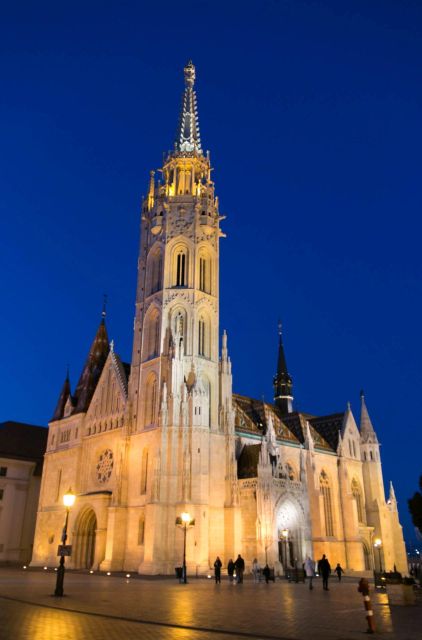
Buda Castle is more than a grand palace on a hill. In two hours, this walk takes you from the old civilian quarter through Jewish, Christian, Ottoman, and royal chapters of Budapest, ending at the former seat of Hungarian kings. The small Synagogue-Museum and the remains of Mary Magdalene Church give the route an intimate feel before the grander Matthias Church and castle district.
I like the way the tour pairs a field expert historian with actual interior visits, rather than keeping you on the street to admire locked doors. I also like the clear progression from Bécsi kapu Square to the castle, which helps you understand how the district fits together. The main consideration is time: two hours is enough for a focused introduction, but not enough for every corner of Buda Castle.
Key points
- Start in the civilian quarter: Begin at Bécsi kapu Square, away from the busiest royal sights, and follow the district’s older street stories.
- Visit the small Synagogue-Museum: Learn about the Jewish community and the larger synagogue that once stood nearby.
- See Mary Magdalene Church remains: The ruins add a tangible medieval stop to the walk.
- Enter Matthias Church: Admission is included, giving you time to see one of Buda’s major landmarks from inside.
- Finish at Buda Castle: The route ends at the former royal seat, tying together the district’s political and architectural story.
- Walk with Kálmán Dániel: The English tour is led by historian Kálmán Dániel, whose explanations received a 5 out of 5 rating from a verified May 2024 booking.
Why this two-hour route works
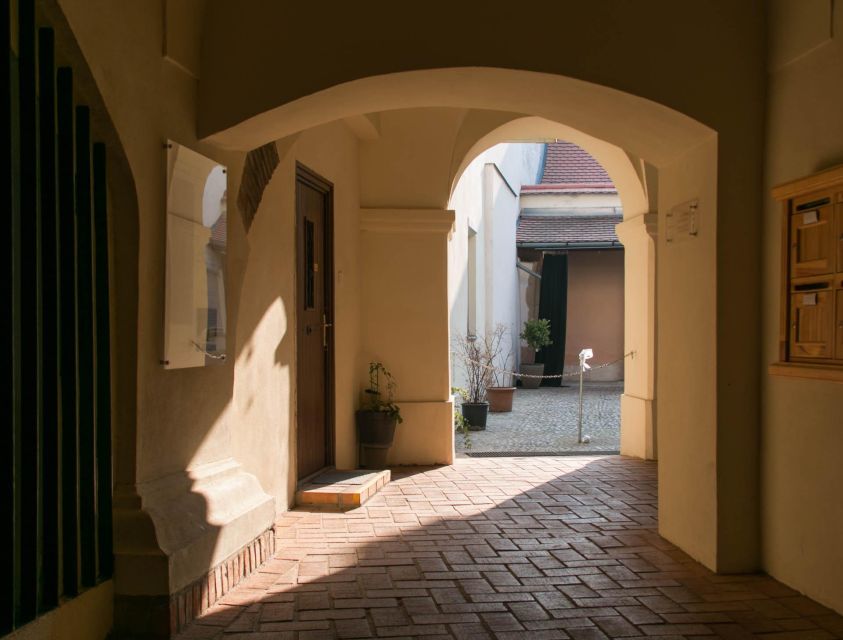
Buda Castle District can be confusing on your first visit. It contains royal buildings, quiet residential streets, religious sites, ruins, and layers of rebuilding, all packed into a compact area. A casual stroll shows you attractive streets. A historian helps explain why those streets look the way they do.
This tour begins in the so-called civilian quarter, not directly at the palace. That is a smart choice. You first see the district as a place where people lived and worshipped, then move toward the royal center. The route gives you a sense of changing status as well as changing architecture.
You will hear about medieval and modern Budapest, with Ottoman-era changes included in the story. The emphasis is not only on famous monuments. Street names, old plots, vanished buildings, and less familiar corners also form part of the walk.
I would think of this as a guided introduction rather than a complete study of Buda Castle. At $49 per person, the price makes the most sense if you want interpretation and included entries, not simply a stroll through streets you could explore alone.
More Walking Tours in Budapest:
- Budapest: Buda Castle Walk with Saint Stephen’s Hall
★ 4.5 · 3,012 reviews - Budapest: Buda Castle District Walking Tour
★ 4.6 · 2,108 reviews - Budapest: 3-Hour Grand City Tour and Castle Walk
★ 4.3 · 1,437 reviews
Meeting at the white Lutheran Church
The meeting point is in front of the Lutheran Church of Buda Castle, described as the white church in front of the Castle Gate. You meet at Bécsi kapu Square, in the civilian quarter.
Take a moment to identify the church before the start. The meeting point is specific, but castle districts can still feel confusing when you are looking at several historic buildings at once. If you have trouble finding it, the activity information asks you to phone the guide.
The tour is in English and led by Kálmán Dániel. The available feedback gives a useful clue about the guiding style: one verified booking rated the experience 5 out of 5 and singled out Daniel’s informative treatment of many topics. That fits the design of this walk, which depends on explanation as much as sightseeing.
Because the route lasts two hours, arrive ready to walk without a long settling-in period. Food and drink are not part of the price, though an optional stop at a local café can be added.
Bécsi kapu Square and the civilian quarter
The first section introduces the civilian side of the district. This matters because Buda Castle is often reduced to the palace and Matthias Church, while the surrounding streets can seem like a pretty backdrop. Here, they become part of the subject.
You will learn how the district developed and hear stories linked to its streets and buildings. The information provided does not promise a fixed list of every street or building, so the exact emphasis may vary with the guide and the day. Still, the purpose is clear: to show you details that many people pass without noticing.
I like this beginning because it gives the tour breathing room. Instead of racing straight to the largest church, you start with the setting. The civilian quarter also helps connect the district to everyday life, not only kings and formal ceremonies.
This is one place where a historian adds real value. Without context, a narrow street or old façade can seem merely picturesque. With context, it becomes evidence of the district’s changing communities and periods.
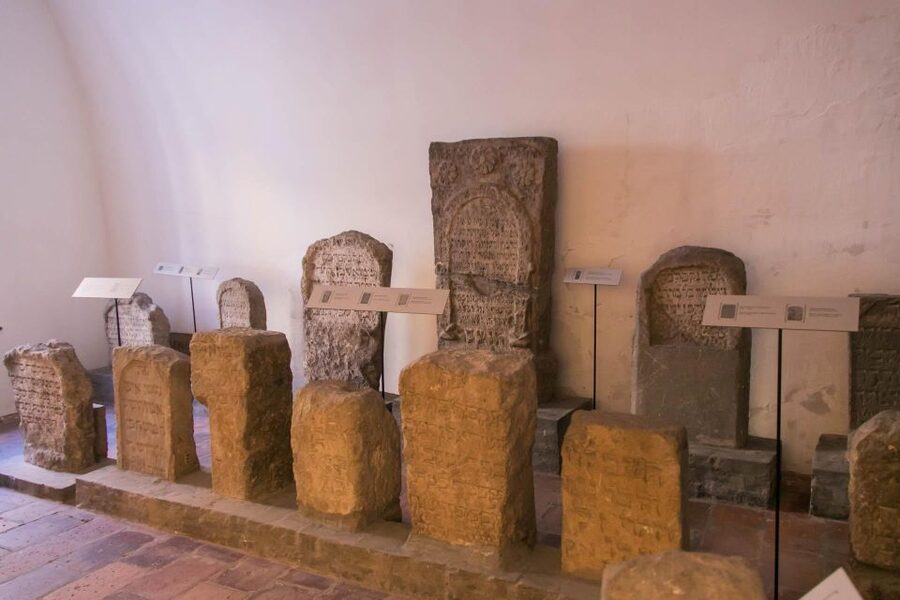
The Buda Castle Synagogue-Museum
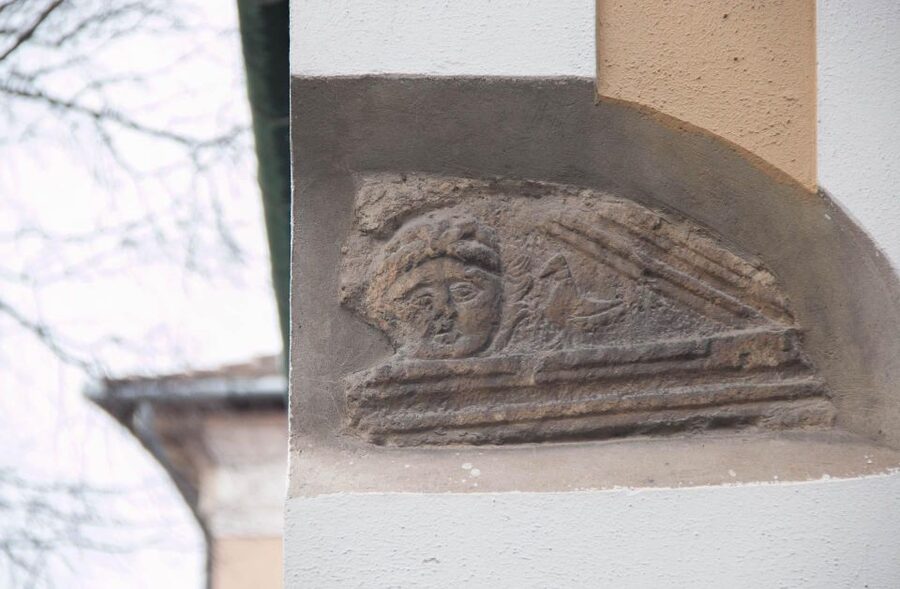
The small Buda Castle Synagogue-Museum is one of the route’s most distinctive stops. Entry is included, and the visit gives you a chance to look at a religious site that is less familiar than Matthias Church.
The museum also tells the story of a larger synagogue that once stood nearby. That detail makes the stop especially useful. You are not only seeing what remains today. You are also learning about a building and a community that shaped the district but are no longer represented by the same structure.
Do not expect the scale of a major museum. The attraction here is its size and focus. A small museum can work well on a two-hour walk because it offers a concentrated pause without taking over the whole afternoon.
This stop also broadens the tour’s subject. Buda Castle is often presented through royal and Christian landmarks. The Synagogue-Museum adds another part of the district’s story and helps you see the castle quarter as a place with several communities and traditions.
If religious history is important to you, this may be one of the most useful parts of the walk. If you prefer only grand architecture, it may feel quieter than the church and palace stops. That is a matter of interest, not a flaw.
A few more castle tours around Budapest worth a look
- Prague Castle & Castle District: 2-Hour Guided Tour
★ 4.6 · 622 reviews - From Ivy Lea: 2-Hour Two Castle 1000 Islands Scenic Cruise
★ 4.5 · 142 reviews - Córdoba: Alcázar and Jewish Quarter 2-Hour Guided Tour
★ 4.2 · 50 reviews - Dubrovnik City Walls: Small-Group 2-Hour Tour With a Local
★ 4.8 · 18 reviews
The remains of Mary Magdalene Church
The next notable stop is the remains of Mary Magdalene Church. Ruins can be easy to overlook when they are not attached to a complete building. Here, the remains provide a direct link to the medieval period and show how much of the district has been altered, damaged, or rebuilt.
The church’s incomplete state is part of the lesson. You see a fragment rather than a polished monument, which makes the passage of time easier to grasp. The guide’s explanation gives the remains a place in the larger story of Buda Castle.
I find this kind of stop valuable because it breaks up the usual list of intact landmarks. A complete church tells you what a building looked like at one point. Ruins raise more questions: what disappeared, what survived, and why the district contains pieces from so many periods.
The supplied information does not specify the exact amount of time spent here, so expect a guided look rather than an extended archaeological visit. The two-hour limit means the guide must keep the group moving.
Inside Matthias Church
Matthias Church is the route’s major church visit, and entry is included in the $49 price. That inclusion matters. You are not only stopping outside for a photograph. You get the chance to experience the interior as part of the guided walk.
The church represents one of Buda Castle’s best-known religious and architectural sights. After the quieter synagogue museum and church remains, it provides a strong contrast. The route moves from a small, focused site to a landmark with much greater visual presence.
The guide can also place Matthias Church within the history of the district and Hungary. The description promises coverage of both local history and the country’s wider story, so this is likely where the individual building connects most clearly to national events and royal life.
Two hours does not allow unlimited time inside the church. If you want to study every feature at your own pace, you may want to return independently after the tour. The advantage of joining first is that you gain a framework before looking around on your own.
For many people, Matthias Church will be the visual high point of the walk. I would still avoid treating it as the whole reason to book. The route is stronger because the church comes after several less obvious places.
Reaching Buda Castle, the royal seat
The walk ends at Buda Castle itself, once the seat of the Hungarian kings. This closing point gives the route a natural shape. You begin among civilian streets and religious sites, then finish at the political center of the district.
The word castle can suggest one single building, but the experience is about the broader Buda Castle area and its historic role. You will learn how the district changed from medieval times through the Ottoman period and into the modern era. Every century has left a mark, and the guide’s job is to help you read those marks.
Ending here also lets you place earlier stops in context. The Synagogue-Museum, Mary Magdalene Church remains, Matthias Church, and the civilian quarter are not isolated points on a map. They belong to the same historic district, but each reflects a different part of its past.
The information provided does not state that the tour includes entry into every castle interior. It does include entry to Matthias Church and the Synagogue-Museum, while Buda Castle is the ending point of the walking route. Keep that distinction in mind when deciding what you want from the visit.
What the $49 price buys you
At $49 per person, this is not the cheapest way to walk around Buda Castle. You can explore the public streets without a guide. The value comes from the combination of a historian, a carefully ordered route, and admission to two sites.
The included entries are important. You visit the Synagogue-Museum and Matthias Church without having to arrange those stops separately. You also get explanations at the Mary Magdalene Church remains and along the streets, where there is no ticket booth to provide context.
I would consider the price fair for a visitor who wants a clear historical introduction and prefers a small, focused walking experience over a general sightseeing circuit. It is less compelling if you already know Buda Castle well or want a long, unhurried visit inside the palace buildings.
The optional café stop can add a pleasant local pause, but food and drink are extra. Since the tour itself lasts only two hours, you can easily plan café time before or after without turning the walk into an all-day commitment.
Who should book this walk

This tour suits you if you want to understand Buda Castle rather than simply photograph it. It is especially useful for a first visit, when the district’s mix of royal, religious, residential, and ruined sites can be hard to organize.
History-minded visitors should appreciate the range of periods covered. The route includes medieval remains, Ottoman-era context, Jewish heritage, Christian landmarks, royal history, and modern changes. That is a lot for two hours, so expect a brisk overview rather than a specialist lecture on one subject.
The tour also works well if you prefer a guide who can answer questions in English and bring meaning to less famous places. Daniel’s strong rating for informative coverage suggests that the experience’s main strength is the explanation, not entertainment in the theatrical sense.
You may want something else if you dislike walking, want a relaxed café-centered outing, or plan to spend most of your time inside the main castle buildings. The supplied details do not give a group size or a precise accessibility description, so contact the provider if those points affect your decision.
Timing, pace, and practical planning
The scheduled duration is two hours, with starting times available according to the date you choose. The short format is useful on a busy Budapest itinerary. You can fit the walk into a morning or afternoon and still have time for other parts of the city.
The pace should be treated as a real walking tour, not a seated lecture. You move from Bécsi kapu Square through several sites and finish at Buda Castle. Wear shoes suitable for walking around a historic hilltop district, though the available information does not give a detailed surface or accessibility report.
Book this early in your planning if you want flexibility. You can reserve now and pay later, and cancellation is free up to 24 hours in advance for a full refund. Those terms are useful if your Budapest schedule is still changing.
The guide is available in English only. That is ideal for English-speaking visitors who want the tour’s full historical explanation, but it will not suit someone seeking another language.
Should you book the Buda Castle historian walk?
Book it if you want a compact, history-led route that includes more than the headline monuments. The Synagogue-Museum, the former larger synagogue site, Mary Magdalene Church remains, and the civilian quarter give the walk a distinct character. Matthias Church and Buda Castle then provide the major landmarks you came to see.
I would choose this tour early in a Budapest stay. It can give you a useful map of the district, and you can return later to the places that deserve more time. The $49 cost is reasonable when you use the included entries and value a field historian’s explanations.
Skip it if you want to explore at your own pace, spend hours inside the castle buildings, or avoid a structured walk. For everyone else, especially a first-time visitor with two free hours, this is a focused way to make sense of Buda Castle’s many layers.
FAQ
How long is the Buda Castle walking tour?
The walking tour lasts two hours.
What language is the tour offered in?
The tour is offered in English with a live guide.
Who leads the tour?
The experience provider is Kálmán Dániel, who leads the walk as a field expert historian.
Where is the meeting point?
Meet in front of the Lutheran Church of Buda Castle, the white church in front of the Castle Gate, at Bécsi kapu Square.
Are entry tickets included?
Yes. Entry to Matthias Church and the Jewish Synagogue-Museum is included.
Does the tour include food and drinks?
Food and drinks are not included. An optional stop at a local café is available.
Can I cancel the booking?
You can cancel up to 24 hours in advance for a full refund. You can also reserve now and pay later.
Just added around Budapest
- Secrets of Buda Castle: Self-Guided Puzzle Adventure in Budapest★ 5.0 · 8 reviews
- Budapest Hike to Visegrád Castle w or wo Sauna/Danube beach★ 5.0 · 11 reviews
- Citadella and Gellert Hill Segway Tour★ 5.0 · 33 reviews
- Castle District tour with Matthias Church Ticket & Cake & Coffee★ 5.0 · 31 reviews
- Buda Castle Tour: History and Architecture★ 5.0 · 33 reviews
- Buda Castle Quarter Walking Tour★ 5.0 · 16 reviews
- Buda Castle’s Secrets with a Historian★ 5.0 · 108 reviews
- Buda Castle Walking Tour with Matthias church entry, Cake&Coffee★ 4.5 · 21 reviews
Walking Tours, compared.

Edinburgh Castle: Guided Walking Tour with Entry Ticket
Read our review →
Prague: 3-Hour Walking Tour of Old Town & Prague Castle
Read our review →Edinburgh Castle: Guided Walking Tour with Entry Ticket
Read our review →
Edinburgh Castle Guided Walking Tour in English
Read our review →
Budapest: Buda Castle Walk with Saint Stephen’s Hall
Read our review →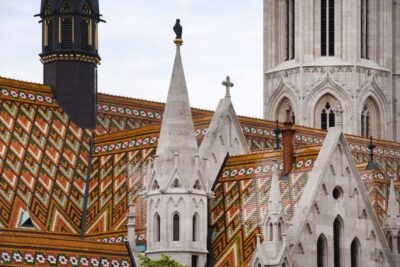
Prague 3-hour Afternoon Walking Tour including Prague Castle
Read our review →
Dubrovnik: City Walls Early Morning or Sunset Walking Tour
Read our review →Browse the lists this tour appears in