
REVIEW · ACCRA CASTLE TOURS
10 Days Trip to Cape Coast and Elmina Castles from Accra
The most powerful part of this 10-day Ghana journey is its movement from modern Accra into places tied to the Ashanti kingdom, the Atlantic slave trade, and the African diaspora. You’ll walk through Jamestown, stand inside Elmina Castle, visit the Slave River at Assin Manso, and take part in memorial events that give the past a human face.
I like the small-group format, limited to 10 people, and the private vehicle with a guide for the full trip. I also like the mix of museums, craft villages, forest, coastal towns, and ceremonial events. Guides such as Joshua, Elvis, George, Kwaku, and Solomon have led departures, with strong praise for their care, patience, and ability to explain Ghanaian culture.
The main drawback is the pace. Long road journeys, early starts, several emotionally heavy sites, and scheduled PANAFEST activities can make this feel more like a serious study tour than a relaxed holiday. Food also may feel repetitive, and some included meals have been described as spicy.
Key points to know before you book
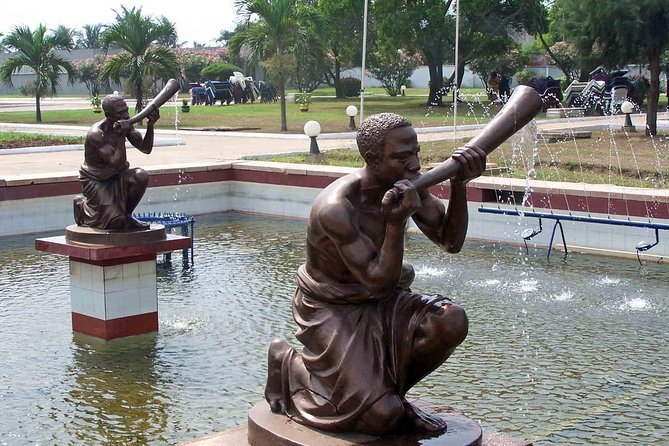
- Elmina Castle and Cape Coast are the emotional center: Expect difficult stories, confined spaces, and memorial moments rather than a light sightseeing stop.
- Kumasi adds living Ashanti culture: Visit Manhyia Palace Museum, Ahwiaa, Ntonso, Adanwomase, and Bonwire for royal history and traditional crafts.
- Kakum gives the trip a change of pace: Choose the 1,000-foot canopy walkway or a 2-kilometer forest walk with birds, butterflies, and plant life.
- PANAFEST and Emancipation Day shape the schedule: These events bring music, chiefs, ceremony, and public remembrance into the journey.
- Private transport matters in Ghana: The itinerary covers substantial ground, and having a driver and guide removes much of the practical burden.
- The $4,695 price includes a lot, but not everything: Hotels, transport, guides, daily breakfast, nine dinners, airport transfers, and entrance fees are included, while flights, visas, insurance, gratuities, and some meals are not.
From Kotoka Airport to your first Akwaaba
Your trip begins at Kotoka International Airport in Accra, where an arrival representative meets you after immigration and customs. You’ll be transferred to your hotel, check in, and meet the cultural guide who accompanies you during the journey.
The first evening is intentionally easy. Dinner is included, and the rest of the night is yours to rest. That matters after an international flight, especially since the following days combine city touring with long drives.
The welcome briefing covers Ghanaian history, customs, health, and safety. I consider this a useful feature rather than filler. It gives you a basic framework before you begin visiting places tied to colonial rule, the Ashanti kingdom, and the forced movement of Africans across the Atlantic.
A few more castle tours around Accra worth a look
- Cape Coast ,Elmina Castle and Kakum Full-Day Tour
★ 5.0 · 62 reviews - Cape Coast and Elmina Castles Tour
★ 5.0 · 31 reviews - Assin Manso Slaves River and Cape Coast Castle Tour
★ 5.0 · 24 reviews
Accra, Jamestown, and the making of modern Ghana
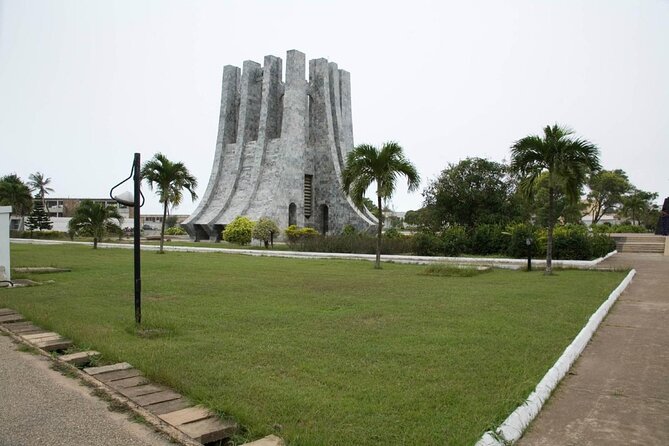
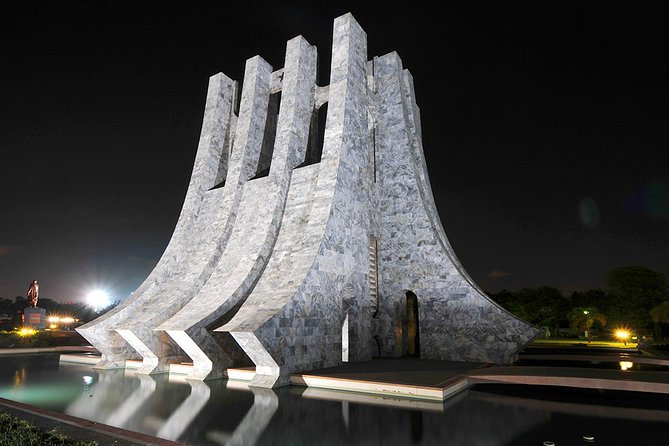
Day two introduces Accra through its political, cultural, and coastal sides. You’ll visit the W.E.B. Du Bois Centre, Independence Square, Black Star Square, and the Kwame Nkrumah Memorial Park.
Independence Square is linked to Ghana’s independence and the African Liberation Flame, lit by Kwame Nkrumah in 1961. The memorial park is his burial place and offers a direct introduction to the leader who helped make Ghana a symbol of African self-rule.
The visit to Jamestown changes the mood. This old fishing community feels far removed from the polished image of a capital city. You’ll see the lighthouse, the waterfront, Brazil House, and a dense neighborhood where fishing remains part of daily life.
This contrast is one of the strongest features of the trip. You are not only being shown official monuments. You are also being taken into a working community with its own identity, pressures, and traditions. Give yourself time to observe respectfully, listen to your guide, and ask before taking close-up photographs.
The day is listed as a two-hour visit, though the full schedule includes several places. Plan for a busy introduction rather than a slow morning at one museum.
Kumasi and the Ashanti world
After breakfast on day three, you leave Accra for Kumasi, the former center of the Ashanti Empire. The drive takes up much of the day, with touring in Kumasi later on. This is one of the itinerary’s practical tradeoffs: you cover important ground, but you spend substantial time in the vehicle.
Kumasi gives the tour a different focus. Instead of coastal forts and Atlantic history, you learn about Akan society, royal authority, court traditions, and skilled handwork. The National Centre for Culture includes the Prempeh II Jubilee Museum, named for a former Asantehene, or Ashanti ruler.
You’ll also see studios connected with brass work, pottery, and batik. These are useful stops if you want to understand how cultural objects are made rather than simply seeing them behind glass.
The next day is devoted to craft villages and the Manhyia Palace Museum. At Ahwiaa, woodcarvers create royal stools, walking sticks, and fertility dolls. Ntonso is known for Adinkra cloth, made by stamping patterns onto cotton. At Bonwire, weavers make Kente cloth on traditional looms.
The itinerary also names Adanwomase among the craft villages. Expect opportunities to buy handmade goods, so decide in advance how much space and money you want to reserve for purchases. This is one of the places where a good guide is especially useful. You’ll want help understanding what you are seeing, how it is used, and how to shop without turning the visit into a rushed sales stop.
Manhyia Palace Museum adds royal context. The museum helps connect the craft traditions to the political and ceremonial world of the Ashanti court. I like this pairing of museum visits and working craft communities because one explains the other.
The road to Elmina and the fishing harbor
On day five, you complete the Kumasi portion and drive toward Cape Coast and Elmina. The route includes a pass by Kejetia Market, described as one of West Africa’s largest and most active marketplaces, along with colonial-era buildings and monuments connected to Ashanti history.
The road portion is not a minor detail. Ghana’s distances and traffic can make a scheduled day feel full, even when individual attractions are listed as two-hour stops. The private vehicle lets your group travel together and gives the guide room to adjust the rhythm when possible, but you should still expect long sitting periods.
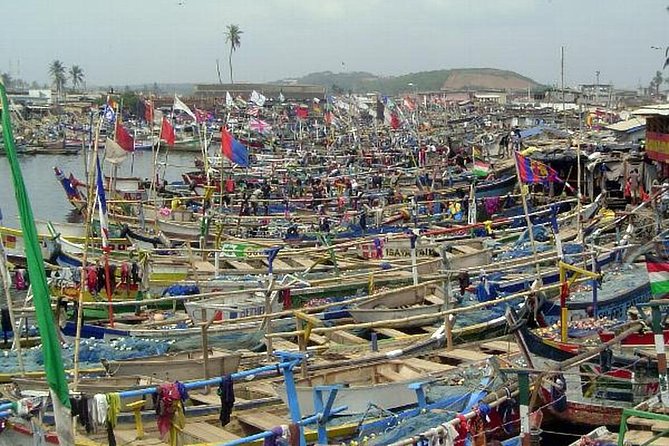
In Elmina, you take a guided walk through the old township and harbor area. Fishing canoes gather for another night at sea, and the lagoon gives you a view of the town’s working waterfront. This is a valuable counterpoint to the castle. Elmina is not only a site of past suffering. It is also a living coastal town where people work, worship, trade, and raise families.
The town walk may be especially rewarding in the cooler part of the day. Bring water, wear comfortable shoes, and keep your camera ready, but follow your guide’s advice about photography around people.
Same region, a different set of walls:
- One Day Tour To Cape Coast, Elmina Castle, Kakum National Park
★ 5.0 · 21 reviews - Cape Coast Castle, Assin Manso Slave River & Kakum Day Tour.
★ 5.0 · 19 reviews - Assin Manso Slave River, Cape Coast and Elmina Castle Day Tour
★ 5.0 · 19 reviews - From Accra: Cape Coast and Elmina Castles Day Trip
★ 5.0 · 19 reviews
Kakum’s canopy walkway and forest floor
Day six offers the trip’s clearest choice. You can stay at the hotel and relax by the pool or ocean, or visit Kakum National Park.
Kakum is one of Ghana’s best-known protected forest areas. The major attraction is a canopy walkway with seven bridges, viewing platforms, and a total length of about 1,000 feet. Some sections rise more than 150 feet above the ground.
The walkway is not simply a photo stop. It changes your view of the forest. From above, you may see the tree canopy stretching across the park, while a forest-floor walk brings you closer to butterflies, birds, plant species, and information about traditional medicinal uses.
The description also notes more than 40 mammal species, including monkeys and the reclusive forest elephant. Seeing one is not guaranteed, so treat the forest as the main attraction, not a wildlife checklist.
You can choose a 2-kilometer nature walk instead of the canopy route. If heights make you uneasy, this gives you a grounded way to experience Kakum. If you are comfortable on suspended bridges, the canopy walkway is likely to be one of the trip’s most memorable visual moments.
The choice to rest is sensible, too. By this stage, you have crossed much of southern Ghana and visited sites that demand emotional attention. A quiet afternoon can keep the final days from feeling like a race.
Elmina Castle and the weight of the past
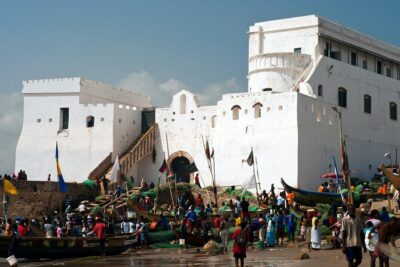
Day seven brings you to Elmina Castle, also called St. George’s Castle. Built by the Portuguese, it was the first European structure built in sub-Saharan Africa and later became part of the Atlantic slave trade.
The guided visit takes you through courtyards, rooms, passageways, and spaces connected to the imprisonment and shipment of enslaved Africans. The setting is stark. You should expect a serious tour, not a conventional castle visit.
The memorial ceremony by the beach is another important moment. Participants throw bread into the water in remembrance, while a wreath and candle are sent out to sea. A period of silence honors those who died during the Middle Passage.
This part of the trip can be painful. That is not a reason to avoid it, but you should arrive prepared to listen and reflect. The guide’s role matters greatly here. A calm, well-prepared guide can provide historical context without reducing suffering to a list of dates.
You’ll also have scheduled PANAFEST activities during this period. The combination of public performance and solemn remembrance can feel intense, but it gives you a fuller view of how Ghana connects cultural expression with historical memory.
Assin Manso and the Slave River
Day eight takes you inland to Assin Manso, one of the key sites connected to the final stages of enslavement before people were confined in coastal castles and transported overseas.
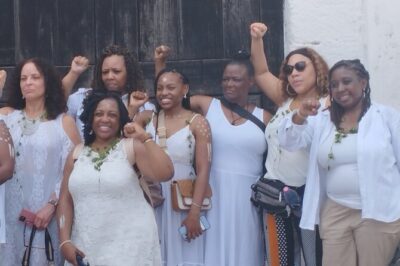
At the Slave River, you learn about the forced washing of captured Africans before they were held for shipment. The site is difficult because the river looks ordinary, while its historical role was anything but ordinary.
You’ll also see the burial place of two formerly enslaved people from the United States and Jamaica. Their remains were re-interred in 1998 during Ghana’s first Emancipation Day celebration.
This stop adds an important layer to the castle visits. Elmina and Cape Coast show the coastal holding system and the passage toward the ocean. Assin Manso connects that system to the inland routes that brought captured people toward the forts.
Your guide can help connect these sites, but you should allow yourself quiet time as well. The schedule includes PANAFEST activities afterward, so the day moves from remembrance to cultural programming.
Emancipation Day, chiefs, drums, and ceremony
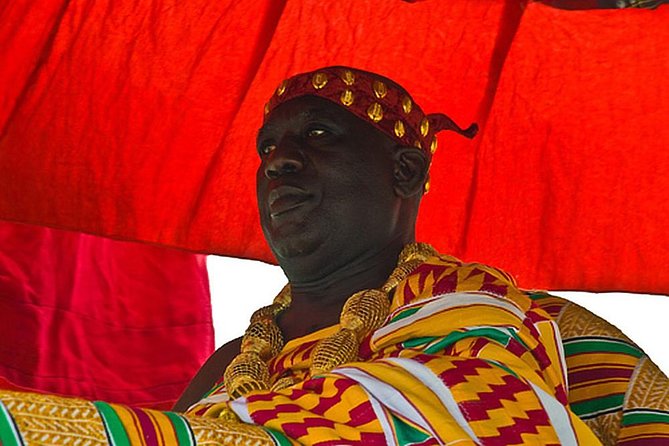
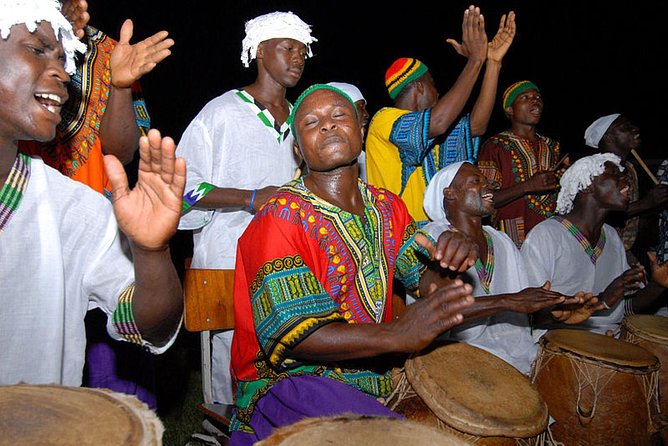
Day nine returns to Assin Manso for the opening of Emancipation Day celebrations. The main event is a Grand Durbar, with traditional chiefs and people from the Central Region gathered in ceremonial dress.
You can expect gold jewelry, beads, formal robes, drumming, dancing, and the pageantry associated with traditional rulers. The fontomfrom drums provide the rhythm, and the atmosphere is more public and celebratory than the memorial ceremonies earlier in the week.
This is one of the most distinctive parts of the program because it places history in the present tense. You are not only looking at museum displays. You are seeing how Ghana remembers, marks, and publicly discusses the past.
The final evening includes a farewell dinner at the hotel. Breakfast and dinner are included each day from this point, and nine dinners are included across the tour. Several meals may draw on similar Ghanaian dishes, and spicy food is possible, so tell the guide early if you need milder choices or have dietary concerns.
Returning to Accra and flying home
On day ten, you return to Accra after breakfast. The itinerary allows time for last-minute shopping, including collecting custom-made outfits, before a day room gives you a place to rest ahead of your flight.
That final day-room is a practical touch. You are not forced to wait at the airport for hours after checking out, and you have room to organize purchases and freshen up before departure.
Airport transfers are included at both ends. Bottled water is provided at one bottle per person per day, though you may want to buy extra during long drives.
What the $4,695 price really covers
At $4,695 per person, this is a high-cost Ghana tour. Its value depends on how much support you want and how much of the country you hope to cover in 10 days.
The price includes hotel accommodation, private transportation, an experienced cultural guide, airport assistance, round-trip airport and hotel transfers, admission fees for the listed attractions, daily breakfast, nine dinners, and bottled water. A group capped at 10 also means you are not being moved around in a large coach.
The biggest value is convenience. You do not need to arrange separate transport between Accra, Kumasi, Elmina, Cape Coast, Kakum, and Assin Manso. You also have one guide who can connect the history across several regions.
The price does not include international flights, visas, travel insurance, gratuities, personal purchases, or meals not listed. Those costs can add up, especially if you buy Kente, Adinkra cloth, carved goods, or custom-made clothing.
I would compare this package with the cost of arranging hotels, a private driver, entrance tickets, meals, and a specialist guide independently. If you want flexibility and plenty of free time, an independent plan may suit you better. If you want the logistics handled and the historical sites tied together, the package is easier to justify.
The cancellation terms are relatively forgiving: you can receive a full refund if you cancel at least 24 hours before the local start time. Changes or cancellations inside that window are not refunded.
Who will enjoy this Ghana journey most
I would recommend this trip to you if you want a serious cultural program, not a resort break. It fits people interested in Ghanaian independence, Ashanti traditions, African diaspora history, memorial sites, public ceremony, and local craft.
It also suits first-time visitors who prefer support on the road. The guides are repeatedly praised for their warmth, patience, historical explanation, and ability to handle requests. Joshua is especially singled out for helping people adjust to the country and making practical arrangements, while guides including Elvis, George, Kwaku, Solomon, and others have also led highly regarded departures.
You should think twice if you dislike long drives, structured days, repeated group meals, or emotionally heavy visits. The itinerary has rest as an option on day six, but most of the 10 days have a clear program.
Should you book the 10-day Ghana tour?
Book it if your priority is a guided Ghana heritage journey with private transport, a small group, and access to major sites across Accra, Kumasi, Elmina, Cape Coast, Kakum, and Assin Manso.
I would not choose it if you want a slow beach holiday or a loose schedule. The strongest reason to go is the way the program links living culture with difficult history, from Jamestown fishing boats and Ashanti weaving to castle dungeons, the Slave River, PANAFEST, and Emancipation Day.
Go with patience, comfortable shoes, an open mind, and room in your suitcase for textiles. You’ll return with far more than photographs.
FAQ
Where does the tour begin?
The tour begins at Kotoka International Airport in Accra, Ghana. Meeting and assistance are provided after you arrive.
Where does the tour end?
The tour ends back at Kotoka International Airport in Accra after time for shopping and a day room before your flight.
How long is the tour?
The tour lasts approximately 10 days.
What is the maximum group size?
The group can include a maximum of 10 participants.
Is transportation private?
Yes. Transportation is provided in a private vehicle, with an experienced cultural guide accompanying the group.
Are airport transfers included?
Yes. Round-trip airport and hotel transfers, along with arrival and departure assistance, are included.
Are meals included?
Breakfast is included daily, and nine dinners are included. Meals not listed in the program are not included.
What can you do at Kakum National Park?
You can choose the canopy walkway, which has seven bridges and viewing platforms more than 150 feet above the ground, or take a 2-kilometer nature walk. You can also choose to relax at the hotel instead.
What is the cancellation policy?
You can cancel at least 24 hours before the experience start time for a full refund. Cancellations or changes made less than 24 hours before the start time are not accepted for a refund.
Just added around Accra
- Naming Ceremony, Assin Manso Slave River and Cape Coast Castle★ 5.0 · 7 reviews
- Elmina & Cape Coast Castles Day Trip from Accra★ 5.0 · 5 reviews
- Cape Coast Castle, Assin Manso Slave River & Kakum Day Tour.★ 5.0 · 19 reviews
- Cape Coast Castle, Assin Manso Slave River and Door of No Return★ 5.0 · 14 reviews
- One Day Tour To Cape Coast, Elmina Castle, Kakum National Park★ 5.0 · 21 reviews
- Cape Coast Castle and Kakum Park Tour★ 5.0 · 8 reviews
- Full- Day Cape Coast Castles and Kakum Canopy Private Tour★ 5.0 · 8 reviews
- HERITAGE GHANA(Cape Coast Castles and Kakum National Park)★ 5.0 · 11 reviews
Accra Castle Tours, compared.
Cape Coast ,Elmina Castle and Kakum Full-Day Tour
Read our review →
Assin Manso Slaves River and Cape Coast Castle Tour
Read our review →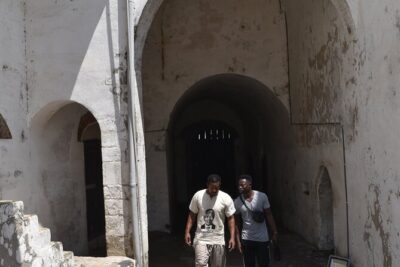
One Day Tour To Cape Coast, Elmina Castle, Kakum National Park
Read our review →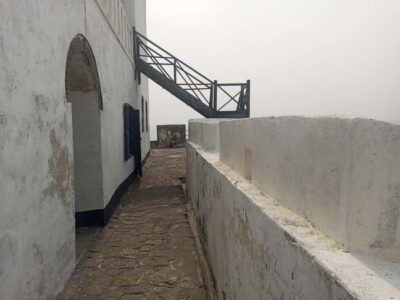
From Accra: Cape Coast and Elmina Castles Day Trip
Read our review →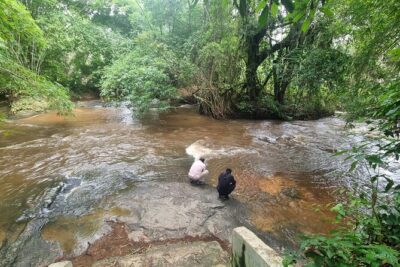
Assin Manso Slave River, Cape Coast and Elmina Castle Day Tour
Read our review →
Cape Coast Castle, Assin Manso Slave River & Kakum Day Tour.
Read our review →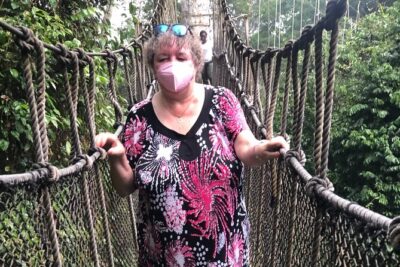
Ghana Private Historic Tour through Castles and Nature
Read our review →Browse the lists this tour appears in